


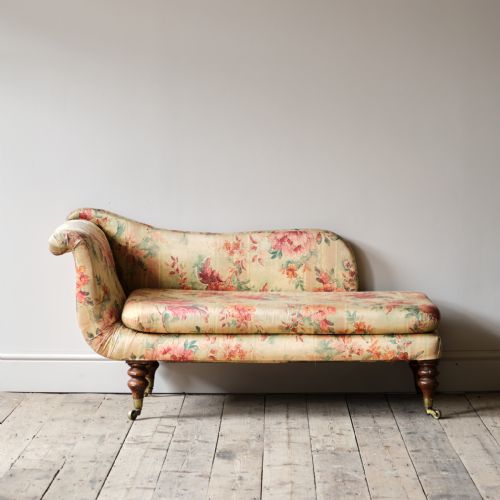


Regency Mahogany Bed
When you select a regency mahogany bed, you bring home a grand centrepiece defined by rich timber and classical proportion.
Regency Mahogany Bed
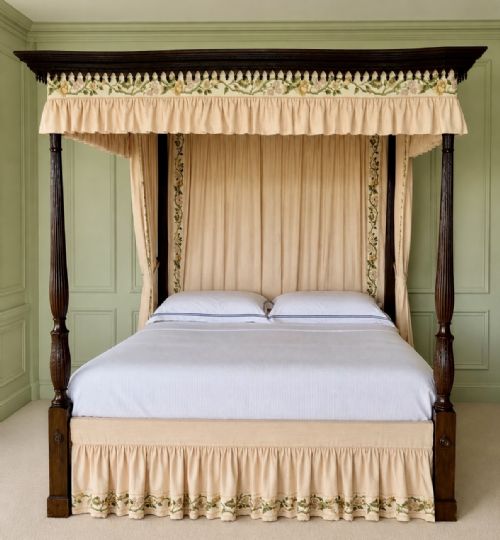
A regency mahogany bed represents the architectural ambition of the early nineteenth century, drawing heavily on classical motifs and structural clarity. The pieces available span substantial four-poster and tester frames alongside daybeds and associated chamber furniture.
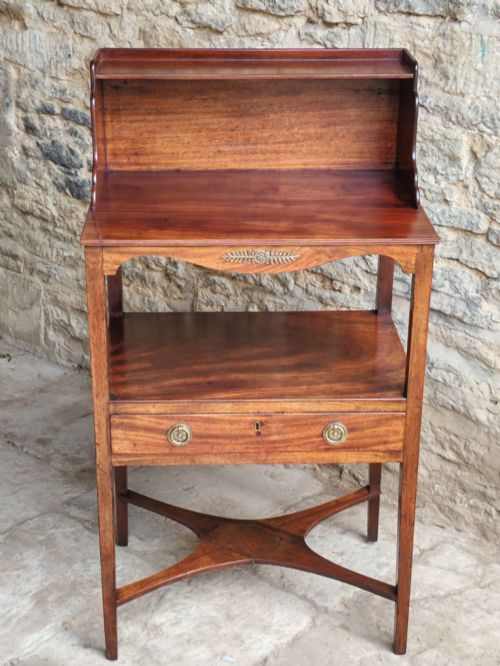
Most examples meet you as robust timber constructions dating from the Regency, George IV, and William IV periods, often featuring turned posts or panelled headboards. Alongside full-size sleeping frames, the selection frequently incorporates matching bedside cabinets, commodes, and bed steps designed for the period bedroom suite.
The aesthetic leans towards dark, figured wood grain rather than heavy gilding, relying on proportion and timber selection to create presence. Pieces originate primarily from nineteenth-century English workshops, carrying the structural hallmarks of late Georgian and early Victorian cabinet making.
Materials and construction
Makers relied primarily on solid mahogany and flame-mahogany veneers applied to secondary timbers, prized for deep natural warmth and rich grain pattern. Timber selection dictated the visual weight of the frame, with highly figured sections reserved for prominent surfaces like headboards and cabinet doors.
Joinery techniques combined traditional tenon frames with turned structural elements, supporting heavy tester canopies or substantial mattress platforms. Secondary materials such as brass fittings, cane work, and leather upholstery appeared functionally, providing mechanical action for folding mechanisms or contrasting texture against the dark wood.
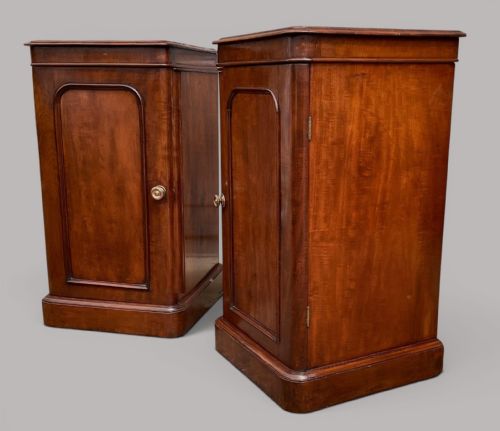
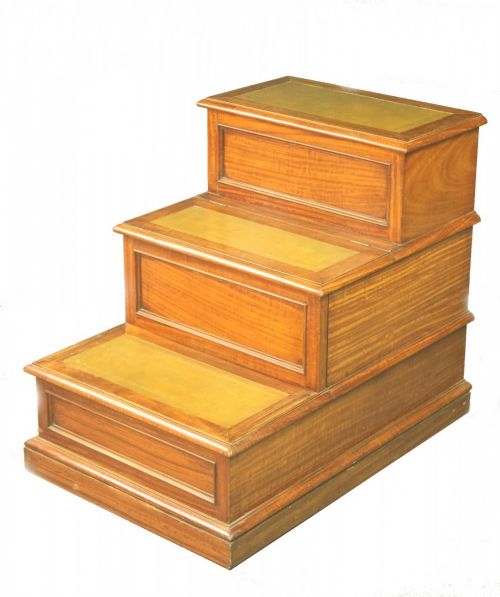
The archive records frequent pairings of flame-mahogany bedside cabinets and multi-step library commodes from the Georgian and Regency eras.
Assessing quality and finish
Quality rests upon the choice of timber and the restraint of the carving, distinguishing utilitarian sleeping quarters from high-status architectural commissions. Superior examples display symmetrical flame patterns across large drawer fronts or bed posts, while lesser pieces rely on plain stock timber.
Construction integrity separates enduring items from fragile ones, visible in the precision of the turning and the retention of original brass hardware. The depth of the patina and the subtlety of mouldings indicate whether a cabinet maker worked with meticulous care or hurried assembly.
Holland and Sons·Gillows
The Regency Mahogany Bed Glossary
- Flame-mahogany
- A veneer figure resembling flickering flames, cut from the branch forks of the tree. This technique created striking surface patterns on cabinet doors and drawer fronts.
- Tester bed
- A large bed featuring four vertical posts supporting an overhead canopy frame. It provided structural enclosure for heavy fabric hangings in grand chambers.
- Bed steps
- A set of small set-stairs designed to reach high nineteenth-century mattress levels. They frequently incorporated hidden commodes or storage compartments within the lower steps.
- Chaise longue
- An upholstered daybed with an elevated headrest designed for reclining. Regency iterations typically exhibited scrolled ends and turned legs.
- Pedestal cupboard
- A standalone bedside cabinet featuring a single door enclosing a storage compartment. These items often matched larger suite furniture in timber and form.
Regency Mahogany Bed: Frequently Asked Questions
How do I date a regency mahogany bed?
Dating relies on structural traits, timber thickness, and secondary woods like pine or oak hidden beneath the surface. Stylistic clues such as reeded posts and classical architectural cornices point directly to the early nineteenth century.
Later Edwardian reproductions in the Regency style generally utilise machine-cut internal framing and modern fixings that lack the hand-planed irregularities of authentic nineteenth-century pieces.
Are these beds standard modern sizes?
Antique sleeping frames frequently pre-date modern standardisation, meaning mattress dimensions rarely align with contemporary super king or double sizes. Custom mattress support or bespoke bedding is often required to fit historical timber frames.
Checking internal rail measurements before purchase ensures proper alignment with modern bases and allows for necessary adjustments by a skilled restorer.
What is a bedside commode step?
A bedside commode step combined climbing assistance with a concealed chamber pot enclosure within the lower tier. It served a dual domestic purpose in elite nineteenth-century bedrooms.
Lift-up lids and hinged steps disguised the interior utility, maintaining the polished mahogany appearance of the room.
How should I care for antique mahogany timber?
Regular dusting with a dry, soft cloth prevents particulate accumulation while maintaining the natural wax shine. Avoiding direct sunlight and sudden humidity changes protects the old veneers from splitting or lifting.
Occasional application of pure beeswax nourishes the dry wood surface without building up synthetic residues that dull the grain.