



Regency Liquor Chest
A regency liquor chest is a heavy timber wine cooler designed to hold bottled spirits and wine near the dining table.
Regency Liquor Chest
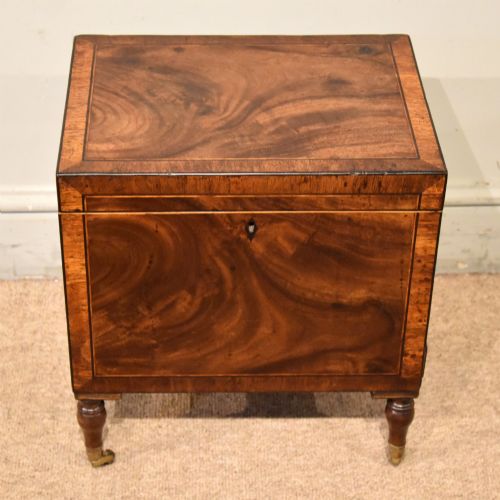
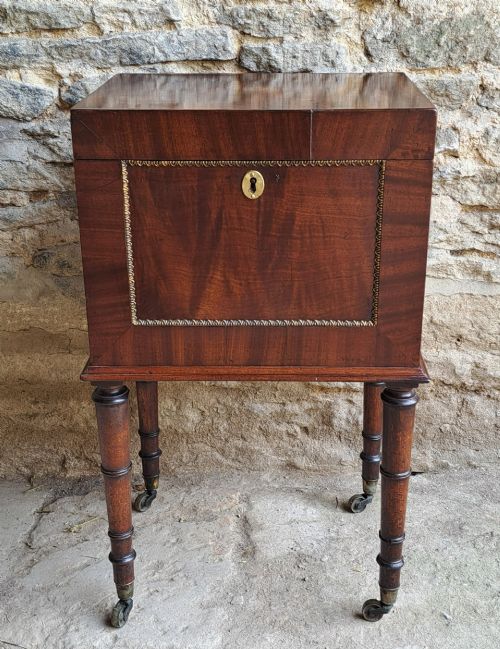
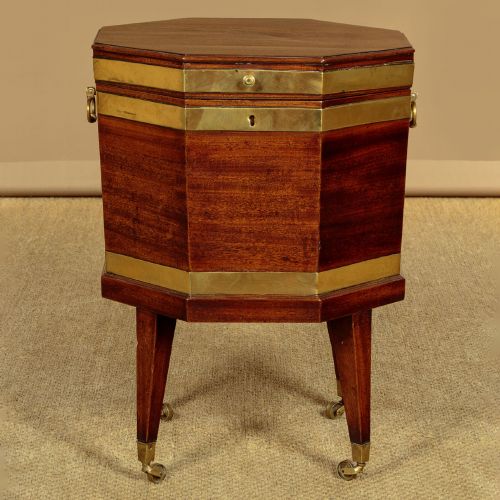
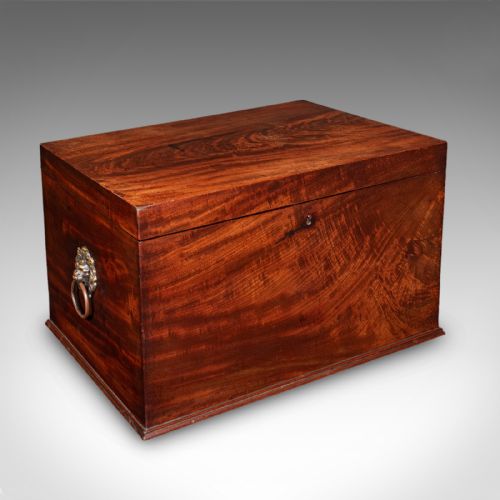
A regency liquor chest appears most frequently as a sarcophagus or box cellarette dating from the nineteenth century, Georgian, and Regency eras. These containers sit low on the floor, often resting upon short legs or integral feet, ready to be positioned beneath a sideboard or beside a dining table.
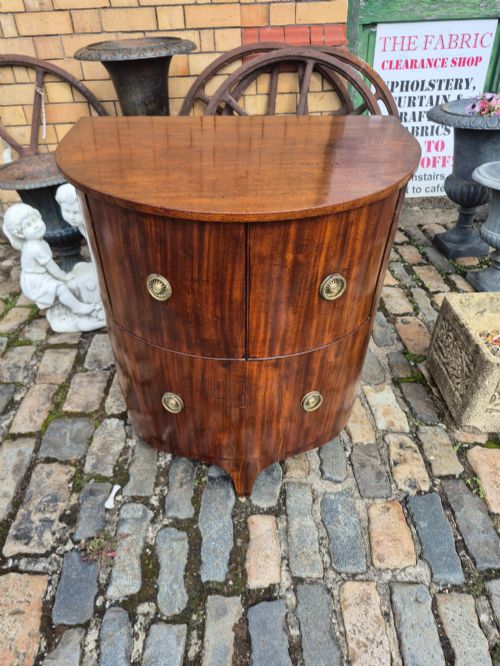
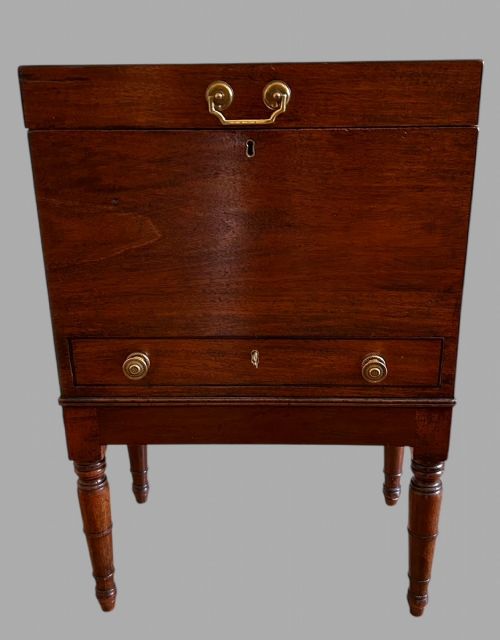
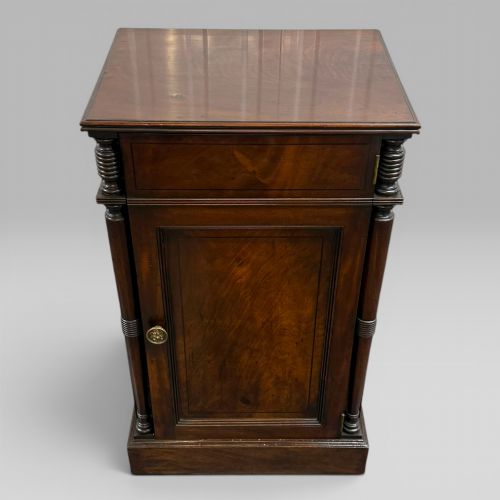
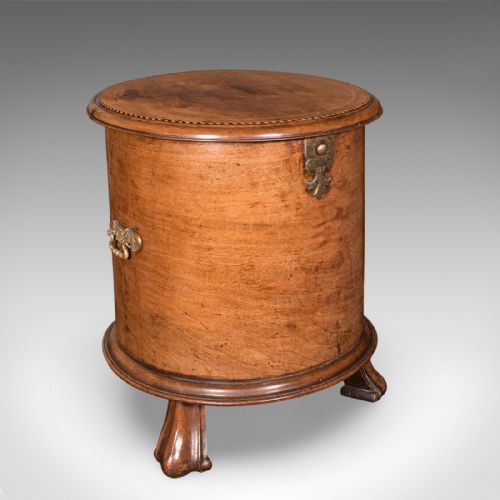
The primary forms include octagonal boxes, sarcophagus shapes with curved lids, and pedestals containing cupboards or plate-warmers. Makers constructed these pieces to store wine bottles securely in individual internal compartments lined for temperature control.
Materials and Construction
Makers built these chests predominantly using solid and veneered mahogany, frequently selecting flame mahogany, burr elm, pollard oak, walnut, or rosewood for decorative impact on the exterior surfaces. Timber selection governed the visual weight of the furniture.
Metal fittings played a structural and decorative role, with brass bands, carrying handles, and ormolu mounts securing the heavy timber joints. Joinery had to withstand the substantial weight of wet bottles and lead-lined interiors.
Regency Liquor Chest Retail Price Guide 2026
Typical asking prices for regency liquor chest among the pieces listed under this phrase on Sellingantiques today, from the lower quarter to the upper quarter. They describe what is for sale here now, not the wider market.
Materials documented in the inventory include mahogany, flame mahogany, pollard oak, walnut, rosewood, burr elm, brass, ormolu, and glass.
Distinctions in Quality
Superior examples distinguish themselves through the choice of exotic timbers like pollard oak or burr elm, alongside finely cast ormolu mounts and heavy brass binding. The depth of the timber's natural patina indicates careful selection and preservation over centuries.
Execution of internal divisions and the retention of original lining elements separate standard production items from pieces bearing attribution to notable cabinet makers such as Gillows or Gillingtons. Carved details on sarcophagus lids and fluted pedestal tops mark the upper tier of craftsmanship.
Gillows·Gillingtons·Robert Strahan and Co
The Regency Liquor Chest Glossary
- Cellarette
- A lockable container used for storing wine and spirits in a dining room. These boxes typically featured internal divisions to separate individual bottles.
- Sarcophagus
- A monumental tomb-like shape with a sloping or domed lid utilised by Regency designers for large wine coolers. This architectural form dominated high-status dining rooms.
- Ormolu
- Gilded bronze mounts applied to furniture for decorative contrast against dark mahogany and rosewood surfaces. The technique required precise metal casting.
- Flame mahogany
- Timber cut from the branch junction of a mahogany tree to produce a dramatic, flickering grain pattern. Cabinet makers reserved this veneer for primary visible surfaces.
- Patina
- The surface sheen developed by aged wood through handling, waxing, and exposure to light over many decades. It serves as an indicator of genuine age.
Regency Liquor Chest: Frequently Asked Questions
What is a regency liquor chest used for?
These chests served as portable wine cellars in the dining room, keeping bottles cool and close at hand during long meals. Servants accessed the contents to replenish glasses without leaving the room.
Inside, lead linings and fitted wooden partitions held bottles upright and prevented breakage while heavy brass locks kept expensive spirits secure.
How do I tell a Regency from a Georgian piece?
Georgian examples often feature simpler rectangular or octagonal box shapes with straightforward brass carrying handles. They tend to rely on the warmth of plain mahogany.
Regency and George IV pieces frequently adopt heavier architectural sarcophagus forms, incorporating ormolu mounts, carved paw feet, and exotic veneers like pollard oak.
Where should I place a cellarette at home?
These low chests function well as standalone decorative objects in a dining room, hallway, or drawing room. Their flat tops allow them to display lamps or decorative items.
Many owners utilise them for storing modern bottles of wine or spirits, making practical use of the original internal wooden compartments.
Are all these chests made of mahogany?
While mahogany is the dominant timber across the inventory, workshops also utilised walnut, rosewood, burr elm, and pollard oak. These rarer woods appeared on higher-status commissions.
Brass and metal hardware feature consistently across most examples, serving as both structural reinforcement and decorative trim.