

Regency Giltwood Glass
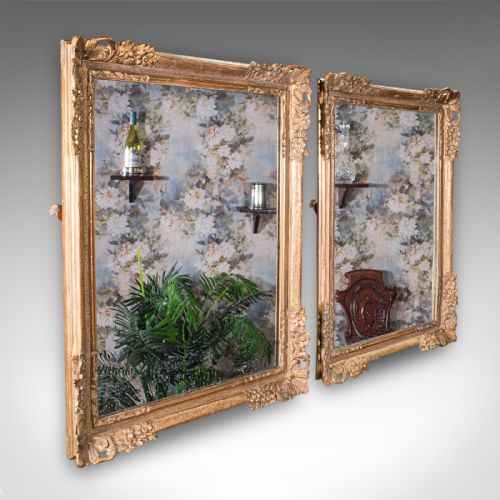
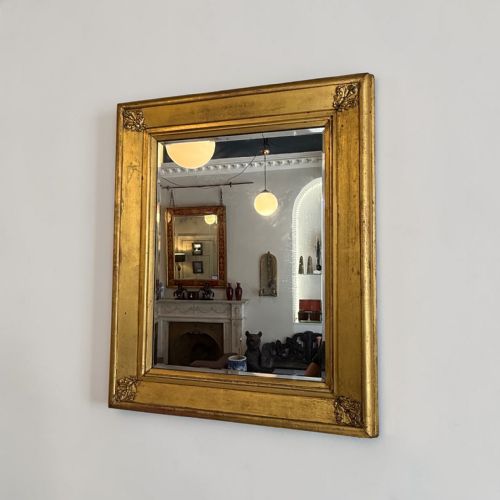
Regency giltwood glass brings bright neoclassical reflection to a room, offering grand mirrors formed with carved wood, gesso and gold leaf.
Regency Giltwood Glass
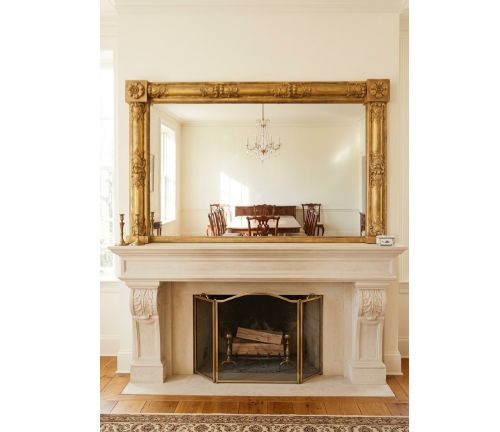
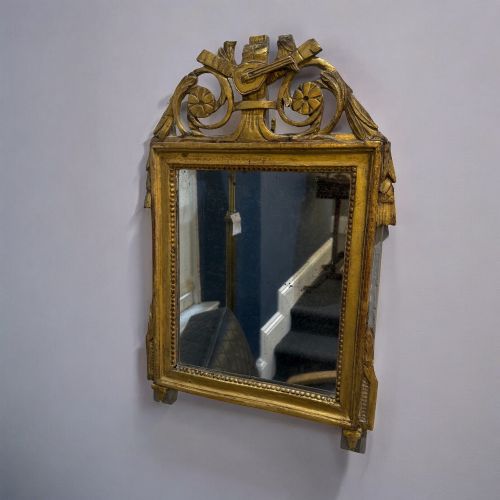
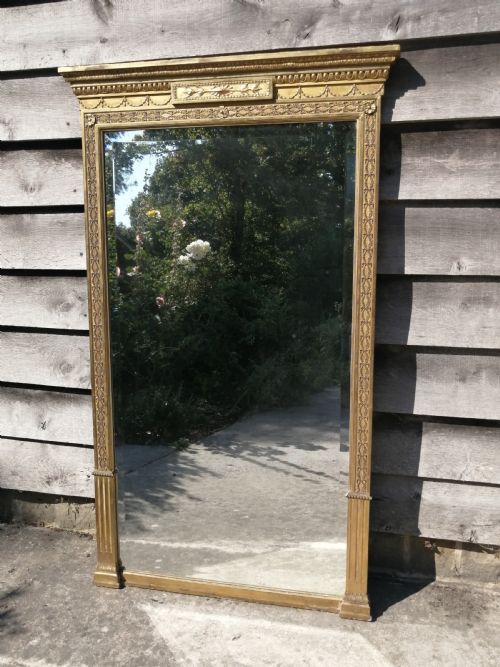
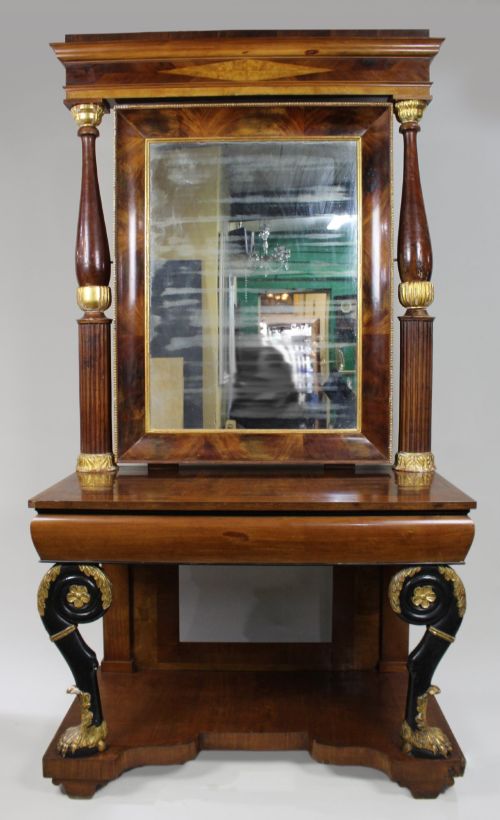
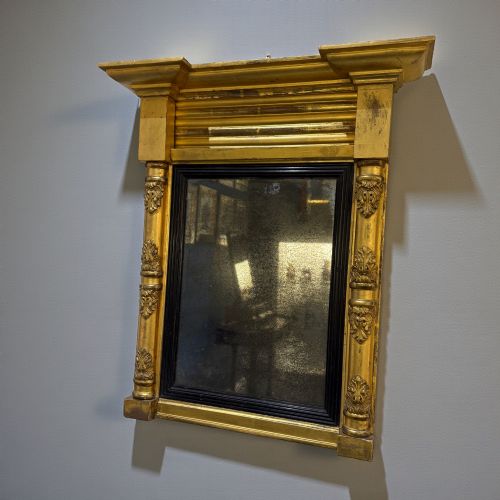
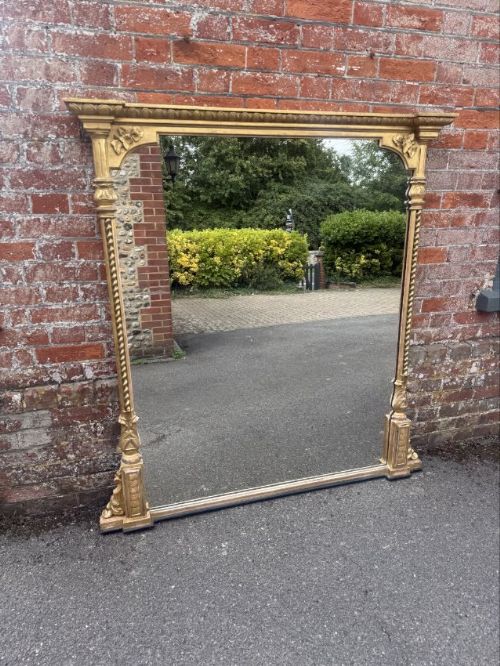
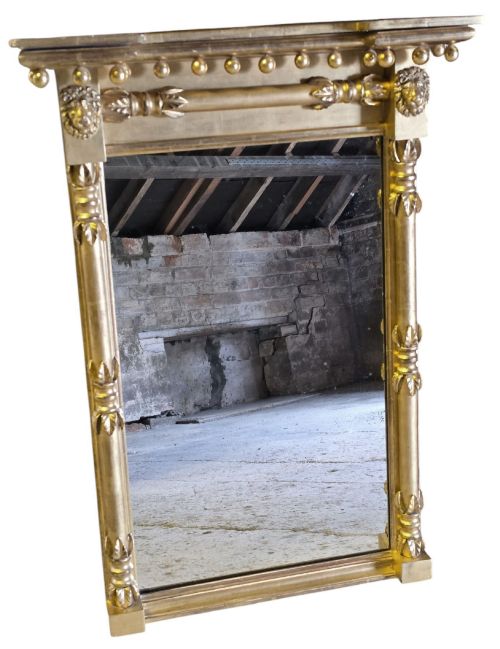
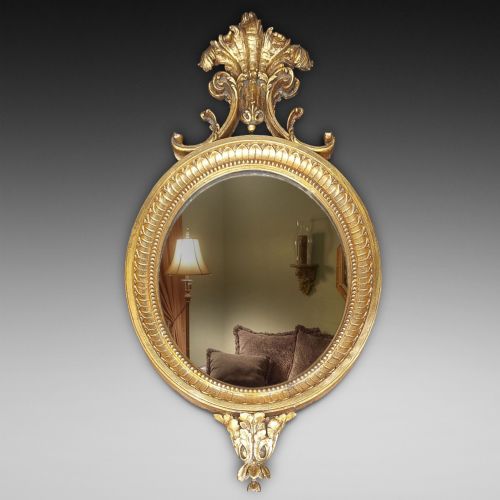
Regency giltwood glass chiefly comprises wall mirrors, overmantel mirrors and pier mirrors created across the nineteenth century, alongside console tables and convex glasses. The pieces you meet most often on this page are substantial overmantel and pier mirrors bearing the hallmarks of Regency and Victorian manufacture.
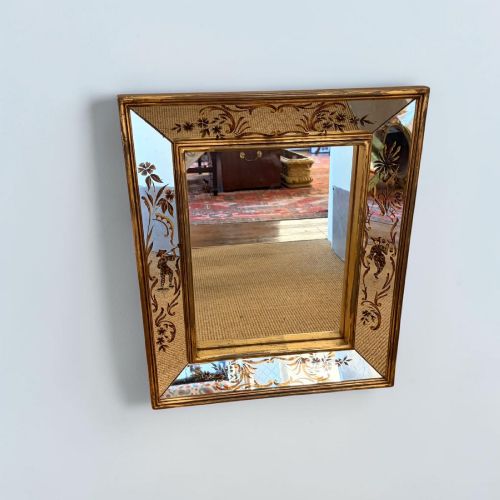
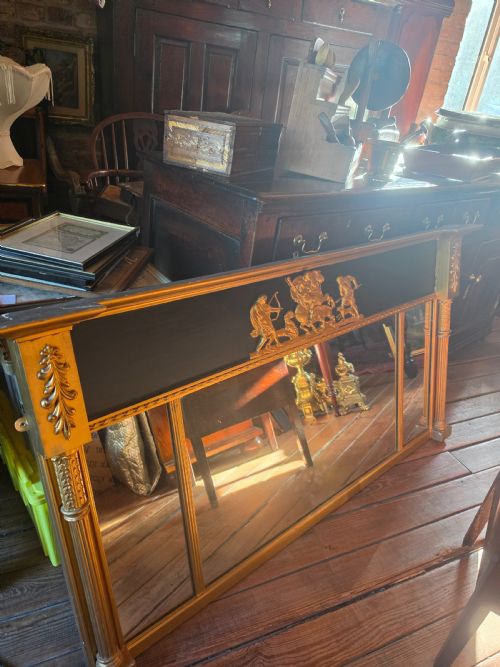
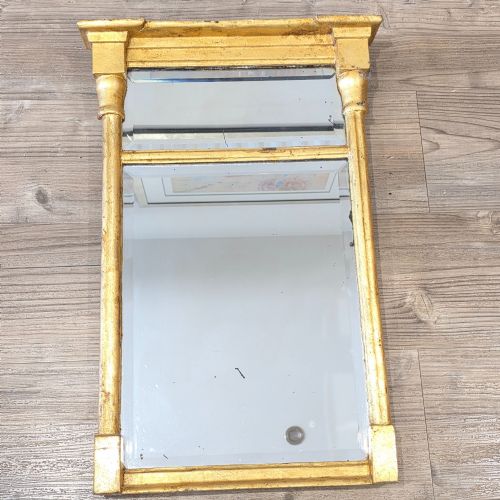
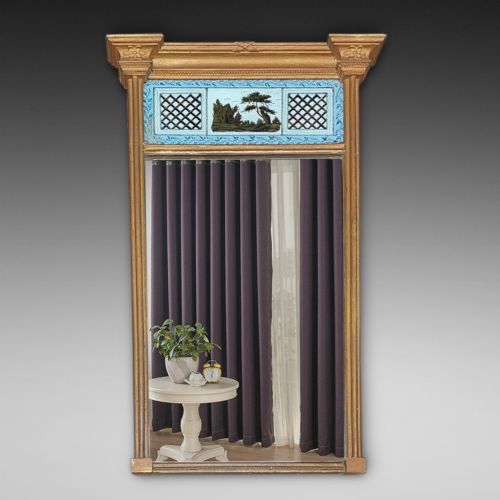
Makers shaped these items for formal rooms, employing styles such as Neoclassical, Georgian, William IV and French Chinoiserie. Many examples feature decorative verre eglomise panels, rope twist frames or Egyptian revival columns alongside the primary mirror plate.
How they were made
Workshops built these frames from carved wood or ebonised wood, applying layers of gesso to smooth the surface before adding gold leaf, oil gilt or composition details. This combination created a crisp ground for intricate mouldings like ribbed columns and neoclassical decorations.
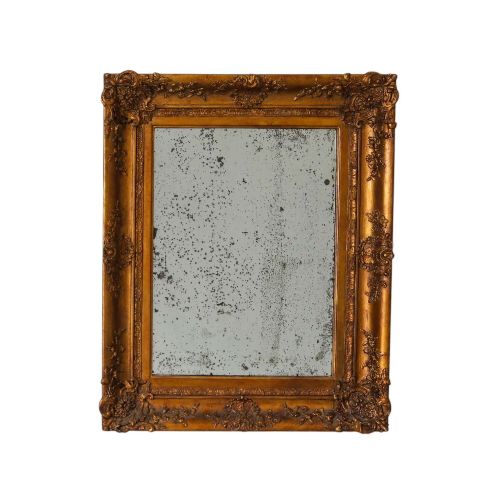
Glaziers set original plates, convex glass or verre eglomise panels into the prepared surrounds. Plates frequently display age characteristics such as light foxing.
Regency Giltwood Glass Retail Price Guide 2026
Typical asking prices for regency giltwood glass among the pieces listed under this phrase on Sellingantiques today, from the lower quarter to the upper quarter. They describe what is for sale here now, not the wider market.
Listings feature eighteenth and nineteenth century periods alongside Edwardian items, constructed from giltwood, gesso, ebonised wood and glass.
What varies in quality
The standard of a regency giltwood glass piece depends on the depth and crispness of the hand-carved wood and gesso ornamentation. Superior examples retain their original gilding and historic mirror plates with minimal disturbance to the surface.
Proportion and architectural balance set finer mirrors apart from simpler utility pieces. Well-executed details like verre eglomise panels and intact columns elevate the overall integrity of the design.
Ciceri and Co
The Regency Giltwood Glass Glossary
- Giltwood
- Wood that has been coated with gold leaf or a gold-coloured substance. It forms the gleaming finish characteristic of these antique frames.
- Verre eglomise
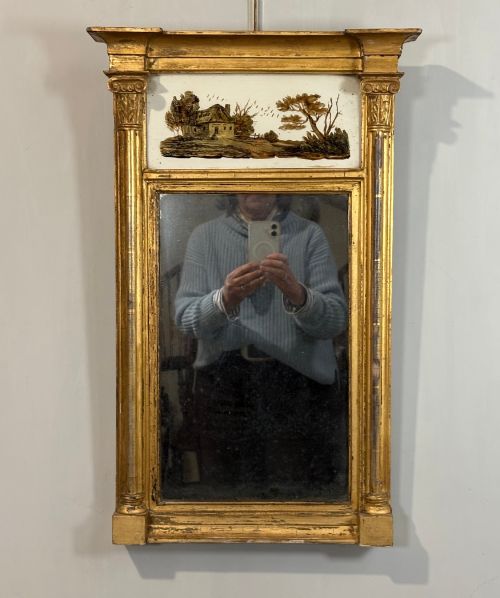
- A cold decoration technique involving painting and gilding on the reverse of glass panels. It appears frequently in the upper sections of pier mirrors.
- Overmantel mirror
- A large mirror designed to hang specifically above a fireplace mantelpiece. These pieces often span significant widths to reflect light across a drawing room.
- Convex mirror
- A round mirror with a curved glass surface that provides a wide-angle reflection of the interior. They are also known as butler's mirrors.
- Pier mirror
- A tall, narrow mirror made to hang on the wall space between windows. They frequently sit above matching console tables.
Regency Giltwood Glass: Frequently Asked Questions
Where should I hang an overmantel mirror?
These large mirrors belong directly above a fireplace mantelpiece where they anchor the wall and reflect light throughout the space. Their proportions suit principal reception rooms with high ceilings.
Ensure the wall fixings match the substantial weight of carved wood and gesso frames. Professional installation keeps the heavy timber secure against the wall.
What is a verre eglomise panel?
This technique involves applying gold leaf and painted designs to the reverse side of a glass panel. It adds a decorative upper section to pier mirrors.
Craftsmen used this method to introduce contrasting colour and classical motifs above the main reflective glass plate.
How do I identify a convex mirror?
Convex mirrors feature a round, outwardly curved glass plate set within a circular frame, sometimes accompanied by candle sconces. They offer a panoramic view of the room.
Nineteenth-century versions often include detailed ball-moulded bezels and small eagle crests at the top.
Are foxed mirror plates desirable?
Light foxing shows natural oxidation and age within the silvering of the original glass plate. Collectors often appreciate this evidence of antiquity.
Original plates with gentle foxing maintain the historic character of nineteenth-century mirrors better than modern replacement glass.