




Regency Gentleman Artwork
Regency gentleman artwork captures the striking likeness and distinct character of men from an era defined by elegance and dramatic social change.
Regency Gentleman Artwork
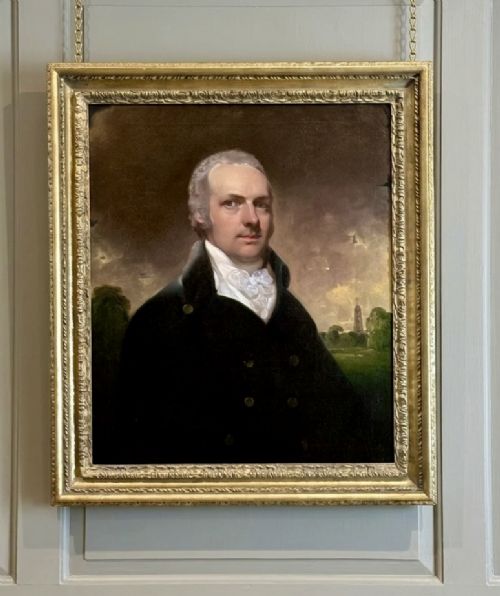
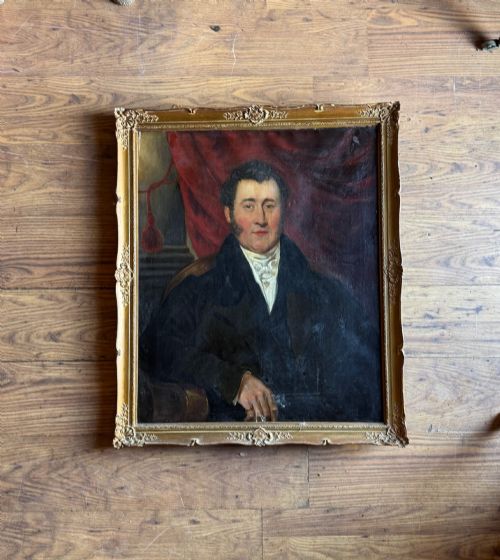
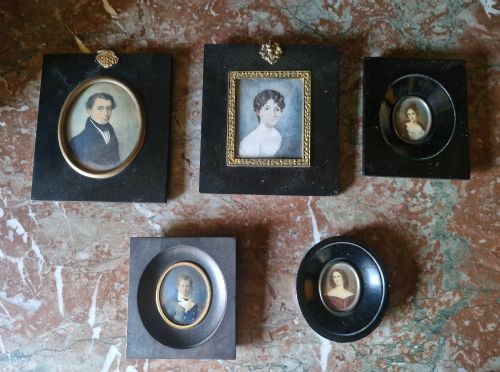
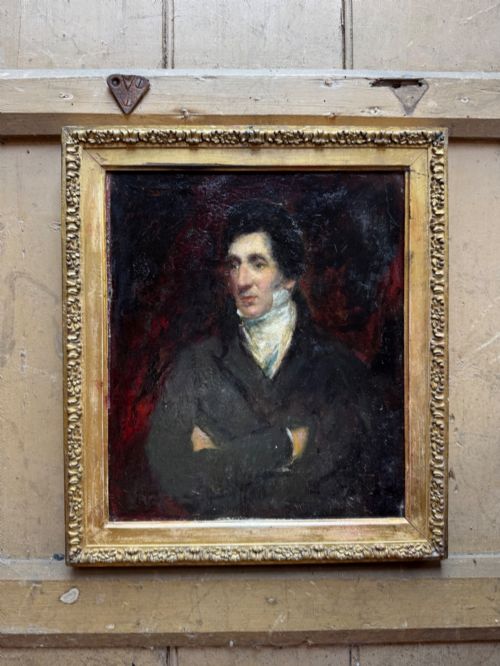
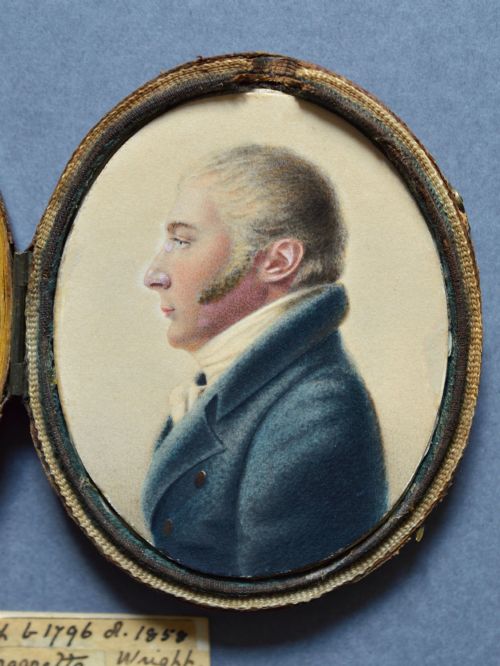
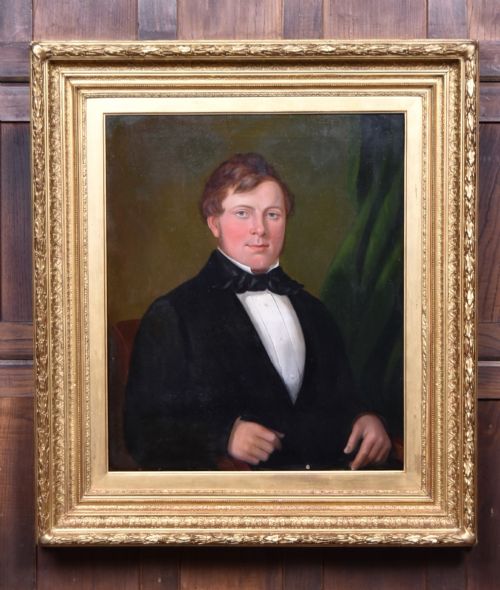
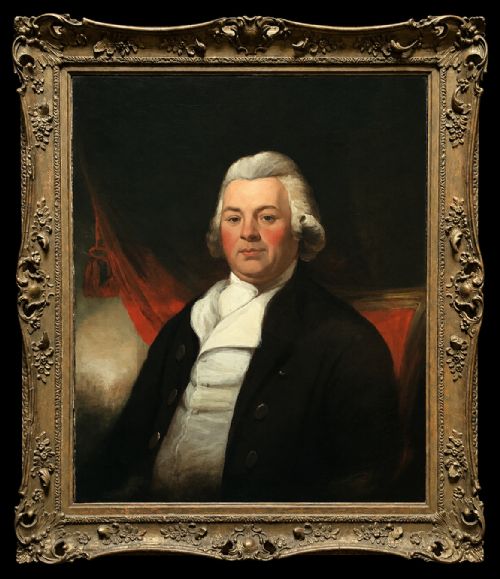
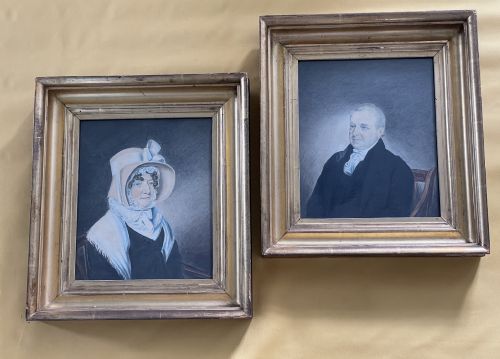
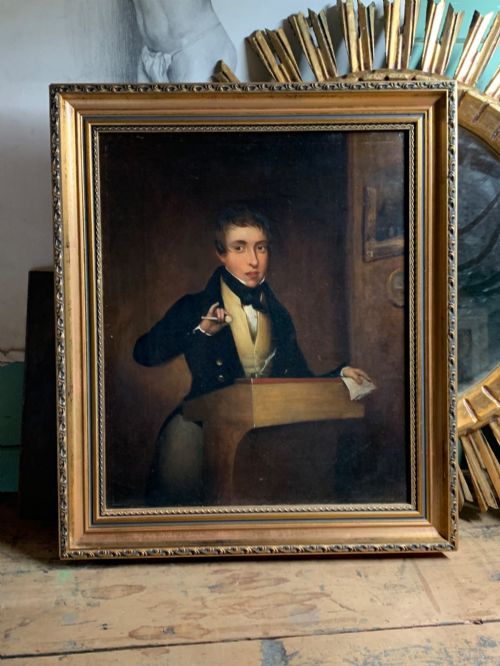
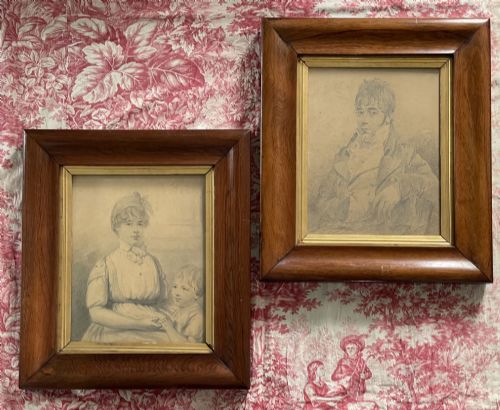
Regency gentleman artwork encompasses portraiture created across the Georgian, Regency, and Victorian periods, capturing male subjects through various artistic mediums. These pieces range from intimate, portable portrait miniatures to large-scale oil paintings intended for grand domestic interiors.
The subjects depicted include military officers, physicians, noblemen, and everyday citizens captured during moments of quiet dignity or domestic life. Buyers most frequently encounter oil on canvas paintings and detailed watercolour portraits on paper representing these distinct male figures.
Materials and Construction
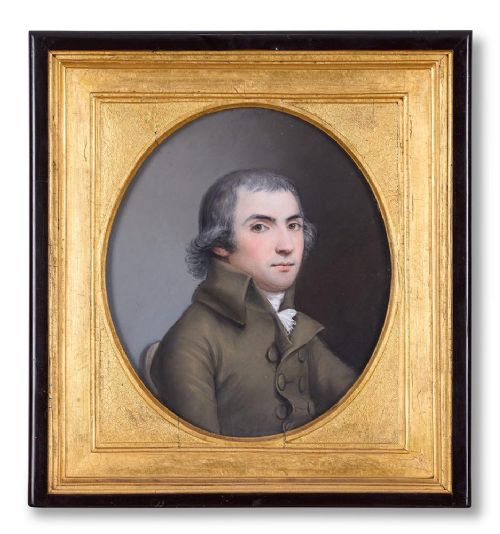
Artists primarily utilised oil on canvas to create durable, rich portraits, often mounting finished works within ornate giltwood and gesso frames. Smaller works relied on paper surfaces for delicate watercolour paintings, graphite drawings, and ink illustrations.
Miniatures and silhouettes employed specialised techniques, utilising paper, card, and fine glass coverings to protect the delicate pigments and cut profiles. Gold leaf was occasionally applied to enhance the decorative elements of frames and miniature cases.
Regency Gentleman Artwork Retail Price Guide 2026
Typical asking prices for regency gentleman artwork among the pieces listed under this phrase on Sellingantiques today, from the lower quarter to the upper quarter. They describe what is for sale here now, not the wider market.
One gentleman's shaving ritual is famously interrupted by an irate wife.
Assessing Quality and Execution
The framing also influences the overall integrity of the piece, with period giltwood frames featuring crisp gesso moulding commanding greater regard. The preservation of the original pigment, canvas tension, and paper stability directly affects the visual impact of the artwork.
Sir William Beechey·George Watson·Frederick Buck·Thomas Woolnoth·George Chinnery·Rolinda Sharples·Sir Thomas Lawrence·George Hayter·Henry William Pickersgill·John Opie·Henri Josephe Hesse
The Regency Gentleman Artwork Glossary
- Silhouette
- A portrait represented as a solid shape of a single colour, usually black, outlined and filled in or cut from paper. These profiles offer a stark, elegant likeness popular before the widespread adoption of photography.
- Portrait miniature
- A small, highly detailed painting, often executed on ivory, vellum, or paper, designed to be held in the hand or worn as jewellery. These intimate items required exceptional technical precision.
- Giltwood
- Wood carved and covered with a thin layer of gold leaf or gold paint. This finish was standard for framing significant 18th and 19th-century portraits.
- Watercolour
- A painting method in which the paints are made of pigments suspended in a water-based solution. Artists used this medium on paper for quick studies and finished cabinet portraits alike.
Regency Gentleman Artwork: Frequently Asked Questions
What defines a regency gentleman artwork?
These pieces consist of paintings, drawings, and silhouettes depicting male subjects from the late eighteenth and early nineteenth centuries. They reflect the fashions, social standings, and artistic conventions of the Georgian and Regency eras.
Subjects range from formal military officers and nobility to professionals like physicians and auctioneers. The category spans large oil canvases down to delicate pocket-sized watercolours.
How were these portraits displayed originally?
Large oil paintings were traditionally hung in the reception rooms, libraries, and galleries of country houses and urban townhouses. They served to display family lineage, social status, and personal achievement.
Smaller watercolours, silhouettes, and miniatures were often kept in private chambers, carried during travel, or worn close to the heart. This intimate display reflected the personal nature of smaller portable likenesses.
How do I care for antique paper art?
Watercolours, graphite drawings, and silhouettes on paper require protection from direct sunlight to prevent the fading of delicate pigments and paper yellowing. Stable humidity levels prevent warping and mould growth on organic materials.
Displaying works away from heat sources and utilising acid-free framing materials preserves the integrity of the paper. Glass covers should remain sealed to keep dust and atmospheric pollutants away from the fragile surface.
Can I identify the sitter in a portrait?
Identifying a sitter depends on surviving inscriptions on the reverse of the canvas, old exhibition labels, or accompanying family provenance records. Portraits commissioned by prominent families are occasionally documented in artist account books and historical catalogues.
Unidentified sitters remain common, as many works lost their written records over generations of dispersal. In these cases, dress, hairstyle, and uniform details help narrow down the approximate decade of creation.