
Regency Framed Pictures
Regency framed pictures capture the refined portraiture, delicate silhouettes and classical scenes of the early nineteenth century.
Regency Framed Pictures
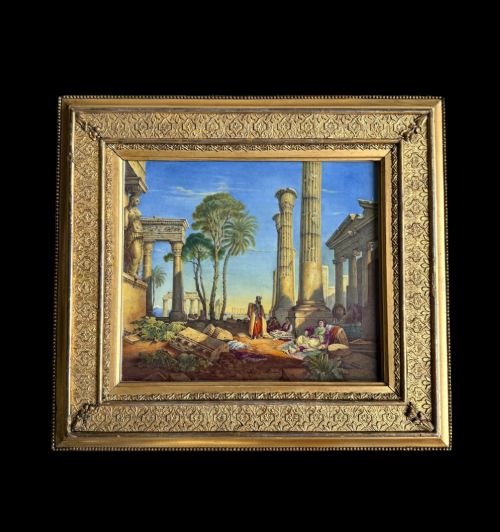
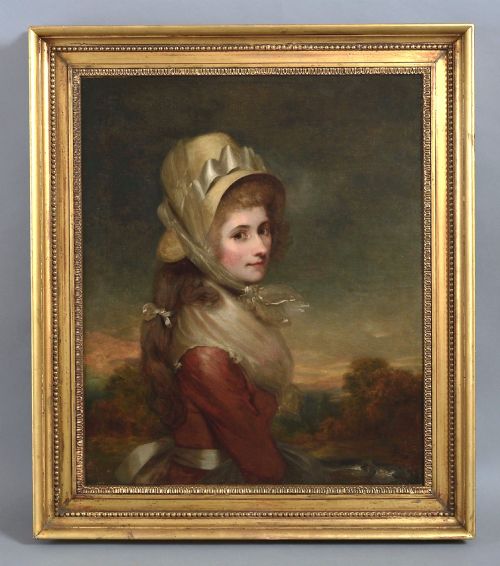
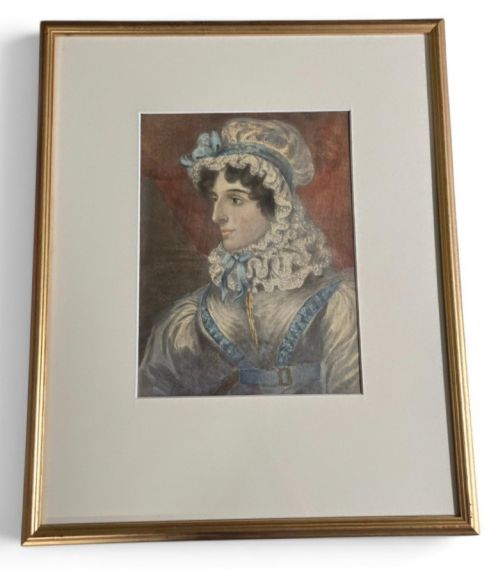
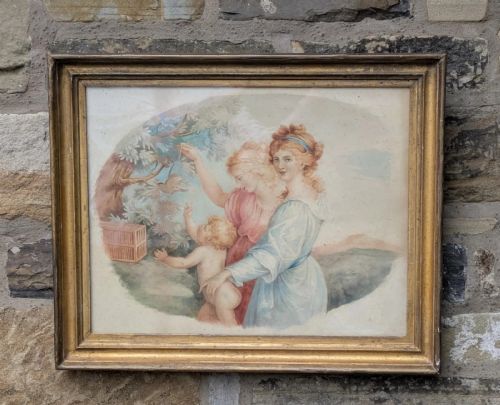
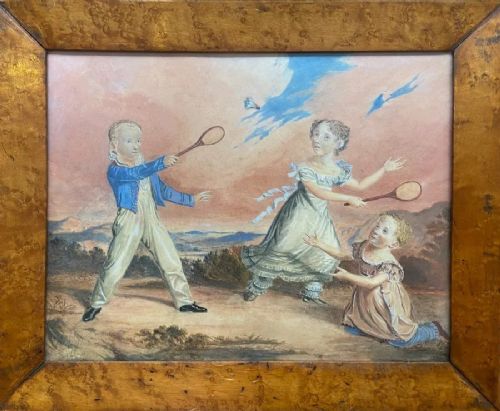
When you search for regency framed pictures, you encounter a diverse selection of wall art, framed prints and portrait miniatures produced during the nineteenth century. These works frequently depict gentlemen, ladies and children through various mediums that reflect the aesthetic tastes of the period.
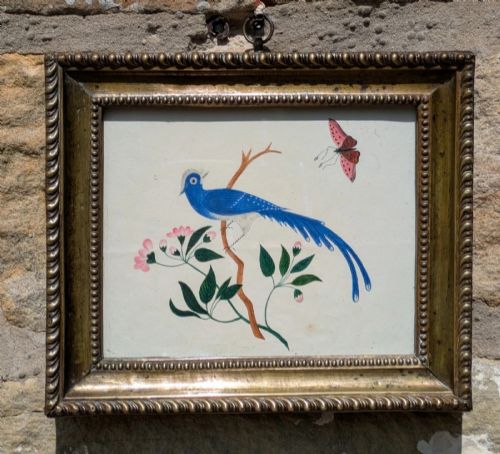
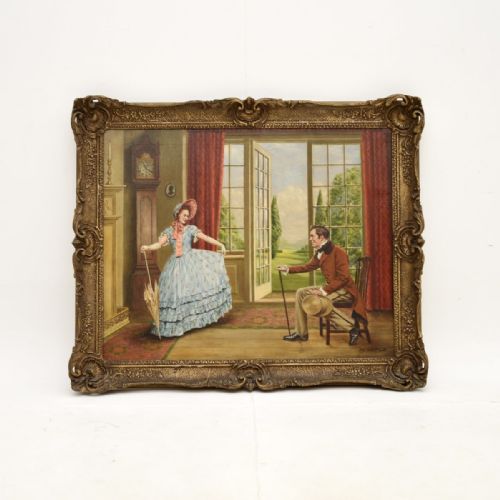
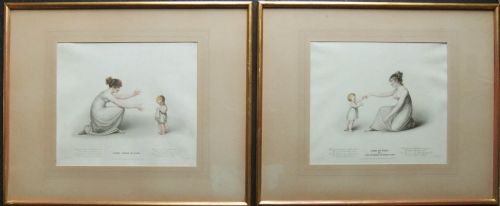
The most common examples on this page include watercolour paintings, cut paper silhouettes and hand-coloured engravings. Many pieces retain their period frames, ranging from giltwood moulding to dark rosewood profiles.
Materials and technique
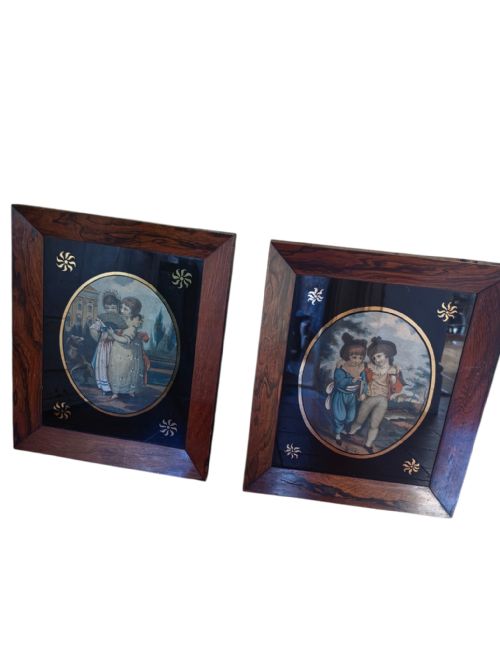
Makers utilised paper, glass and wood alongside gold leaf and giltwood to house and protect delicate watercolours, prints and silks. Watercolour and ink applied to paper form the basis of many portraits, whilst specialised techniques like reverse glass printing created glossy, enduring imagery.
Framing involved substantial wooden mouldings finished with gold leaf or dark polishing, often incorporating linen slips to separate the artwork from the glass. Needlework and cut paper pictures required meticulous hand assembly, stitching and mounting on silk.
Listings feature paper, glass, wood and giltwood alongside watercolours and engravings.
Evaluating the standard
The integrity of the frame also dictates overall standing, with original period giltwood or rosewood surrounds carrying greater visual weight than later replacements. Well-preserved glazing and minimal pigment fading separate superior examples from more worn pieces.
William James Hubard·Augustin Edouart·Alfred Lyndon Grace·T C Hofland·John Ferneley Senior
The Regency Framed Pictures Glossary
- Silhouette
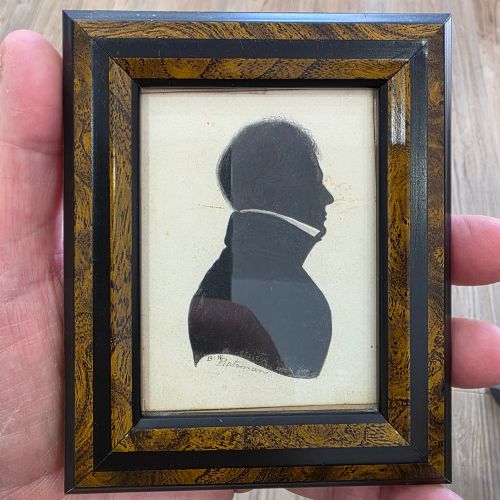
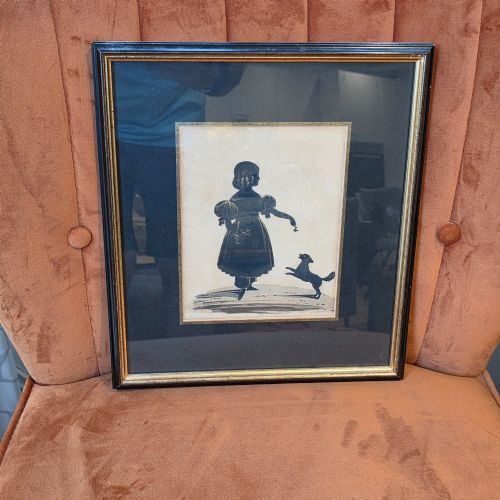
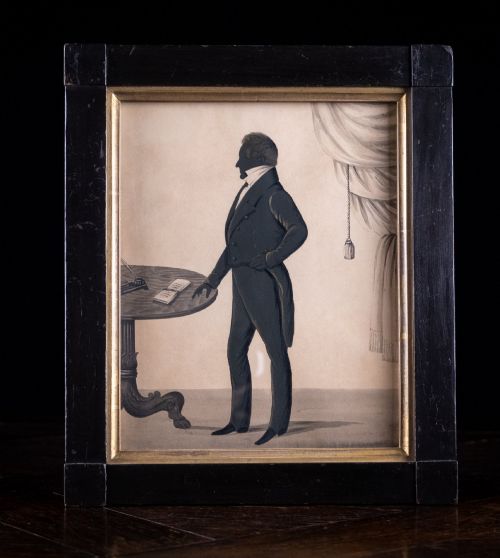
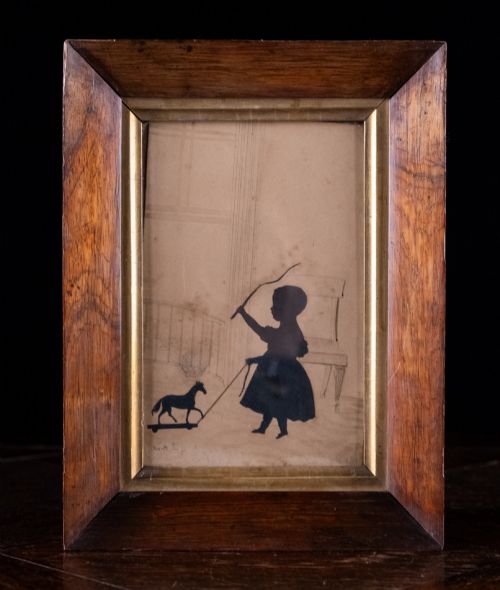
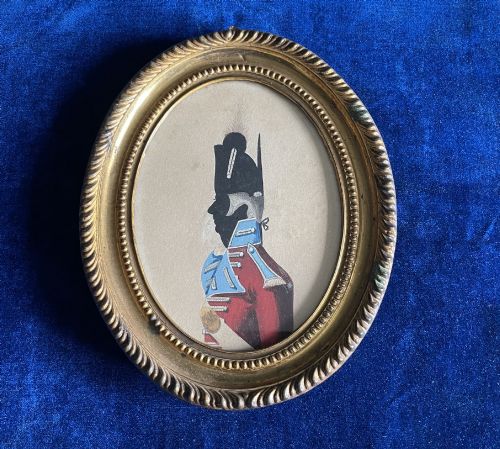
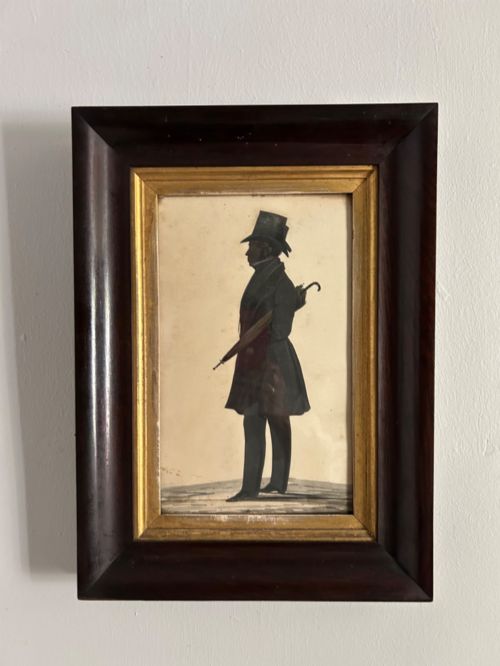
- A solid black profile portrait cut from paper or painted on card. These pieces often capture subjects with remarkable detail using only shadow.
- Reverse glass print
- An image painted or transferred onto the underside of glass. This technique produces a glossy surface finish that protects the pigments underneath.
- Giltwood
- Wood carved and coated with gold leaf or a gold-coloured finish. This material formed the ornate borders typical of classical framing.
- Needlework
- Textile art created using thread on canvas or silk. Samplers and pictorial scenes served both as decorative items and demonstrations of stitching skill.
- Hogarth frame
- A narrow, dark wooden frame with a distinct profile, popular for prints and drawings. These frames often carry a subtle reddish or black polish.
Regency Framed Pictures: Frequently Asked Questions
How do I identify a genuine period frame?
Original frames usually exhibit traditional joinery, aged gilding and historic backboards secured with old fixings. Close inspection often reveals minor shrinkage cracks in the wood and gentle wear patterns.
Newer replacements tend to look overly uniform and lack the subtle patination accumulated over two centuries. Checking the rebate and glass type provides further clues regarding age.
Where should I hang these artworks?
These works suit traditional studies, hallways and drawing rooms where their scale can be appreciated at close quarters. Grouping smaller silhouettes and engravings together creates a striking display.
Protect them from direct sunlight to prevent delicate watercolours and silks from fading. Stable humidity levels also help preserve paper and wooden frames.
What subjects are most common?
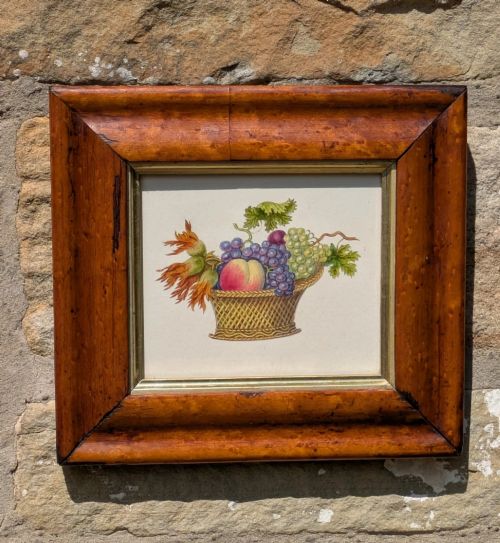
Portraits of individuals dominate the selection, ranging from detailed oil paintings of officers and gentlemen to intimate miniature likenesses. Classical scenes, animals and botanical watercolours also appear frequently.
Needlework samplers and topographical engravings offer alternative glimpses into nineteenth-century visual culture. Each subject reflects the domestic and social interests of the era.
How are silhouettes usually constructed?
Makers either cut freehand using scissors or painted directly onto card, paper or plaster. Silhouette artists often added highlights in gold ink to define clothing and hair.
Works associated with major galleries and profile cutters frequently bear signatures or trade labels on the reverse. The precision of the cutting usually indicates the skill of the practitioner.