




Regency Floor Lamp
Regency floor lamp designs bring classic proportion and warm illumination to a room, offering both sculptural presence and functional height.
Regency Floor Lamp
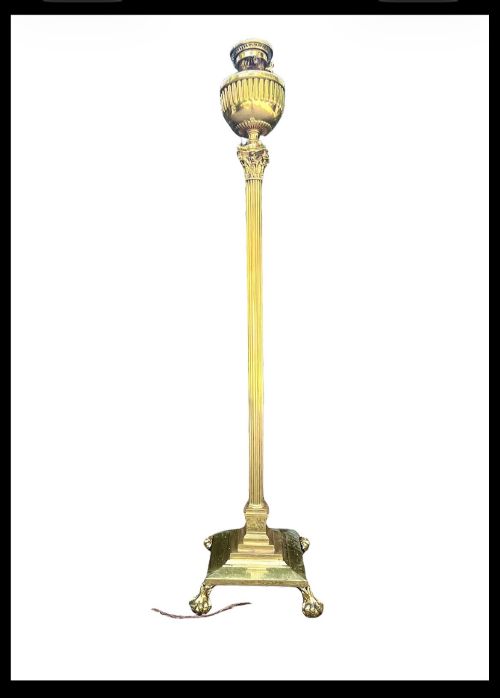
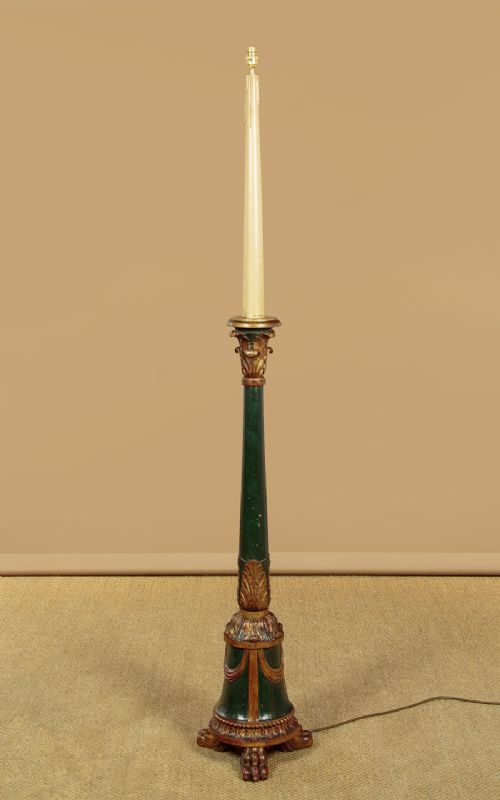
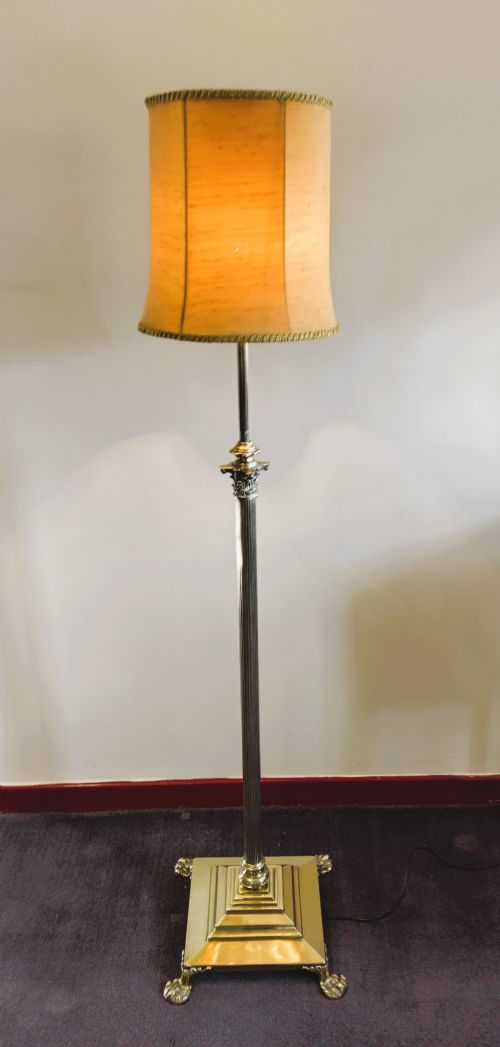
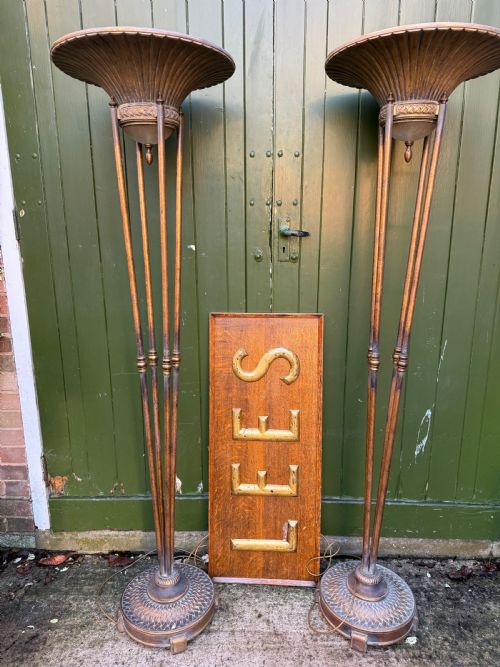
When you search for a regency floor lamp, you encounter lighting designed to provide elevated illumination using classical architectural vocabulary. These pieces range from authentic 19th Century examples to later revivals from the 1920 and 1930 decades, along with Hollywood Regency interpretations.
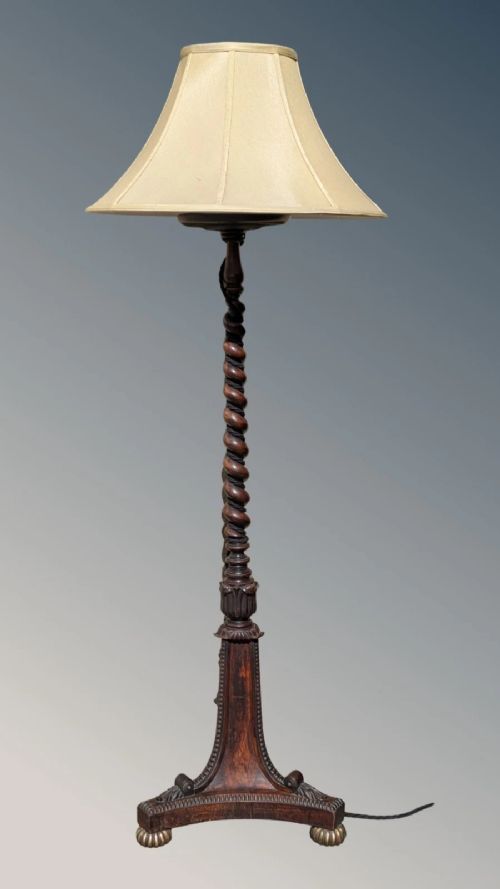
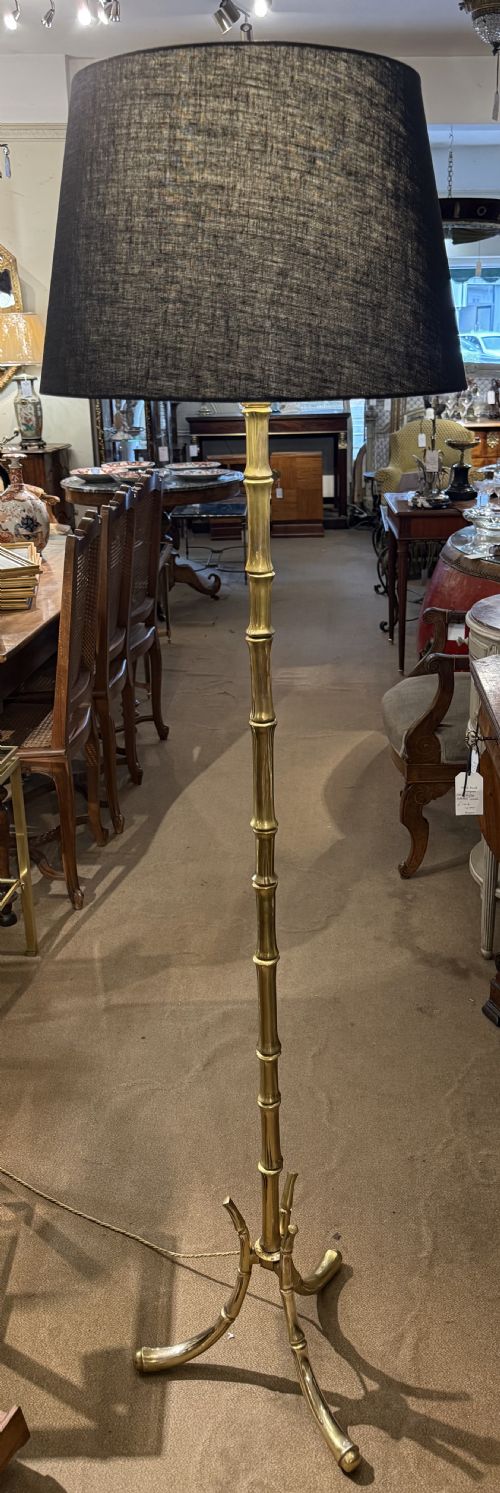
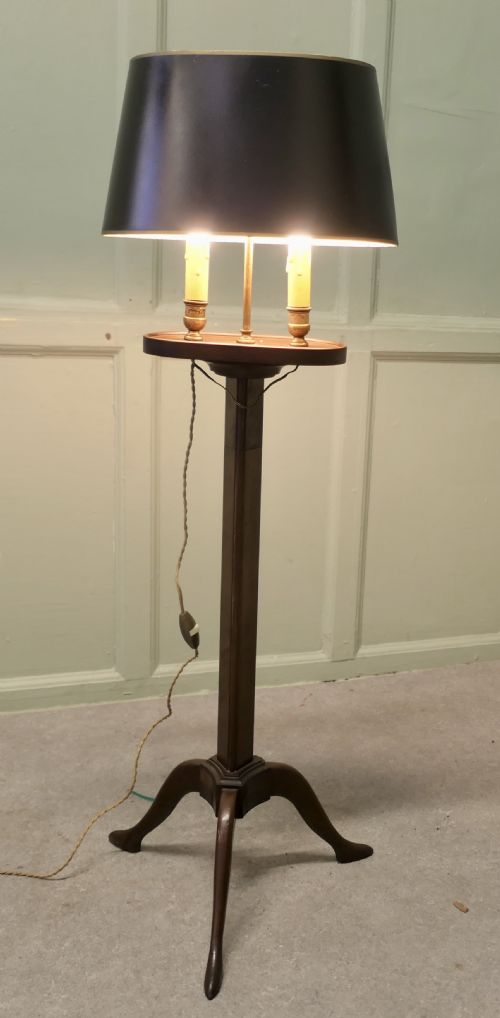
The forms span floor lamps, standard lamps, and torcheres, often incorporating adjustable heights, twin candle arms, or pole screen conversions. Materials such as brass, mahogany, rosewood, and giltwood define the primary visual character across the selection.
Neoclassical influence appears frequently, alongside William IV and Italian Florentine styles. Buyers often meet converted pieces, such as lamp tables or pole screens adapted for modern electrical use.
Materials and construction
Makers utilised heavy metals like brass, gilt bronze, and painted metal alongside timber frames in mahogany and rosewood. Parcel gilt and giltwood surfaces provided rich reflective qualities suited to formal interiors.
Adjustable mechanisms and multi-armed candle configurations required precise metalworking skills. Fabric elements completed the shades, while marbleized details added weight and visual texture to standard lamps.
Regency Floor Lamp Retail Price Guide 2026
Typical asking prices for regency floor lamp among the pieces listed under this phrase on Sellingantiques today, from the lower quarter to the upper quarter. They describe what is for sale here now, not the wider market.
Several lamps started life as fire screens, proving that Victorians loved multi-tasking furniture just as much as we do.
Judging quality in standard lamps
Subtlety of cast detail in brass and gilt bronze separates fine examples from simpler production. The crispness of carved giltwood or the grain selection in rosewood and mahogany indicates the original maker's ambition.
Integration of conversion work affects overall integrity, particularly when earlier furniture forms like pole screens or tables become lamps. Original mechanisms for height adjustment operate smoothly and maintain stability under the weight of standard lamp fittings.
Maison Bagues·Humphrey Hopper
The Regency Floor Lamp Glossary
- Torchere
- A tall stand or lamp originally designed to hold a torch or candle. These pieces provide elevated vertical lighting.
- Standard lamp
- A British term for a floor-standing lamp, typically featuring a central wooden or metal post on a weighted base.
- Bouillotte lamp
- A type of adjustable lighting featuring candle arms, often adapted from card table lighting to standard lamp formats.
- Parcel gilt
- Wood or metal partially covered with gold leaf or gilt paint. This technique highlights carved details against a contrasting background.
- Pole screen
- A vertical stand holding an adjustable screen panel, frequently converted into a standard lamp in later periods.
Regency Floor Lamp: Frequently Asked Questions
What is a regency floor lamp?
A regency floor lamp is a tall lighting fixture drawing on classical 19th Century design principles, or later revivals from the 20th century. These pieces use columns, urn motifs, and tripod bases to elevate light sources.
They appear as standard lamps, torcheres, and adjustable metal or wood standards. Many incorporate Neoclassical styling or Hollywood Regency interpretations.
How were standard lamps used historically?
Standard lamps provided movable task and ambient lighting in large reception rooms before electricity transformed domestic interiors. They stood beside seating areas to cast light downward for reading or needlework.
Many surviving examples began life as oil lamps or candle stands before conversion to electric wiring. Pole screen conversions served a dual purpose of blocking heat from a fireplace while illuminating a room.
Are these lamps period or revival pieces?
The selection includes genuine 19th Century items alongside pieces from the 1920 and 1930 decades. Revival styles such as Regency Revival and Neoclassical Revival replicate earlier proportions using methods of their own time.
Distinguishing between eras relies on examining metal casting techniques, wood species, and the nature of any electrical conversions. Makers in the 20th century reinterpreted classical forms with a theatrical Hollywood Regency sensibility.
How do I place a standard lamp in a room?
These lamps function effectively in corners or beside heavy upholstery where vertical height balances low furniture. Adjustable height models allow the light source to adapt to different seating arrangements.
Wiring and conversion details require checking to ensure compatibility with modern sockets and safety standards. Pairing them with appropriate fabric shades completes the intended silhouette.