


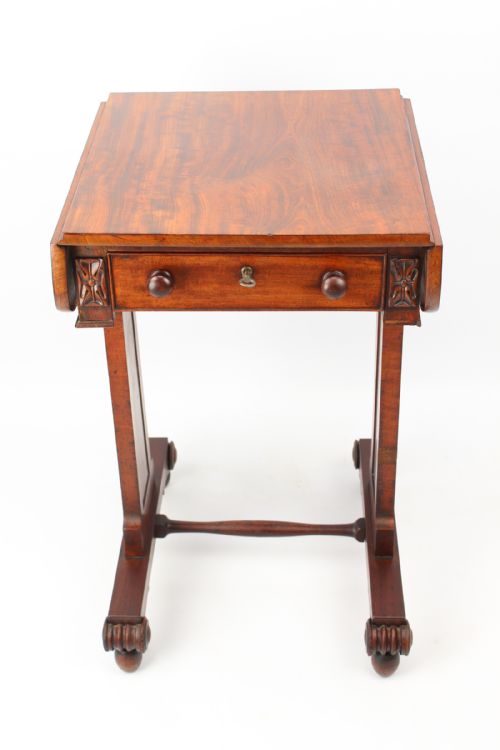


Regency Flap Table
A regency flap table offers clever folding leaves and compact proportions, making it a versatile choice for dining or writing in smaller rooms.
Regency Flap Table
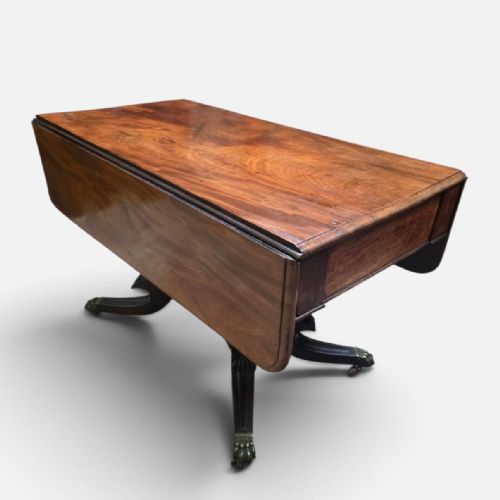
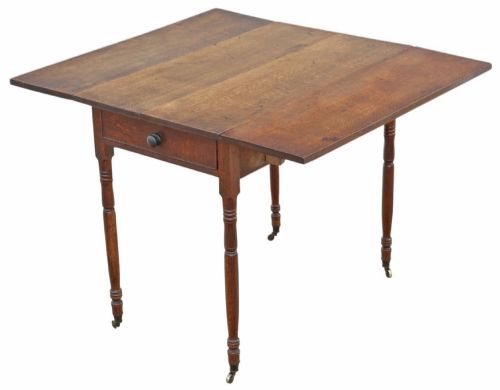
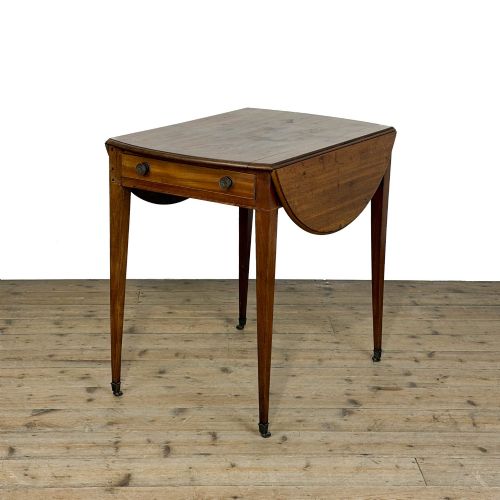
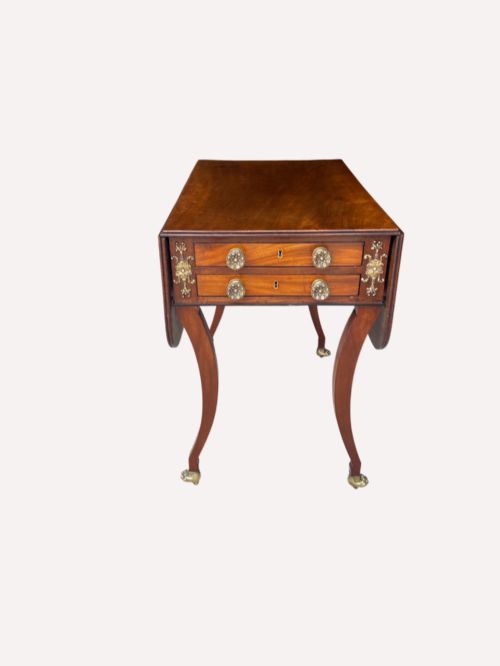
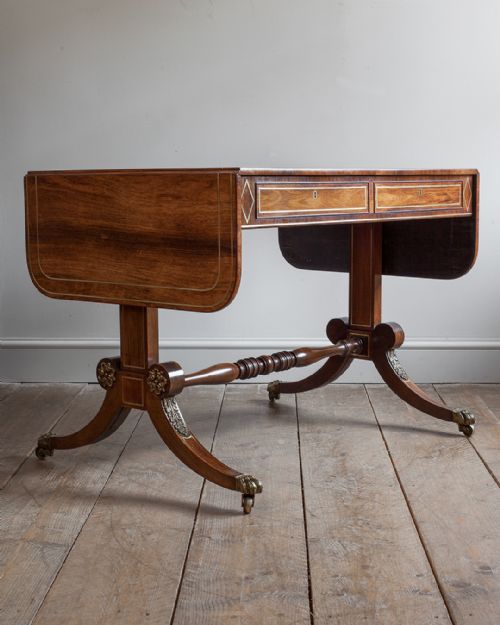
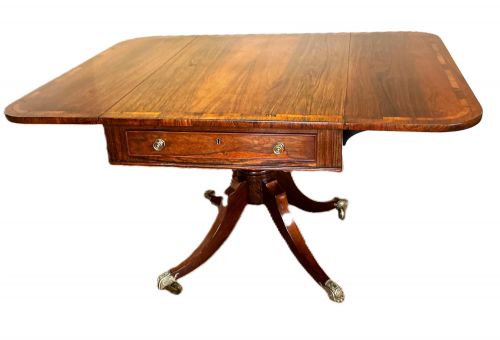
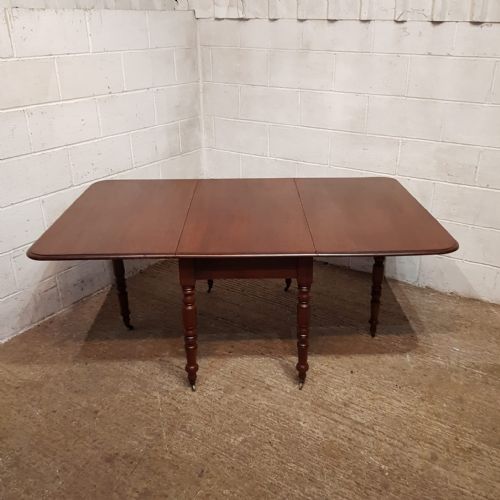
When searching for a regency flap table, buyers encounter versatile furniture designed with hinged leaves that drop down or lift to extend the surface area. These pieces serve multiple functions in domestic spaces, appearing as Pembroke tables, sofa tables, dining tables, and work tables.
The selections span various periods including the Georgian era, the Regency period proper, the William IV and George IV reigns, through to later nineteenth-century interpretations and Edwardian pieces. Mahogany is the predominant wood encountered, alongside rosewood, satinwood, fruitwood, and oak.
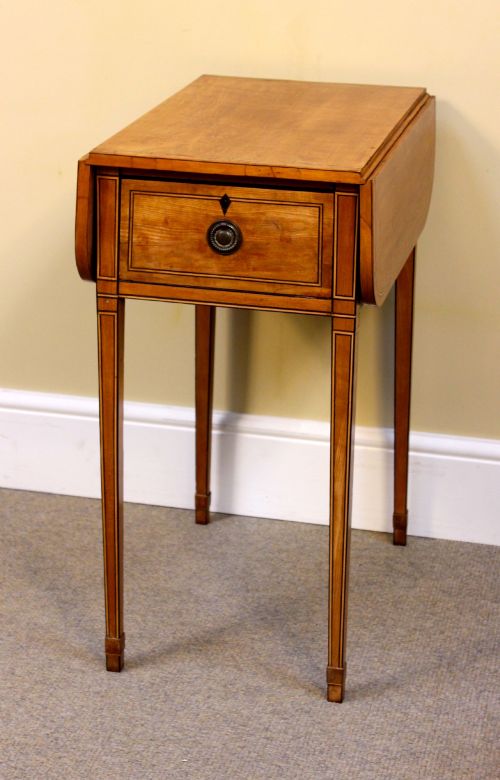
Originating primarily from English workshops, these items often display regional characteristics such as English provincial construction or Scottish craftsmanship. Forms range from small lamp and bedside tables to large six-seater and eight-seater dining surfaces.
Distinguishing build and finish
Superior examples display finely figured timber grain, such as plum pudding mahogany or highly grained rosewood, matched symmetrically across the Pembroke leaves and table top. Finer pieces incorporate precise stringing, parquetry inlay, and original brass hardware rather than later replacements.
Construction standards show in the neatness of the drop-flap hinge joints and the smooth operation of fitted drawers. Better proportioned tables maintain structural stability when the leaves are fully extended.
Listings feature woods including mahogany, rosewood, satinwood, ebony, boxwood, oak, and fruitwood, alongside brass hardware and fabric components.
James Mein Kelso
The Regency Flap Table Glossary
- Pembroke table
- A small rectangular table featuring two hinged drop leaves on opposite sides, typically equipped with one or more drawers. These tables originated in the eighteenth century and remained popular throughout the Regency period.
- Sofa table
- A low, elongated table designed to stand directly in front of a sofa, featuring drop leaves on either end and often twin pedestal supports. They frequently include drawers for sewing or writing materials.
- Crossbanding
- A decorative technique where a border of veneer is applied to the edge of a table top with the grain running perpendicular to the central panel. This creates a contrasting visual frame.
- Drop flap
- A hinged section of a table top that lowers when unsupported and raises horizontally to extend surface space. Brass hinges secure the moving leaf to the fixed centre.
- Stringing
- A narrow inlaid line of contrasting wood, such as ebony or boxwood, set into channels cut into the surface of the timber. It outlines drawers and table tops for decorative emphasis.
Regency Flap Table: Frequently Asked Questions
How do I use a sofa table?
A sofa table is traditionally placed behind or beside a sofa, providing a stable surface for lamps, books, or drinks. The drop leaves allow the table to sit compactly against furniture.
Many examples include drawers originally intended for needlework or correspondence, making them practical for modern living rooms and studies.
How can I tell a Regency table from a Georgian one?
Regency tables often display bolder classical influences, including pedestal bases, brass paw feet, and exotic veneers like rosewood. Georgian pieces tend to favour straight lines and solid mahogany.
Overlaps occur because Regency style developed directly out of the late Georgian period, sharing similar structural forms and drop-flap mechanisms.
What woods were used for these tables?
Mahogany is the primary timber found in these tables, ranging from plain boards to highly figured grains. Rosewood, satinwood, and fruitwood also appear frequently.
Secondary timbers such as oak are often found inside drawer constructions, while ebony and boxwood provide fine inlay details.