

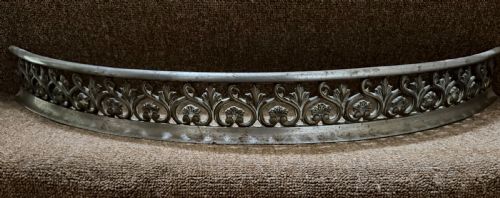


Regency Fire Fender
A regency fire fender frames the hearth with metalwork, keeping stray embers off the floor while anchoring the room's central fireplace.
Regency Fire Fender
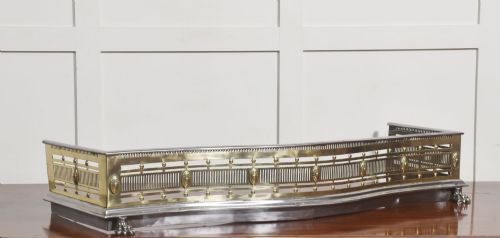
A regency fire fender sits on the hearth to contain ash and sparks from an open fire. Most examples seen here date from the nineteenth century, including the Regency, William IV, and Victorian periods.
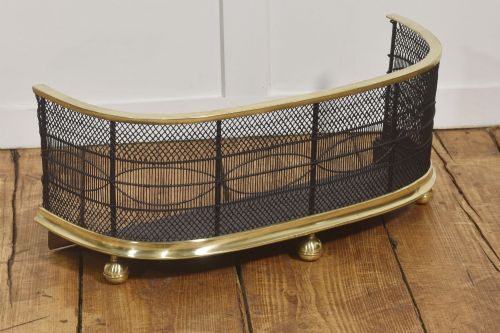
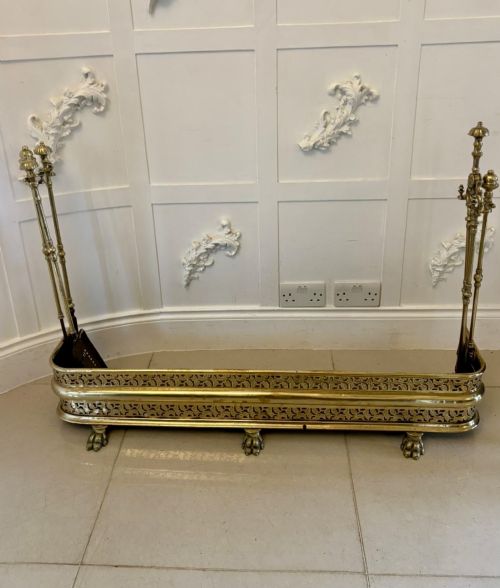
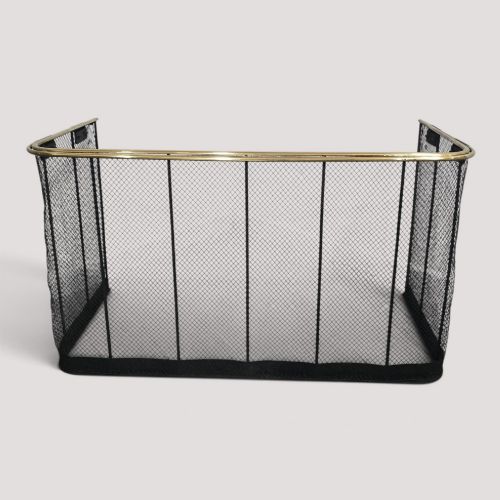
Forms range from simple curved steel curbs to heavy brass frames decorated with lions and garlands. Some versions include integrated fire irons or protective woven wire guards for nurseries.
Makers often drew on classical and neoclassical styles to create these hearth accessories. Buyers meet pieces made during the Georgian and later Victorian eras alongside strict Regency designs.
How they were made
Smiths and metalworkers shaped these fenders using brass, polished steel, iron, and bronze. Many pieces combine a robust iron or steel structural base with decorative cast brass mounts and ornaments.
Finer examples feature woven iron wire mesh panels and finely cast classical style decoration. Makers utilised techniques such as casting, curving, and joining heavy metal sections to fit domestic hearths.
Regency Fire Fender Retail Price Guide 2026
Typical asking prices for regency fire fender among the pieces listed under this phrase on Sellingantiques today, from the lower quarter to the upper quarter. They describe what is for sale here now, not the wider market.
Listings feature nineteen-century pieces spanning the Regency, William IV, and Victorian periods, constructed from brass, steel, iron, and bronze.
What varies in quality
The distinction between standard hearth guards and top-tier pieces lies in the crispness of the casting and the weight of the metal. Heavier brass frames and finely detailed classical decorations indicate superior workshop production.
The choice of materials also alters the character of a fender, with polished steel and bronze offering a different visual weight compared to plain brass or woven wire.
The Regency Fire Fender Glossary
- Fender
- A low metal guard placed in front of an open fireplace to contain falling coals and sparks. It forms the primary barrier between the hearth and the room.
- Curb
- The structural border or frame of a fireplace fender that sits directly on the floor. Early nineteenth-century curbs often feature curved profiles.
- Fire guard
- A protective barrier, sometimes made of woven iron wire, designed to prevent children or clothing from getting too close to the flames. These often include tall frames.
- Neoclassical
- A design style drawing on classical antiquity, frequently seen in the crisp decorative casting of these metal furnishings. It is characteristic of the Regency period.
Regency Fire Fender: Frequently Asked Questions
What is a regency fire fender used for?
A regency fire fender sits on the hearth to keep burning coals and stray embers safely contained within the fireplace opening. It provides a functional barrier between the open fire and the room's floor coverings.
Beyond safety, these metal guards frame the hearth and define the proportions of the fireplace. They were standard domestic fixtures in nineteenth-century homes.
How do I measure for a fender?
Measure the width and depth of your hearth stone to ensure the metal curb sits comfortably within the available floor space. Account for the clearance needed in front of the fireplace opening.
Check the internal dimensions of the fender against the width of your grate or fire basket. The piece should frame the hearth without obstructing fireplace tools or ash removal.
Are these fenders made of solid brass?
Many examples feature heavy cast or polished brass components, often combined with iron or steel structural frames. This mixed construction provided both decorative warmth and structural rigidity.
Lighter nursery guards utilised iron wire mesh alongside brass frames to ensure safety without excessive weight. Each material combination reflects the specific period and intended function.