



Regency Fainting Sofa
A regency fainting sofa is a classic daybed built for reclining in comfort, bringing immediate architectural elegance to a room.
Regency Fainting Sofa
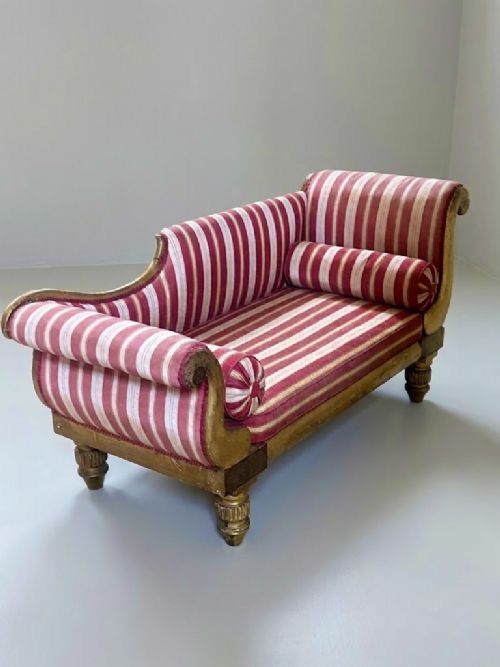
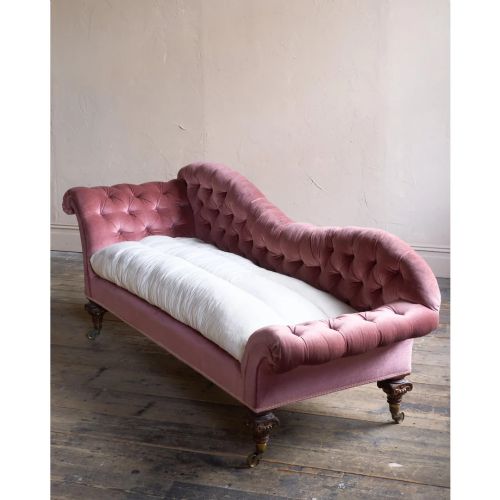
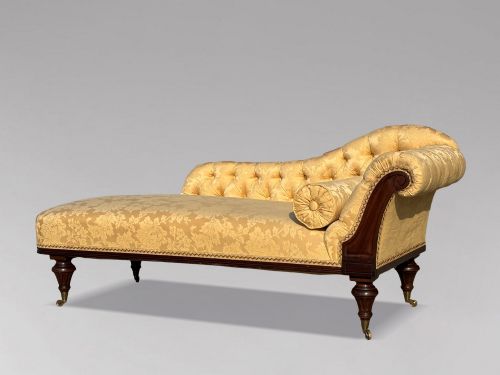
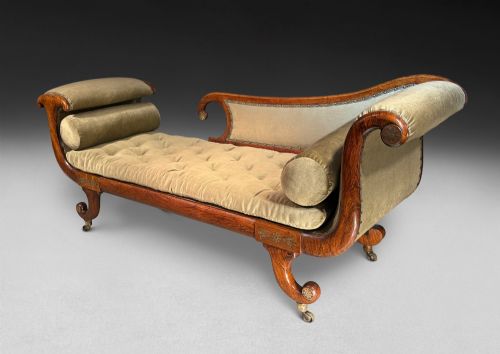
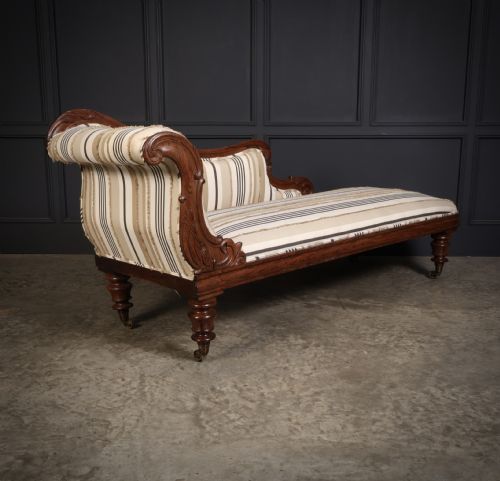
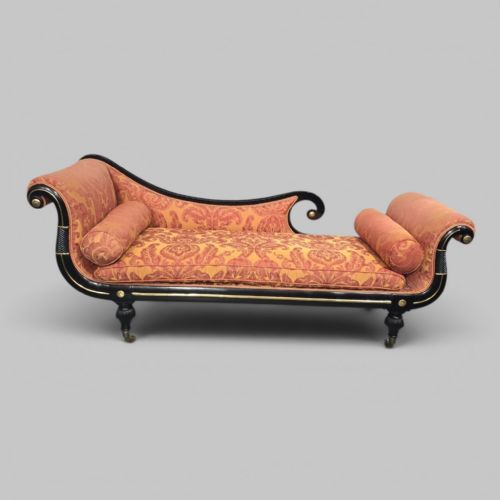
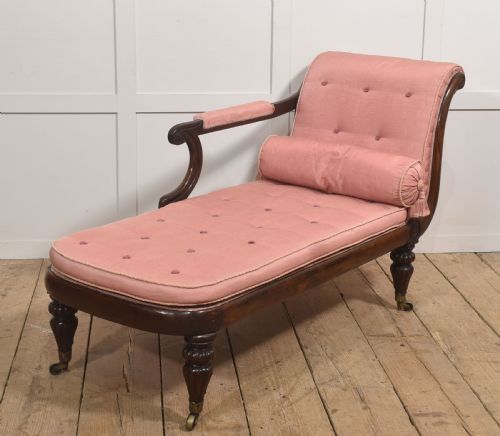
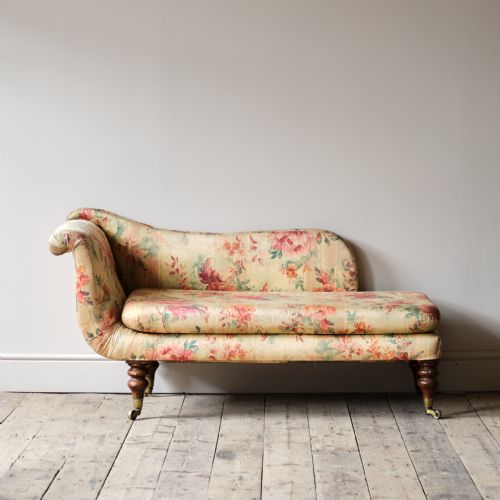
A regency fainting sofa takes the form of a chaise longue, daybed or scroll arm sofa designed for daytime reclining. These pieces emerge predominantly from the nineteenth century, spanning the Regency and William IV periods, alongside later Victorian and mid twentieth century interpretations.
The most common iterations on this page feature rich timber frames, notably mahogany and rosewood, paired with upholstered seating. Makers shaped these daybeds with characteristic scroll arms, ionic column legs and daybed frames intended to anchor a formal drawing room or library.
Alongside standard chaise longues, buyers will encounter specific regional variants and occasional eccentric departures such as surrealist daybeds. Each piece maintains the elongated silhouette necessary for horizontal repose while reflecting the prevailing neoclassical tastes of its decade.
What varies in quality
Quality rests upon the purity of the timber grain, the crispness of brass inlay and the sophistication of carved architectural elements like ionic column legs. Finer examples display meticulous joinery and harmonious proportions that elevate them above standard workshop production.
The choice and execution of original upholstery materials also dictate the distinction between ordinary and exceptional pieces. Surviving silk, velvet or cane seating in prime condition significantly enhances the historical integrity of the furniture.
Regency Fainting Sofa Retail Price Guide 2026
Typical asking prices for regency fainting sofa among the pieces listed under this phrase on Sellingantiques today, from the lower quarter to the upper quarter. They describe what is for sale here now, not the wider market.
Listings feature nineteenth-century items predominantly in mahogany and rosewood, alongside twentieth-century surrealist daybeds.
Gillows·Willian Trotter·Syrie Maugham
The Regency Fainting Sofa Glossary
- Chaise Longue
- An elongated chair for reclining, combining the characteristics of a chair and a couch. This form dominates the seating arrangements of the period.
- Récamier
- A type of daybed with two raised ends, named after the French society figure Madame Récamier. These pieces offer balanced symmetry compared to single-ended chaises.
- Giltwood
- Wood that has been treated with gold leaf or a gold-coloured finish. This technique was reserved for the most opulent salon furniture.
- Scroll Arm
- A curved armrest shaped like a rolled scroll, providing ergonomic support and classical decorative flair. It is a defining feature of nineteenth-century daybeds.
- Cane Seating
- Woven rattan material used to form a resilient and breathable seat base. It appears on select daybeds for a lighter visual weight.
Regency Fainting Sofa: Frequently Asked Questions
What is the difference between Regency and William IV styles?
Regency pieces lean towards refined neoclassical lines, delicate brass inlay and lighter proportions inspired by ancient Greece and Rome. They often feature slender tapered or column legs.
William IV furniture tends to be heavier and more robust, displaying bolder carved mahogany or rosewood elements and deeper mouldings that signal early Victorian solidity.
Are these daybeds comfortable for sleeping?
Most pieces are built for daytime lounging rather than full overnight rest, featuring a single raised end and a fixed upholstered back. The narrow width encourages sideways reclining.
Cushion firmness varies depending on whether the internal webbing and padding have been historically restored or kept in original condition.
How do I care for antique rosewood frames?
Keep timber surfaces away from direct sunlight and radiators to prevent the dense grain from drying out or splitting. Gentle dusting with a dry cloth preserves the polished finish.
Avoid chemical polishes and consult a specialist restorer if the brass inlay or delicate carved wooden joints require attention over time.