





Regency Era Art
Regency era art captures a period of portraiture, landscape and narrative works spanning the late eighteenth and early nineteenth centuries.
Regency Era Art
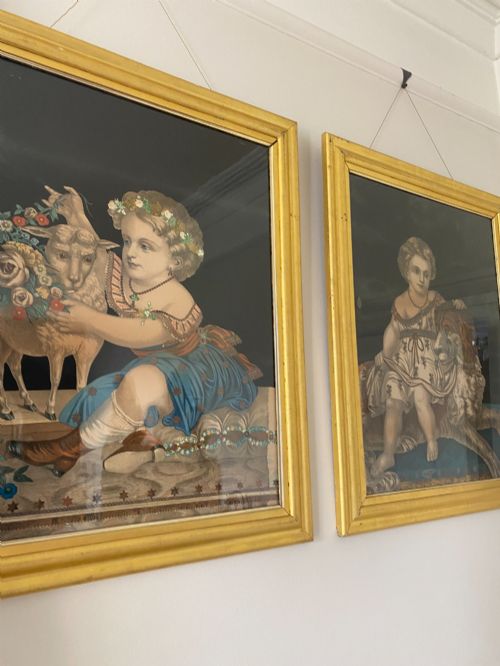
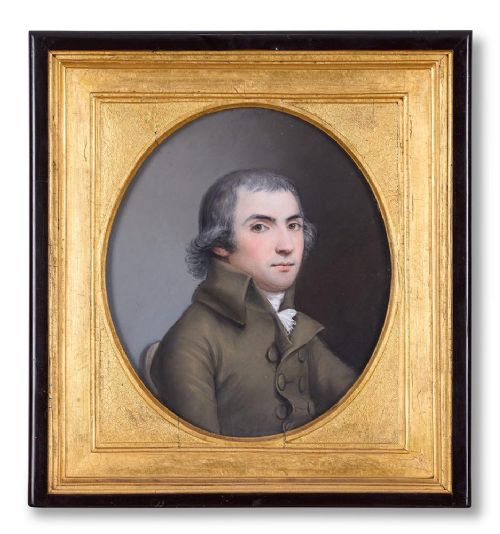
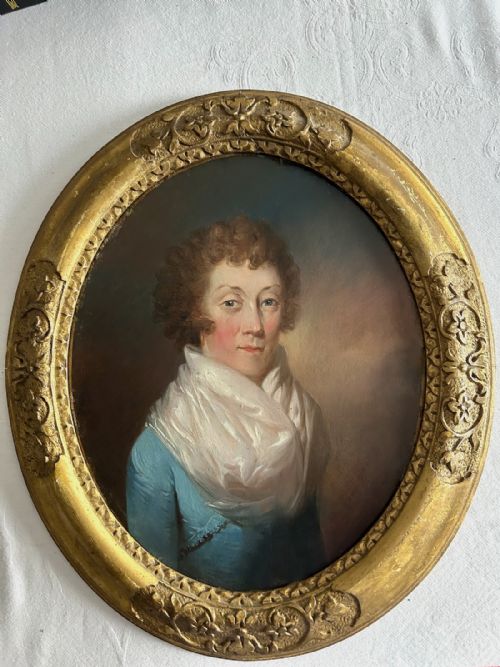
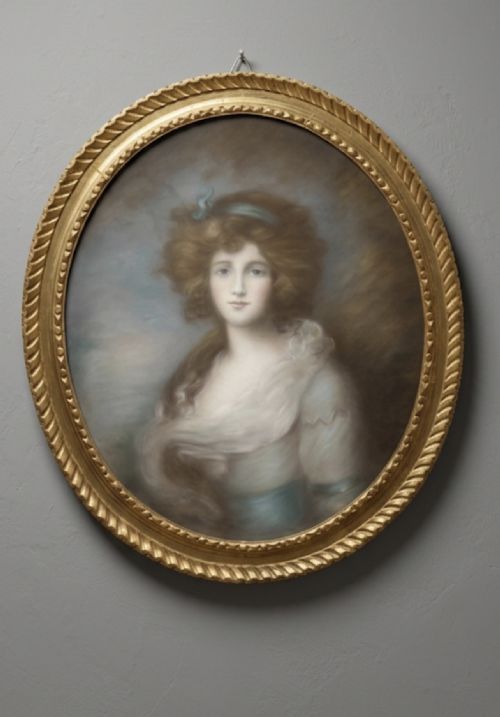
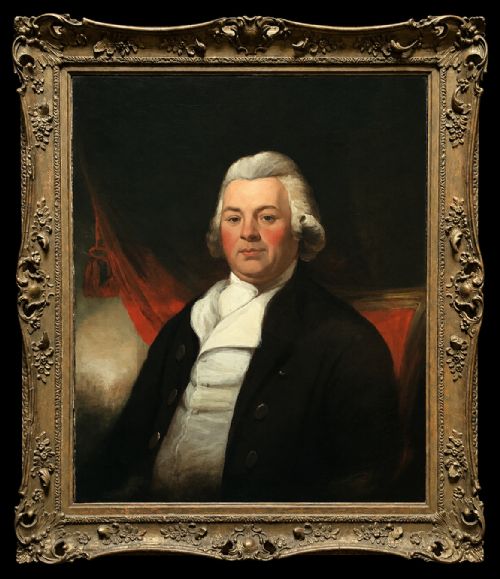
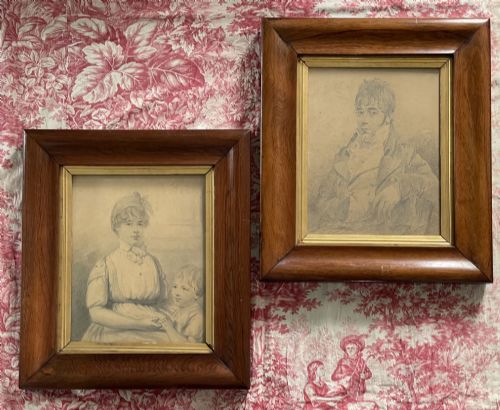
When you search for regency era art, you encounter a selection spanning oil on canvas, watercolours, pastels, pencil sketches and engravings. Portraiture dominates the selection, depicting gentlemen, ladies and children from the Regency period alongside animal studies and landscapes.
The works originate predominantly from the nineteenth century and the Georgian era, with occasional French school pieces and regional British works such as Norwich School landscapes. Formats range from intimate miniature watercolours to large oil paintings housed in original giltwood frames.
How they were made
The mediums recorded in the listings combine oil on canvas and wood panel with delicate works on paper using watercolour, gouache, pastel, graphite and pencil. Painters layered oil paints to build depth in portraits and landscapes, while sketch artists relied on fine pencil lines augmented with washes of colour.
Framing materials include carved giltwood and gold leaf applied to wooden surrounds, alongside specialised enclosures such as gilded circular frames and metal embellishments on prints. Support structures utilise traditional timber panels and heavy woven canvas stretched over wooden frames.
Regency Era Art Retail Price Guide 2026
Typical asking prices for regency era art among the pieces listed under this phrase on Sellingantiques today, from the lower quarter to the upper quarter. They describe what is for sale here now, not the wider market.
Listings feature paper, glass, oil on canvas, giltwood, wood, watercolour, gilt wood and gold leaf.
What varies in quality
The integrity of the original medium and frame dictates the standard of survival. Intact pigments on panel or canvas, original gold leaf on giltwood frames and legible signatures or attributions elevate specific examples above standard decorative prints and drawings.
Anna Tonelli·Thomas Gainsborough·Samuel Raven·George Watson·Sir Thomas Lawrence·James Ward Ra·George Perfect Harding·William Robinson·John Opie·Stephanus Chiantor·Henry Hoppner Meyer·John Russell Ra·George Clint
The Regency Era Art Glossary
- Regency
- The period in British history from 1811 to 1820, though the stylistic label often extends to cover the wider decorative and fine arts of the early nineteenth century. It is characterised by neoclassical influence and refined portraiture.
- Giltwood
- Wood that has been coated with gold leaf or gold paint, commonly utilised for picture frames during the Georgian and Regency periods. The technique provides a bright, reflective border for oil paintings and watercolours.
- Gouache
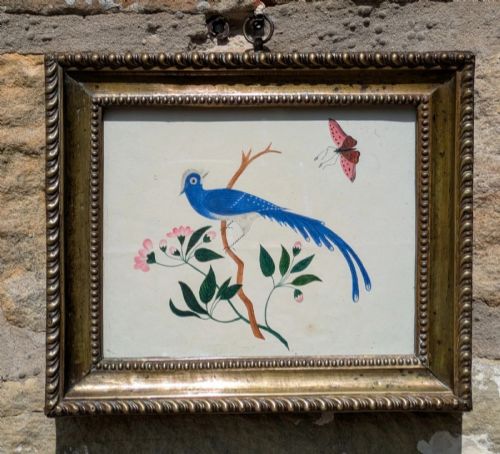
- An opaque watercolour medium composed of ground pigments mixed with water and a binding agent such as gum, producing a heavier and more solid finish than transparent watercolour. It appears frequently in nineteenth-century portrait miniatures.
- Norwich School
- The first provincial art movement in Britain, founded in Norfolk during the early nineteenth century and known for local landscape painting. Artists within this circle captured regional scenery on canvas and wood panel.
- Pastel
- A dry medium formed of powdered pigment and a binder, shaped into sticks and applied directly to paper to create portraits with soft tonal gradations. These works require protective glass glazing to prevent the pigment from smudging.
Regency Era Art: Frequently Asked Questions
What subjects are common in regency era art?
Portraits of individuals, including gentlemen, ladies, military officers and children, form the majority of the works. Landscapes, architectural views of abbeys and animal studies of hounds also appear frequently.
Artists frequently recorded notable public figures, theatrical performers and family groups, capturing the fashions and domestic life of the early nineteenth century through oil paint and works on paper.
How do I care for works on paper?
Watercolours, pastels and pencil drawings require protection from direct sunlight to prevent the fading of delicate pigments and paper discolouration. Framing behind UV-resistant glass helps preserve the integrity of these fragile mediums.
Maintaining stable indoor humidity levels prevents warping of the paper and damage to historical frames. Avoid hanging works in damp environments or areas subject to rapid temperature fluctuations.
Are these pieces in original frames?
Many listings retain period frames, such as giltwood surrounds or gilded circular mouldings appropriate to the early nineteenth century. These housings complement the aesthetic of the artwork and add historical context.
Some works may have been reframed later in their lifespan to ensure structural stability or to match changing interior tastes. Inspecting the joinery and backing boards helps determine whether a frame is contemporaneous with the artwork.
How can I tell a sketch from a print?
Close examination under magnification reveals the presence of hand-applied brushstrokes, graphite lines or pastel dust characteristic of original drawings. Prints typically display uniform dot patterns, plate marks or ink layering associated with reproduction techniques.
Original works on paper often show slight indentations from pencils or nibs, along with variations in pigment density that do not occur in mechanical print runs.