


Regency Dresser
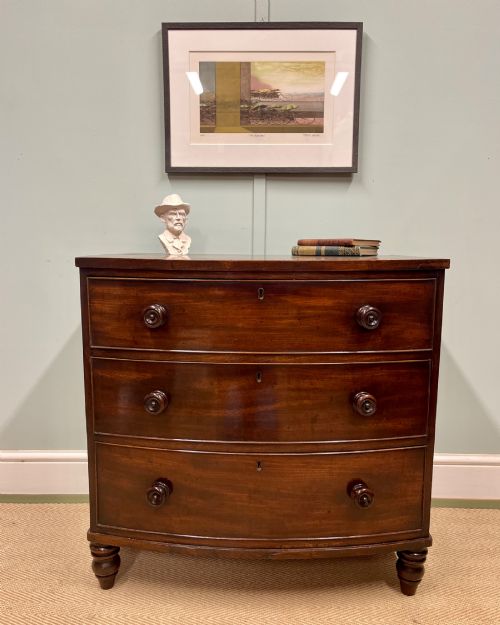
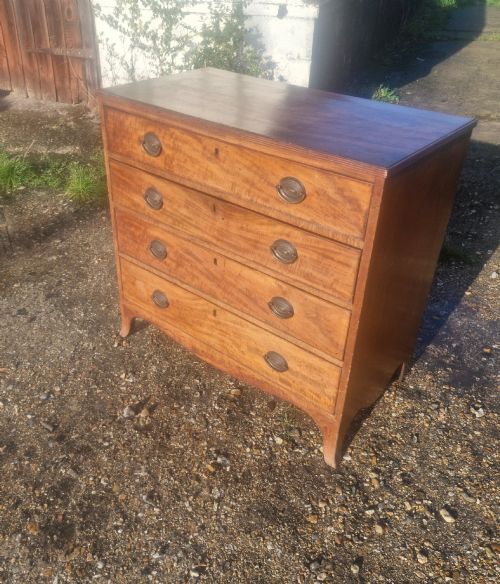
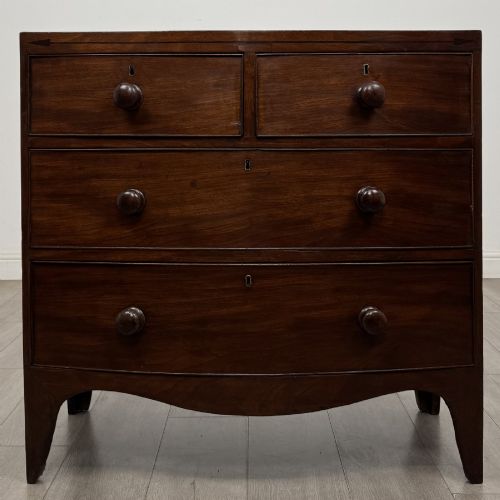
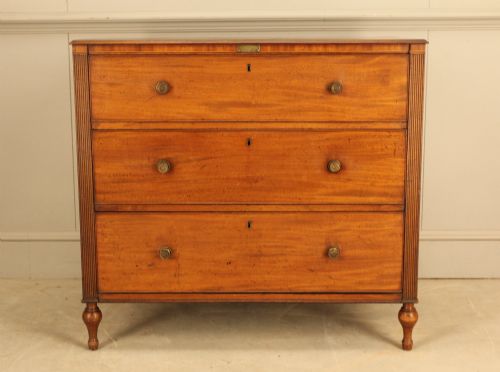
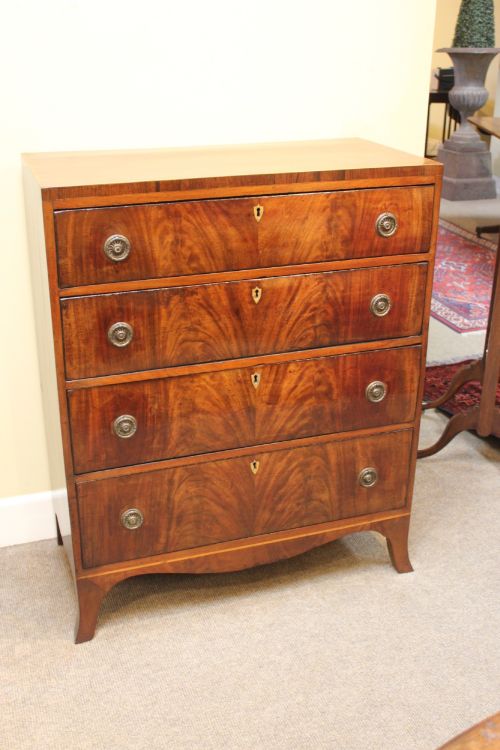
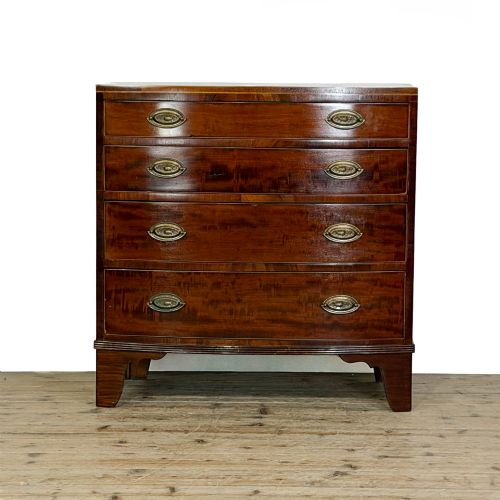
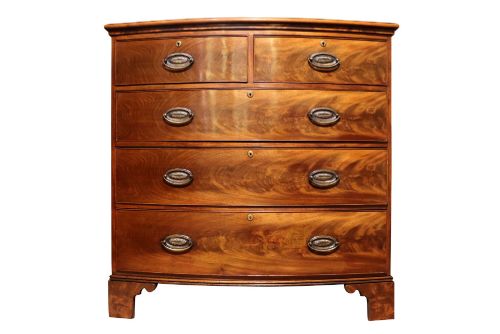
These pieces sold as a regency dresser are sturdy chests of drawers and sideboards that bring classic timber grain into a room.
Regency Dresser
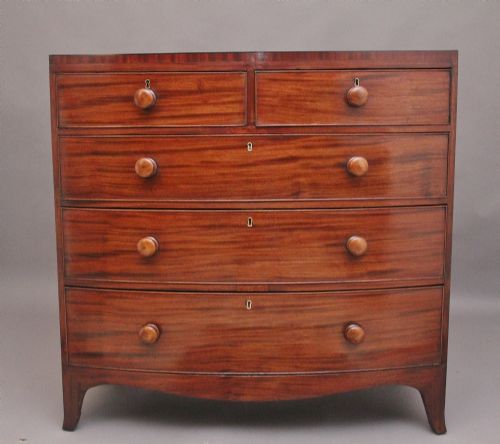
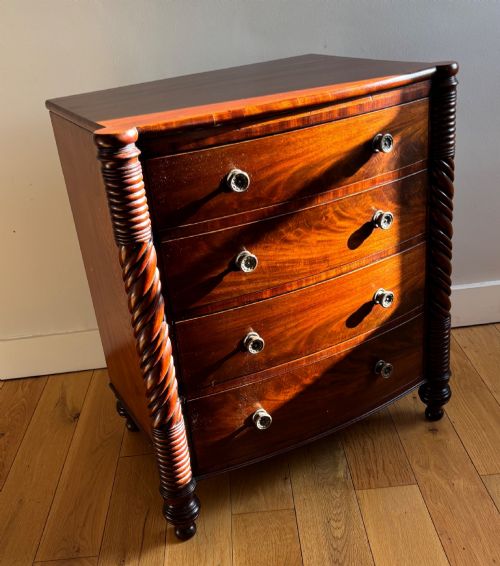
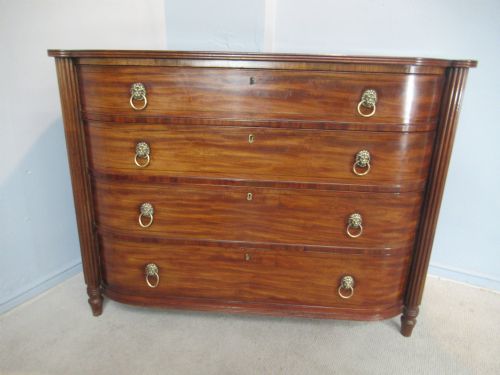
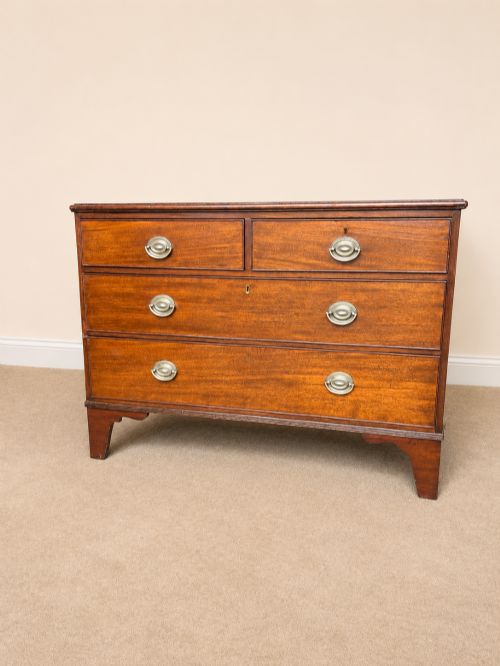
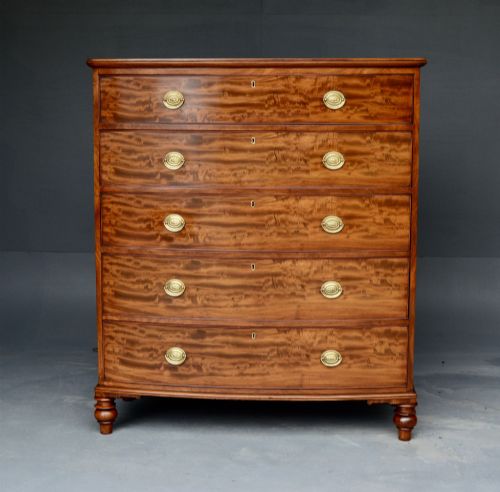
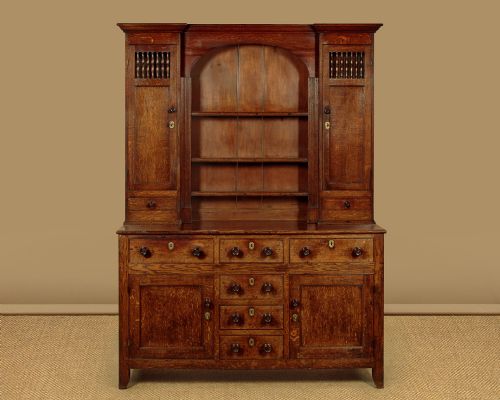
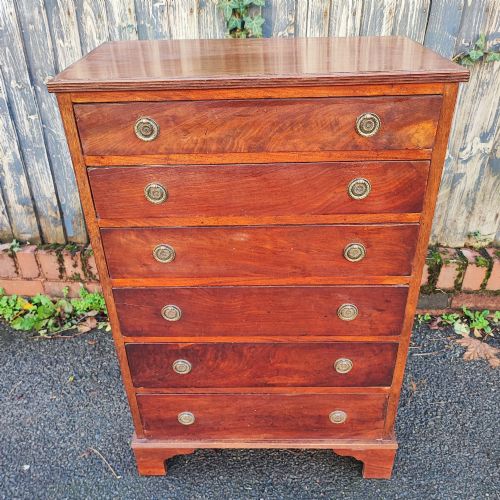
A regency dresser search brings up robust chests of drawers and sideboards spanning the nineteenth century and earlier Georgian periods. Buyers generally meet bow-fronted timber forms fitted with multiple drawers and standing on short feet or brackets.
The selection includes pieces in mahogany, flame mahogany veneer, and painted pine, often showing distinct regional cabinet-making traits. Scottish and Welsh examples appear alongside English designs.
Makers utilised various scales, ranging from small neat bedside proportions up to large multi-drawer bedroom chests and formal dining room sideboards.
Materials and construction
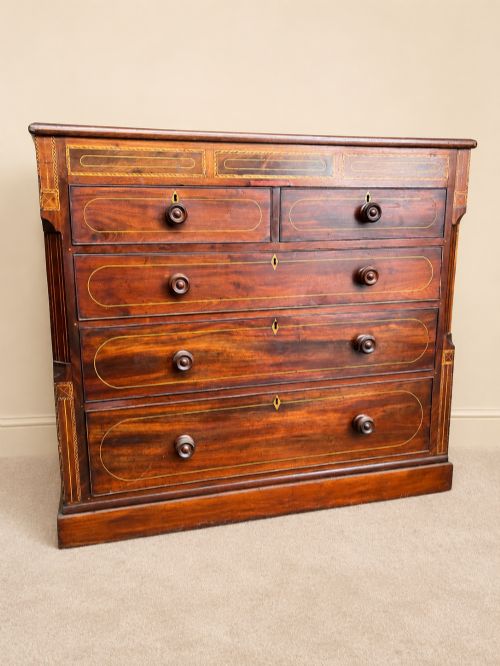
Cabinet makers built these pieces using solid timbers like mahogany, oak, and pine, frequently applying decorative flame mahogany or satinwood veneers across the drawer fronts. Brass handles and working keys provided the primary functional hardware.
Many items feature specialist details such as crossbanding, secret drawers, and tongue and groove linings. Painted pine surfaces also occur among the listed examples.
Regency Dresser Retail Price Guide 2026
Typical asking prices for regency dresser among the pieces listed under this phrase on Sellingantiques today, from the lower quarter to the upper quarter. They describe what is for sale here now, not the wider market.
The listings span the eighteenth, nineteenth, and early twentieth centuries, featuring materials from solid mahogany and oak to painted pine and brass.
Judging the standard
Quality rests upon the selection of timber figures, such as the richness of flame mahogany veneers and the precision of satinwood crossbanding. Finer examples display harmonious proportions and careful alignment of drawer tiers.
The integrity of original brass handles, working locks, and secondary timbers like oak linings distinguish superior pieces from later reproductions or heavily altered items.
T & G Seddon
The Regency Dresser Glossary
- Bow front
- A convex curved cabinet front that projects outward in a smooth arc. This shape became especially popular during the Regency period.
- Crossbanding
- A narrow strip of veneer laid around the border of a drawer or top, with the grain running perpendicular to the main panel. This technique frames the primary timber.
- Sideboard
- A long dining room cabinet used for serving food and storing tableware. The listings include examples from the Regency era.
- Commode
- A low piece of decorative furniture containing drawers or doors. The term often applies to French-influenced or Empire style chests.
Regency Dresser: Frequently Asked Questions
What is a regency dresser?
A regency dresser refers to chests of drawers and sideboards made during the early nineteenth century and related stylistic periods. They serve as practical bedroom or living space storage.
These items typically showcase curved bow fronts and rich mahogany or painted pine surfaces.
Where were these pieces made?
The listings include pieces originating from English workshops alongside regional Scottish and Welsh examples. Each region applied distinct construction methods, such as oak drawer linings in northern pieces.
Town and country makers adapted prevailing classical styles to suit local timber supplies.
How do I care for mahogany furniture?
Keep timber pieces away from direct sunlight and steady heat sources to prevent the mahogany and its veneers from drying out. Dust regularly with a dry cloth and apply occasional wax polish to maintain the finish.
Ensure brass handles and working locks are handled gently during daily use.