





Regency Decorative Vase
Regency decorative vases bring classical antiquity and rich neoclassical design straight into a room through bronze, porcelain and ironstone.
Regency Decorative Vase
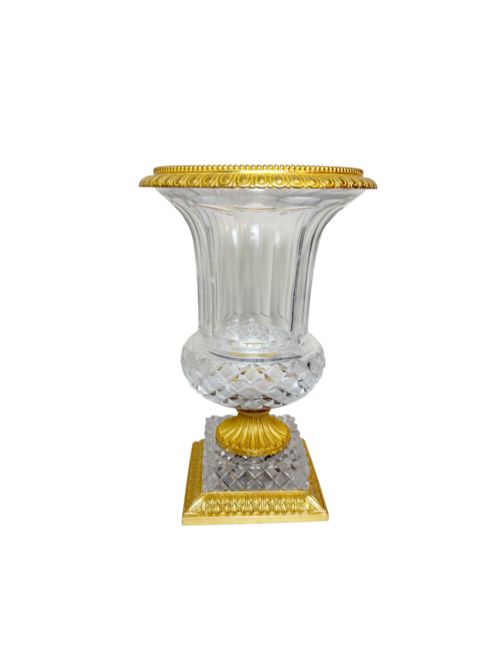
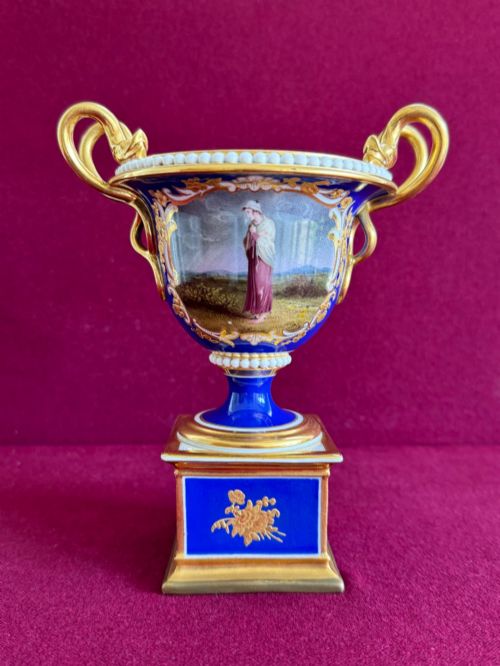
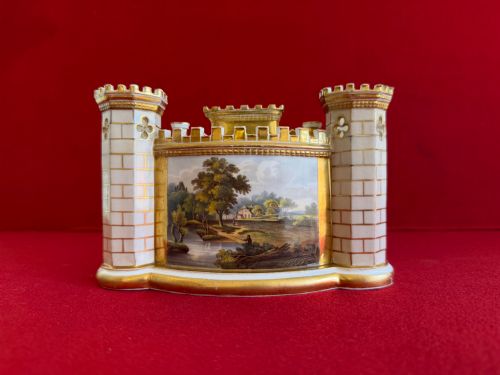
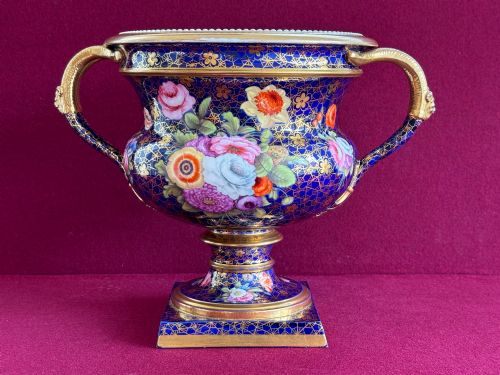
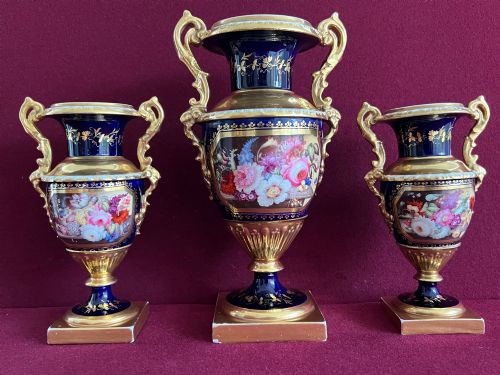
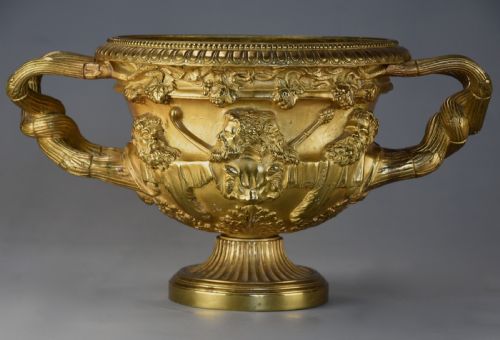
A regency decorative vase channels the grand archaeological discoveries and classical tastes of the early nineteenth century. Collectors find these pieces take the form of campagna urns, two-handled vessels, and grand Warwick vase reductions meant for prominent display.
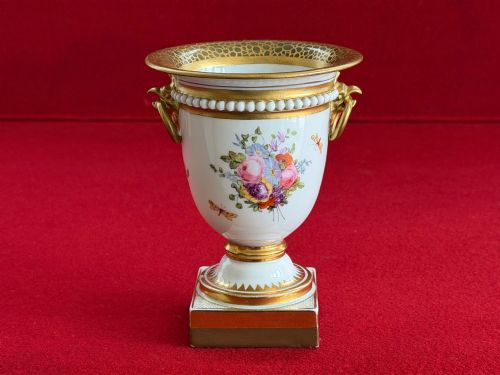
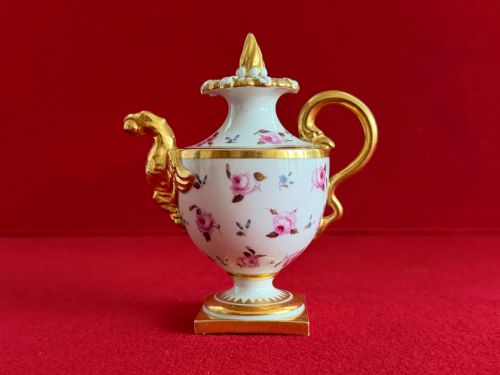
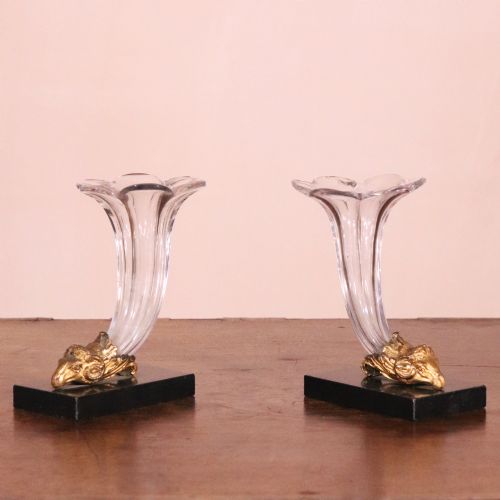
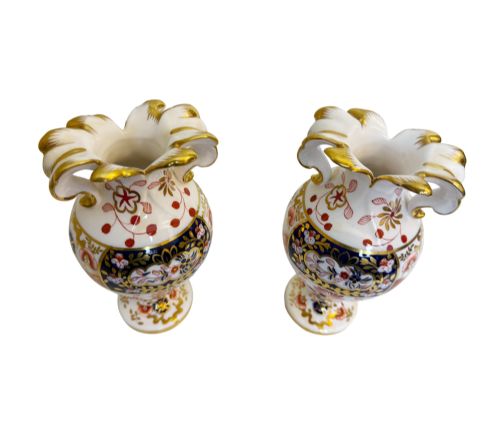
The selection ranges from early nineteenth-century porcelain rose water sprinklers and ironstone potpourris to cast bronze ewers and gilt bronze cornucopias. Makers such as Flight, Barr and Barr, Spode, and Mason's dominate the porcelain and ironstone offerings.
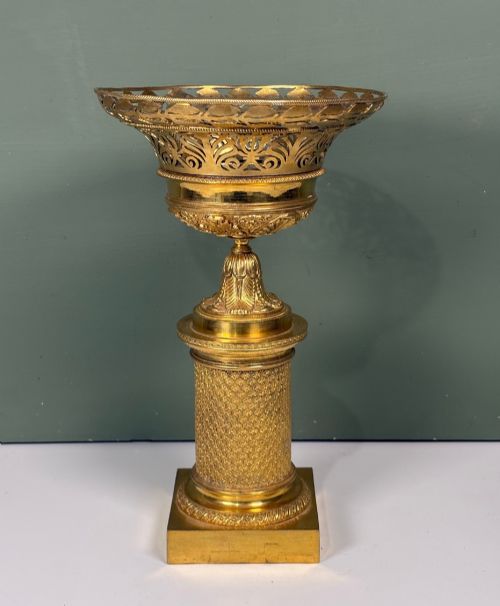
Many examples reflect the prevailing neoclassical and empire styles through acanthus leaf motifs, hand-painted details, and rich gilding. Pieces span the regency, georgian, and broader nineteenth-century periods, including later Victorian revivals.
Materials and construction methods
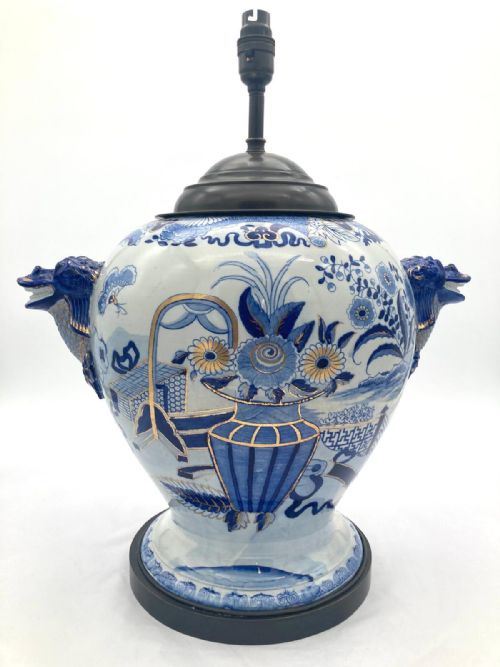
Potteries utilised fine porcelain, ironstone, and ceramic bodies, often decorated with hand-painting, imari palettes, and gold leaf highlights. Ironstone provided a durable, heavy body capable of holding complex chinoiserie and classical motifs.
Metalworkers employed bronze, gilt bronze, ormolu, and toleware, frequently casting vessels in distinct sections and mounting them upon marble plinths. Pewter and glass also appear, reflecting the diverse manufacturing techniques of the era.
Regency Decorative Vase Retail Price Guide 2026
Typical asking prices for regency decorative vase among the pieces listed under this phrase on Sellingantiques today, from the lower quarter to the upper quarter. They describe what is for sale here now, not the wider market.
Listings feature porcelain, ironstone, bronze, and gilt bronze, spanning the regency, georgian, and nineteenth-century periods.
Judging quality and execution
Quality rests primarily in the crispness of the casting for bronzes and the precision of the hand-painting upon porcelain surfaces. Finer vessels show deliberate attention to classical proportions and intricate detail in motifs like acanthus leaves.
The depth and application of gilding or gold leaf elevate certain pieces above standard production wares. Marked factory pieces from established potteries generally demonstrate superior ceramic bodies and more accomplished artistic execution.
Flight, Barr and Barr·Barr, Flight and Barr·Spode·Hicks and Meigh·Miles Mason·Mason's·Coalport·Thomas Lowe
The Regency Decorative Vase Glossary
- Campagna urn
- A bell-shaped vessel with a footed base and flared rim, named after excavations near Rome. These forms were widely copied in porcelain and bronze during the period.
- Ormolu
- Finely ground high-carat gold applied to a bronze base using a mercury amalgamation technique. It provides a rich, warm metallic finish on decorative mounts.
- Ironstone
- A patented heavy earthenware developed in the early nineteenth century to imitate Chinese porcelain. It offers exceptional durability for large decorative vases and potpourris.
- Imari
- A decorative style inspired by Japanese export porcelain, featuring a distinct palette of underglaze blue, iron red, and gilt. British makers frequently adopted this aesthetic.
Regency Decorative Vase: Frequently Asked Questions
How were these vases originally used?
Most of these vessels served as architectural ornaments, potpourri containers, or grand centrepieces rather than functional flower holders. Covered urns often held dried scented herbs to perfume formal rooms.
Some porcelain pieces functioned as rose water sprinklers for dining tables, while others were later converted into table lamps during subsequent decades.
How do I care for antique bronze and porcelain?
Bronze and ormolu pieces require only gentle dusting with a soft, dry cloth to prevent the accumulation of grit. Avoid chemical polishes that can strip the original patination and gilt surfaces.
Porcelain and ironstone can be cleaned with a damp cloth if handled with extreme care, particularly around delicate hand-painted or gilt areas.
How can I tell a regency piece from a Victorian revival?
Regency pieces typically exhibit the restrained, archaeological purity of the early nineteenth century, often marked by specific period potteries. Victorian revivals from the 1860s and 1880s sometimes employ heavier proportions or denser ornamentation.
Examining the paste of ceramics, the quality of gilding, and any factory marks helps establish the correct decade of manufacture.