





Regency Decorated Table
A regency decorated table brings crisp classical lines and meticulous surface work into a room.
Regency Decorated Table
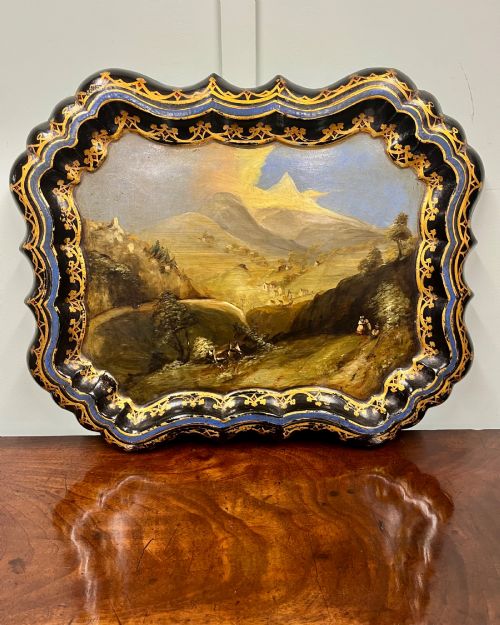
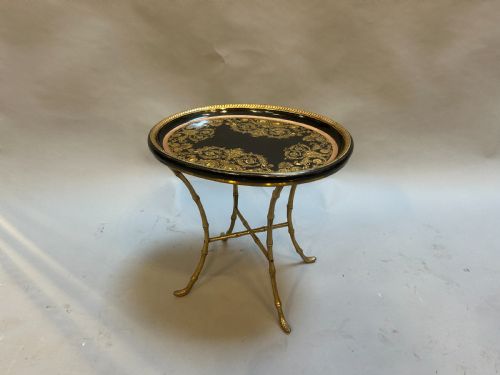
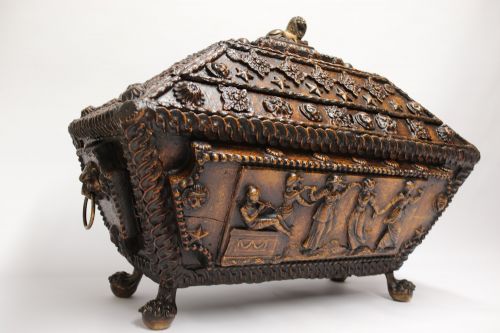
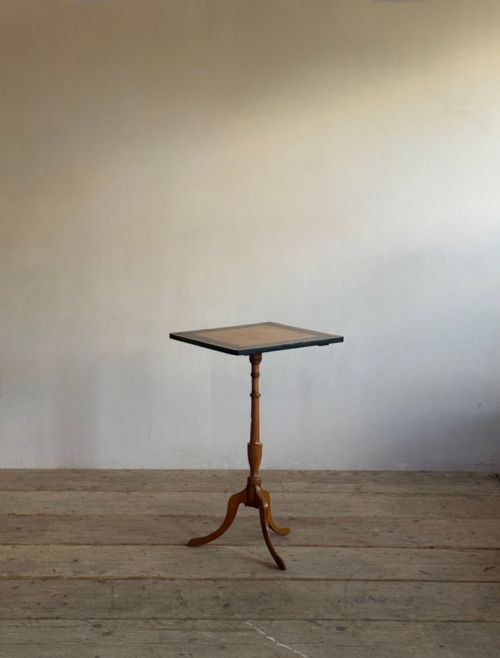
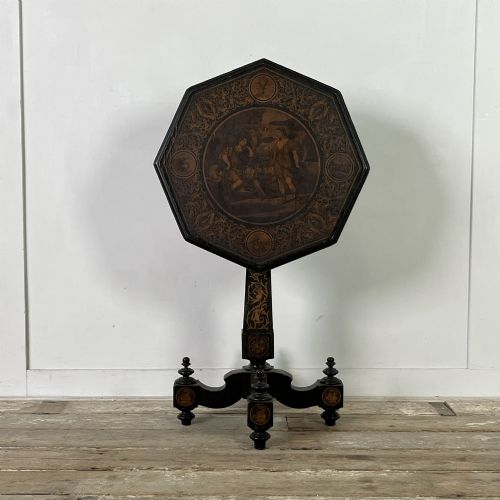
A regency decorated table combines the architectural forms of the early nineteenth century with detailed surface ornament, ranging from geometric penwork to glossy black lacquer. These pieces include nests of tables, tilt-top occasional pieces, and card tables designed for drawing rooms and parlours.
The versions most commonly found here cross genuine Regency production with later revivals from the early twentieth century. They draw on Chinoiserie motifs, brass inlay, and ink work applied to mahogany and gesso.
How they were made
Makers built these tables primarily in mahogany and other dense hardwoods, preparing the surfaces with gesso or layers of black lacquer to receive fine ornamentation. Artisans applied intricate details using penwork, gold leaf, and brass inlay set flush into the timber.
Surface decoration required steady hands for ink work and Chinoiserie scenes, often sealing the delicate motifs beneath clear varnishes to protect the pigment on occasional and card tables.
Regency Decorated Table Retail Price Guide 2026
Typical asking prices for regency decorated table among the pieces listed under this phrase on Sellingantiques today, from the lower quarter to the upper quarter. They describe what is for sale here now, not the wider market.
Listings feature mahogany, brass, lacquer, and gold leaf applied across occasional, card, and nesting tables from the Regency and Georgian periods.
What varies in quality
Quality rests in the precision of the surface drawing and the crispness of the brass inlay, where finer examples maintain sharp lines without blurring or lifting. The depth and clarity of the black lacquer or penwork separate standard production from superior work.
Proportion and structural joinery also dictate value, particularly in complex forms like nesting sets or tilting mechanisms where stability must match decorative ambition.
George Orpwood
The Regency Decorated Table Glossary
- Penwork
- A decorative technique using fine India ink applied with a quill to create intricate monochrome designs resembling engravings on a pale wood ground.
- Chinoiserie
- European artistic interpretations of Chinese and East Asian artistic traditions, frequently expressed through figures, pagodas, and landscapes on lacquer furniture.
- Gesso
- A plaster-like mixture applied to wood surfaces as a smooth base for gilding, painting, or low-relief moulding.
- Lacquer
- A durable resin finish built up in multiple layers and polished to a high gloss, characteristic of Asian-inspired furnishings.
Regency Decorated Table: Frequently Asked Questions
What is a regency decorated table?
A regency decorated table is an occasional, card, or nesting table from the early nineteenth century or its later revivals, distinguished by surface embellishments such as penwork, lacquer, or brass inlay.
These pieces served functional roles in period drawing rooms while displaying the refined ornamental tastes of the era.
How do I care for lacquer surfaces?
Lacquer surfaces require gentle dusting with a soft, dry cloth and protection from direct sunlight and excessive heat to prevent cracking or fading.
Avoid chemical polishes and moisture, as old lacquer finishes can be sensitive to harsh cleaning agents.
Are these tables sturdy enough for daily use?
Most occasional and card tables were built for light social use, such as holding books or playing games, rather than heavy loads.
Careful handling of tilt mechanisms and nesting legs ensures these decorative items remain stable in a modern home.
How do I distinguish penwork from print transfers?
Penwork exhibits the subtle variations of hand-drawn ink under magnification, showing minute overlaps and hand-applied hatching.
Printed or stamped imitations lack the depth and individual character of genuine quill-drawn decoration.