

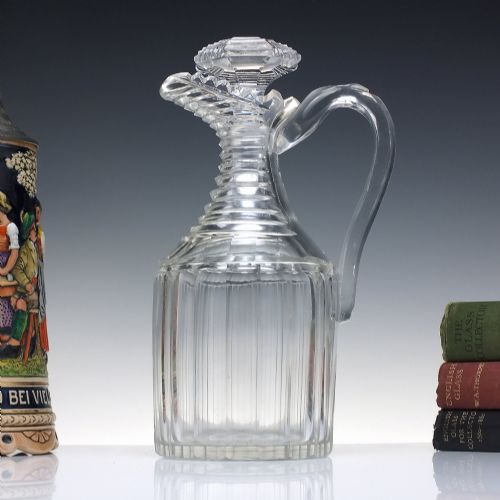
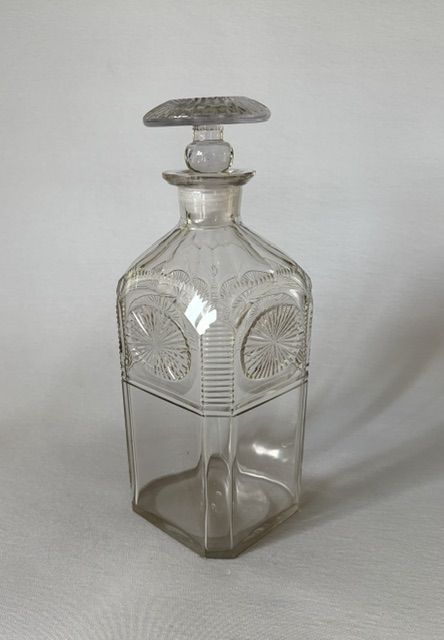
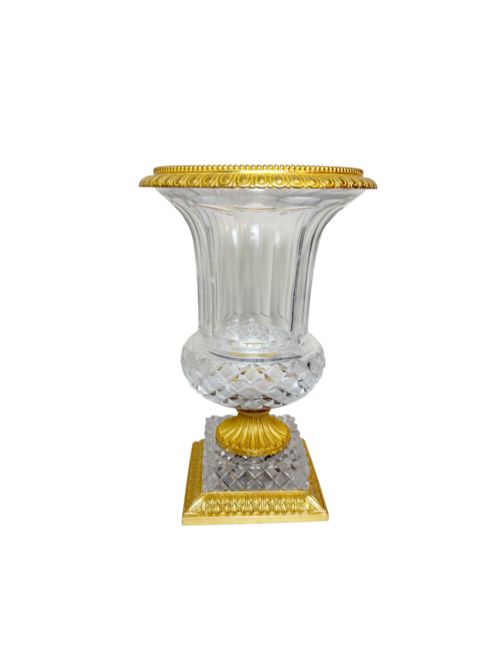
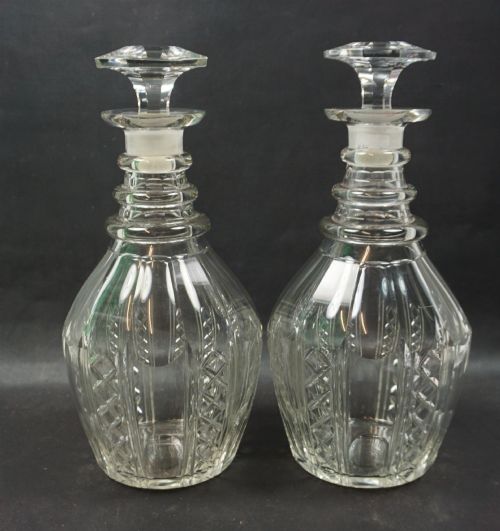
Regency Crystal Glass
Regency crystal glass brings together heavy lead-cut vessels and glittering chandeliers that catch candlelight with exceptional brilliance.
Regency Crystal Glass
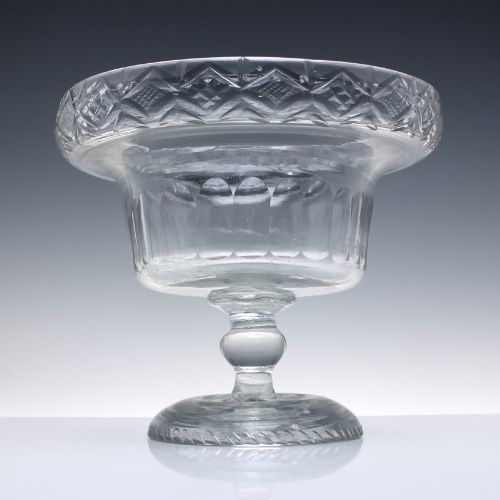
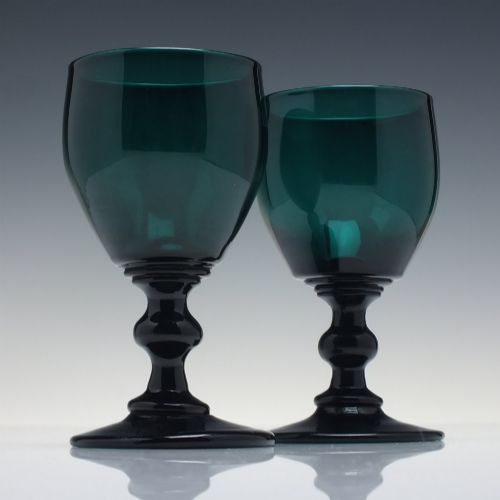
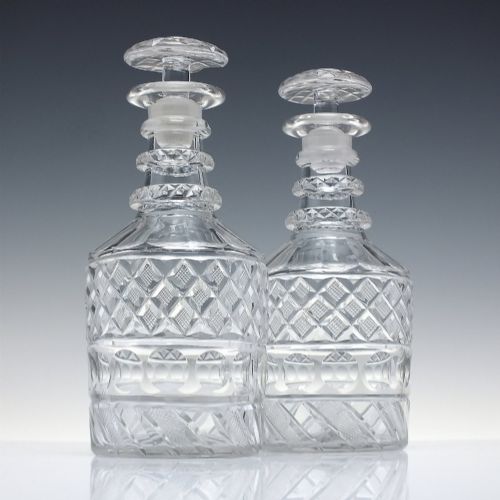
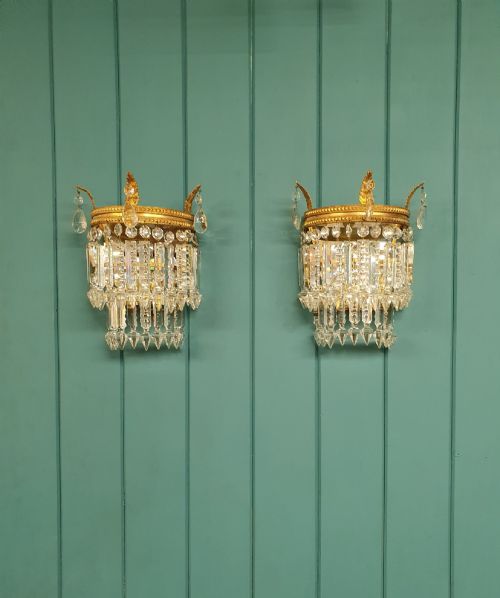
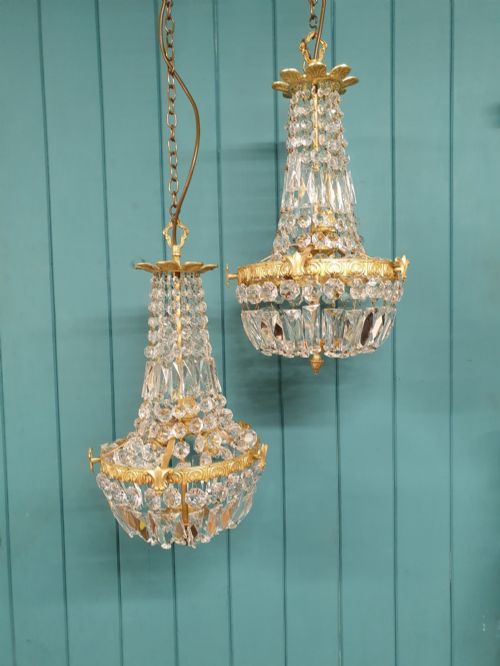
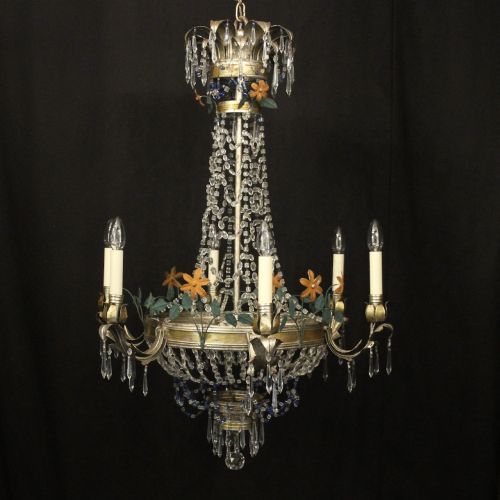
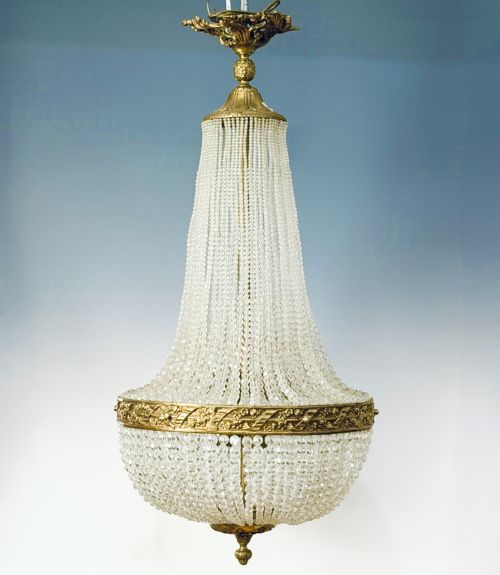
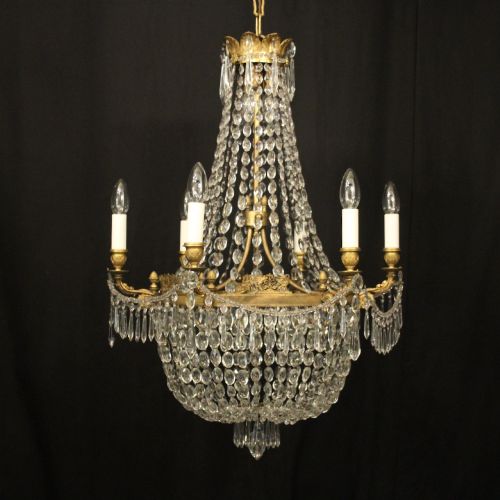
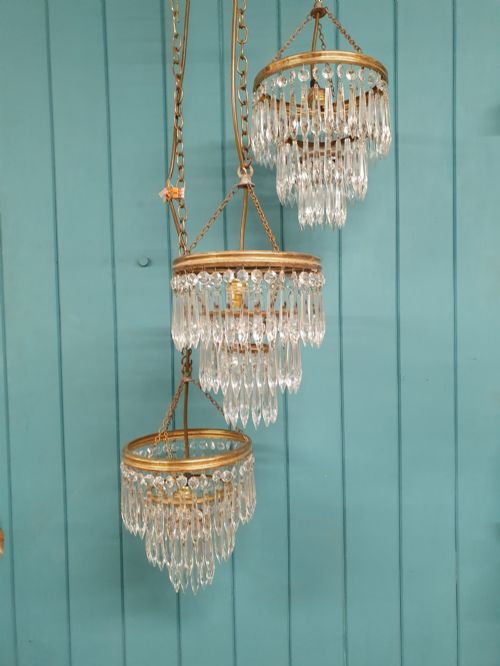
When you search for regency crystal glass, you encounter an array of drinking vessels, table decanters, and large lighting fixtures that date from the early nineteenth century alongside later revivals. The objects on this page span several forms, from heavy rummers and decanters to French Empire style chandeliers adorned with tent and waterfall drops.
The aesthetic bridges British Georgian sobriety and ornate continental styling, incorporating French Rococo and Empire influences alongside straightforward English cut glass. These pieces served practical functions for dining and illumination, yet their weight and refractive qualities elevate them far beyond mere utility.
Materials and construction
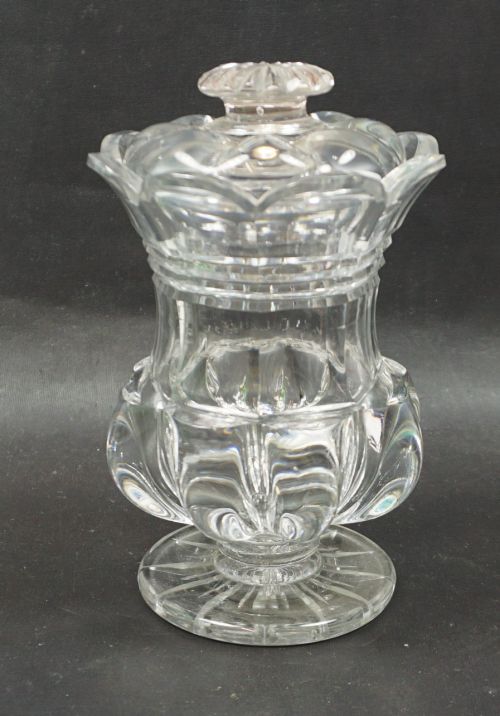
The primary material is heavy lead crystal or glass, manipulated through deep wheel-cutting to produce geometric patterns such as hobnails, flutes, and prismatic diamonds. This heavy metal content gave the glass its characteristic density and resonant ring when struck.
Many lighting fixtures and decorative centrepieces combine this cut glass with metalwork elements, utilising gilt bronze, ormolu, and brass for mounts, frames, and delicate leaf decorations. Silver gilding also appears on French-influenced tent and waterfall chandeliers, securing the glass drops to structured metal armatures.
Regency Crystal Glass Retail Price Guide 2026
Typical asking prices for regency crystal glass among the pieces listed under this phrase on Sellingantiques today, from the lower quarter to the upper quarter. They describe what is for sale here now, not the wider market.
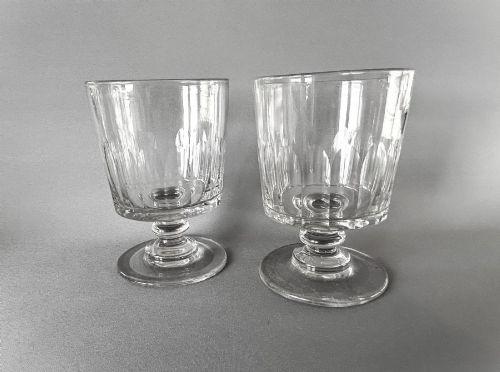
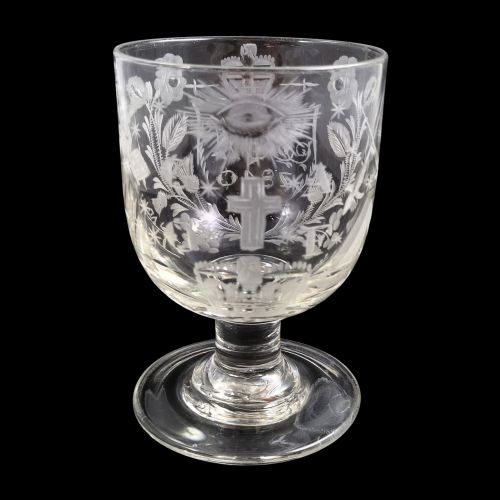
Some nineteenth-century rummers feature engraved hops and barley motifs, a subtle nod to the hearty ales they once held.
Judgements of quality
The distinction between ordinary and exceptional pieces rests primarily on the depth and crispness of the cutting. Superior glass shows sharp, clean facets that refract light intensely, whereas lesser examples have soft, rounded edges resulting from hurried polishing.
On lighting and decorative items, the quality of the metal mounts makes a decisive difference. Finely chased ormolu and substantial gilt bronze frames indicate a higher tier of production than simple stamped brass fixtures.
The Regency Crystal Glass Glossary
- Rummer
- A large, heavy drinking glass popular in the Georgian and Regency periods, typically used for ale or wine. These sturdy vessels often feature bucket bowls and heavy cut stems.
- Tent and waterfall chandelier
- A lighting fixture featuring a cascading arrangement of glass beads or drops suspended from an upper conical canopy. This design creates a dense curtain of sparkling crystal.
- Ormolu
- Gilded bronze used for decorative mounts and fittings on glassware and lighting. The technique involves applying a gold amalgam to a bronze base.
- Prism
- A cut glass pendant hung from chandeliers or wall lights to scatter light around a room. They come in various shapes, including spear, drop, and lozenge forms.
Regency Crystal Glass: Frequently Asked Questions
How do I clean antique crystal?
Wash pieces individually in lukewarm water using mild detergent, taking care to line the sink with a towel to prevent chipping. Avoid abrasive cloths and harsh chemicals that can dull the surface of the glass.
Allow them to air dry on a soft cloth rather than rubbing them with linen, which can leave lint behind. Chandeliers require careful cleaning in situ with a specialised spray and a catch basin underneath.
Were these pieces used for daily dining?
Many of these items, such as port glasses, rummers, and decanters, formed the backbone of formal nineteenth-century dining and entertaining. Wealthy households utilised heavy cut glass to serve wine, spirits, and condiments at the table.
Lighting fixtures like wall lights and tent chandeliers illuminated grand reception rooms and dining spaces by candlelight. Their heavy construction ensured they withstood the rigours of regular use by household staff.
How do I date cut glass?
Examine the weight, colour, and cutting style of the piece, as early nineteenth-century glass tends to have a darker, greyer tone due to high lead content. Sharp, hand-cut facets and polished pontil marks on the underside point toward the Georgian and Regency eras.
Later Victorian and Edwardian reproductions often feel lighter and display mechanical uniformity in their cutting. Comparing the mounting metalwork also helps establish whether a piece belongs to the early nineteenth century or a later revival.
Can I hang an antique chandelier safely?
Most antique chandeliers require professional installation to ensure the ceiling can support their substantial weight. Iron and bronze frames combined with heavy lead crystal create significant downward pull.
An electrician should inspect the internal wiring if the fixture has been converted for electricity. They will also verify that the ceiling hook and joists are secure enough to hold the piece permanently.