





Regency China Teacup Set
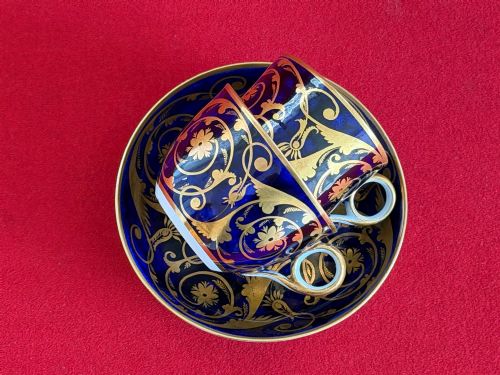
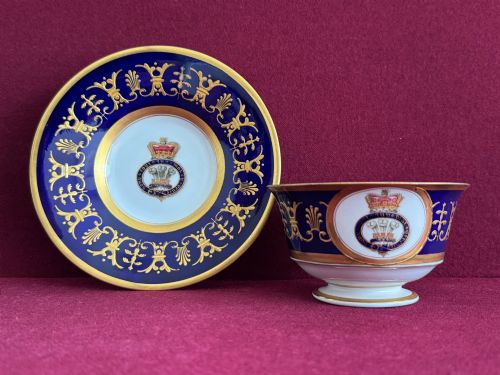
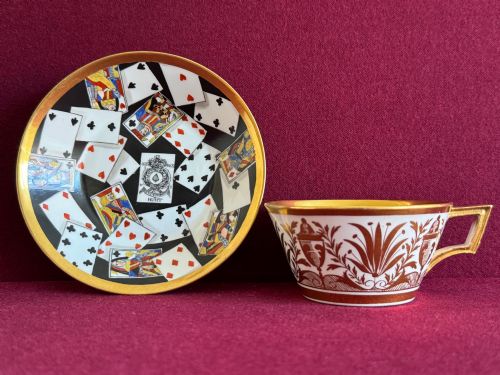
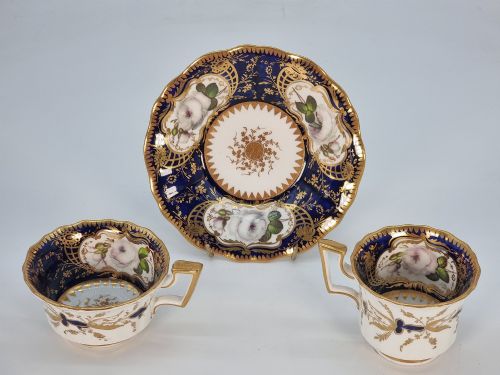
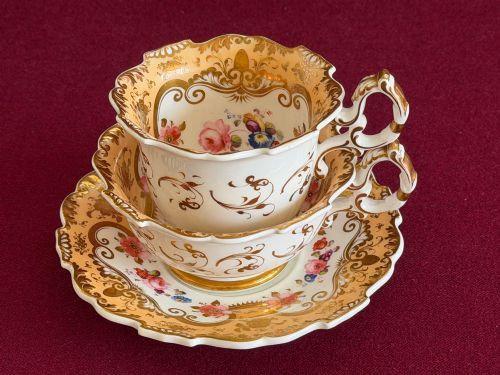
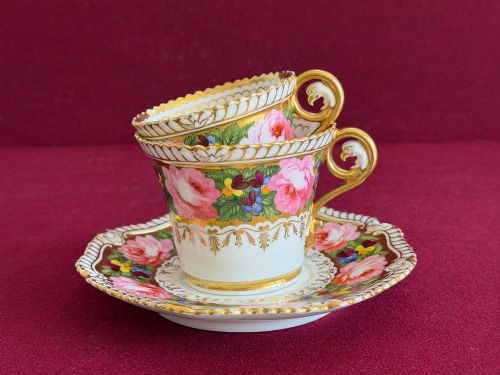
These Regency china teacup set pieces bring Georgian Neoclassical elegance to the table with handpainted porcelain and gold leaf gilding.
Regency China Teacup Set
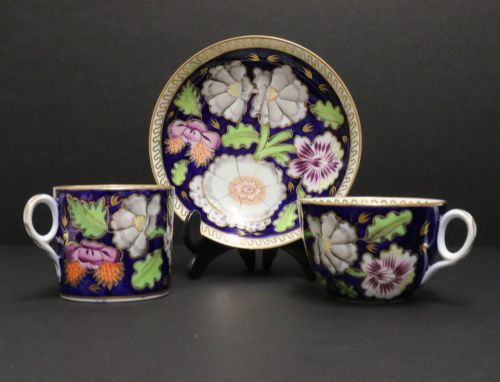
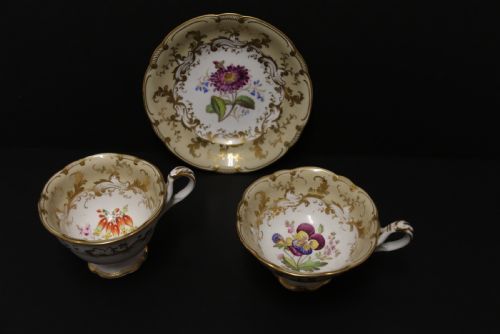
A regency china teacup set encompasses delicate teacups and saucers, coffee cups, and three-piece trios originating from the early nineteenth century and the Georgian period. Buyers seeking these items encounter handpainted porcelain and bone china sets displaying elaborate patterns and rich enamel glazes.
The selections available range from single cups and saucers to complete cabinet trios and tea services. Pieces bearing specific manufactory marks from the Regency era dominate the offerings.
Originating from British factories operating during the Georgian Neoclassical and Regency periods, these wares served the formal tea and coffee rituals of the era.
Materials and Making
Makers utilised fine porcelain and bone china as the primary body for these teacups, shaping them into cabinet trios and services. Artisans applied intricate handpainted designs using enamel glaze for vibrant surface colour.
Gold leaf, gold gilding, and gilt accents were meticulously added to borders and handles to catch the candlelight. These techniques reflect the refined craftsmanship of early nineteenth-century British ceramic production.
Regency China Teacup Set Retail Price Guide 2026
Typical asking prices for regency china teacup set among the pieces listed under this phrase on Sellingantiques today, from the lower quarter to the upper quarter. They describe what is for sale here now, not the wider market.
Some playful cups bear wonderfully eccentric patterns named Crazy Cow and Bengal Tiger.
Assessing Quality
Quality rests in the precision of the handpainted details and the crispness of the enamel glaze work. Superior examples display intricate artistry, such as the Dragon in Compartments pattern or custom cabinet trio designs.
The application of gold leaf and gilding marks the distinction between standard production and top-tier cabinet pieces. Well-preserved gilding and undamaged porcelain bodies elevate the standing of any tea and coffee ware.
Barr & Barr Worcester·John Rose Coalport·H & R Daniel Shrewsbury·Chamberlain Worcester·Newhall Porcelain·Flight Barr & Barr·Hicks Meigh & Johnson·Minton·Spode·Davenport
The Regency China Teacup Set Glossary
- Trio
- A matching set comprising a teacup, coffee cup, and saucer. These three pieces form the standard unit for nineteenth-century tea and coffee service.
- Cabinet trio
- A decorative set intended primarily for display in a cabinet rather than daily use. They often feature finer handpainted artwork and extensive gilding.
- Enamel glaze
- A vitrified glass coating applied to porcelain and fired to hold vibrant colours. It protects the handpainted artwork beneath.
- Bone china
- A type of soft-paste porcelain incorporating animal bone ash. This material yields a strong, translucent white body suitable for delicate forms.
- Gilding
- The application of gold leaf or gold paint to ceramic surfaces. This finish defines the decorative borders of Regency tableware.
Regency China Teacup Set: Frequently Asked Questions
What is included in a tea trio?
A tea trio consists of a matching teacup, coffee cup, and saucer. This combination allowed Regency drinkers to partake in both tea and coffee during formal gatherings.
Such sets represent the height of early nineteenth-century dining custom, offering coordinated elegance for the table.
How do I care for antique porcelain?
Wash these pieces gently by hand in warm water using a mild soap. Avoid abrasive sponges that might damage the delicate handpainted enamel and gold leaf gilding.
Store them securely in cabinets away from direct sunlight to preserve the vibrant colours and gilt details.
How do I date a Regency teacup?
Dating relies on identifying manufactory marks, stylistic cues like Georgian Neoclassical motifs, and the specific shape of the handle and foot rim. Reference materials help match patterns to active production years.
Cabinet pieces often carry specific pattern numbers that narrow their creation down to a precise decade.
Were these cups used daily?
Many fine porcelain and bone china sets served primarily as cabinet pieces for display. Their delicate handles and extensive gold gilding made them unsuited for rough, everyday handling.
Wealthy households reserved them for entertaining guests during formal afternoon tea and coffee rituals.