


Regency Child Painting
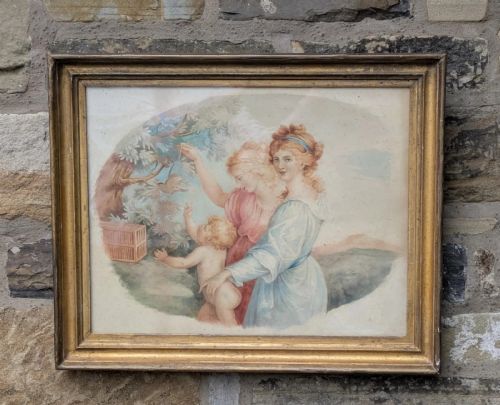
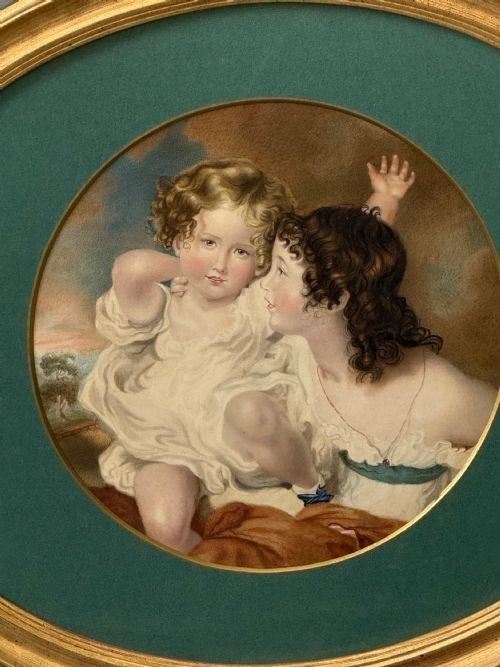
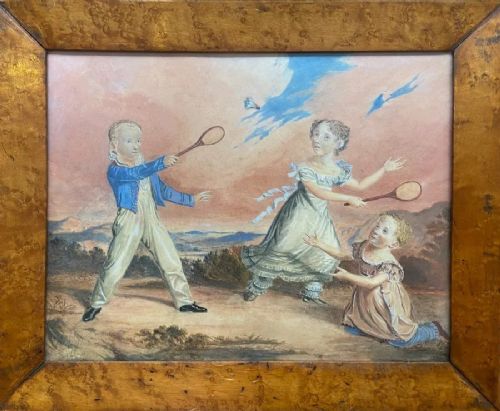
A regency child painting captures youth through delicate portrait miniatures and oil on canvas works, offering a direct window into nineteenth-century domestic life.
Regency Child Painting
When searching for a regency child painting, buyers encounter works executed across the nineteenth century, including the specific Regency and Georgian periods. The forms range from miniature watercolour portraits in ebonised frames to substantial oil paintings on canvas and board.
Most pieces depict young subjects singly or alongside pets and siblings, sometimes adopting the styles of English naive art or neoclassical portraiture. These artworks document children of the era through diverse mediums such as pastel, ink, and silhouette pictures.
The selection includes studio copies after prominent artists alongside original works by regional portraitists. Buyers regularly find framed pieces that preserve the distinct clothing and domestic settings of the period.
How they were made
Framing often utilised ebonised wood, maple, or giltwood, frequently incorporating glass to protect delicate paper and watercolour surfaces from moisture and light damage.
Listings feature works spanning the eighteenth, nineteenth, and twentieth centuries, executed in oil, watercolour, and pastel.
What varies in quality
Quality in these portraits depends upon the precision of the draughtsmanship and the psychological depth captured in the subject's expression. Superior examples demonstrate a confident handling of light and shadow, particularly in the rendering of textiles and facial contours.
The preservation of the original medium, whether oil on canvas or delicate watercolour on paper, influences the overall standard. Works housed in their contemporary frames with minimal pigment loss hold greater visual integrity.
Henry Travis·Sir Thomas Lawrence·William Egley·Henry Scott·John Russell·Henry Edridge
The Regency Child Painting Glossary
- Regency
- A period in British history spanning from 1811 to 1820, though the aesthetic style often extends into the wider early nineteenth century. Works from this time frequently display neoclassical influences in portraiture.
- Naive art
- Artwork created by an artist without formal academic training, often characterised by a flat perspective and charming directness. These pieces focus on sincerity of depiction over strict anatomical proportions.
- Portrait miniature
- A small, highly detailed painting executed on ivory, vellum, or paper, designed for private contemplation or wear. These delicate items required exceptional brush control.
- Silhouette
- A portrait cut from black paper or painted in solid dark pigment, usually in profile. They gained popularity as an affordable alternative to painted miniatures before the Victorian era.
- Ebonised frame
- Wood finished with a dark stain or lacquer to imitate ebony. These frames are typical of the Regency period and provide a high-contrast border for works on paper.
Regency Child Painting: Frequently Asked Questions
How do I identify a genuine period frame?
Period frames from the early nineteenth century often utilise ebonised wood or maple with hand-carved mouldings. Examination of the reverse usually reveals older joinery and fixings consistent with the date of the artwork.
Glazing in these older pieces may show small air bubbles or uneven thickness typical of early glass manufacturing methods.
Were these paintings made as commissions?
Most portraiture from this era was commissioned by affluent families to record the appearance of their children. Professional artists and local school painters undertook these commissions for domestic display.
Some smaller works, such as silhouettes and miniatures, were produced more rapidly for intimate family exchanges.
How should I care for a watercolour on paper?
Watercolour paintings require protection from direct sunlight to prevent the fading of sensitive pigments. Framing under conservation glass helps block ultraviolet rays that degrade old paper supports.
Maintaining a stable indoor humidity prevents mould growth and stops the paper from warping within its mount.
What distinguishes naive art from formal portraits?
Formal portraits reflect academic training through precise perspective, anatomical accuracy, and sophisticated use of light. Naive works prioritise direct storytelling and pattern over strict realism.
Both styles record the clothing and toys of children, but naive pieces often possess a distinct folk art charm.