



Regency Ceramic Tray
These pieces known as a regency ceramic tray offer the refined utility of the early nineteenth century.
Regency Ceramic Tray
A regency ceramic tray encompasses domestic service pieces from the 19th Century, Regency, and Georgian periods, including platters and serving dishes. These forms reflect the dining and writing habits of the era through dedicated serveware and inkstands.
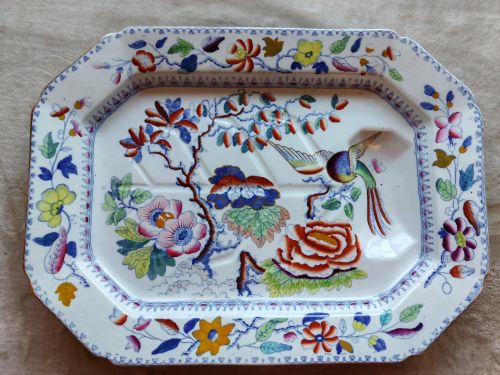
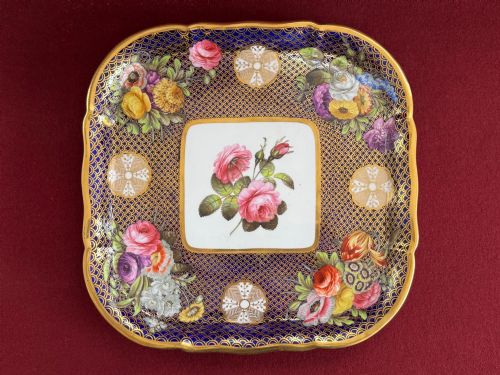
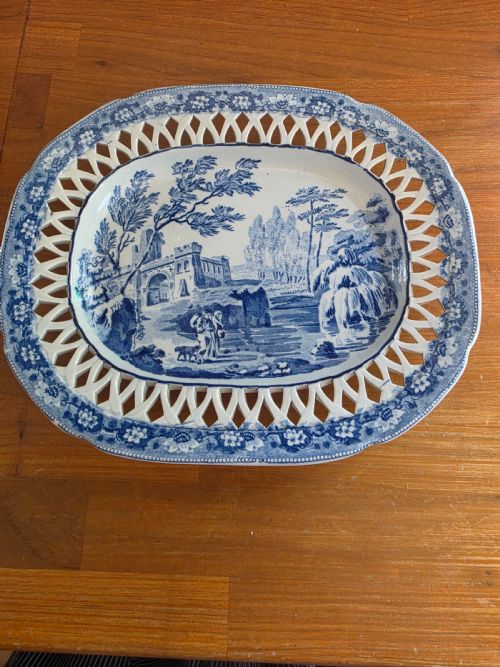
The most common examples on this page are porcelain and ironstone serving platters and dishes, often decorated with transfer printing or Chinoiserie patterns. Pieces range from large meat platters to specialised serving dishes like custard sets and inkwells.
Materials and construction
Makers utilised porcelain, earthenware, and ironstone as the primary bodies, finished with glaze and occasionally gold leaf. These materials provided the durable yet refined surfaces necessary for dining and desk accessories.
Decoration relied heavily on blue and white transfer printing alongside hand-painted Chinoiserie motifs. Potters shaped these ceramics into shaped platters, twin-handled dishes, and comports using traditional early nineteenth-century moulding techniques.
Regency Ceramic Tray Retail Price Guide 2026
Typical asking prices for regency ceramic tray among the pieces listed under this phrase on Sellingantiques today, from the lower quarter to the upper quarter. They describe what is for sale here now, not the wider market.
Distinctions in quality
The sophistication of the painted or transfer-printed pattern separates standard domestic wares from finer display pieces. Crispness in the application of scenes like the Mandarin or Indian Grasshopper patterns indicates superior manufacture.
The complexity of the ceramic form itself, such as fretted edges, shaped contours, or twin handles, dictates the relative refinement of the piece. Heavier bodies like ironstone offer robust utility, whereas delicate porcelain compositions demonstrate greater ceramic skill.
Spode Porcelain·Davenport·Chamberlain’s Worcester·Copeland and Garrett·Swansea Porcelain·Mason’s Ironstone China
The Regency Ceramic Tray Glossary
- Ironstone
- A patented ceramic body developed to be durable and heavy while imitating porcelain. It provided a robust surface for serving platters.
- Transfer printing
- A technique where an engraved copper plate applied ink to tissue paper, which was then transferred onto the ceramic surface before glazing. This allowed for detailed pictorial scenes like Bridge of Lucano.
- Chinoiserie
- European decorative styles inspired by Chinese art and design. These patterns frequently appeared on porcelain comports and serving dishes.
- Comport
- A decorative dish or bowl raised on a pedestal or foot. These were used for serving fruit or sweetmeats at the table.
- Pearlware
- A fine earthenware developed in the late eighteenth century with a bluish glaze that pooled in recesses. It served as a predecessor to later refined white earthenwares.
Regency Ceramic Tray: Frequently Asked Questions
What is a regency ceramic tray used for?
These items served various domestic functions ranging from meat service at the dining table to organising desk accessories like inkstands.
Larger platters accommodated joints of meat, while smaller dishes held specialised foods or condiments.
How do I identify a regency piece?
Identification relies on observing characteristic forms, glaze types, and decorative motifs native to the early nineteenth century.
Stylistic cues such as Chinoiserie patterns and transfer-printed landscapes provide strong indicators of period manufacture.
Are these items suitable for daily use?
While durable materials like ironstone and porcelain were built for service, their age requires careful handling.
Modern owners generally treat them as display items or use them gently for light serving duties.
What is the difference between porcelain and ironstone?
Porcelain offers a finer, more translucent body often reserved for formal dining and decorative comports.
Ironstone provides a heavier, highly vitrified alternative designed for robust everyday service without sacrificing refinement.