






Regency Ceramic Service
A regency ceramic service brings elegance to the table through fine porcelain, earthenware, and detailed transfer printing from the early nineteenth century.
Regency Ceramic Service
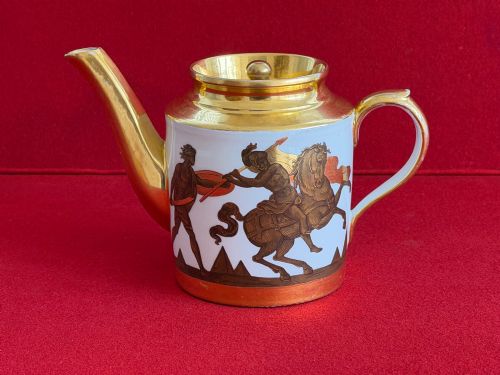
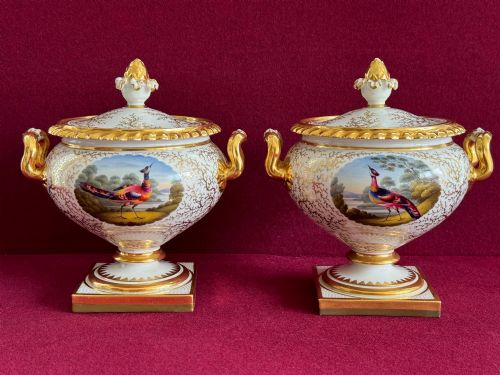
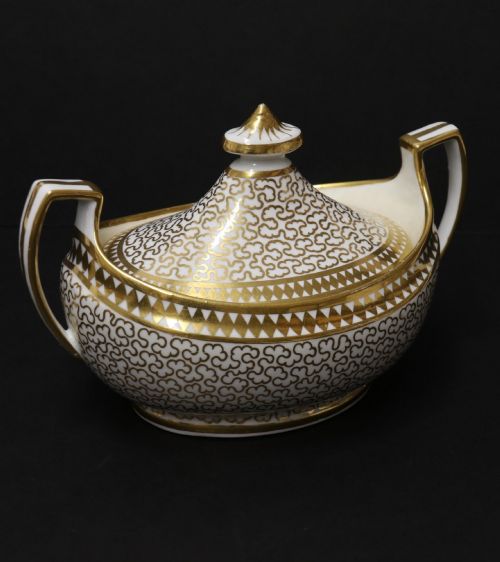
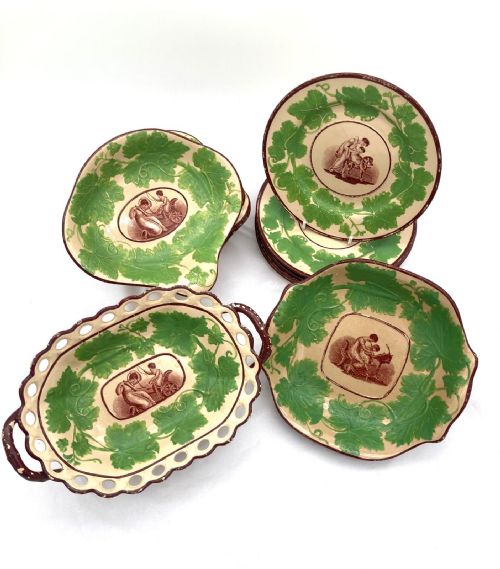
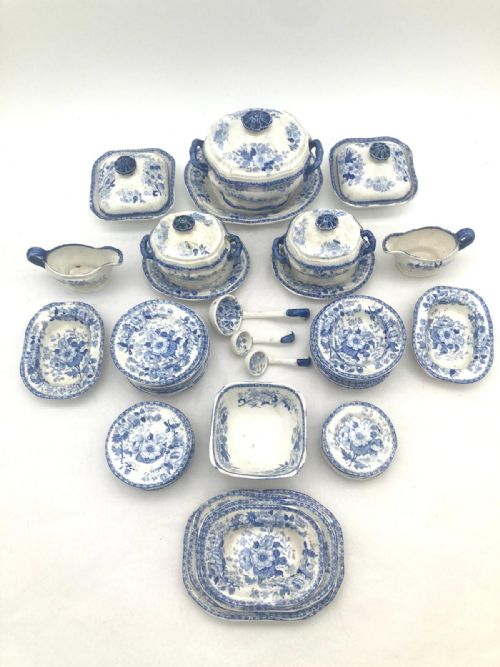
A regency ceramic service encompasses table settings, tea wares, and dessert services produced during the Georgian, Regency, and early Victorian periods. These practical and decorative items include teapots, sugar bowls, cream tureens, sauceboats, and complete dessert services intended for formal dining.
The pieces on this page originate from notable English potteries and porcelain manufacturers active around 1800 to 1830. Buyers encounter everything from individual sucriers and teapots to full dinner and dessert services decorated with floral patterns or transfer prints.
How They Were Made
Potters shaped these objects using porcelain, earthenware, and ironstone, applying smooth glazes to seal the ceramic body. Many items received underglaze blue and white transfer printing to repeat intricate botanical and architectural motifs.
Finishing touches involved hand painting in enamel colours alongside applied gold leaf and gilding to highlight rims and handles. Factories such as Spode, Minton, and Wedgwood utilised these refined techniques to supply fashionable households.
Regency Ceramic Service Retail Price Guide 2026
Typical asking prices for regency ceramic service among the pieces listed under this phrase on Sellingantiques today, from the lower quarter to the upper quarter. They describe what is for sale here now, not the wider market.
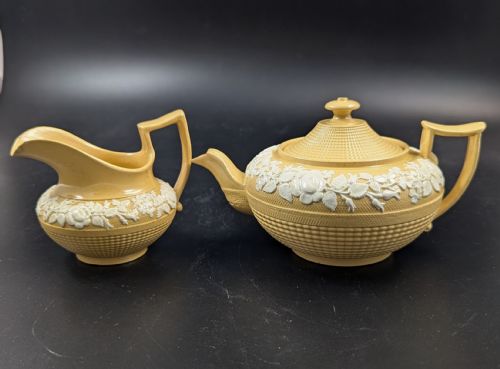
Listings feature eighteenth and nineteenth century ceramics spanning porcelain, earthenware, ironstone, and drabware.
What Varies in Quality
The standard of a regency ceramic service depends on the crispness of the transfer printing and the precision of the hand-applied enamels and gilding. Superior items display meticulous brushwork and well-preserved metallic leaf that remains bright against the porcelain or earthenware body.
Form and proportion also distinguish finer sets, where moulded details on teapots, sucriers, and dessert plates retain sharp relief. The reputation of the maker, from Worcester to Staffordshire potteries, further influences the standing of each piece.
John Rose Coalport·Flight Barr and Barr·Chamberlains Worcester·Minton·Spode·Thomas Wolfe Staffordshire·Wedgwood·Thomas Harley Staffordshire·Mason's Patent Ironstone
The Regency Ceramic Service Glossary
- Sucrier
- A small covered vessel designed for holding sugar at the tea table. These often match tea pots and creamers within a breakfast or tea service.
- Transfer printing
- A mechanical method of applying complex decorative patterns to ceramics by transferring inked paper designs onto the glazed surface before firing.
- Ironstone
- A durable type of earthenware patented to resist chipping while offering a heavy, refined body suitable for tableware and large dinner services.
- Gilding
- The application of gold leaf or gold paint to ceramic edges, handles, and borders to add visual warmth and luxury.
- Drabware
- A style of stoneware or earthenware featuring a muted brownish-grey or olive body, popular during the nineteenth century for tableware.
Regency Ceramic Service: Frequently Asked Questions
What pieces belong in a dessert service?
A dessert service typically includes plates and dishes used for serving fruit, sweets, and pastries at the conclusion of a formal meal.
Matching sauceboats, tureens, and compotes often accompany the plates to complete the table arrangement.
How do I care for antique porcelain?
Wash antique porcelain gently by hand in warm water using a mild detergent, avoiding dishwashers and harsh abrasive sponges.
Dry each piece thoroughly with a soft cloth to protect delicate gilt borders and enamel decorations from wear.
Can I use these services daily?
Using nineteenth-century ceramics daily requires caution because centuries of gentle wear make the glazes and handles vulnerable to sudden thermal or physical shock.
Many collectors reserve these delicate earthenware and porcelain pieces for special occasions rather than regular household dining.
How do I identify the period?
Examining the ceramic body, glaze characteristics, and potting style helps determine whether a piece originates from the Georgian, Regency, or early Victorian era.
Maker marks, pattern numbers, and specific decorative techniques like transfer printing provide further clues to the exact decade of manufacture.