




Regency Ceramic Saucer
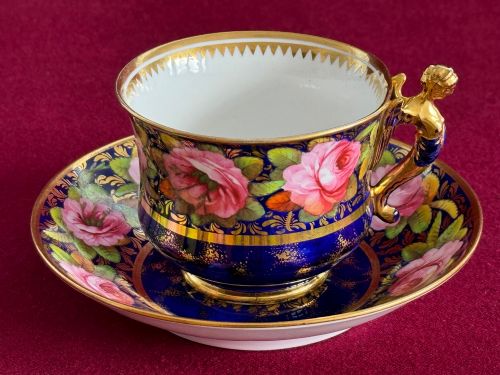
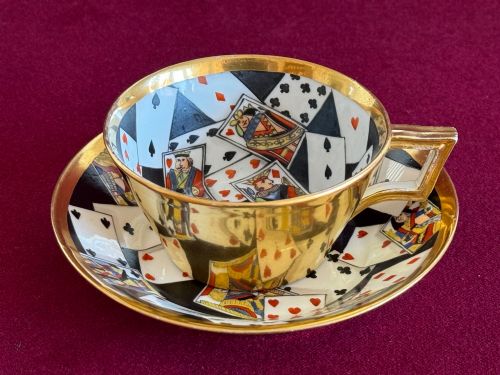
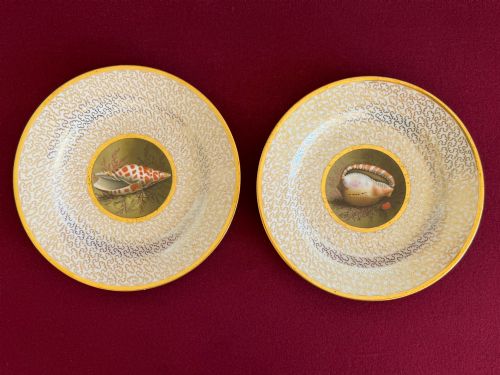
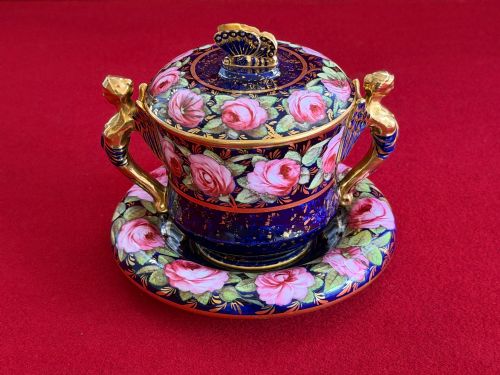
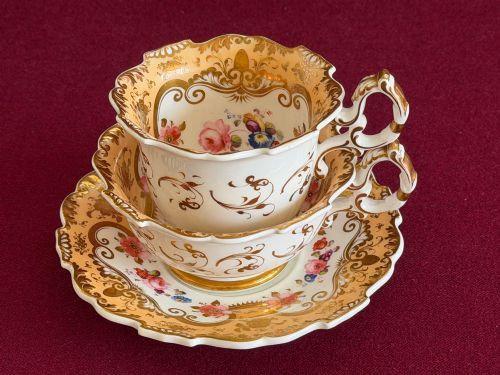
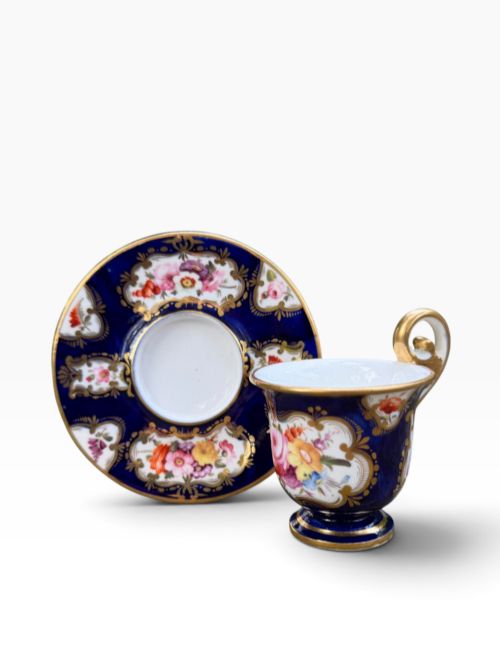
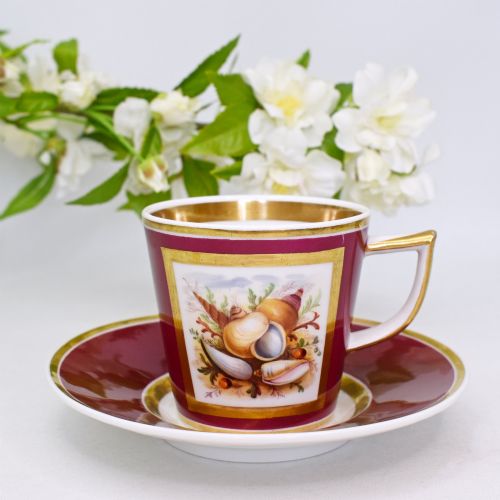
A regency ceramic saucer brings refined early nineteenth century elegance to the table, formed in porcelain and bone china with gilded highlights.
Regency Ceramic Saucer
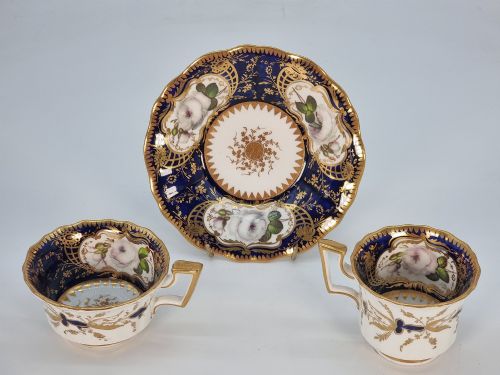
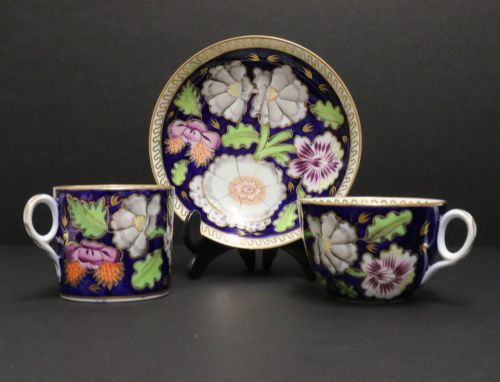
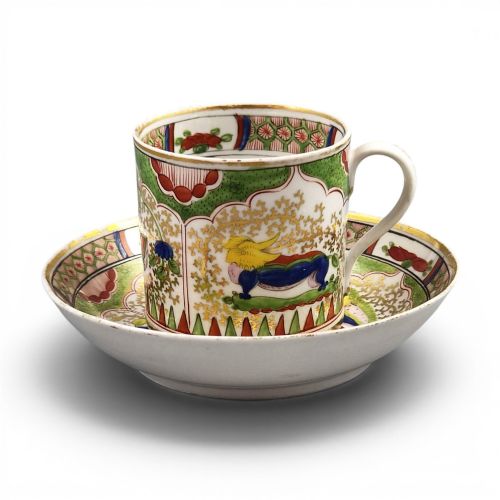
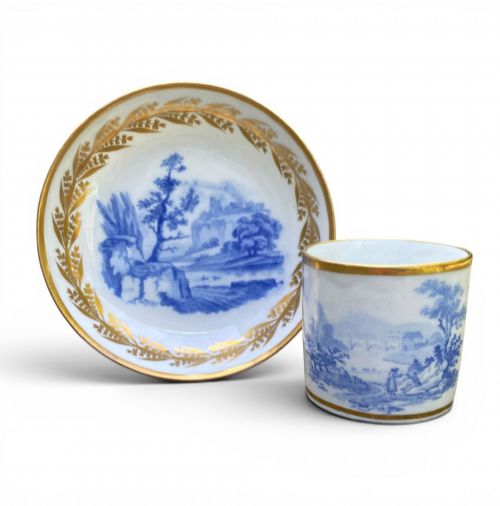
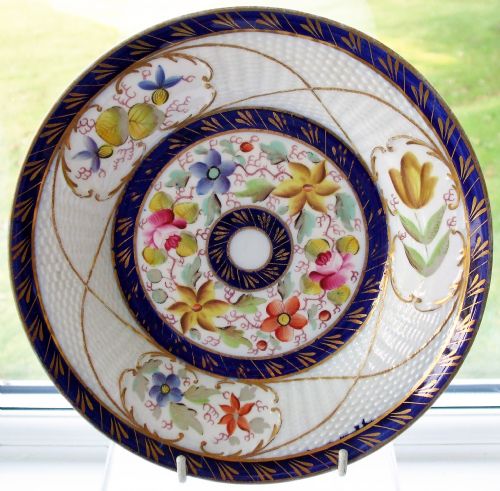
A regency ceramic saucer is typically encountered alongside matching teacups, coffee cans, or trios within the Georgian and nineteenth century periods. These domestic tablewares reflect the design shifts from neoclassical austerity toward more ornate floral and compartmentalised motifs. Most items originate from established English manufactories operating during the early decades of the eighteen hundreds.
The objects span individual teacups and saucers, cabinet cups, and larger sets produced by notable ceramic houses of the era. Buyers seeking a regency ceramic saucer will frequently discover them paired with complementary tea bowls or coffee cups sharing identical patterns and gilding styles. The forms range from standard tea saucers to deeper vessels intended for chocolate or coffee service.
Materials and Techniques
Makers utilised refined body compositions such as porcelain and bone china, alongside earthenware for utilitarian forms, shaped by throwing or moulding. These ceramic bodies provided a smooth white foundation suited to detailed hand painting and transfer printing.
Surface decoration relied on coloured enamel paints applied by hand, combined with gold leaf and applied gilding to highlight rims and handles. Glaze sealed the ceramic surface, often providing a glossy finish that protected the delicate pigments beneath.
Regency Ceramic Saucer Retail Price Guide 2026
Typical asking prices for regency ceramic saucer among the pieces listed under this phrase on Sellingantiques today, from the lower quarter to the upper quarter. They describe what is for sale here now, not the wider market.
Listings feature porcelain and bone china decorated with enamel and gold leaf, spanning the Georgian and Regency periods.
Markers of Distinction
Quality separates through the precision of hand painted enamel work and the crispness of the gilt detailing applied across the porcelain surface. Superior examples display intricate pictorial subjects, such as fancy birds or compartmentalised dragon patterns, executed with fine control.
The refinement of the ceramic paste itself, particularly the translucency of the bone china and porcelain, dictates the tier of the piece. Well potted bodies with balanced proportions and sophisticated handle formations distinguish master potteries from standard production.
Spode·Barr Flight and Barr·Duesbury and Kean·H and R Daniel·Newhall·Coalport John Rose·Flight and Barr·Yates Leeds·Chamberlain Worcester·Hicks Meigh and Johnson·Enoch Wood and Sons·Davenport·Sewell·Minton
The Regency Ceramic Saucer Glossary
- Bone china
- A ceramic body incorporating bone ash, which increases strength and creates a bright white, translucent appearance. It became widely utilised by English potteries during the early nineteenth century.
- Coffee can
- A straight sided cylindrical cup designed for drinking strong coffee, frequently sold with a matching saucer in the Regency period. These vessels lack the flared rim typical of standard teacups.
- Gilding
- The application of gold leaf or gold powder onto the ceramic surface to decorate rims, handles, and borders. This finish was often burnished to achieve a bright reflective sheen.
- Trio
- A matching set comprising a teacup, a coffee cup or tea bowl, and a saucer. These composite groups allowed households to serve different hot beverages in uniform patterns.
Regency Ceramic Saucer: Frequently Asked Questions
What is a regency ceramic saucer?
A regency ceramic saucer is a small shallow dish designed to hold a teacup or coffee can, produced during the early nineteenth century.
These pieces showcase the artistic styles of the Georgian and Regency eras, frequently featuring hand painted enamels and gilding on porcelain or bone china.
How were these saucers used originally?
They were utilised during formal tea and coffee services in affluent households, often part of larger trios or sets.
Custom dictated that hot tea might be poured from the cup into the saucer to cool before drinking.
How do I care for antique porcelain?
Antique porcelain and bone china require gentle hand washing in lukewarm water with mild soap, avoiding dishwashers entirely.
Because overglaze enamels and gold leaf can wear down over time, these items are best kept for display or very careful occasional use.
How do I identify the period?
Dating relies on stylistic clues such as neoclassical motifs, handle shapes, and specific pattern numbers recorded by period manufactories.
Fabric composition, including the use of early bone china or refined porcelain, also points toward the manufacturing decade.