

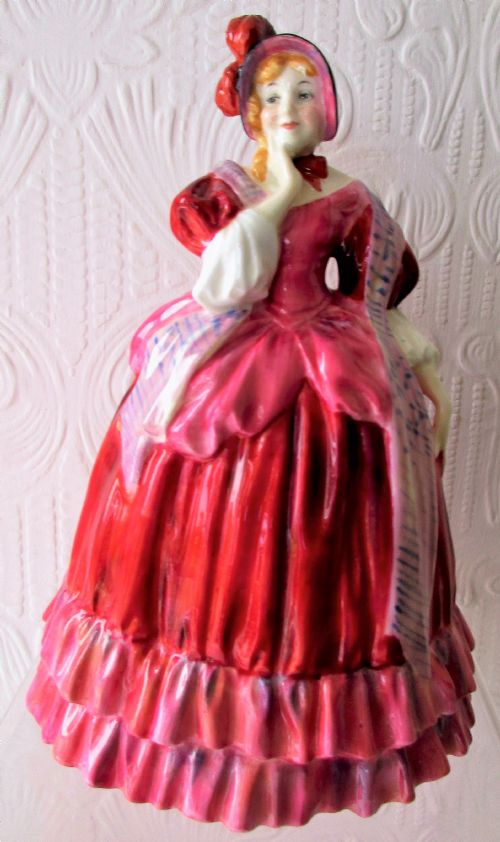
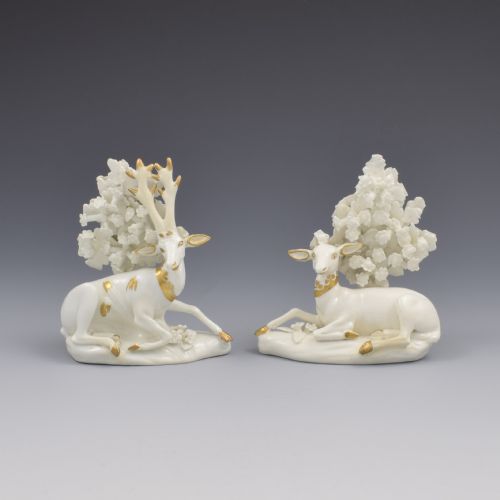


Regency Ceramic Ornaments
These regency ceramic ornaments bring Georgian and nineteenth-century domestic spaces alive through figures, animals, and cottages.
Regency Ceramic Ornaments
When you search for regency ceramic ornaments, you encounter a selection spanning figures, spill vases, inkstands, and pastille burners from the Georgian and nineteenth-century periods.
The objects on this page range from Staffordshire pearlware pottery and Bloor Derby porcelain figures to Chamberlains Worcester porcelain cottages and Enoch Wood factory pieces.
Makers such as Bloor Derby, Royal Crown Derby, Spode, and Royal Doulton appear across these listings, alongside Staffordshire and Mexborough prattware pottery.
Materials and manufacture
Potters and ceramists shaped these pieces using earthenware, pearlware, bone china, and porcelain, applying glazes and enamel colours to finish the surfaces.
Gold leaf and gilding highlight details on items like cornucopia and inkstands, whilst finely modelled figures reflect the techniques of factories such as Bloor Derby and Enoch Wood.
Staffordshire potters immortalised lions with remarkably calm human expressions, ensuring your mantelpiece maintains a dignified yet watchful guardian.
Assessing quality
Quality rests upon the crispness of the modelling and the precision of the hand-painted enamels, distinguishing standard production items from finely worked factory pieces.
The depth of the glaze and the preservation of original gold leaf contribute significantly to the visual standing of each piece.
Bloor Derby·Royal Crown Derby·Spode·Enoch Wood factory·Chamberlains Worcester·Royal Doulton
The Regency Ceramic Ornaments Glossary
- Pearlware
- A fine earthenware developed by Josiah Wedgwood in the late eighteenth century, featuring a bluish-white glaze that pooled in recesses.
- Spill vase
- A small hollow ceramic vessel designed to hold taper spills used for lighting candles and fires.
- Pastille burner
- A small decorative ceramic cottage or container used to burn scented pastilles for room fragrance.
- Prattware
- Earthenware decorated with characteristic low-temperature oxide colours under a clear lead glaze, often blues, yellows, browns and greens.
- Inkstand
- A desk accessory fitted with inkwells and penholders, frequently realised in decorated porcelain during the Regency period.
Regency Ceramic Ornaments: Frequently Asked Questions
What are regency ceramic ornaments?
These pieces comprise nineteenth-century and Georgian figurines, decorative vases, inkstands, and spill vases.
They reflect the ceramic output of factories and potteries working in porcelain, pearlware, and earthenware.
How were spill vases used?
Spill vases held thin rolled paper spills near the fireplace.
Users lit these spills from the hearth to transfer fire to candles and lamps before the invention of matches.
How do I identify a Bloor Derby figure?
Bloor Derby pieces date to the period when Robert Bloor managed the Derby porcelain works from the early nineteenth century onwards.
They often feature finely modelled human or animal subjects richly decorated with enamels.
How do I care for antique porcelain?
Display these ceramic items away from direct sunlight and areas subject to sudden temperature shifts.
Dust them gently with a soft dry brush and avoid submerging gilded or enamelled pieces in water.