




Regency Ceramic Mug
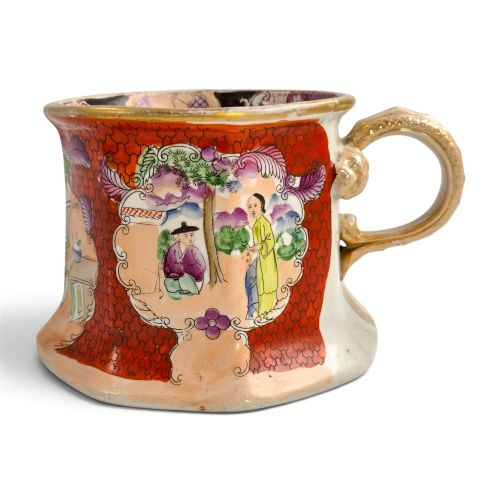
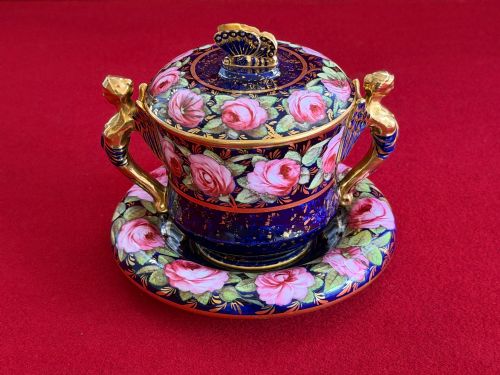
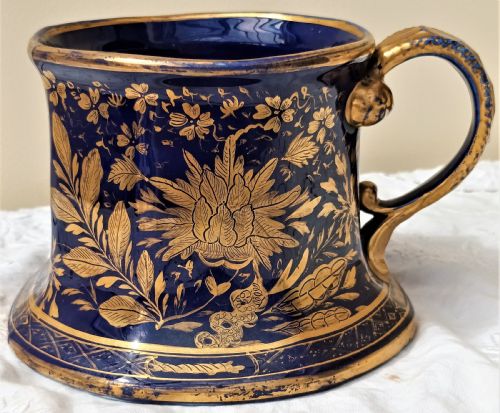
These regency ceramic mug examples combine neoclassical forms with rich enamel and gilt decoration from the Georgian and Regency periods.
Regency Ceramic Mug
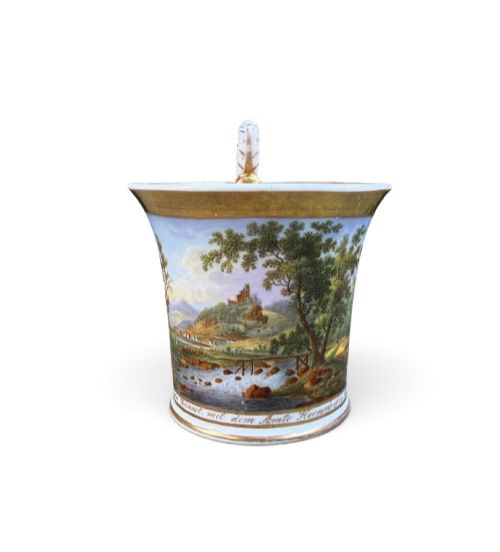
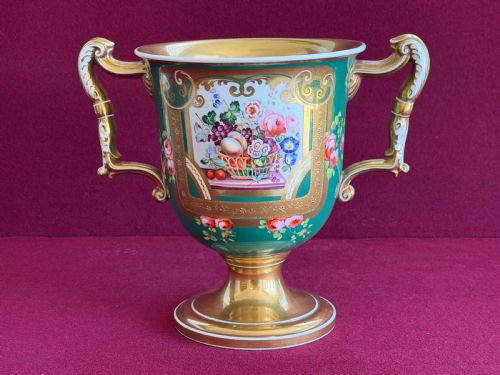
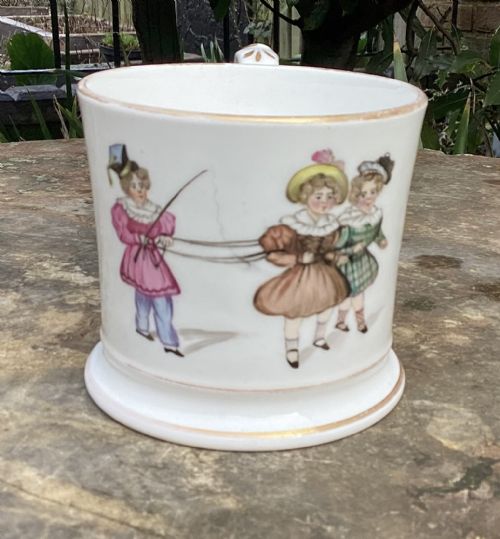
When you search for a regency ceramic mug, you encounter robust ironstone vessels alongside delicate hard-paste porcelain cabinet cups and loving cups. The selection ranges from hearty cider mugs and porter mugs to topographical cabinet pieces and coffee cans.
Most items on this page date from the Georgian and Regency eras, spanning the early decades of the nineteenth century. These drinking vessels served practical dining functions as well as decorative cabinet display purposes in affluent households.
The forms vary from simple cylindrical shapes to vessels with hydra handles, image handles, and specialised measures like the frog mug. You will find wares originating from English manufactories alongside continental porcelain.
How they were made
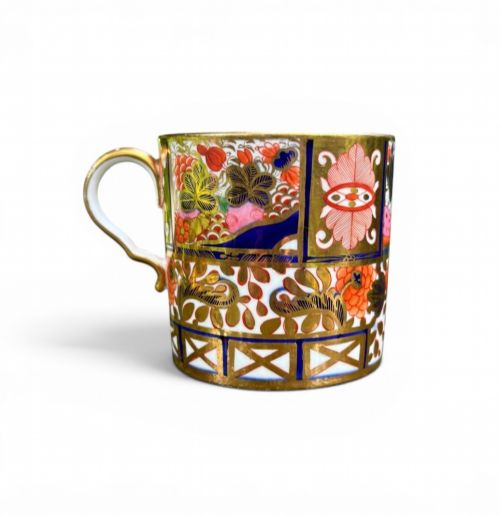
Potters utilised hard-paste porcelain and ironstone bodies, applying hand-painted enamel colours and rich gold leaf gilding over glaze. These materials provided a durable yet refined surface suited to intricate topographical scenes and Imari patterns.
Regency Ceramic Mug Retail Price Guide 2026
Typical asking prices for regency ceramic mug among the pieces listed under this phrase on Sellingantiques today, from the lower quarter to the upper quarter. They describe what is for sale here now, not the wider market.
Current listings feature ironstone and hard-paste porcelain bodies decorated with enamel, gold leaf, and glaze across the Georgian and Regency periods.
What varies in quality
The standard of painting distinguishes standard production items from masterworks, particularly in hand-painted topographical views and detailed Imari patterns. Finer pieces exhibit precise brushwork, vibrant enamel saturation, and carefully burnished gold leaf.
Body composition also dictates quality, where dense ironstone provides utilitarian strength, and translucent hard-paste porcelain offers a finer, more delicate profile. The crispness of moulded elements like hydra handles further marks the distinction between workshops.
Mason's·Spode·Berlin·Derby·H & R Daniel
The Regency Ceramic Mug Glossary
- Ironstone
- A dense, durable type of earthenware patented to withstand heavy daily use while mimicking porcelain. It forms the robust body of many large cider and tavern mugs.
- Hard-paste porcelain
- A vitrified ceramic material fired at high temperatures, composed of kaolin and petuntse. It creates a bright white, translucent body ideal for cabinet cups.
- Imari
- A decorative style inspired by Japanese export wares, characterised by a palette of underglaze blue, iron red, and abundant gold leaf gilding. It appears frequently on Regency coffee cans.
- Hydra handle
- A scroll-shaped handle modelled to resemble the mythical serpentine water serpent. This classical Revival motif adorns the sides of large Regency cider mugs.
- Frog mug
- A drinking vessel featuring a small ceramic frog modelled inside the base, designed to surprise the drinker as the liquid lowers. These novelty pieces often served communal drinking purposes.
Regency Ceramic Mug: Frequently Asked Questions
What is a regency ceramic mug?
A regency ceramic mug is a drinking vessel or cabinet cup produced during the early nineteenth century, typically featuring neoclassical styling, hand-painted enamels, and gilt highlights.
These pieces encompass various forms, from utilitarian ironstone cider mugs to delicate porcelain coffee cans and topographical cabinet cups.
How were frog mugs used?
Frog mugs were traditional drinking vessels used in taverns and social gatherings, featuring a small ceramic frog placed inside the bottom of the mug.
As the drinker finished their beverage, the hidden frog would appear as a surprise, often serving as a drinking game or a toast challenge.
How do I identify a Georgian piece?
Georgian and Regency pieces are typically identified by their classical neoclassical forms, hand-painted enamel palettes, and specific patterns recorded by period potteries.
Examining the paste body, handle style, and glazing techniques helps distinguish these early nineteenth-century items from later Victorian reproductions.