



Regency Ceramic Cup
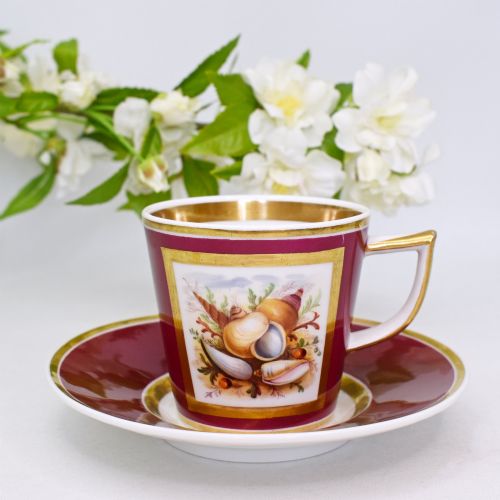
A regency ceramic cup brings together refined neoclassical forms, delicate hand-painted motifs and brilliant gilding from the opening decades of the nineteenth century.
Regency Ceramic Cup
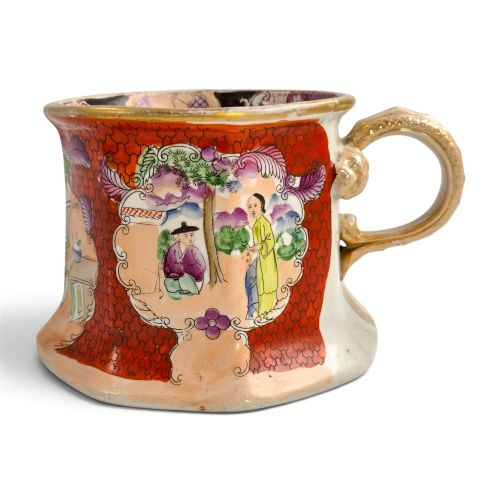
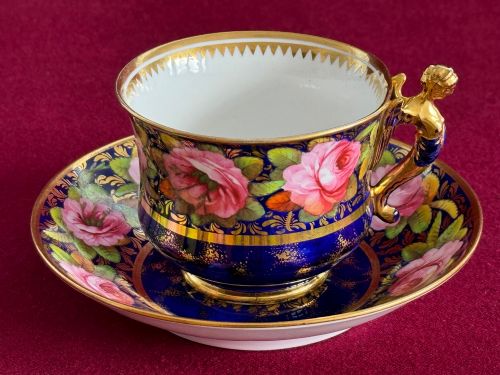
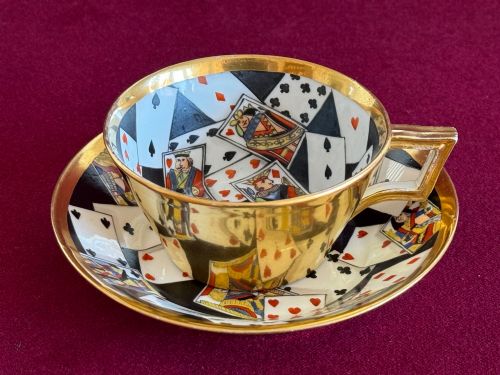
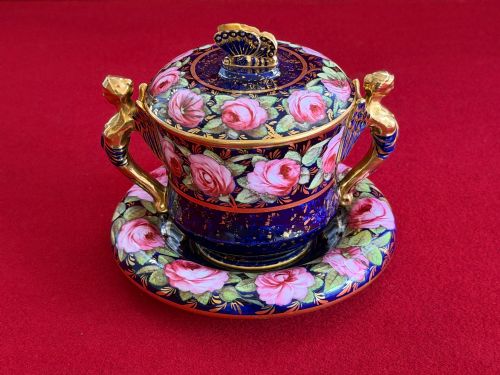
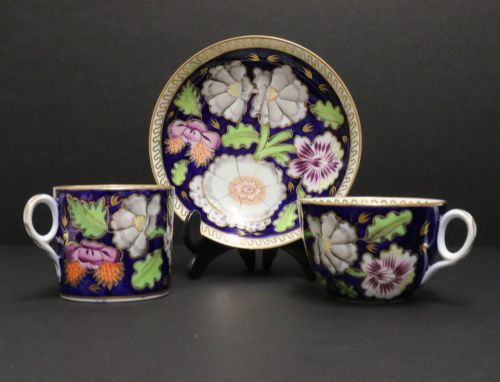
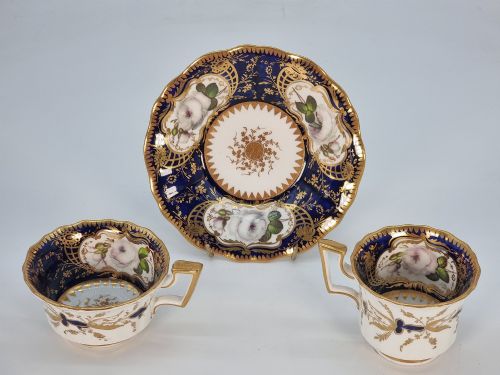
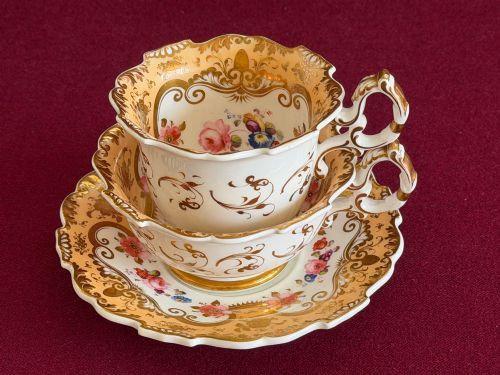
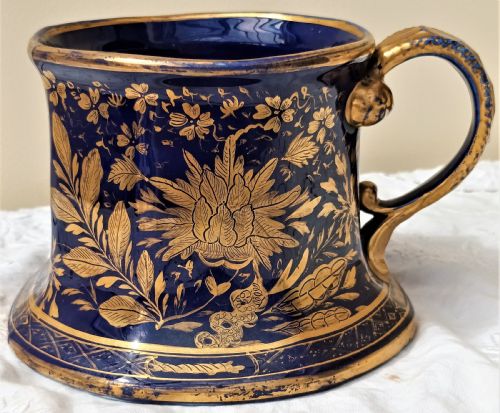
A regency ceramic cup encompasses teacups and saucers, coffee cans, chocolate cups with covers, and robust porter mugs produced during the Georgian and Regency periods. These drinking vessels served both formal social rituals and private domestic routines among the polite classes of the early nineteenth century.
The versions most frequently encountered on this page originate from esteemed English factories such as Spode, Worcester, Derby, and Coalport, alongside continental works from Berlin. Their forms range from simple cylindrical coffee cans to elaborate cabinet trios comprising a teacup, coffee cup, and saucer.
Dated examples typically span from around eighteen hundred to eighteen thirty, overlapping the late Georgian and early Victorian eras. Many pieces display specific factory pattern numbers or hand-painted topographical and botanical scenes characteristic of the period aesthetic.
How they were made
Potters of this era relied primarily on refined porcelain and bone china, alongside durable ironstone for heavy-duty mugs. These bodies were shaped on the wheel or cast in moulds, often featuring specialised additions like image handles or lion paw feet.
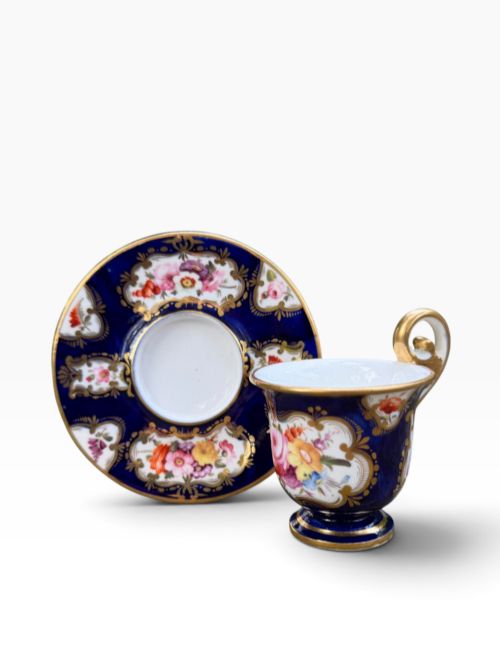
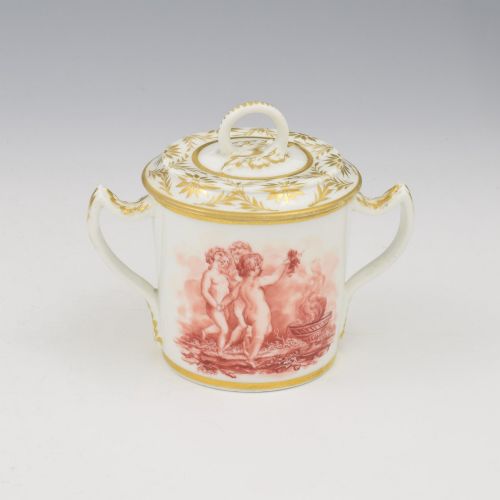
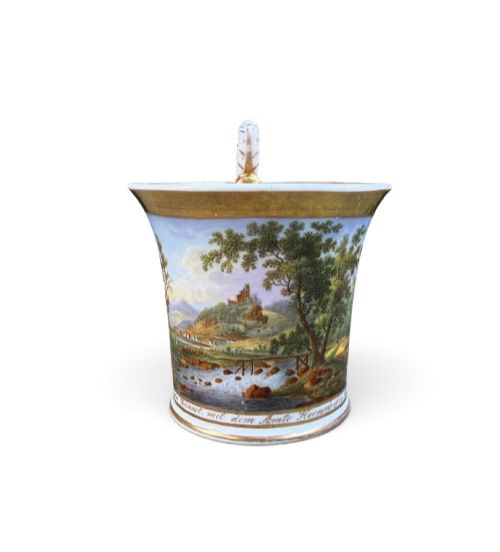
Decoration involved intricate hand-painting, transfer printing, and rich enamelling enhanced by applied gold leaf and gilding. Artisans frequently integrated detailed sepia putti, Imari palettes, and topographical landscapes beneath a clear glossy glaze.
Regency Ceramic Cup Retail Price Guide 2026
Typical asking prices for regency ceramic cup among the pieces listed under this phrase on Sellingantiques today, from the lower quarter to the upper quarter. They describe what is for sale here now, not the wider market.
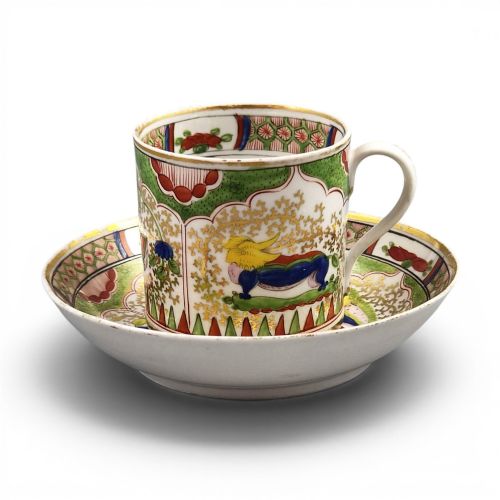
Some early nineteenth-century cups feature charmingly plump hand-painted tigers and cows labelled with wonderfully imaginative pattern titles.
What varies in quality
The distinction between standard domestic wares and superior cabinet pieces rests upon the ambition of the painting and the precision of the gilding. Master artists painted intricate birds, landscapes, and oriental patterns by hand, whilst lesser pieces relied on simpler printed outlines.
Moulding complexity also dictates standing, with specialist shapes such as lemon beakers, chocolate cups with covers, and image handles demonstrating advanced ceramic artistry. The crispness of relief moulding and the brilliance of the gold leaf finish further separate ordinary production from exceptional factory output.
Derby Porcelain·Spode·H and R Daniel·New Hall·Coalport John Rose·Berlin·Flight and Barr Worcester·Rockingham·Minton·Mason Ironstone·Chamberlain Worcester·Hicks Meigh and Johnson·Flight Barr and Barr·Davenport·Yates
The Regency Ceramic Cup Glossary
- Coffee can
- A straight-sided cylindrical porcelain cup designed specifically for drinking strong black coffee without a handle during the early nineteenth century.
- Cabinet cup
- An ornate and highly decorated porcelain cup intended for display in a glass-fronted cabinet rather than everyday use at the tea table.
- Bone china
- A type of soft-paste porcelain containing bone ash, developed in England to provide a whiter, more translucent and durable body for fine teaware.
- Image handle
- A sculptural or moulded handle shaped to resemble animal forms, leaves, or figures rather than a simple looped C-scroll.
- Trio
- A matched set comprising a teacup, a coffee cup, and a matching saucer, popular for comprehensive hospitality during the Regency period.
- Ironstone
- A heavy, dense type of earthenware patented in the nineteenth century to imitate porcelain while offering superior resistance to chips and heavy use.
Regency Ceramic Cup: Frequently Asked Questions
What is the difference between a tea cup and a coffee can?
Tea cups from this era typically feature a wider, flared bowl with a dedicated loop handle, designed to help the hot tea cool more rapidly when poured from a pot.
Coffee cans are taller and strictly cylindrical with straight vertical sides and a simple handle, reflecting the concentrated, smaller portions of coffee served at the time.
How were cabinet cups used?
Cabinet cups were primarily decorative display pieces rather than functional tableware, showcased within wealthy drawing rooms to demonstrate the owner's taste and wealth.
Their intricate hand-painted topographical views and heavy gilding meant they remained safely behind glass rather than joining the daily tea service.
How do I care for antique porcelain daily?
Antique porcelain requires gentle hand washing in warm water using mild soap, avoiding modern dishwashers entirely to protect the fragile overglaze enamels and gold leaf.
Storing pieces safely away from direct sunlight and stacking them with protective felt dividers prevents surface scratching on the delicate glaze.
How can I tell the period from the marks?
Early nineteenth-century pieces often feature painted pattern numbers, factory script marks, or impressed ciphers underneath the glaze rather than standard printed stamps.
Matching these specific numerals and factory names against known historical production dates helps narrow the piece down to specific decades like the Regency era.