

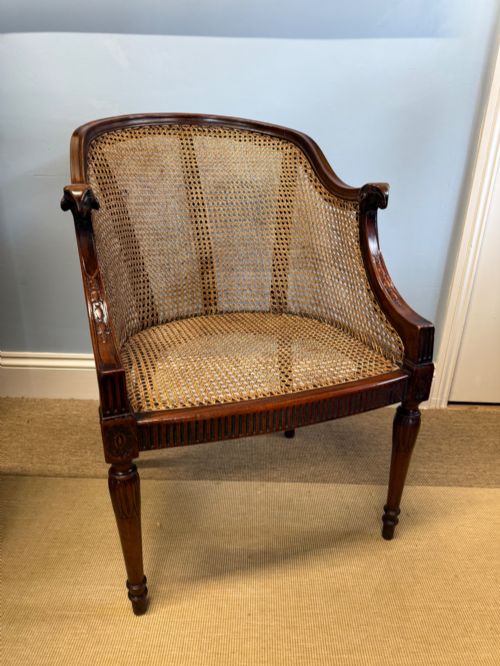
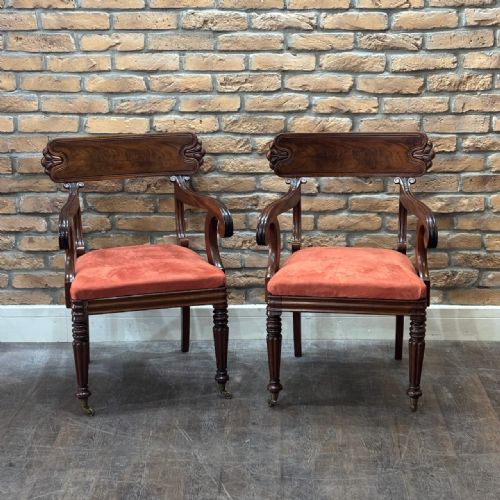
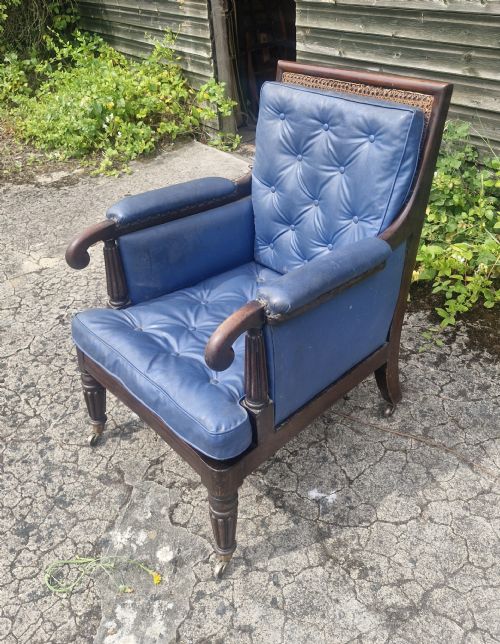
Regency Carved Library Chair
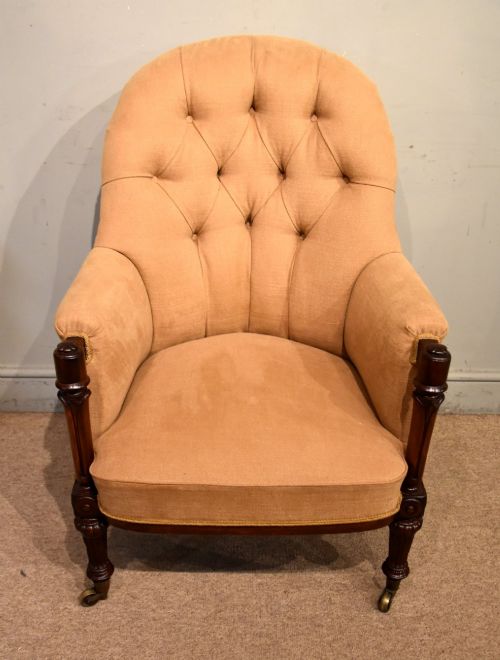
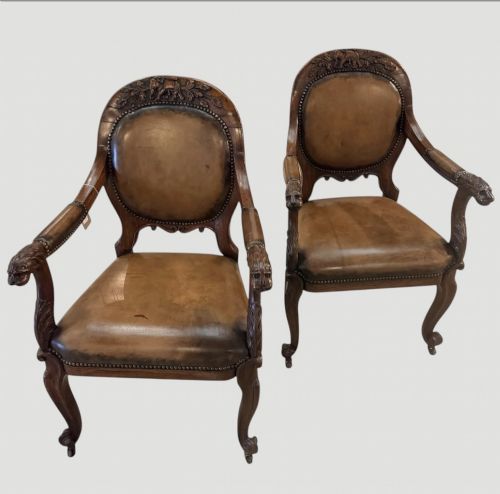
A regency carved library chair brings solid mahogany, supple leather, and stately proportions to a study or reading corner.
Regency Carved Library Chair
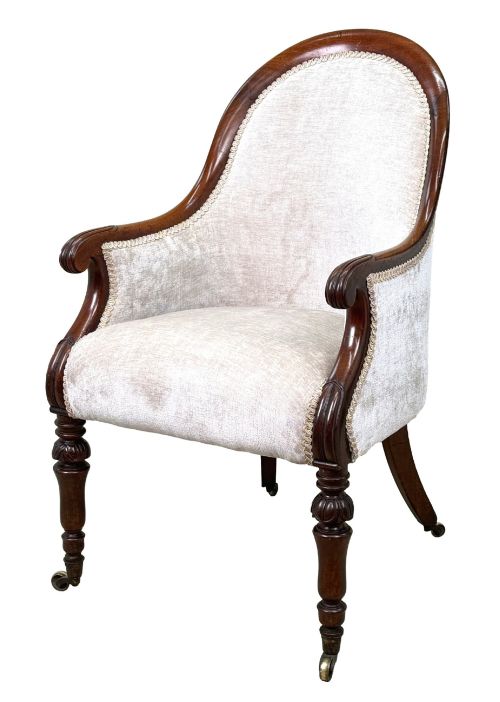
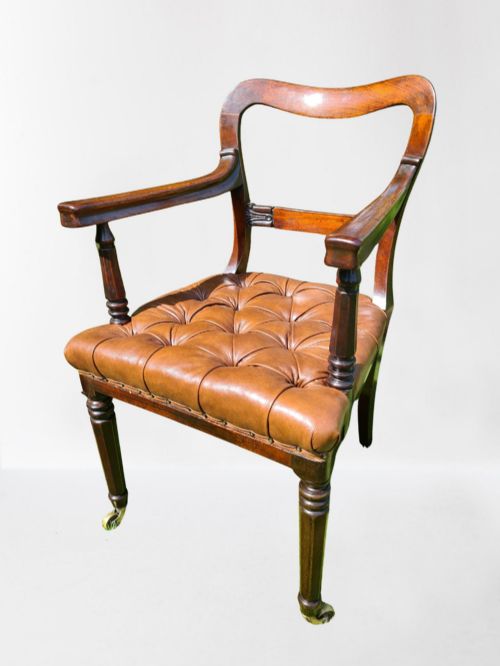
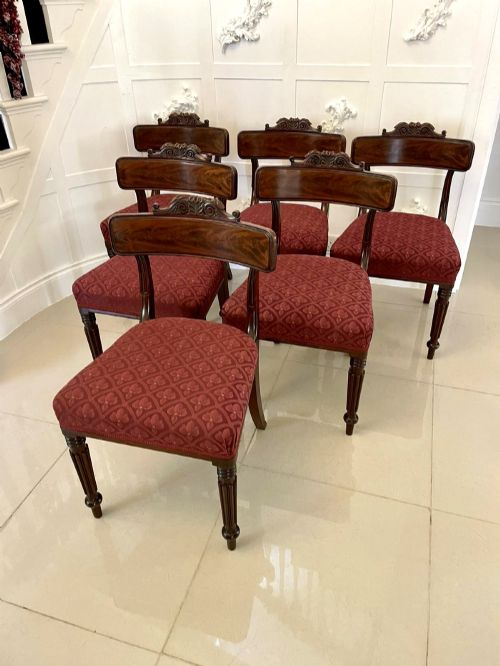
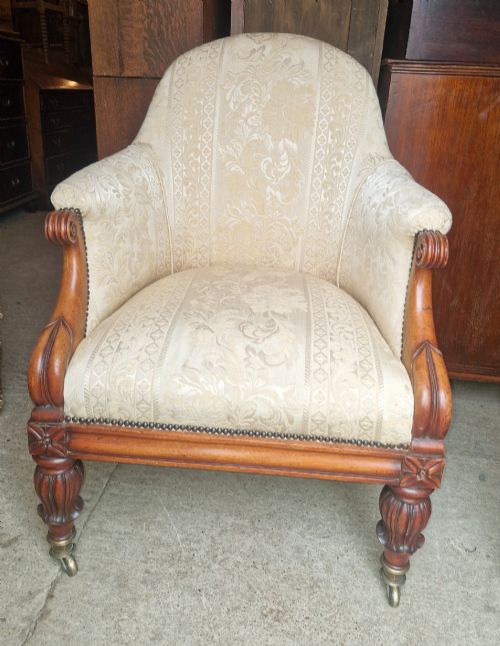
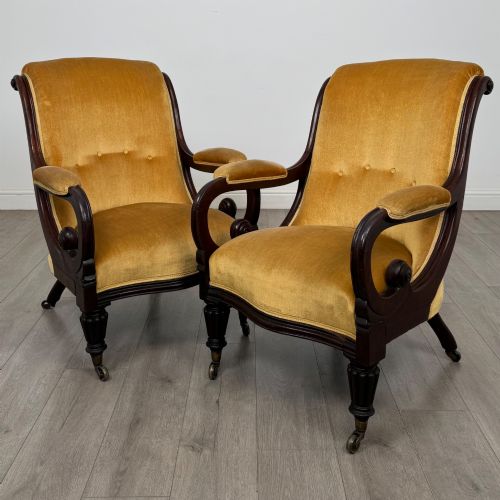
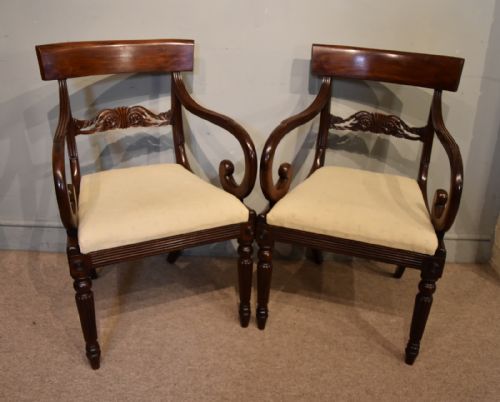
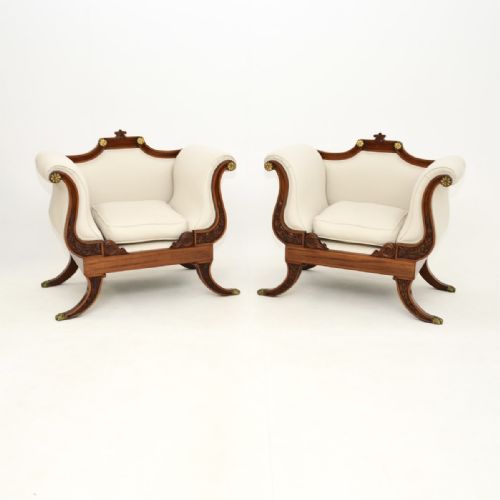
A regency carved library chair is a sturdy seat designed for reading and writing, appearing mostly in mahogany or rosewood across this selection. These pieces frequently date from the Regency period and the wider nineteenth century, often taking the form of armchairs, desk chairs, and bergères.
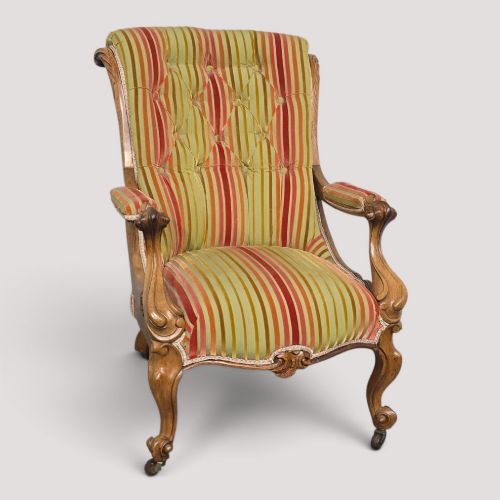
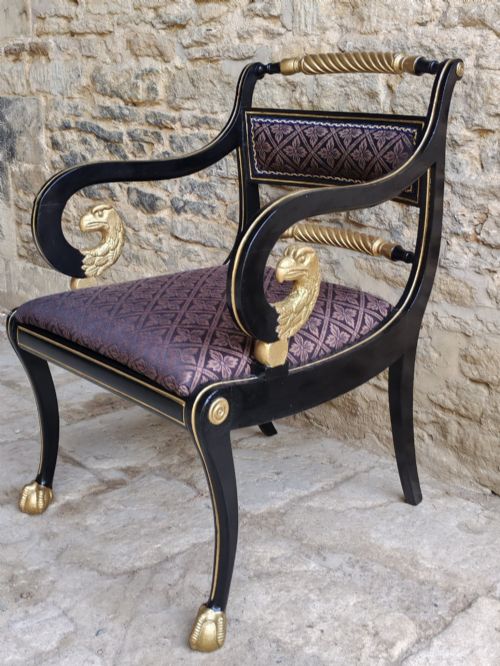
Buyers encounter traditional wood frames paired with leather, fabric, velvet, or cane seating. Many examples display distinct stylistic traits such as lyre fronts, spoon backs, and monopodia supports.
The assortment spans genuine nineteenth-century creations alongside later revivals, reflecting both English craftsmanship and Anglo-Indian influences. Armchairs dominate the current choices, built for comfort at a desk or beside a fireplace.
What varies in quality
The standard of carving across the wooden frame distinguishes standard workshop production from master craftsmanship. Crisp detailing in motifs like lyres and monopodia indicates superior handwork by skilled cabinetmakers.
The selection of primary timber and secondary woods affects the overall weight and durability of the chair. Richly figured grain in the mahogany or rosewood elevates the visual presence of the piece.
The retention of original leather, brass details, and caning influences the integrity of the chair. Uniform ageing across the upholstery and timber framework marks a well-preserved survivor.
Some clever nineteenth-century models double as folding library steps for reaching the top shelf.
Gillows·Thomas Hope·George Bullock·Robert Daws·Morgan and Sanders
The Regency Carved Library Chair Glossary
- Bergère
- An enclosed armchair with upholstered sides and back, frequently featuring cane panels. This form offers a lighter visual weight while retaining solid structural support.
- Monopodia
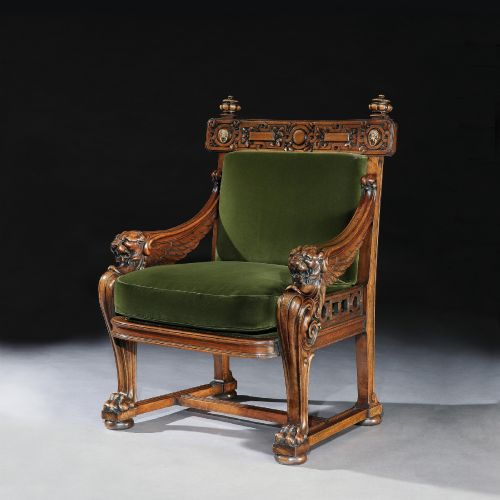
- Carved furniture supports shaped like a single animal leg, often featuring a lion's paw. Makers during the Regency period drew on classical antiquity for these striking motifs.
- Lyre
- A decorative back or front support shaped like an ancient stringed musical instrument. This symmetrical element frequently defines the aesthetic of Regency seating.
- Metamorphic
- Describing furniture designed to transform into another object, such as a chair that converts into library steps. These clever mechanisms combined utility with compact engineering.
- Rosewood
- A dense, heavily figured exotic timber utilised for high-status nineteenth-century furniture. Its deep reddish-brown colour and dark grain patterns made it a favourite for library armchairs.
Regency Carved Library Chair: Frequently Asked Questions
How do I identify a genuine Regency library chair?
Authentic Regency examples typically date from the early nineteenth century and display classical design elements like reeded legs, scroll arms, and carved mahogany or rosewood frames.
Examining the construction methods, timber patination, and joining techniques helps distinguish original period pieces from later nineteenth-century revivals or twentieth-century copies.
Where should I place a library chair at home?
These chairs suit studies, home offices, and reading corners where their supportive arms and ergonomic proportions can be fully utilised. They pair well with writing desks or sit comfortably beside a fireplace.
Ensure the room humidity remains stable to protect the vintage leather, cane, and polished timber surfaces from drying out.
What is a metamorphic library chair?
A metamorphic library chair is a dual-purpose piece engineered to unfold into a set of library steps. Makers designed these clever items for reaching high bookshelves in private libraries.
They combine standard seating comfort with hidden hinges and folding wooden sections.