



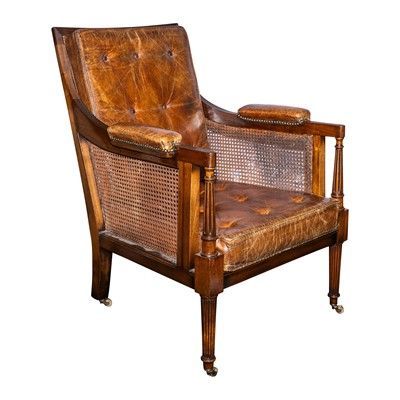

Regency Button Chair
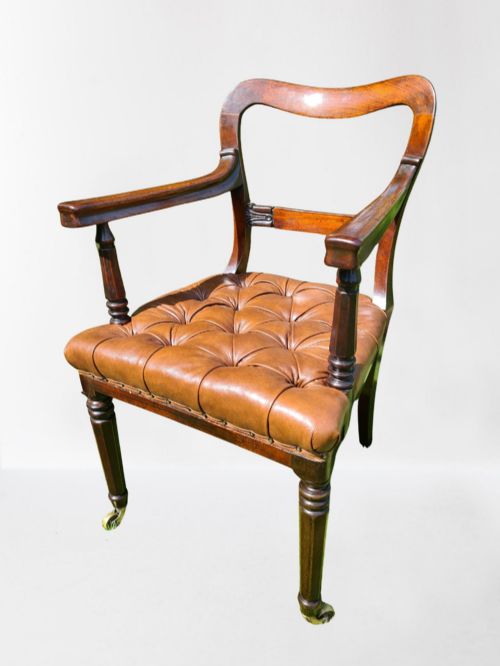
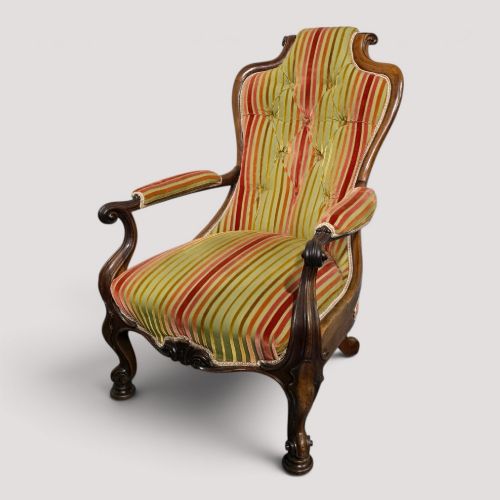
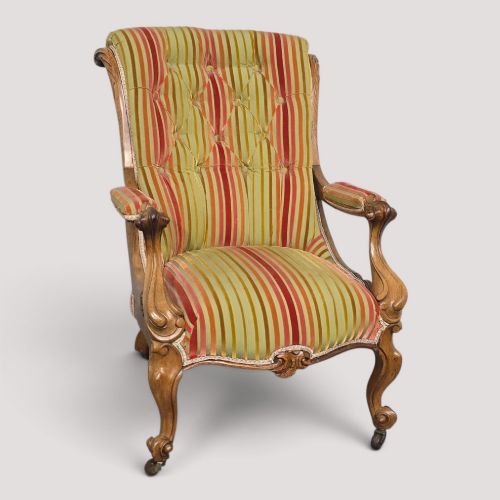
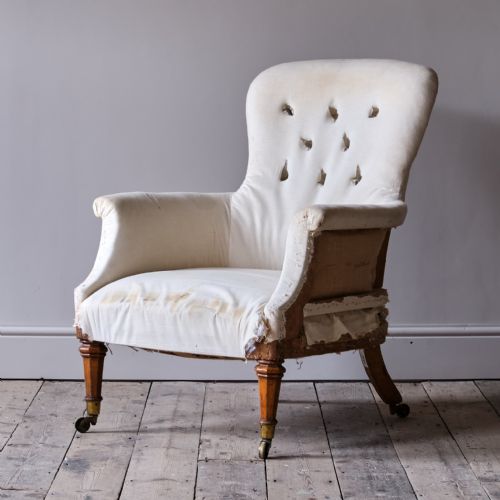
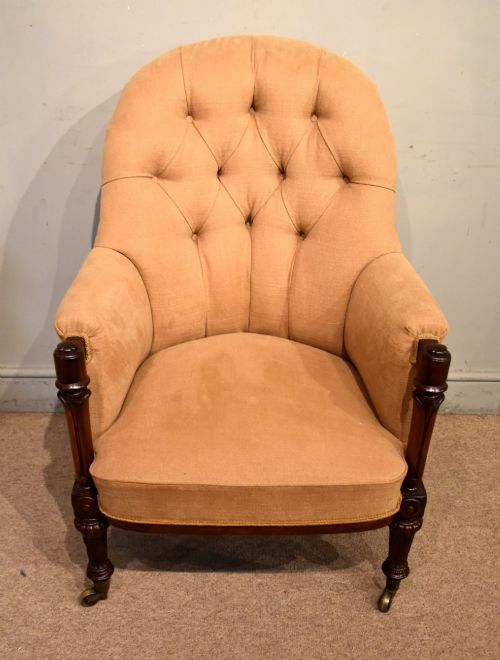
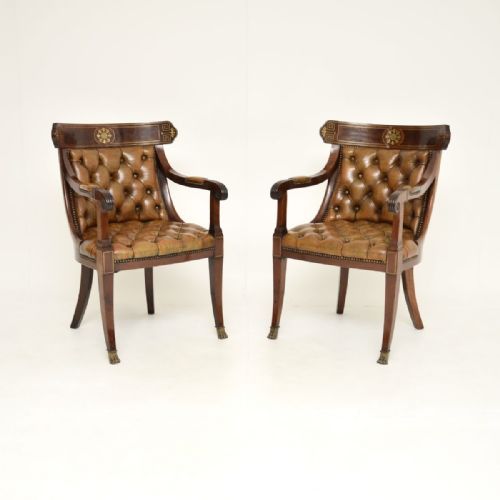
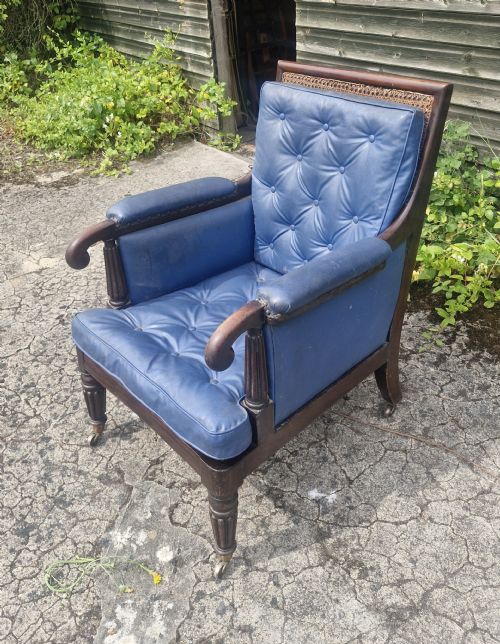
A regency button chair brings substantial nineteenth-century seating into a room through carved rosewood, mahogany, and tailored upholstery.
Regency Button Chair
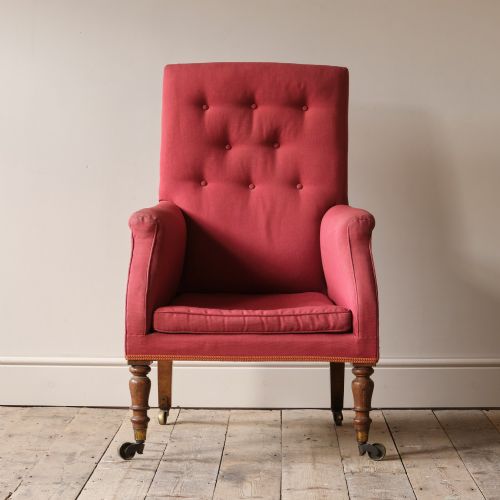
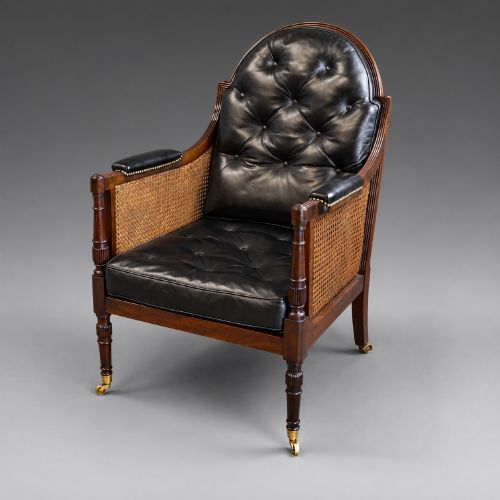
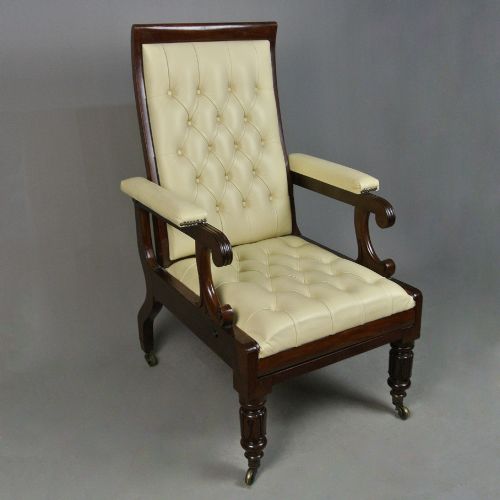
A regency button chair encompasses diverse nineteenth-century seating forms, including library armchairs, bergere chairs, slipper chairs, and reclining chairs. Buyers searching this phrase most frequently encounter mahogany and rosewood armchairs originating from the Regency, George IV, and William IV periods.
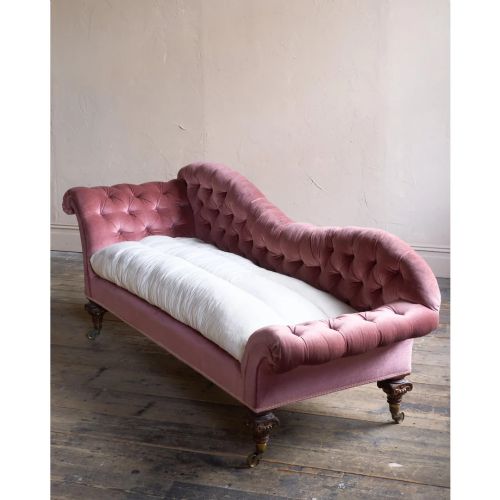
The selection extends across various related forms like desk chairs, music chairs, chaise longues, and window seats from the nineteenth century. These pieces reflect stylistic influences ranging from early nineteenth-century Regency to later Victorian and Regency Revival iterations.
How they were made
Cabinet makers utilised solid mahogany and rosewood for structural frames, frequently incorporating brass inlay and giltwood details. Caning often formed the back or sides of bergere chairs, providing flexible support alongside wooden frames.
Upholstery relied on textiles such as leather, velvet, and fabric to finish seats and backs. Patent mechanisms appeared in specialised reclining designs from the early nineteenth century.
Regency Button Chair Retail Price Guide 2026
Typical asking prices for regency button chair among the pieces listed under this phrase on Sellingantiques today, from the lower quarter to the upper quarter. They describe what is for sale here now, not the wider market.
Certain nineteenth-century makers patented mechanical reclining actions so Victorians could nap in absolute mechanical luxury.
What varies in quality
The refinement of timber carving and the complexity of frame design differentiate standard production from exceptional examples. Dense solid mahogany and richly grained rosewood indicate higher standards of material selection.
The integration of specialised mechanisms, such as reclining actions or patented designs, marks superior workshop execution. Surviving original upholstery materials and brass inlays preserve the integrity of the original construction.
Gillows·Daws Patent·Minter
The Regency Button Chair Glossary
- Curule
- A distinctive X-shaped cross-frame design derived from classical Roman seating forms. This shape appears on select nineteenth-century library armchairs.
- Giltwood
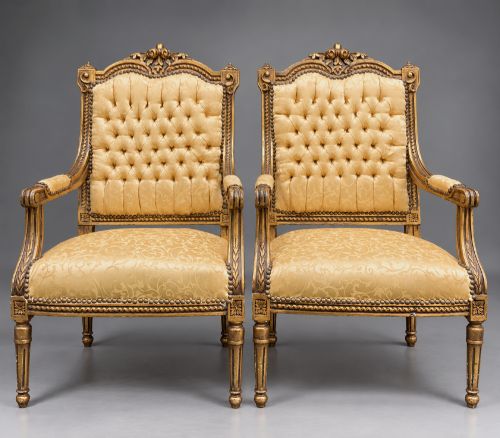
- Timber treated with gold leaf or gilt finish to ornament decorative frames. It surfaces primarily on Regency and revival open armchairs.
- Slipper chair
- A low-seated upholstered chair designed originally for dressing rooms and bedrooms. These pieces typically lack arms for ease of movement.
Regency Button Chair: Frequently Asked Questions
How do I identify a Regency period chair?
Authentic Regency seating typically dates from the early nineteenth century, displaying classical proportions and mahogany or rosewood construction.
Details such as brass inlay, caning, and curule frames help distinguish the era.
Where were these chairs used originally?
These seating forms belonged primarily in libraries, drawing rooms, and country house interiors.
Specific designs served specialised functions, including reading, music performance, and reclining.
How do I care for nineteenth century upholstery?
Preserving leather, velvet, and fabric upholstery requires maintaining stable humidity and avoiding direct sunlight.
Periodic professional cleaning protects delicate textiles and maintains original padding integrity.