



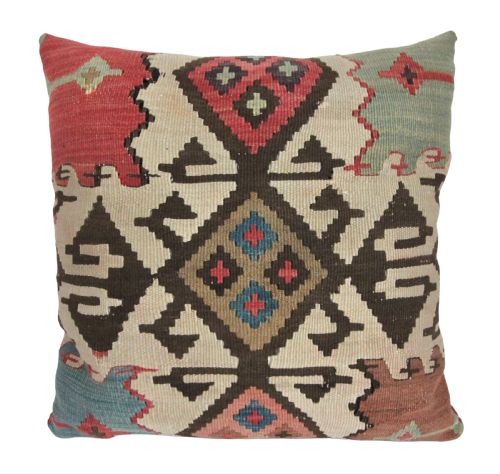


Red Woven Wool Throw
These red woven wool throw options bring genuine historic textile warmth to a room, offering tactile depth and pattern through traditional hand-knotted and woven designs.
Red Woven Wool Throw
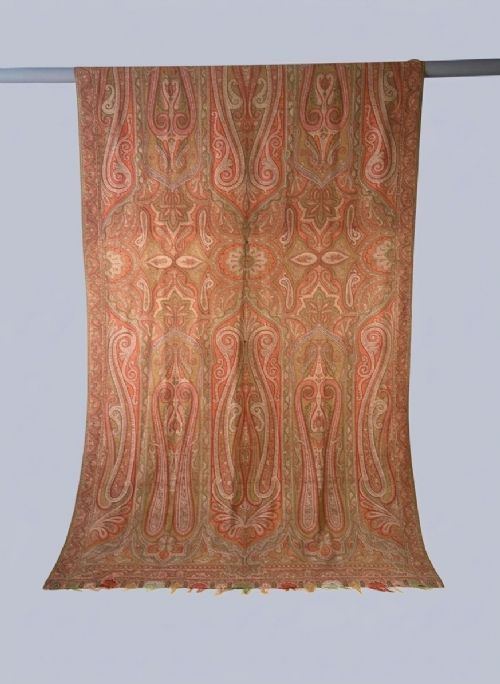
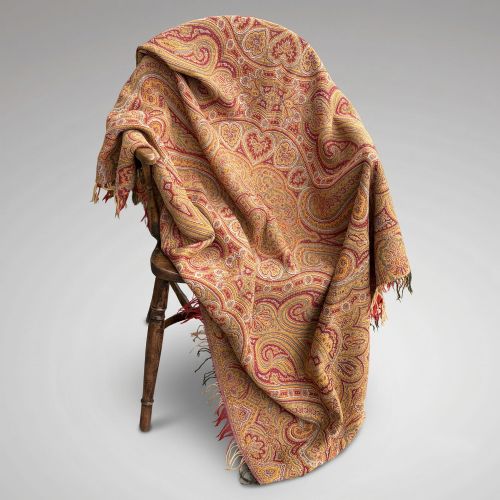
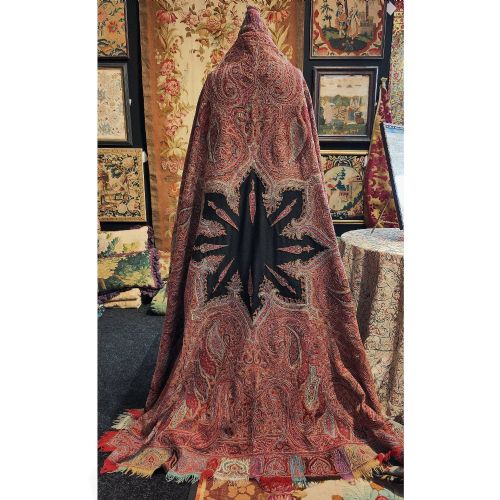
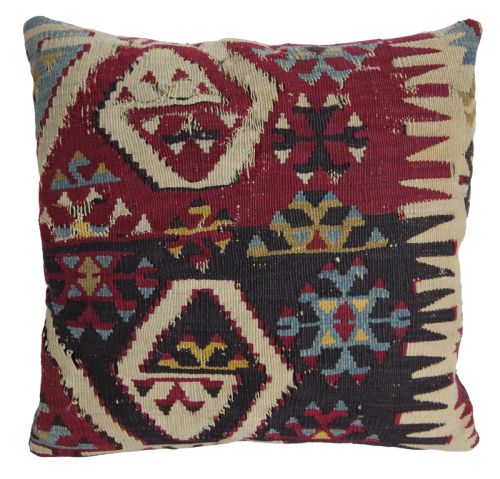
A red woven wool throw encompasses historical textiles, shawls, and cushion covers originating from various tribal and regional traditions. These pieces often feature rich red colour palettes combined with intricate wool weaving.
Buyers will most frequently meet nineteenth-century Kashmiri shawls, Anatolian tribal cushions, and kilim fragments repurposed into home furnishings. The selection spans the mid-nineteenth century up to the early twentieth century.
The objects serve primarily as decorative interior accents, functioning as cushions, prayer rugs, or draped throws. Each item carries the distinct structural hallmarks of nomadic or traditional workshop production.
How these textiles were made
The makers utilised animal fibres, predominantly wool, alongside supplementary cotton and silk threads to build dense, durable textile structures. Hand-weaving techniques dominated, whether through flat-weave kilim construction or intricate shawl embroidery.
Dyers employed natural sources to achieve the deep red tones seen across the pieces, fixing colour within the wool fibres prior to weaving. Skilled artisans then executed traditional tribal motifs or complex Paisley patterns by hand.
Current listings span the nineteenth and early twentieth centuries, featuring wool, cotton, and silk across tribal cushions and shawls.
What varies in quality
The refinement of the weave and the complexity of the pattern dictate the upper tier of these textiles. Finer wool spinning and tightly packed knotting or flat-weaving indicate superior craftsmanship from the workshop or tribe of origin.
The preservation of the original red dye saturation and structural integrity without excessive thread loss marks the distinction between ordinary survival and high-grade preservation.
The Red Woven Wool Throw Glossary
- Kilim
- A flat-woven carpet or rug lacking a pile, produced by tightly interweaving warp and weft strands. This technique creates a smooth, durable textile surface.
- Paisley
- A distinctive tear-drop shaped motif of Persian origin, heavily utilised in nineteenth-century British and Kashmiri shawl production. The design is traditionally woven or printed in rich colour schemes.
- Anatolian
- Pertaining to the historic region of Anatolia in modern-day Turkey, known for distinct tribal weaving traditions. Pieces from this area frequently display geometric symbols.
- Bag face
- The decorative front panel of a nomadic storage bag, removed and preserved as a cushion or small rug. These panels showcase dense tribal iconography.
Red Woven Wool Throw: Frequently Asked Questions
How do I style a red woven wool throw?
Drape these textiles over neutral sofas or armchairs to introduce historic colour and texture into a contemporary living space. They also function well as table covers or wall hangings.
Ensure they are kept away from direct, harsh sunlight to protect the natural red dyes from fading over time. Gentle handling preserves the historic wool and silk fibres.
Are these items authentic antiques?
The inventory comprises pieces dating from the mid-nineteenth century through to the early twentieth century. Each item reflects the manufacturing methods of its specific period and origin.
Material composition typically includes traditional wool, cotton, and silk. Construction methods involve hand-weaving and hand-embroidery appropriate to tribal and regional workshops.
What is an Amli rumal?
An Amli rumal is a Kashmiri shawl embroidered by hand rather than woven on a loom using the traditional twill-tapestry technique. These square textiles feature elaborate floral and paisley designs.
They represent a specific subset of nineteenth-century Kashmiri textile production. The fine embroidery work defines their visual character.