



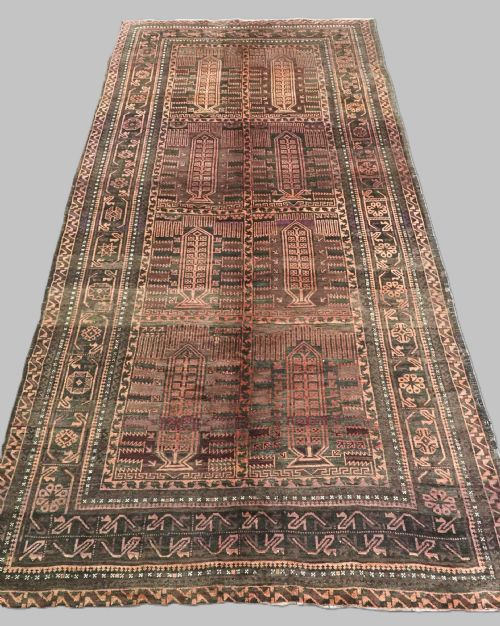
Red Woven Tribal Carpet
A red woven tribal carpet brings warmth and deep heritage into a room, grounding your floor space with centuries of nomadic artistry.
Red Woven Tribal Carpet
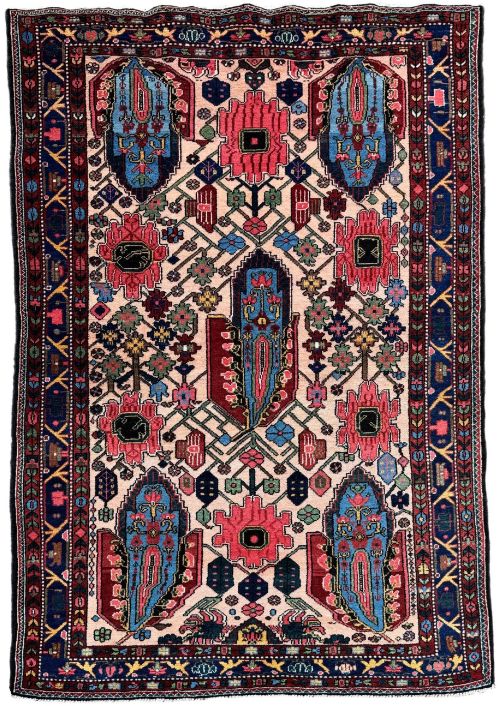
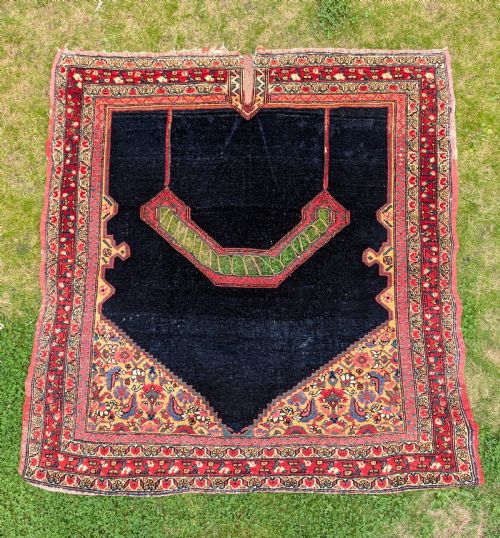
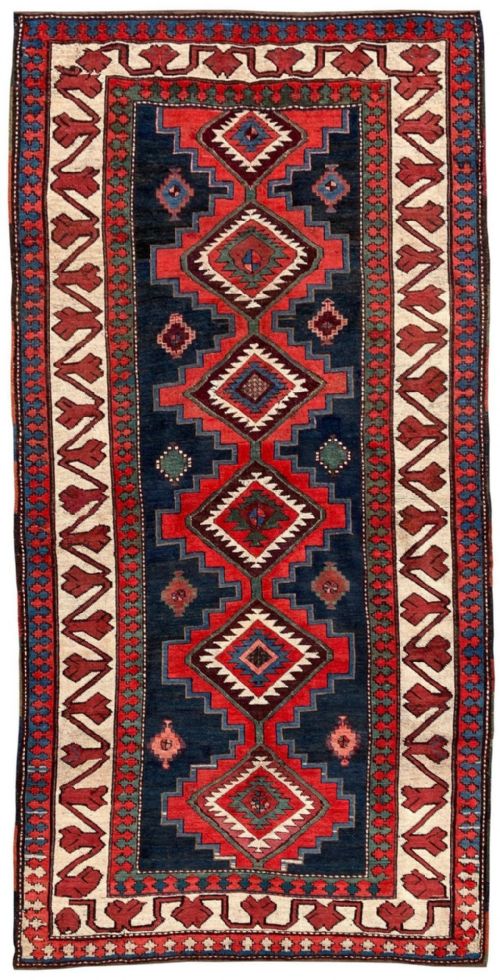
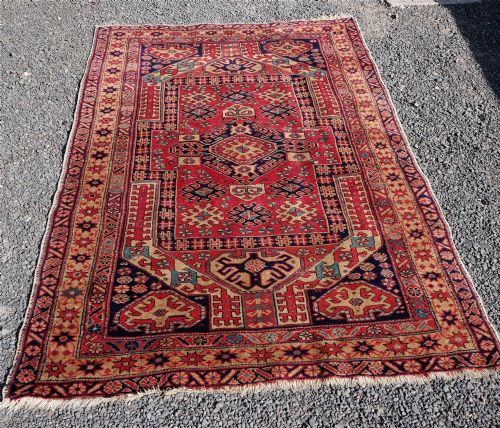
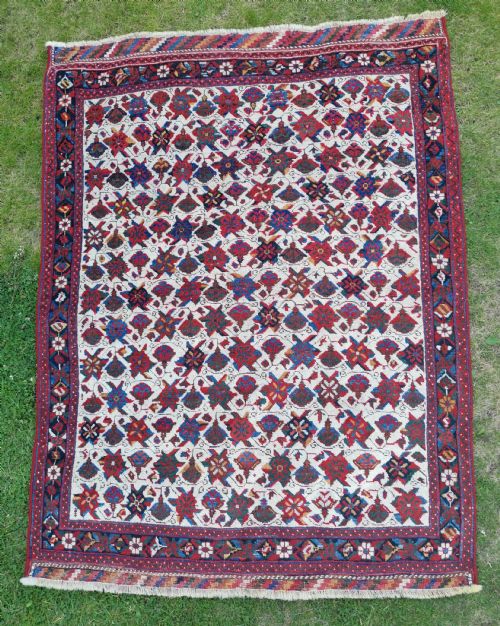
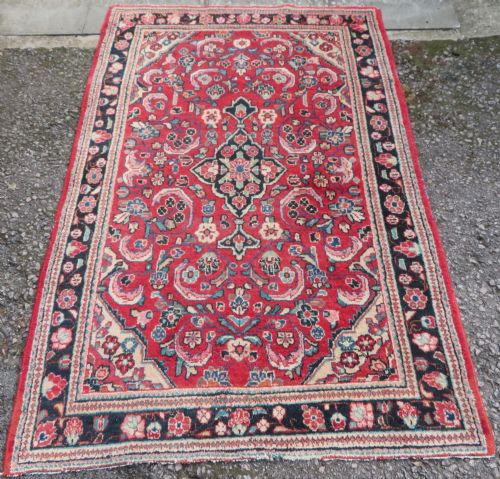
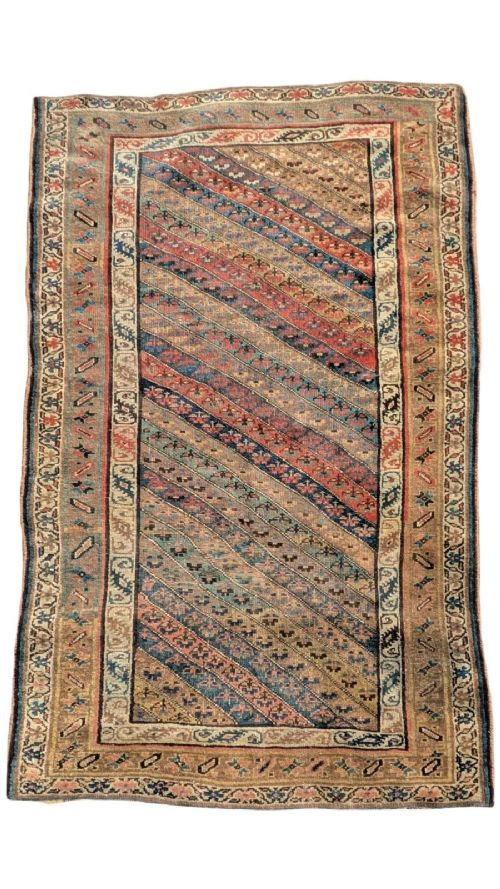
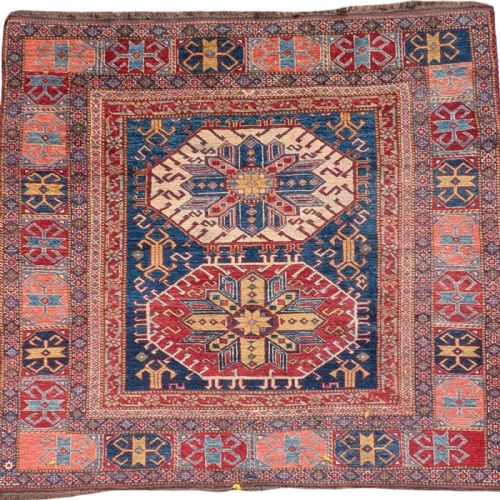
A red woven tribal carpet represents the rich weaving traditions of nomadic and village groups from Persia, the Caucasus, Turkmenistan, and Anatolia. These textiles range from room-sized main carpets down to smaller prayer rugs, saddle covers, and utilitarian bags.
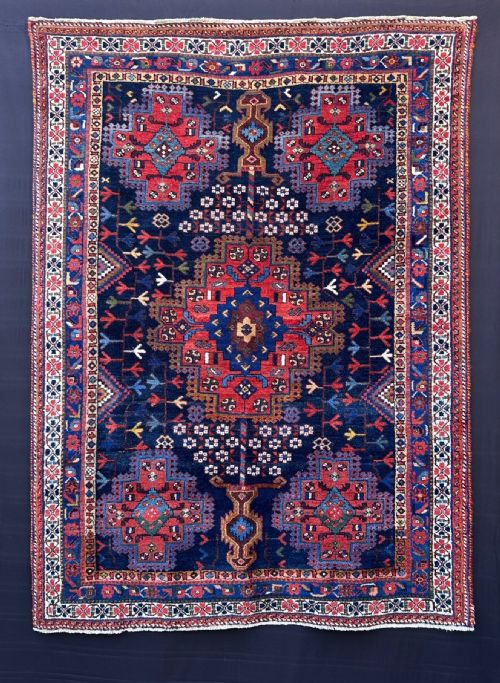
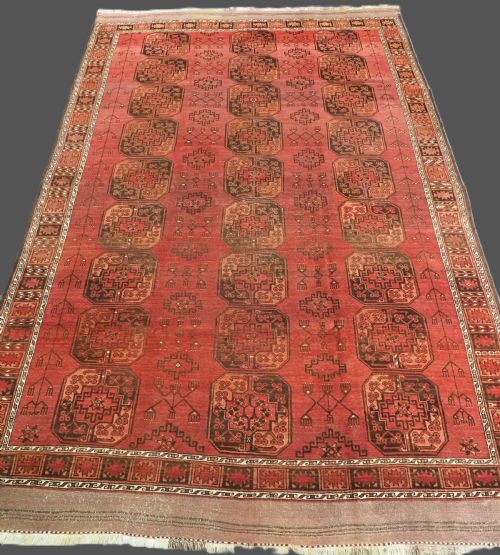
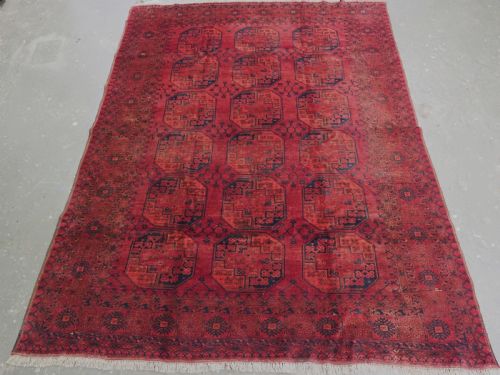
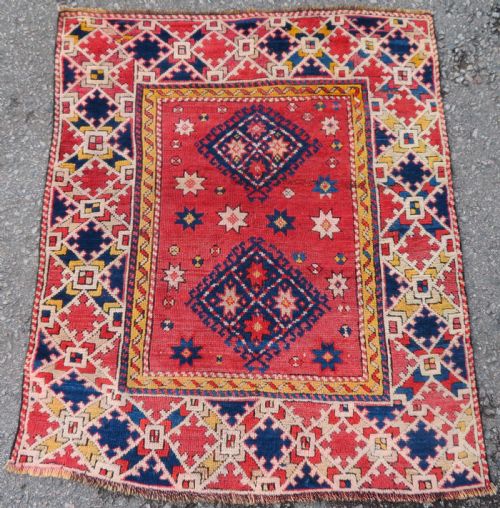
The pieces you encounter most frequently on this page date from the nineteenth century up through the nineteen-thirties. They encompass distinct regional styles such as Kazak, Afshar, Ersari, and Bakhtiar, each carrying specific tribal motifs.
Makers utilised these floor coverings for daily living in tents and village homes, meaning they were built for practical endurance. Their geometric medallions, repeated field patterns, and varied formats reflect the distinct cultural identities of the weavers.
How they were made
The construction relies heavily on natural wool and hand-spun wool, paired with cotton foundations in many village and workshop pieces. Weavers knotted or wove these materials by hand, securing the structure for decades of daily friction.
Dyes derived from local plants and minerals produced the characteristic deep reds and secondary earthy tones seen across these rugs. Artisans worked on vertical or horizontal looms, building up intricate geometric and tribal patterns row by row.
Some nineteenth-century nomads tucked tiny personal amulets directly into the wool weave for good luck.
What varies in quality
The refinement of the knotting and the density of the weave set finer examples apart from coarser utility pieces. Tighter foundations allow intricate geometric motifs to hold their crisp edges over generations of use.
The depth and nuance of the natural dye palette contribute significantly to a carpet's visual power. Subtle tonal shifts within the red fields indicate skilled dye work and superior wool preparation.
The Red Woven Tribal Carpet Glossary
- Medallion
- A central ornamental motif placed in the middle of the carpet field. These designs often feature geometric or stepped outlines in tribal weaving.
- Prayer rug
- A small format textile featuring a mihrab or niche design at one end. Weavers originally produced these for daily Islamic prayer.
- Flatweave
- A textile constructed without a knotted pile by interweaving warp and weft threads. Examples include kilims and certain covers.
- Warp
- The vertical foundation threads stretched lengthwise on the loom before weaving begins. All the subsequent knots and wefts tie around these structural lines.
- Weft
- The horizontal threads passed across the warp to hold the knots in place. They provide structural stability to the body of the rug.
Red Woven Tribal Carpet: Frequently Asked Questions
How do I care for my tribal carpet?
Regular gentle vacuuming without a rotating brush roll keeps dust from settling into the wool pile. Professional cleaning by a specialist in antique textiles preserves the natural fibres.
Keep the rug out of direct sunlight to prevent the red dyes from fading unevenly over time. Rotating the piece occasionally ensures even wear in high-traffic hallways or living spaces.
Where were these tribal rugs made?
Nomadic and village weavers produced these textiles across Central Asia, Persia, and the Caucasus. Specific tribal groups such as the Ersari, Afshar, and Kazak each developed distinct weaving centres.
Geography dictated the materials available, leading to regional variations in wool quality and dye recipes. Local surroundings directly influenced the specific geometric designs and border patterns used.
How do I identify different tribal styles?
Examining the specific geometry, border arrangements, and colour palette helps distinguish between regional groups. Caucasian pieces often display sharp, highly geometric medallions, while Turkmen rugs favour deep red grounds with repeated guls.
Familiarity with structural traits like wool texture and edge finishing further clarifies attribution. Each weaving group maintained distinct traditions passed down through generations.