


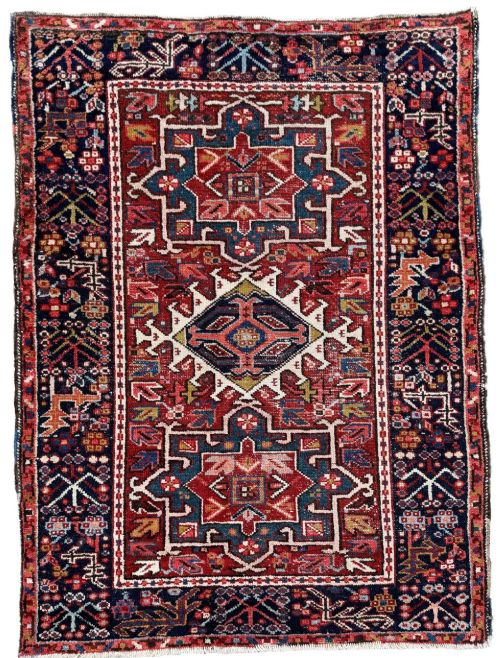


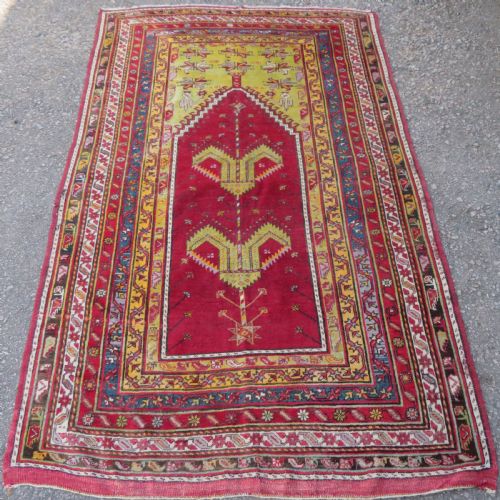
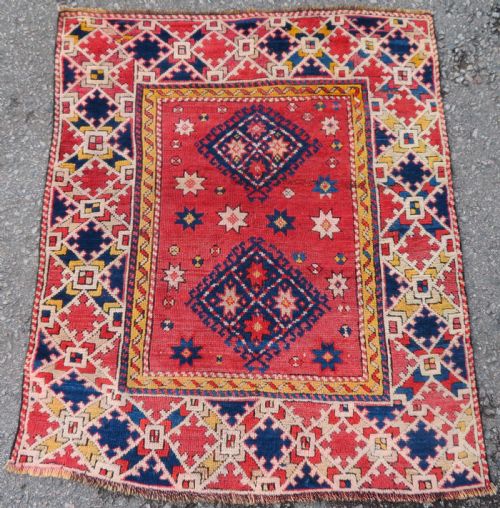
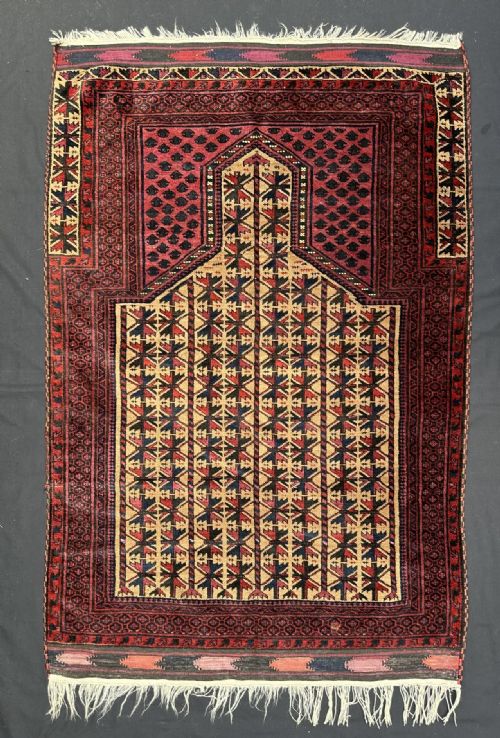
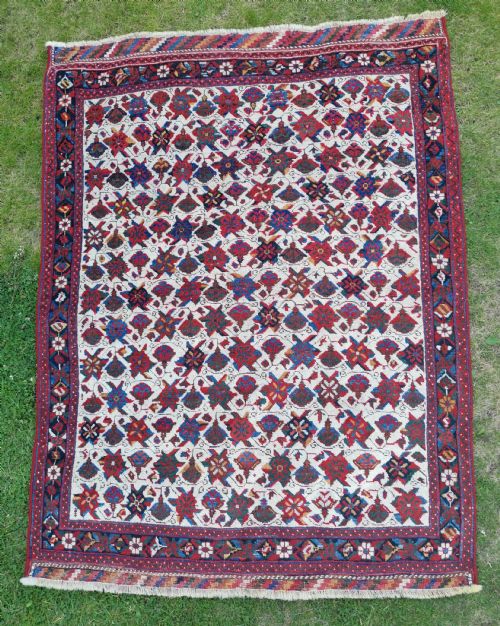
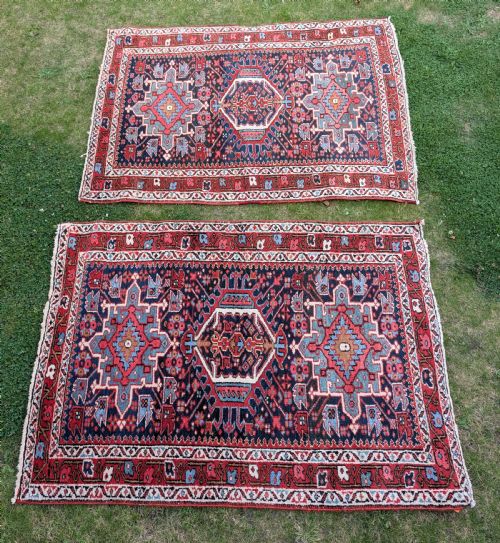
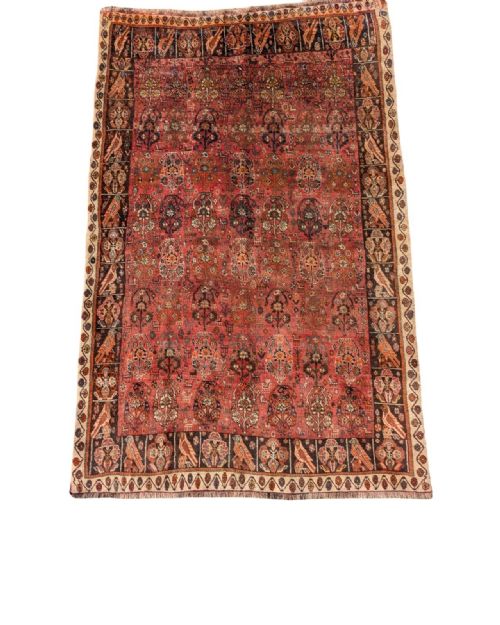
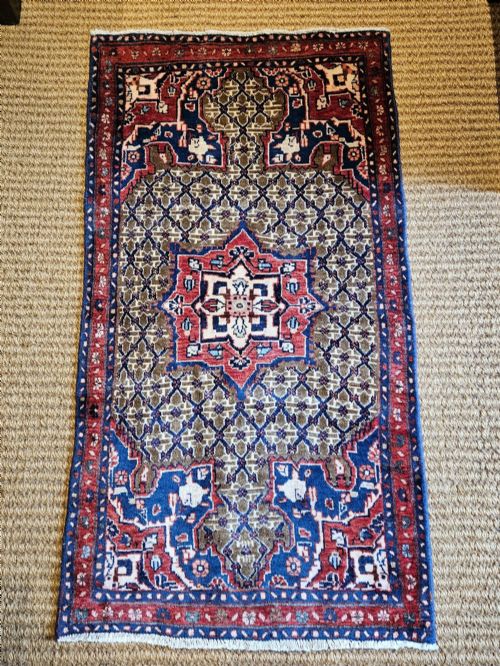
Red Wool Tribal Mat
A red wool tribal mat brings hand-knotted nomadic warmth into a room through rich red tones and geometric patterns.
Red Wool Tribal Mat
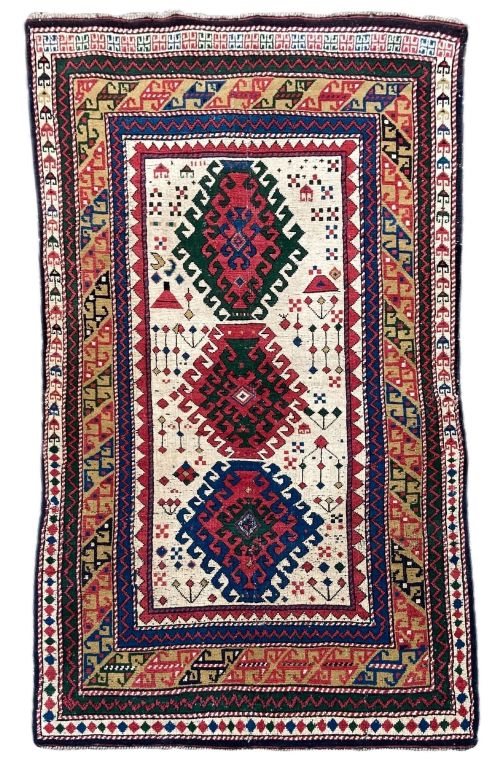
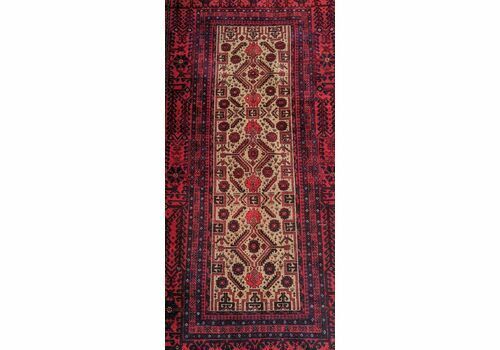
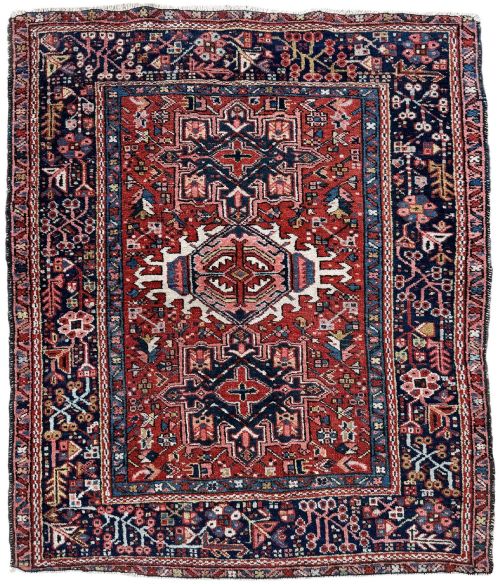
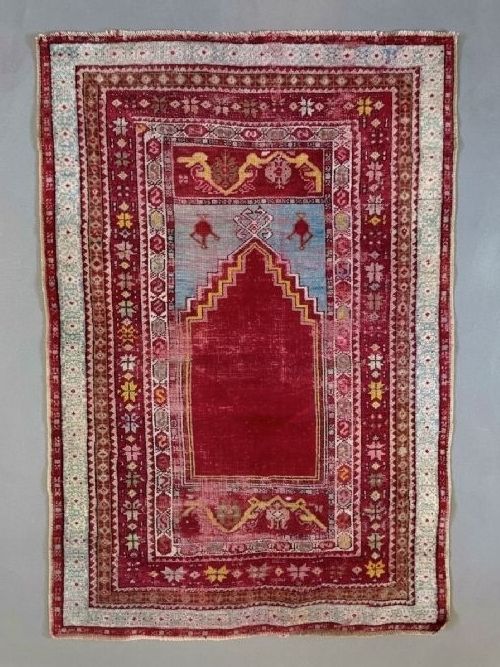
A red wool tribal mat embodies the woven artistry of nomadic and village weavers across Persia, Anatolia, the Caucasus, and Central Asia. These textiles take the form of small rugs, prayer rugs, saddle covers, bag faces, and torbas created for functional use within tribal life.
The selection on this page centres on pieces originating from the nineteenth and early twentieth centuries, spanning periods from the 1850s to the 1930s. Buyers will frequently encounter regional formats such as Baluch, Karaja, Yomut Turkmen, and Afshar pieces alongside prayer rugs featuring characteristic mihrab designs.
Village and nomadic workshops produced these mats to serve practical roles as hearth rugs, meditation spaces, or animal trappings. Their enduring appeal lies in the rich crimson and madder red grounds paired with traditional tribal motifs.
What varies in quality
Quality in these woven textiles rests on the integrity of the natural dyes and the density of the hand-spun wool used across the pile. Strong, unfaded red grounds and saturated secondary tones indicate superior dye preparation and mordant use.
The precision and complexity of the tribal iconography, such as well-drawn guls, lattice designs, or double mihrabs, separate standard utilitarian items from finer collector examples. Original condition elements like intact tassels, secured selvedges, and minimal pile loss further elevate the standing of an individual mat.
Listings feature nineteen-century and early twentieth-century regional styles including Persian Tribal, Turkmen Tribal, Anatolian Tribal, and Caucasian.
The Red Wool Tribal Mat Glossary
- Mihrab
- The arched design element found on prayer rugs, representing the direction of prayer towards Mecca. It often dictates the primary orientation of the rug's central field.
- Gul
- A repeating medallion or octagonal motif used extensively in Turkmen and Central Asian weaving traditions. Each tribe utilised distinct stylistic variations for identification.
- Torba
- A small storage bag face produced by Turkmen nomads for tent organisation and domestic utility. These panels display intricate geometric guls and flat-woven backs.
- Sofreh
- A plain-weave or piled spread used for handling bread or sharing meals within nomadic households. They often feature minimalist border arrangements and earthy red fields.
- Selvedge
- The bound or reinforced edge running parallel to the warp threads that prevents the rug from fraying. Original selvedges indicate a textile has retained its structural integrity over time.
Red Wool Tribal Mat: Frequently Asked Questions
How were these tribal mats originally used?
Nomadic and village communities utilised these textiles as floor coverings, prayer spaces, animal trappings, and storage bags within daily domestic life.
Items such as saddle covers and torba faces served specific functional roles during seasonal migrations before entering the collector market as decorative panels.
What materials make up a traditional red wool mat?
The pile consists primarily of hand-spun sheep's wool, occasionally supplemented by goat hair or fine silk highlights in specific regional types. Foundations rely on sturdy wool or cotton warps and wefts dyed with natural plant and insect extracts.
These organic materials allow the red wool pile to absorb dyes deeply and develop a rich patina over decades of ageing.
How can I tell different tribal designs apart?
Tribal attribution relies on characteristic motifs, knotting structures, and colour combinations unique to specific regions like the Caucasus, Anatolia, or Turkmenistan. Turkmen pieces frequently display repeating guls, while Baluch and Afshar works often incorporate darker palettes and camel hair accents.
Study the border arrangements and secondary filler motifs to identify the specific weaving group or borderlands region.
How do I care for an antique wool rug at home?
Protect antique wool textiles by placing them in low-traffic areas away from direct, harsh sunlight to preserve the natural red dyes. Gentle vacuuming without a rotating beater bar prevents fibre damage while removing surface dust.
Allow professional textile conservators to handle deep cleaning and structural repairs to maintain the historical integrity of the piece.