




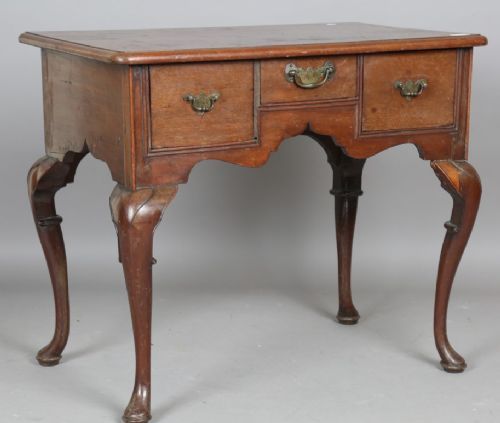

Red Walnut Side Table
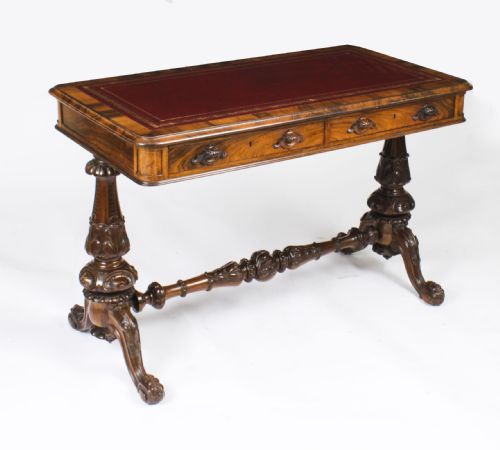
A red walnut side table brings rich timber figure and Georgian proportion to a room, offering both a surface for display and small drawers for storage.
Red Walnut Side Table
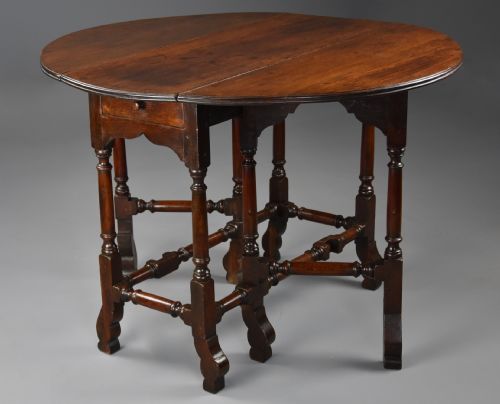
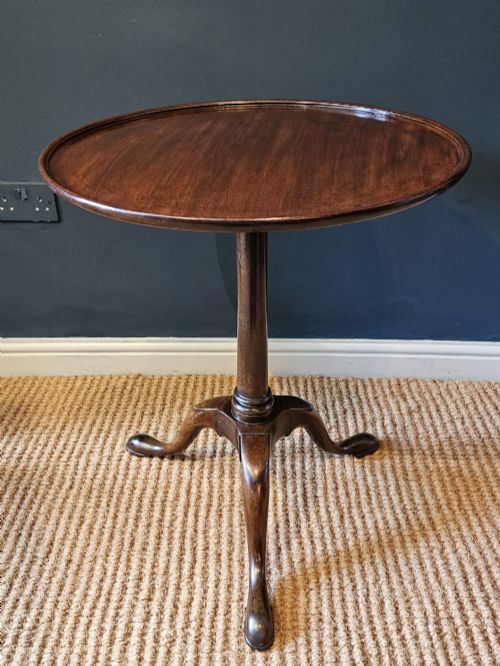
A red walnut side table encompasses lowboys, fold-over tea tables, drop-leaf gateleg forms, and small occasional pieces designed to stand against a wall or beside a chair. These objects date primarily from the eighteenth century into the Victorian and Edwardian eras, reflecting shifts in domestic utility and cabinet-making fashions.
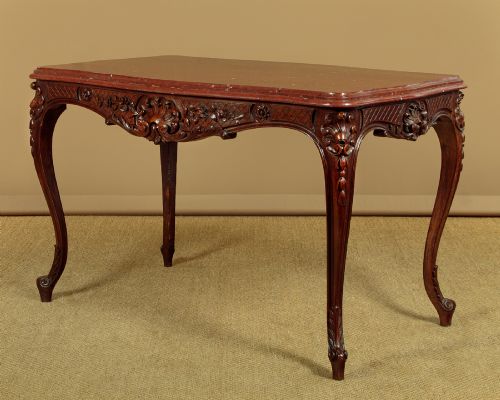
The material distinguishes itself through deep reddish tones and distinctive grain patterns, often found in Georgian lowboys and side tables fitted with drawers. Many examples display cabriole legs, occasionally terminating in pad feet or featuring distinct joinery characteristic of early periods.
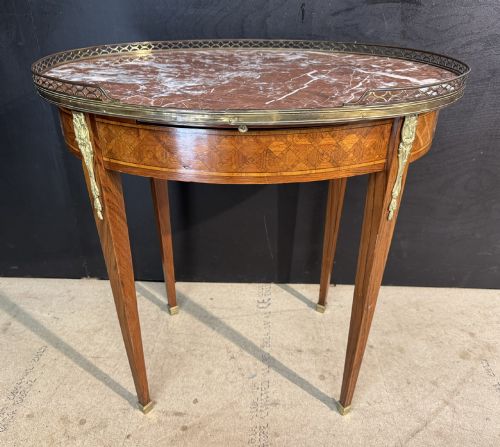
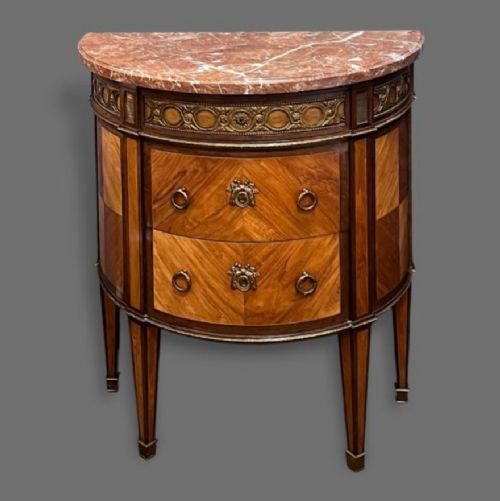
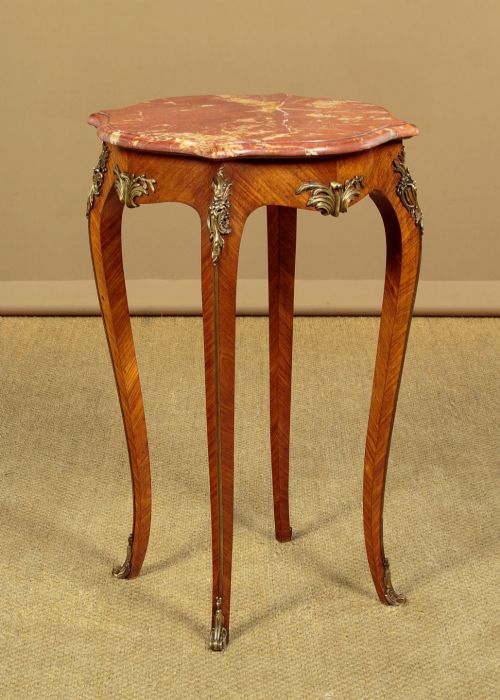
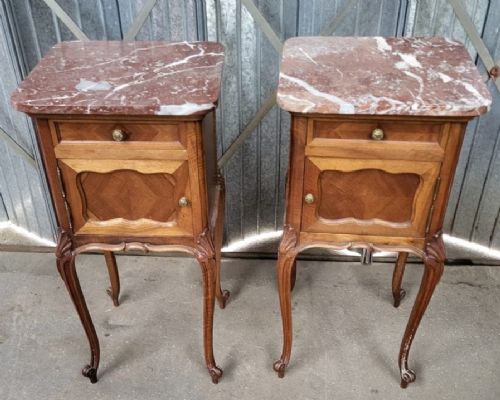
Beyond the standard side table, related forms appear across the inventory, including writing tables, bedside cabinets, and occasional tables incorporating marble tops or brass fittings. Buyers will encounter both English Georgian craftsmanship and later continental interpretations sharing similar timber choices.
How they were made
Cabinet-makers utilised solid red walnut and figured veneers laid over secondary timbers, securing panels with traditional mortise and tenon joinery. Surfaces were polished by hand to accentuate the natural figuring of the wood.
Hardware such as brass handles, drop pulls, and escutcheons were cast and fitted by hand to drawers and doors. Supplemental materials like rouge marble, leather writing inserts, and gilt bronze mounts appear on specific refined forms from the nineteenth century onward.
Listings feature walnut, brass, marble, leather, and gilt bronze across eighteenth-century and Victorian forms.
What varies in quality
The distinction between tiers rests upon the choice of timber figure, the crispness of carved details such as cabriole legs or frieze drawers, and the integrity of the original construction. Pieces exhibiting strong, uniform grain patterns and untouched patination command greater appreciation among collectors.
Subtleties in proportion and the retention of original brass hardware, secondary woods, and polished finishes define the upper echelon of surviving examples. Alterations to tops, replacement legs, or excessive refinishing diminish the historic character of the object.
Edwards & Roberts·L.Martin of Paris
The Red Walnut Side Table Glossary
- Lowboy
- A small oak, walnut, or mahogany table with one or more drawers, originating in the late seventeenth century and frequently serving as a dressing or side table.
- Gateleg table
- A table with hinged leaves supported by swing-out legs that pivot from the frame to hold the flaps in position when raised.
- Cabriole leg
- A furniture leg that curves outward at the knee and tapers inward toward the foot, often mimicking animal limbs in various style periods.
- Quarter veneered
- A method of arranging four matching veneer slices cut from the same log section to create a symmetrical geometric pattern across a tabletop or drawer front.
- Drop leaf
- A hinged table leaf that hangs down at the side of the table when not in use and lifts to expand the surface area.
Red Walnut Side Table: Frequently Asked Questions
How do I date a red walnut side table?
Dating relies upon examining construction methods, timber choice, and hardware styles consistent with known periods such as the Georgian era or the eighteenth century. Secondary woods inside drawers and the presence of hand-cut dovetails offer further chronological clues.
Cabinet-making techniques evolved over time, shifting from early pegged joints to more refined machine-aided construction in the later Victorian and Edwardian periods.
What is the difference between a lowboy and a side table?
A lowboy specifically designates a low-standing table equipped with one or multiple drawers, traditionally utilised for personal grooming or as a small writing surface in eighteenth-century interiors.
A side table serves a broader functional category, encompassing pieces without drawers, console tables, and occasional furniture designed purely for placement against room perimeters.
Where should I place a side table in my home?
These tables adapt well to hallways, living rooms, and bedrooms, functioning as surfaces for lamps, decorative objects, or occasional correspondence.
Due to their modest proportions, lowboys and drop-leaf forms fit comfortably beside seating arrangements or within narrow transitional spaces.
How should I care for antique walnut furniture?
Maintaining walnut surfaces requires avoiding direct sunlight and excessive humidity fluctuations that can dry out old timber and crack veneers.
Applying occasional appropriate wax polish helps nourish the grain and preserves the historic patina developed over centuries of use.