


Red Uniform Painting
A red uniform painting captures the striking scarlet coats and military pageantry of past regiments.
Red Uniform Painting
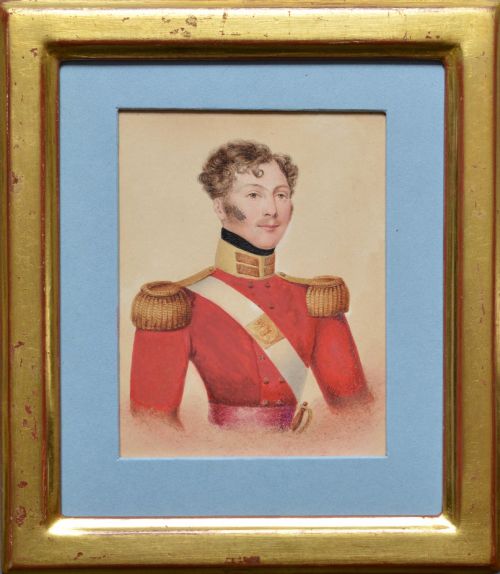
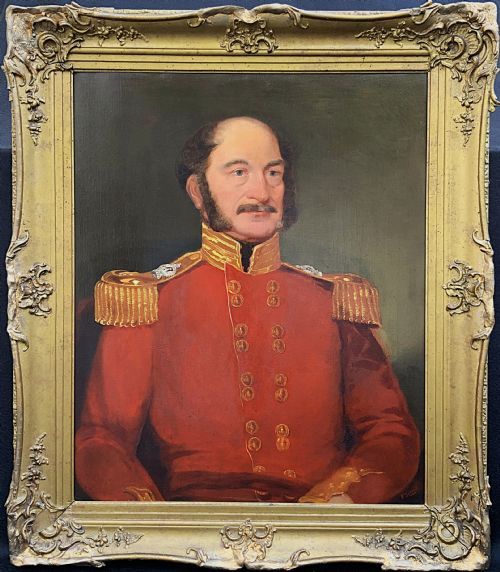
A red uniform painting depicts military officers, generals, and gentlemen dressed in distinct red coats, tunics, and ceremonial attire. These works frequently emerge from the eighteenth and nineteenth centuries, capturing the formal posture and disciplined appearance of historical service personnel.
Buyers will encounter various formats on this page, ranging from detailed watercolour paintings on paper to large oil paintings on canvas. Portrait miniatures and framed works showcasing individual officers or mounted cavalrymen dominate the selection.
The subjects span British school pieces, regimental officers from overseas service, and portraits attributed to known artists of the period. Alongside traditional canvases, the selection includes decorative painted figures from the interwar period.
How they were made
Artists painted these military subjects using oil paint on canvas or fine watercolour pigments applied to paper. Painters built up the rich scarlet tones of the coats using layered pigments to achieve depth in the uniform fabric and gold lace detailing.
Surviving works are frequently housed in period wooden frames, occasionally with decorative gilt finishes that complement the formality of the portrait. The support materials range from heavy woven canvas to delicate paper sheets preserved under glass.
Several military gentlemen share the canvas with faithful King Charles spaniels.
What varies in quality
The fidelity of the facial likeness and the precise rendering of regimental insignia separate standard works from superior examples. Skilled artists captured the texture of wool tweed tunics, brass buttons, and facial expressions with remarkable precision.
The preservation of the pigment, particularly the vibrant red hues which are susceptible to fading, influences the visual impact of the piece. Original framing and documented attributions to named portraitists also elevate the standing of an artwork.
Edward Pugh·Henry Walton·Henry Hoppner Meyer·Sir Richard Westmacott·Harry Ashby
The Red Uniform Painting Glossary
- Watercolour
- A painting method where fine pigment is suspended in a water-based solution and applied to paper. This medium allows for translucent washes and delicate detail work.
- Oil on Canvas
- A traditional technique using pigments bound in a drying oil medium applied to a stretched cloth surface. It permits rich colour saturation and blending.
- Portrait Miniature
- A small, highly detailed painting, often executed on a diminutive scale during the eighteenth and nineteenth centuries. These intimate works frequently depict officers or nobility.
- Gilt-wood
- Wood that has been coated with a thin layer of gold leaf or metallic paint. This finish appears frequently on historical picture frames.
- Folk Art
- Artistic work created from a cultural tradition outside the academic mainstream, often characterised by a naive or primitive style.
Red Uniform Painting: Frequently Asked Questions
What periods do these paintings date from?
The available artworks span the eighteenth, nineteenth, and twentieth centuries, with a heavy concentration of pieces originating from the 1700s and 1800s.
Collectors will also find twentieth-century pieces, including interwar works and retrospective styles reflecting earlier centuries.
Who is usually depicted in the portraits?
The subjects are typically military officers, generals, hussars, and gentlemen connected to British regiments and overseas service.
Named figures include commanders-in-chief, wool manufacturers in ceremonial dress, and members of various infantry and cavalry units.
What materials were used for these artworks?
Artists utilised oil paint on canvas and watercolours on paper as the primary mediums for capturing these military subjects.
Supporting elements include wooden frames, glass protection for watercolours, and occasionally decorative gilt-wood enclosures.
How do I care for an antique painting?
Keep the artworks away from direct sunlight to prevent the red pigments and paper supports from fading over time.
Maintain stable room temperatures and avoid excessive humidity to protect canvases, wooden frames, and paper.