
Red Tribal Wall Textile
A red tribal wall textile brings rich nomadic heritage indoors through striking geometric patterns and deep crimson hues crafted by Central Asian and Persian makers.
Red Tribal Wall Textile
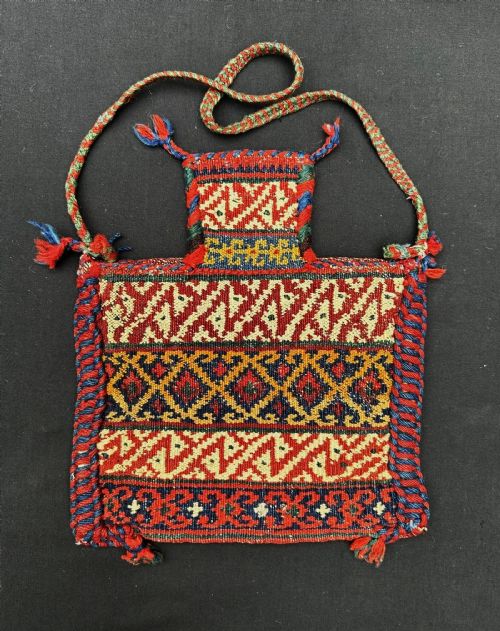
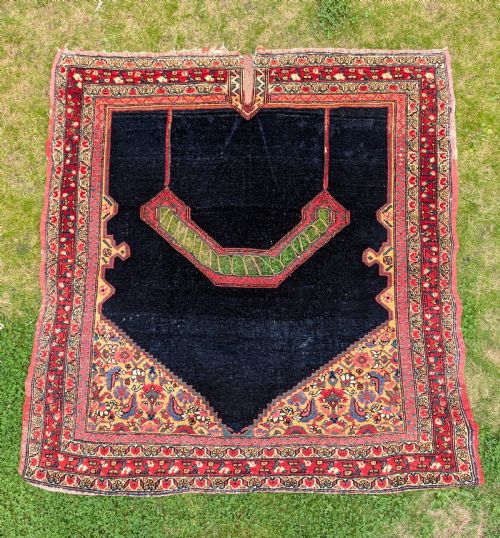
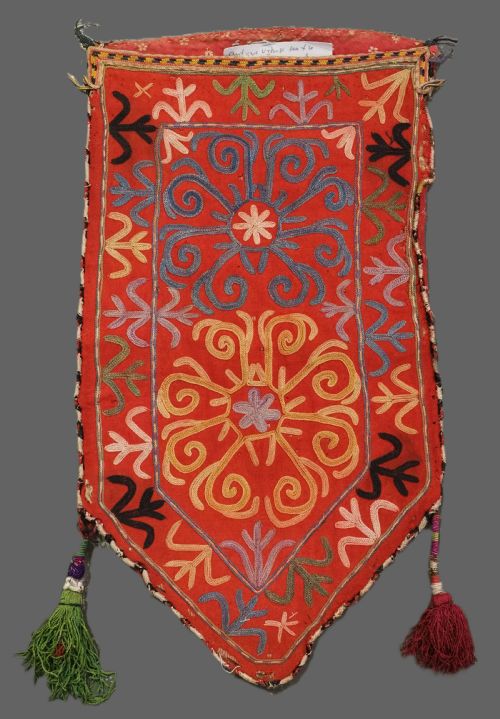
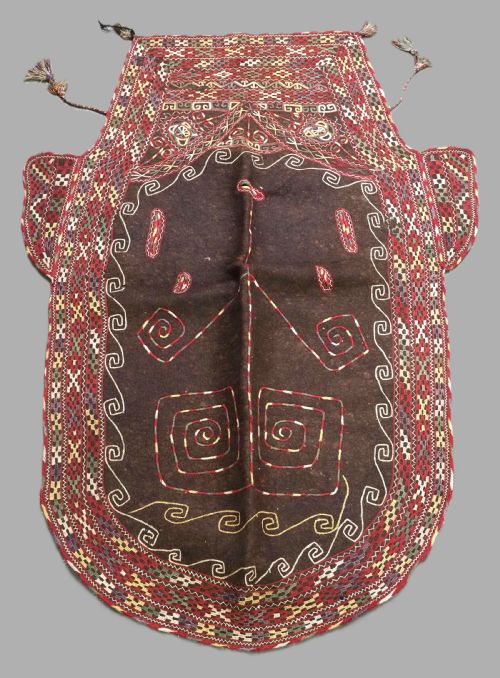
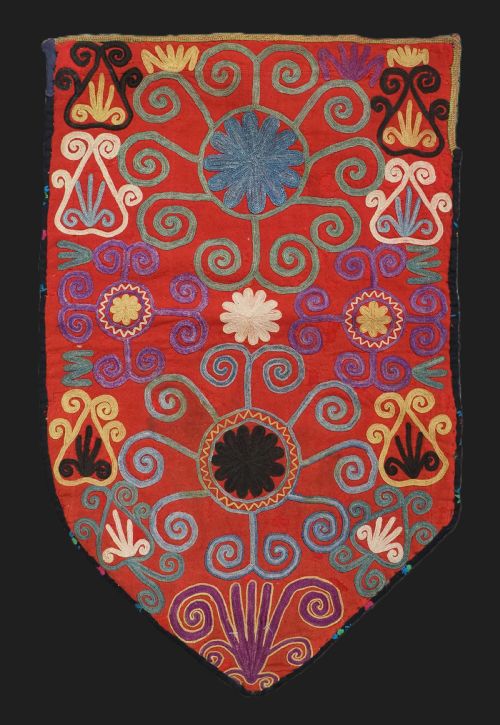
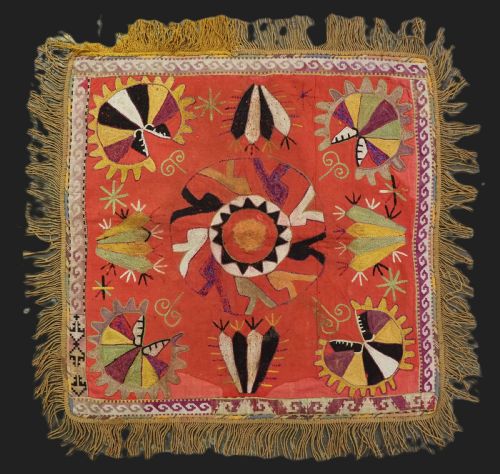
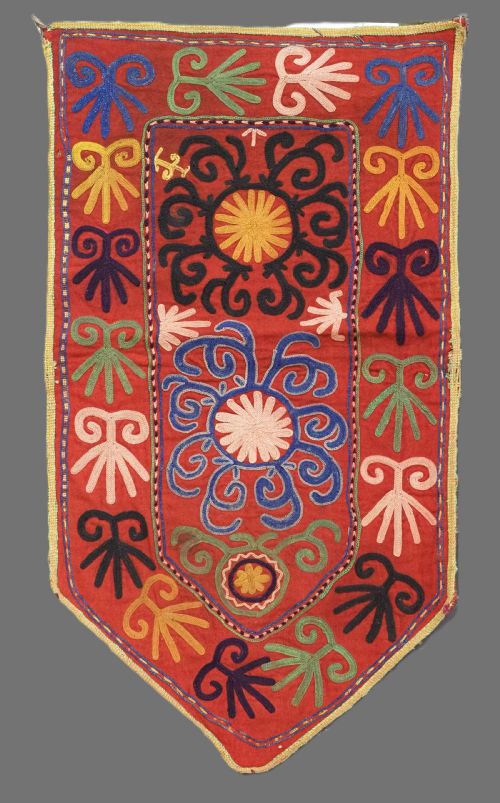
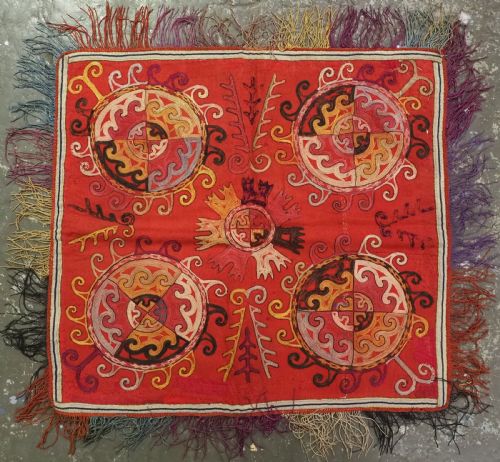
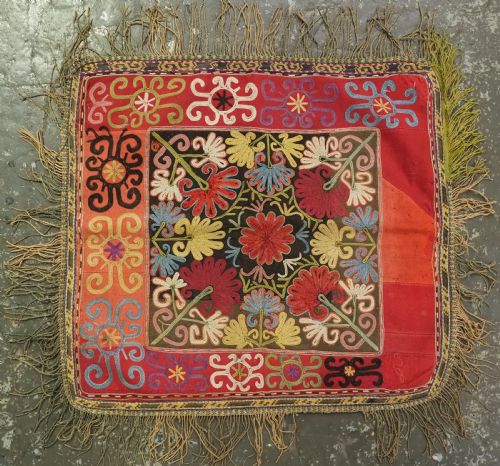
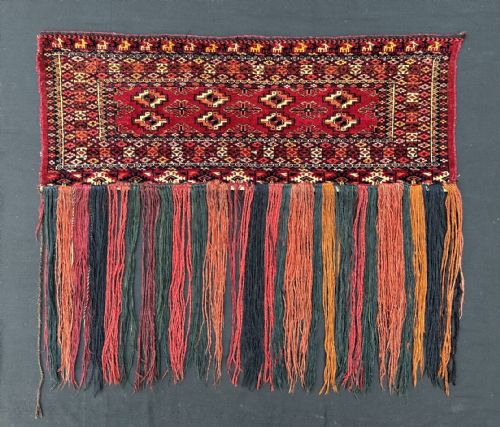
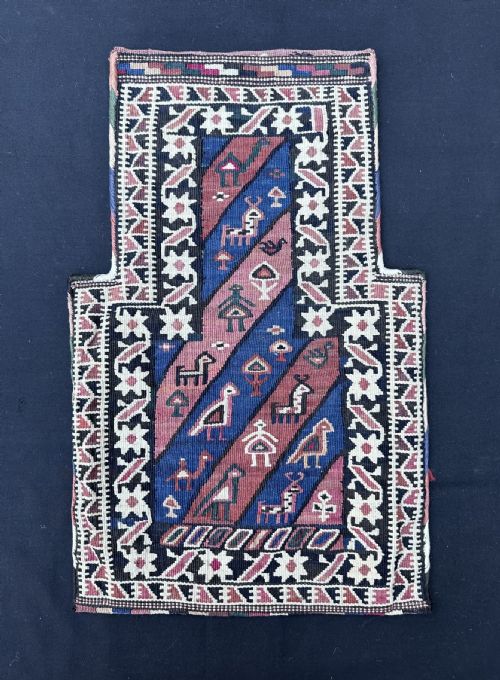
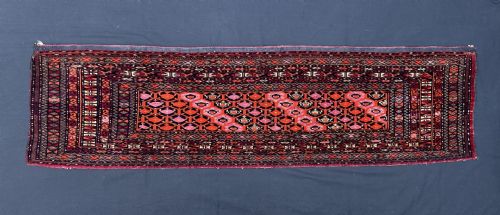
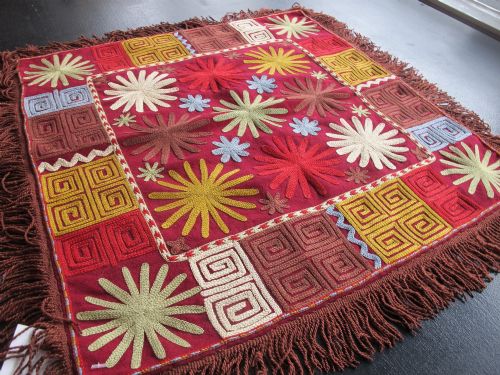
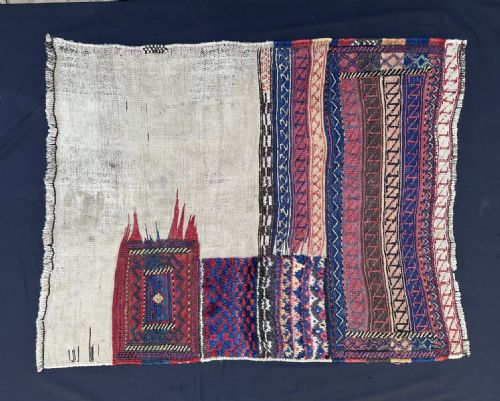
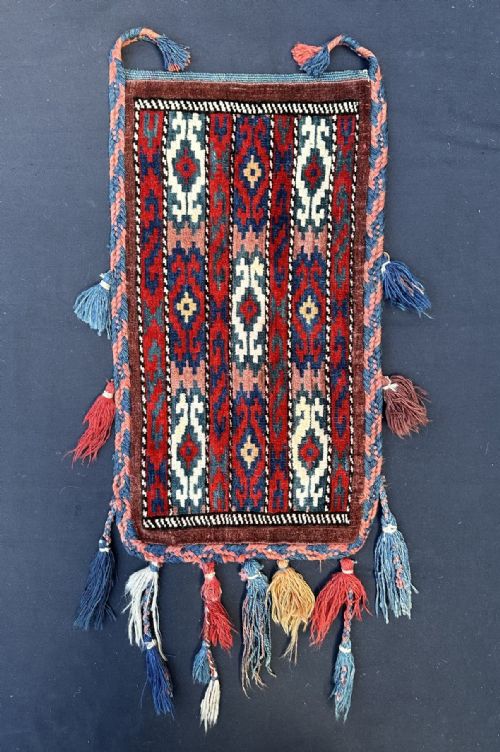
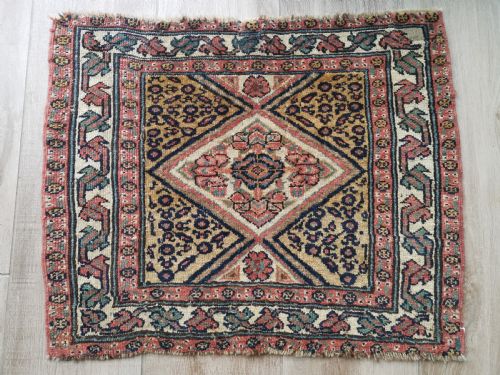
When searching for a red tribal wall textile, buyers encounter functional objects originally created by nomadic and village groups for daily camp life, transport, and ceremonial use. These pieces include Uzbek Lakai dowry embroideries, Turkmen ceremonial horse covers, saddle bags, and animal trappings originating from the nineteenth and early twentieth centuries.
How They Were Made
Nomadic artisans constructed these textiles using hand-spun wool, cotton, and felted wool, manipulated through weaving, knotting, and intricate embroidery techniques. Makers embellished surfaces with silk thread and cotton thread, securing decorative motifs using natural dyes derived from regional plants and minerals.
Many objects combine structural wool foundations with delicate surface needlework, exemplified by the raised tambour embroidery of Lakai textiles on dark felt backdrops. This combination of sturdy utility weaves and fine threadwork ensured both durability during nomadic migration and striking visual contrast.
Materials documented in the inventory include hand-spun wool, cotton, silk, and natural dyes applied to woven rugs, embroidered felts, and flat-faced storage bags.
What Varies in Quality
Quality rests upon the precision of the hand-spun materials, the complexity of the tribal iconography, and the vibrancy of the natural dyes used across the surface. Fineness of needlework or tightness of the wool weave distinguishes superior examples from simpler utilitarian pieces produced for everyday camp tasks.
The visual balance of traditional motifs, such as guls or asymmetric tribal symbols, dictates the aesthetic success of each textile. Original elements like tassels, complete borders, and double-faced construction elevate the standing of a piece within its regional type.
The Red Tribal Wall Textile Glossary
- Ilgich
- An Uzbek Lakai tribal embroidery traditionally worked as a dowry piece for wall hanging. These textiles feature energetic geometric appliques and dense silk needlework on felted backgrounds.
- Asmalyk
- A large, pentagonal ornamental trapping used on the flanks of camel wedding cavalcades by Turkmen tribes. They display symbolic guls designed to ward off misfortune during ceremonies.
- Torba
- A small storage bag produced by Turkmen and other tribal groups to hang inside a felt tent or yurt. They typically showcase primary tribal crests and precise geometric field patterns.
- Gul
- A repeating medallion or floral-like motif native to Turkmen and Central Asian weaving traditions. Each tribal grouping developed distinct gul variations to signify lineage and origin.
Red Tribal Wall Textile: Frequently Asked Questions
How were these textiles used originally?
Nomadic groups utilised these woven and embroidered pieces for practical storage, animal transport decoration, and ceremonial celebrations. Items such as saddle covers, bread cloths, and horse blankets served active roles in daily camp life and marriage rituals.
Over time, many of these utilitarian objects found new purposes as decorative elements within homes. Their transformation from functional nomadic gear to wall art reflects their enduring aesthetic appeal.
How do I hang a textile safely?
Hanging a vintage textile requires distributing the weight evenly across the entire upper edge to prevent stretching the historic fibres. Using a fabric sleeve stitched to the reverse or a padded wooden batten ensures secure support without puncturing the material.
Avoid displaying pieces in direct sunlight to protect the natural dyes from fading over time. Periodic inspection of the hanging supports helps maintain the physical integrity of fragile wool and cotton grounds.
How can I tell different tribal designs apart?
Tribal origins reveal themselves through specific structural formats, regional colour palettes, and characteristic motifs. For instance, Uzbek Lakai embroidery is easily recognised by its dynamic silk chain-stitch on dark felt, whereas Turkmen weaving relies heavily on structured guls and deep madder reds.
Familiarity with the distinct materials and regional layouts of groups like the Yomut, Ersary, and Qashqai helps clarify where and by whom a piece was made.
What is the difference between a bagface and a complete bag?
A bagface represents the decorative front panel of a utilitarian storage sack, separated from its plain flatwoven reverse after the object wore out or was repurposed. Complete bags retain their original backing, pockets, or closure systems used for storing household goods.
Both forms display the primary aesthetic ambitions of the weaver, though complete examples preserve the full historical context of the original object.