

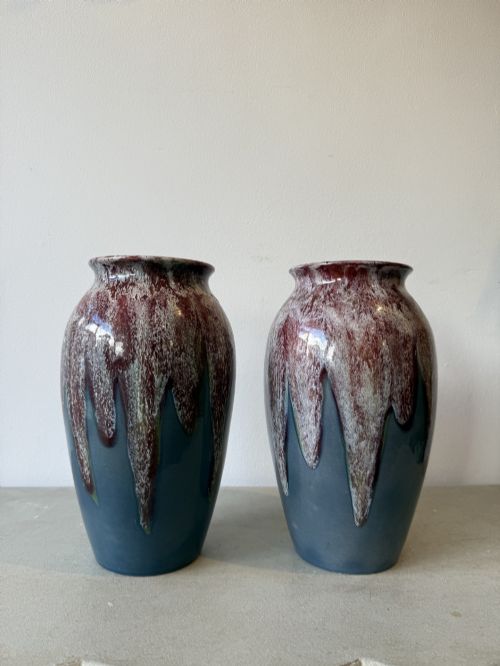


Red Pottery Urns
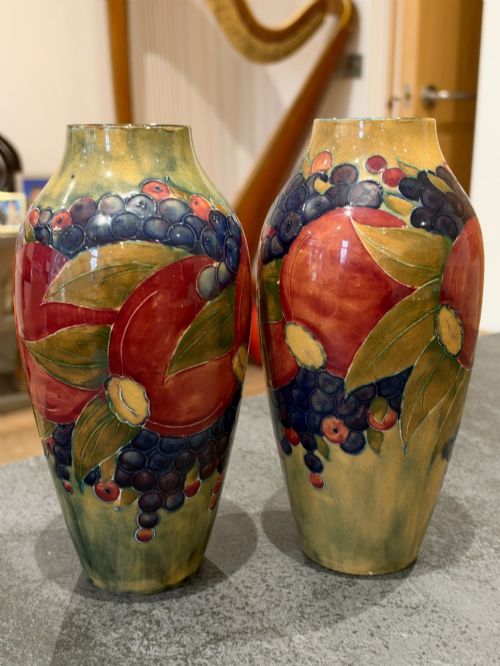
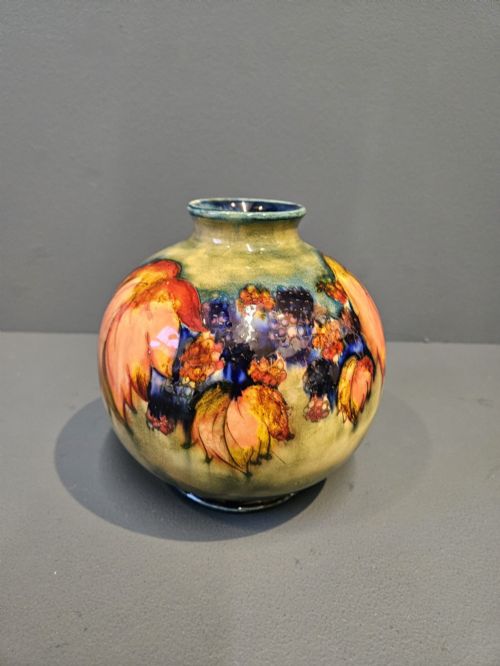
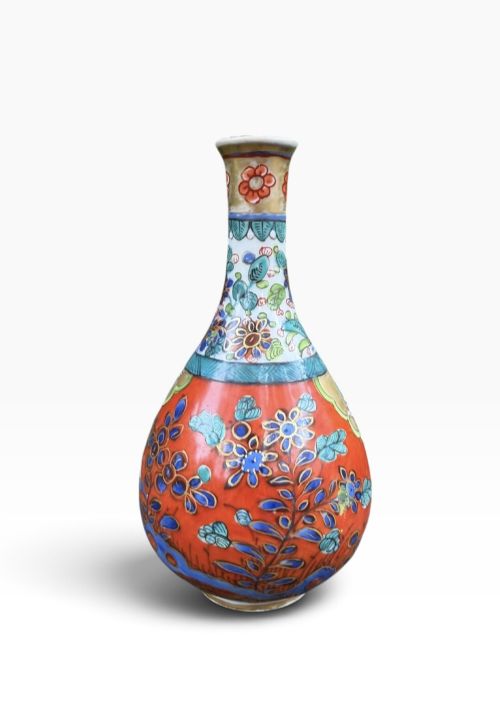
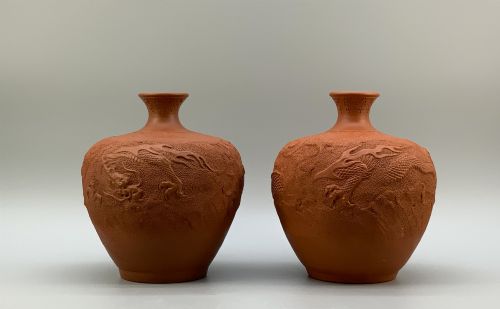
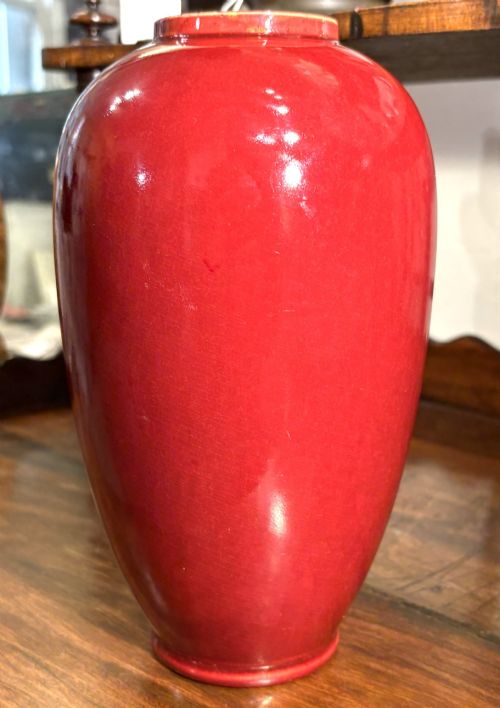
These red pottery urns and vases span multiple periods and styles, offering substantial ceramic forms shaped by centuries of global decorative traditions.
Red Pottery Urns
Red pottery urns encompass a diverse selection of ceramic vessels, decorative vases, and handled jars originating from nineteenth- and twentieth-century workshops across Europe and Asia. Buyers encountering this selection will frequently find Japanese export wares alongside British art pottery and continental European ceramics.
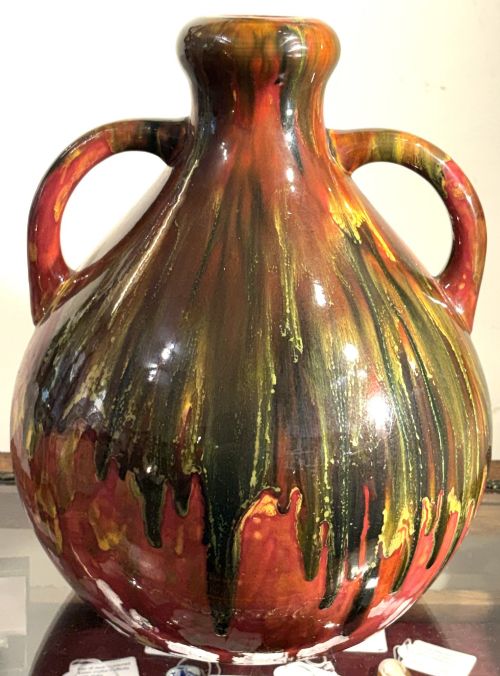
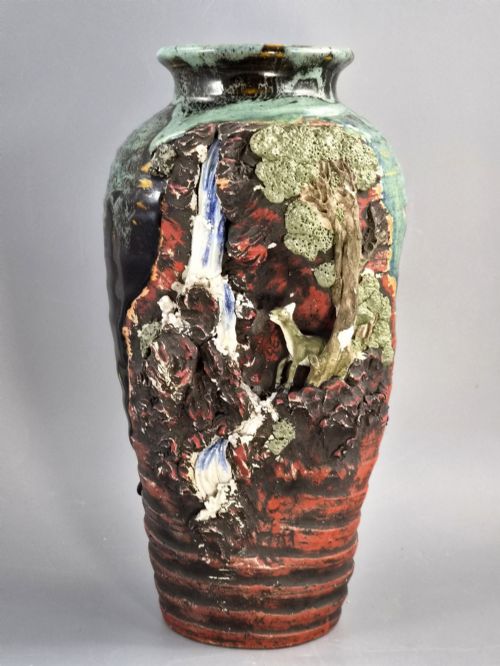
The objects take various functional and decorative forms, ranging from twin-handled vases and lidded containers to large sculptural landscape vessels. Production spans the Victorian era through the Art Deco period, uniting disparate regional traditions under heavy earthenware and porcelain mediums.
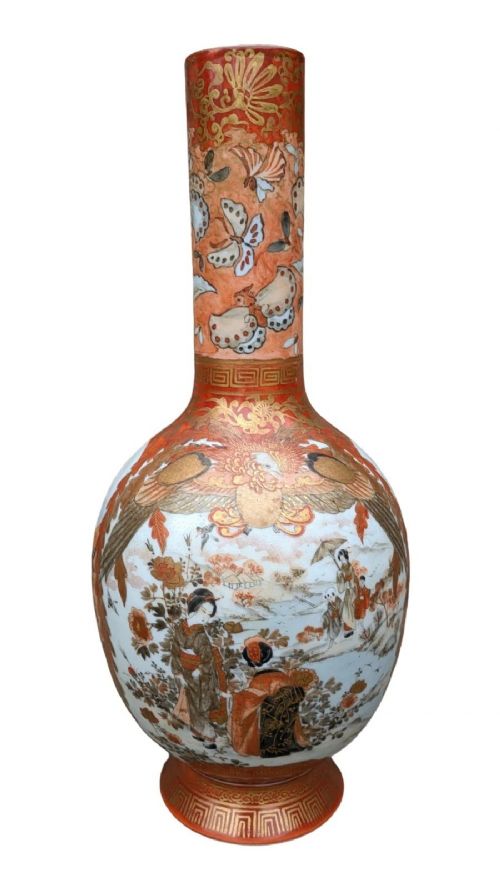
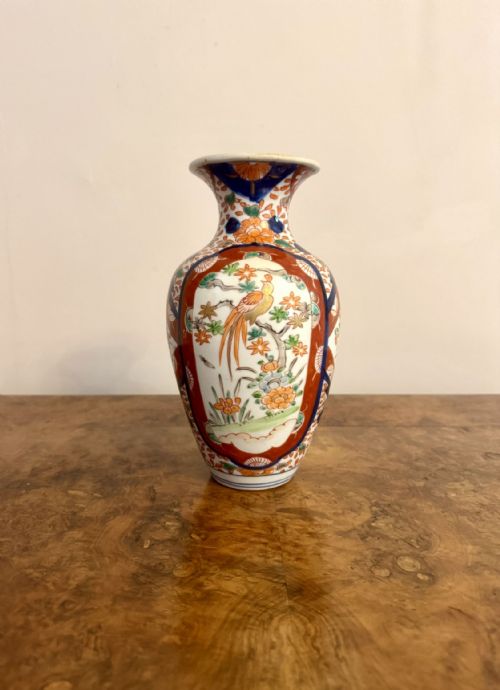
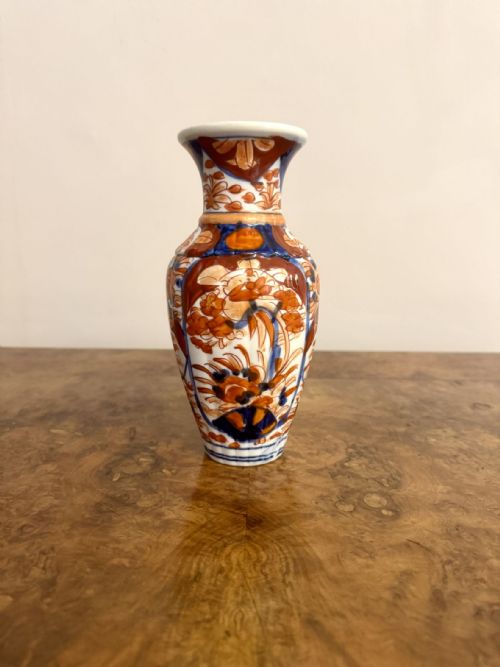
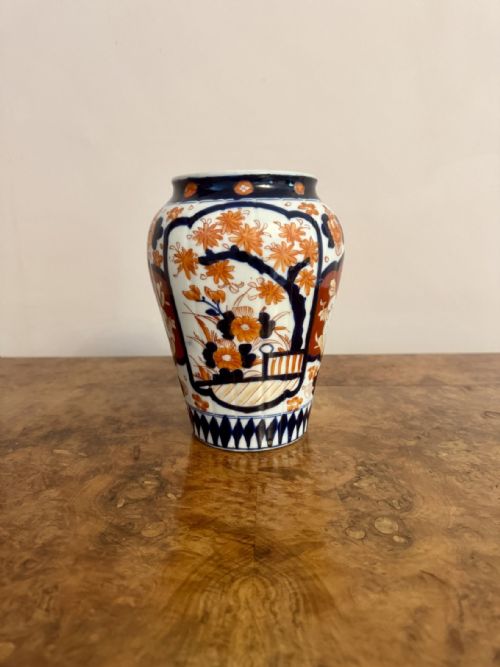
Asian exports dominate the grouping, particularly Japanese Kutani, Imari, and Satsuma wares created during the Meiji period. Alongside these sit domestic art pottery productions like Burmantofts, together forming a distinct category of richly decorated display vessels.
How they were made
Potters utilised earthenware, stoneware, and porcelain bodies, shaping them on the wheel or casting them into moulds before applying coloured glazes and enamel decoration. Many examples incorporate intricate hand-painted motifs, sometimes enhanced with gold leaf or raised slip techniques like moriage.
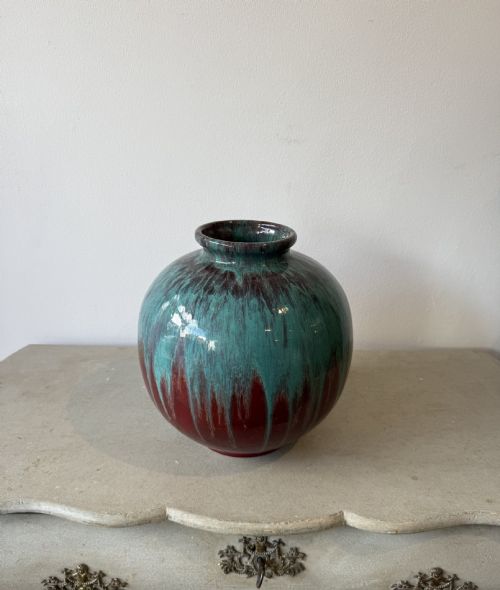
Firing techniques varied significantly between European art pottery kilns and traditional Asian kilns, resulting in distinct surface finishes ranging from high-gloss drip glazes to matte terracotta bodies. Artisans frequently combined multiple decorative disciplines, layering iron-red pigments, underglaze blues, and elaborate enamel overglazes.
Red Pottery Urns Retail Price Guide 2026
Typical asking prices for red pottery urns among the pieces listed under this phrase on Sellingantiques today, from the lower quarter to the upper quarter. They describe what is for sale here now, not the wider market.
Japanese Meiji period ceramics form a substantial portion of the objects, alongside British art pottery and continental European wares.
What varies in quality
Quality rests in the precision and complexity of the surface decoration, distinguishing standard export items from master-painted studio pieces. The clarity of hand-painted enamels, the depth of the glaze, and the crispness of moulded or incised details dictate the standing of each vessel.
The execution of form and balance sets apart superior examples, particularly on large twin-handled urns where symmetry and structural integrity are paramount. Pieces bearing named workshop signatures or exhibiting ambitious pictorial scenes typically represent the finer tier of production.
Kinrin Workshop·Burmantofts Pottery
The Red Pottery Urns Glossary
- Moriage
- A Japanese pottery technique using raised clay slip to create decorative relief patterns before glazing and firing. This method adds a tactile, three-dimensional texture to the surface of vases and urns.
- Imari
- A traditional style of Japanese porcelain decorated in underglaze blue, iron-red, and gold. The palette is bright and densely patterned, often featuring floral and geometric motifs.
- Kutani
- A style of Japanese coloured porcelain known for bold pictorial designs and heavy use of iron-red and gold pigments. Production centred on the Kaga province during the nineteenth century.
- Earthenware
- Porous pottery fired at lower temperatures than stoneware or porcelain. It requires a glaze to render it watertight and forms the structural body for many decorative Victorian art pieces.
- Satsuma
- Japanese pottery featuring a crackled ivory earthenware glaze decorated with polychrome enamels and gilding. These wares were extensively produced for export during the Meiji period.
Red Pottery Urns: Frequently Asked Questions
What are red pottery urns used for?
These vessels served primarily as decorative display items within nineteenth- and twentieth-century interiors, acting as focal points on mantelpieces, pedestals, or large sideboards.
Due to their substantial size and intricate painted decoration, they were intended to showcase wealth and refined artistic taste rather than serve practical domestic functions.
How do I date an antique vase?
Dating relies on examining the ceramic body, the manufacturing technique, and the stylistic markers characteristic of specific periods like the Meiji era or the Victorian age.
Pottery marks, glaze compositions, and the presence of hand-painted details versus transfer-printing further narrow down the likely decade of production.
How do I clean and care for them?
Dusting gently with a dry, soft cloth is the safest method to maintain glazed ceramic surfaces without risking abrasion to delicate overglaze enamels or gold leaf.
Water should be avoided, particularly on older earthenware or pieces with exposed clay bodies, as moisture can penetrate porous structures and damage historical finishes.
What is the difference between Imari and Kutani?
Imari wares are defined by a specific palette of underglaze blue, iron-red, and gold, typically featuring intricate symmetrical patterns across porcelain bodies.
Kutani wares emphasise pictorial storytelling and bold colourwork, frequently employing dense red and gold designs across both earthenware and porcelain forms.