





Red Persian Textile
A red persian textile brings the vibrant energy of tribal weaving and embroidery directly into a room, offering rich colour and historic depth.
Red Persian Textile
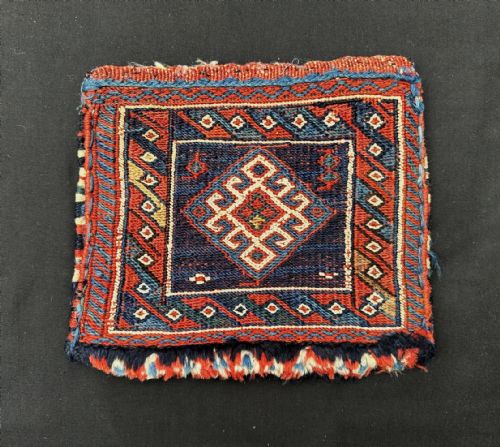
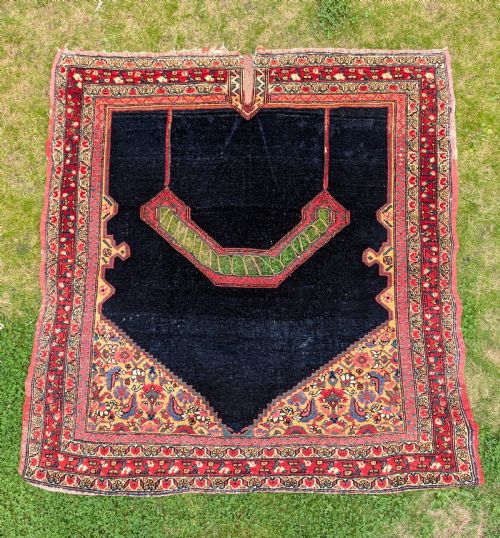
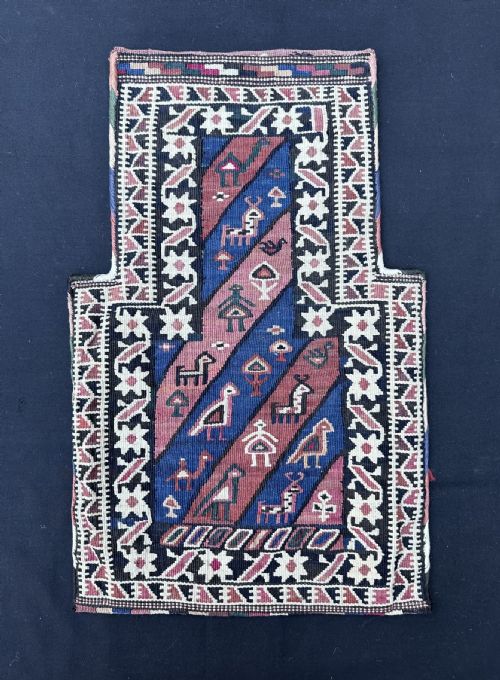
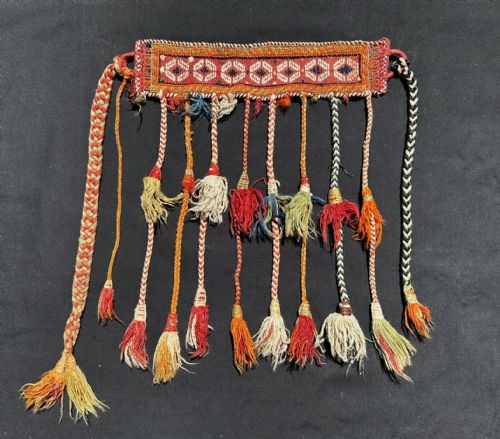
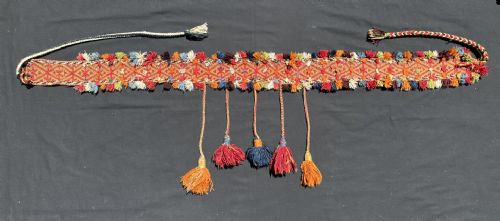
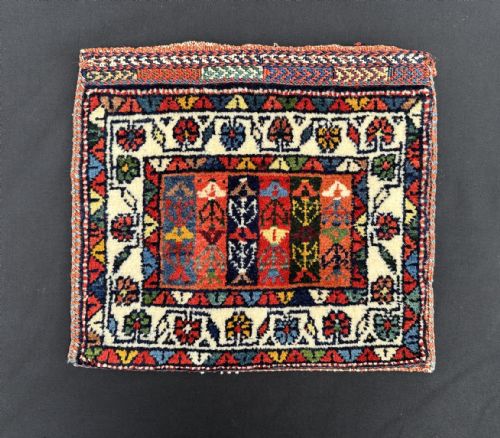
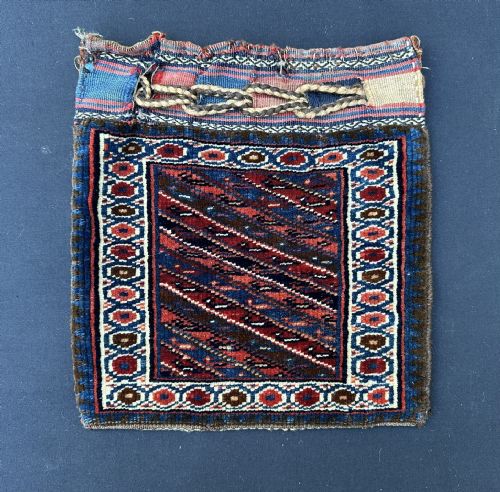
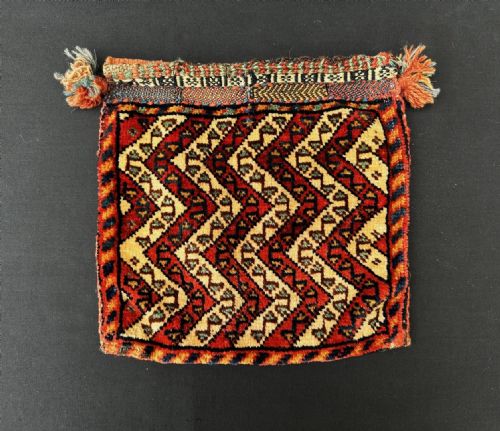
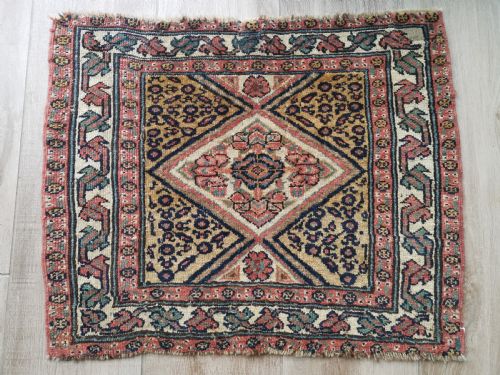
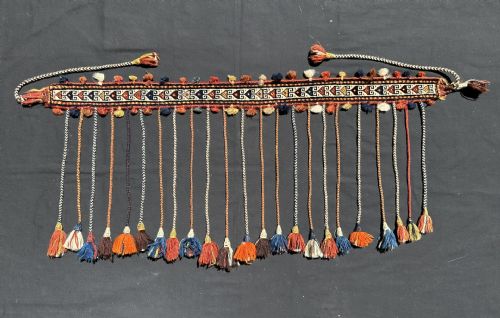
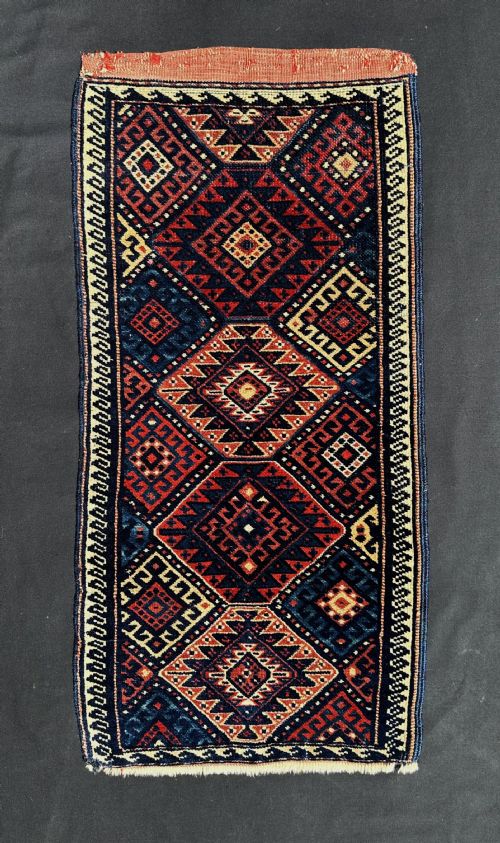
A red persian textile encompasses a diverse range of tribal and nomadic creations, including saddlebags, grain bags, floor spreads, and embroidered panels. These pieces originate from various regions and confederacies such as the Qashqai, Afshar, Bakhtiari, and Shahsevan.
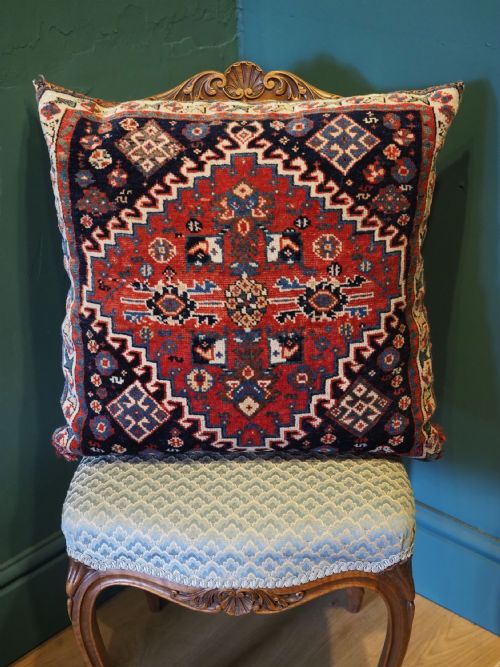
Buyers will most frequently encounter nineteenth-century and early twentieth-century examples on this page. These take the form of utilitarian objects repurposed for display, carrying the distinct aesthetic of regional tribal workshops.
How they were made
Techniques range from flatweave structures like sumac and jajim to intricate needlework applique. Artisans constructed these items for durability and daily nomadic life, utilising locally sourced animal fibres and plant dyes.
Red Persian Textile Retail Price Guide 2026
Typical asking prices for red persian textile among the pieces listed under this phrase on Sellingantiques today, from the lower quarter to the upper quarter. They describe what is for sale here now, not the wider market.
Several small bags and animal trappings preserve the literal footsteps of nomadic journeys across the Fars province and Khorassan.
What varies in quality
The distinction between tiers rests on the handling of natural dyes and the crispness of the tribal design execution. Superior pieces display vibrant, saturated colour variations and tight, precise structural weaves.
Finer examples maintain structural integrity and balanced proportions across complex medallion or animal motifs. The nuance of the wool preparation and the finesse of the needlework or pile knotting dictate the standing of an individual piece.
The Red Persian Textile Glossary
- Sofreh
- A flatwoven spread or cloth used for dining, kneading bread, or holding food within nomadic households.
- Khorjin
- A traditional pair of saddlebags designed for transport on animals during tribal migrations.
- Sumac
- A supplementary weft-wrapping technique that creates a durable, ribbed surface texture without knotting.
- Chanteh
- A small vanity bag or personal pouch woven by tribal makers for carrying small possessions.
- Rasht embroidery
- Needlework featuring silk threads applied to a felt ground, often forming intricate floral or star medallions.
Red Persian Textile: Frequently Asked Questions
How were these textiles used?
Nomadic tribes utilised these pieces for practical storage, animal transport, dining spreads, and domestic comfort. Bags stored personal belongings, whilst flatweaves served as floor coverings or eating cloths.
Over time, many functional objects transitioned into decorative domestic items due to their striking visual patterns.
How do I care for a textile?
Protect antique wool and silk items from direct sunlight to preserve the natural dyes. Gentle vacuuming through a mesh screen helps remove dust without damaging fragile fibres.
Professional textile conservation cleaning remains advisable for delicate embroidered pieces or brittle felt grounds.
How are periods told apart?
Dating relies on assessing the maturity of the natural dyes, the spin of the wool, and the structural complexity of the weave. Earlier nineteenth-century examples often display deeply oxidised palettes and looser, hand-spun textures.
Mid-term shifts into the twentieth century introduce subtle changes in chemical or refined natural dye usage alongside tighter mechanical spinning consistency.