





Red Persian Kilim
These red persian kilim pieces are flat-woven tribal textiles created by nomadic weavers for daily utilitarian use.
Red Persian Kilim
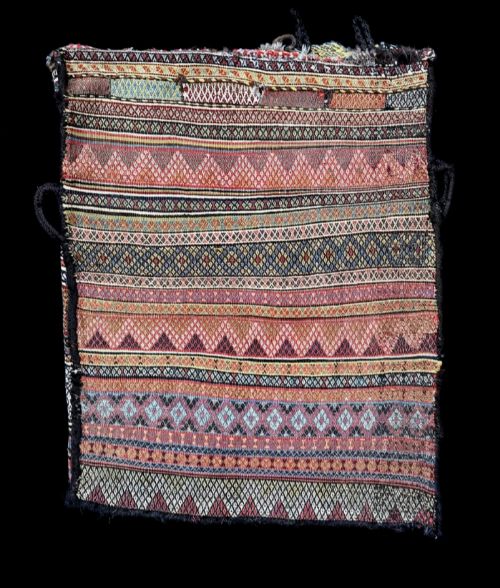
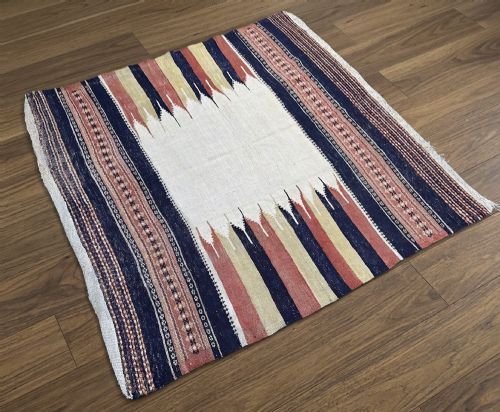
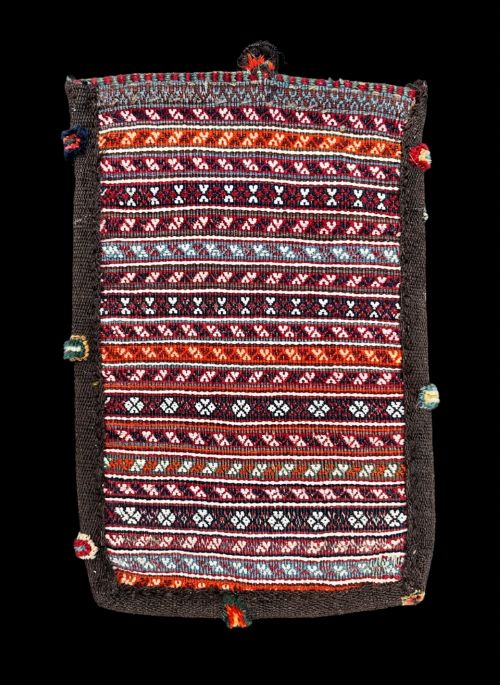
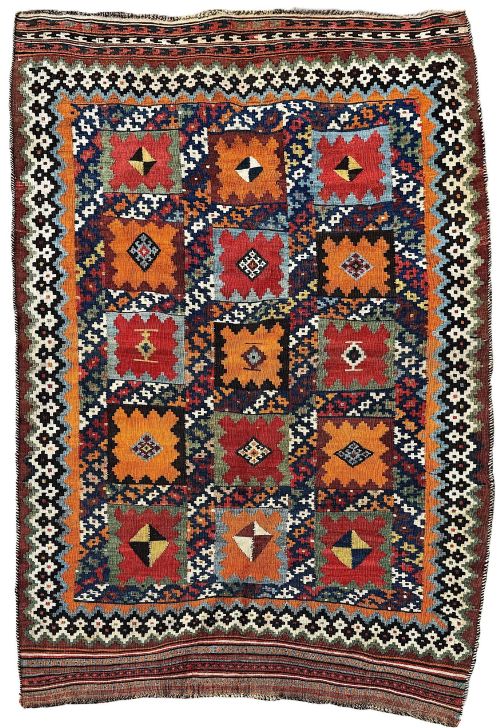
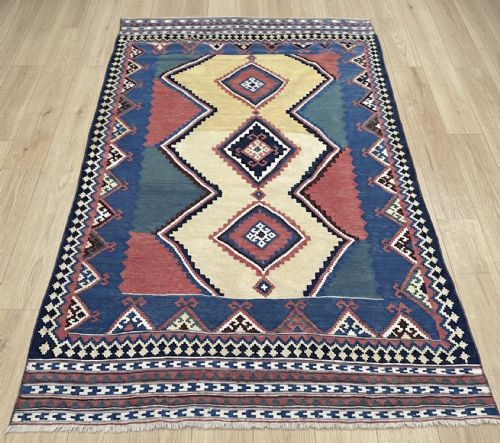
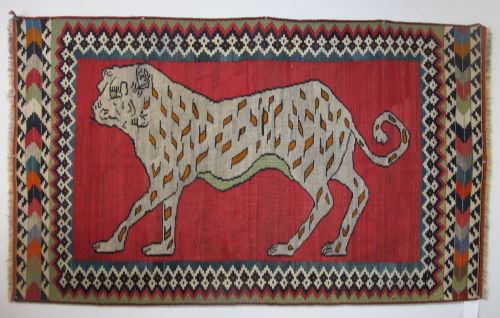
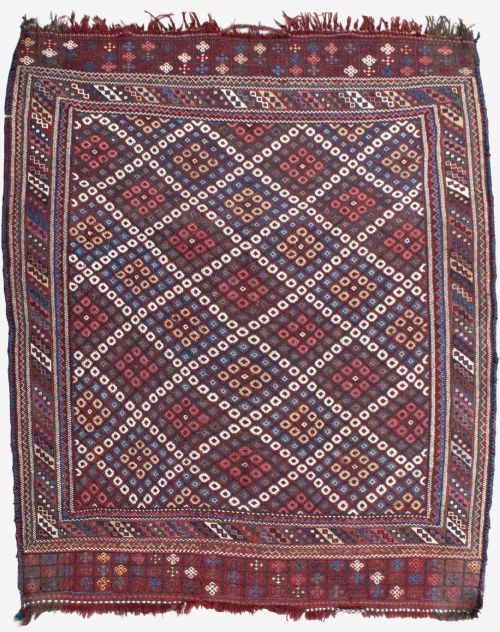
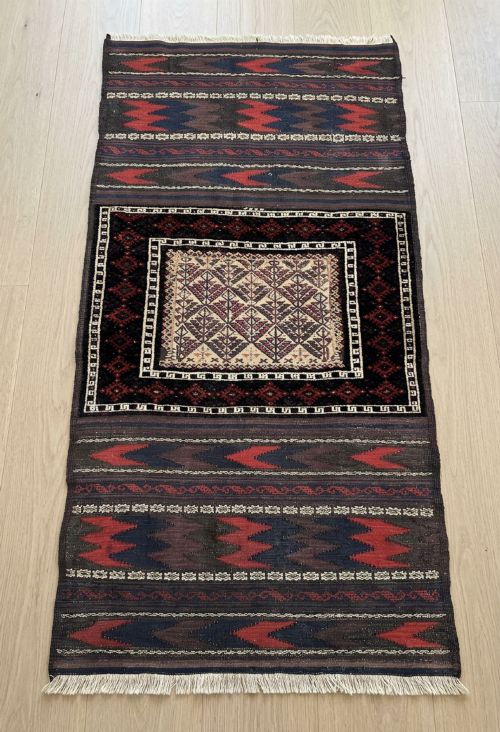
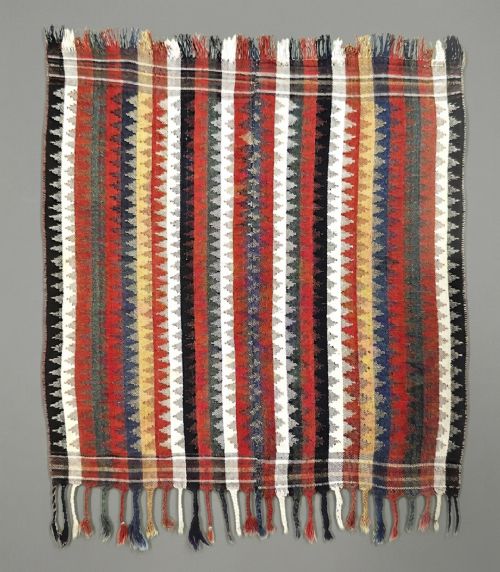
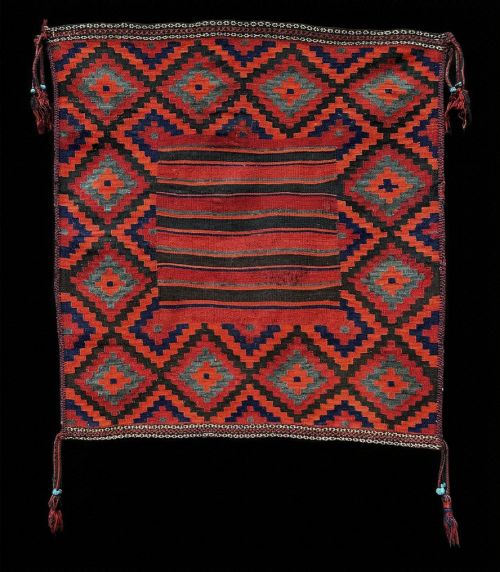
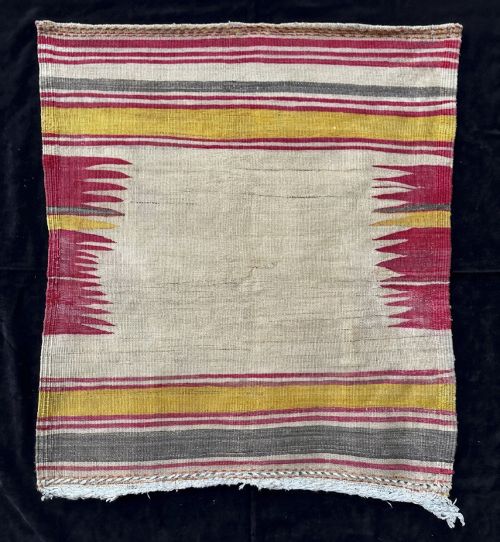
When you search for a red persian kilim, you encounter flat-woven textiles originating from nomadic and village groups across Persia. The selection centres on regional forms including tribal rugs, bread sofreh, saddle bags, and cushions dating from the nineteenth and early twentieth centuries.
Makers include specific tribal confederations such as the Qashqai, Afshar, Bakhtiari, and Baluch weavers. These pieces served practical domestic functions within nomadic camps before entering the antique market as decorative objects.
How they were made
Weavers constructed these flat-weaves using hand-spun wool and cotton foundations, often incorporating goat hair for structural durability along the selvages. Natural dyes provided the deep red palette characteristic of these tribal items.
Additional materials such as leather and cowrie shells appear on utilitarian storage bags and bag faces. The technique relies on interlocking weft threads to create sharp geometric patterns without a piled surface.
Red Persian Kilim Retail Price Guide 2026
Typical asking prices for red persian kilim among the pieces listed under this phrase on Sellingantiques today, from the lower quarter to the upper quarter. They describe what is for sale here now, not the wider market.
Listings span periods from the nineteenth century through to the 1930s, utilising hand-spun wool, cotton, and natural dyes.
What varies in quality
Quality rests upon the tightness of the weave and the precision of the geometric or banded design. Finer pieces demonstrate superior handling of natural dyes, yielding richer tonal variations across the wool.
Condition and completeness also separate standard examples from finer survivals, particularly when original finishes, side cords, and complete formats remain intact.
The Red Persian Kilim Glossary
- Sofreh
- A woven spread or cloth used for eating, serving bread, or processing dough. These utilitarian textiles often feature distinctive tribal iconography.
- Kilim
- A flat-woven carpet or textile produced without pile by tightly interweaving warp and weft threads. This technique creates a lightweight fabric utilised for floor coverings and wall hangings.
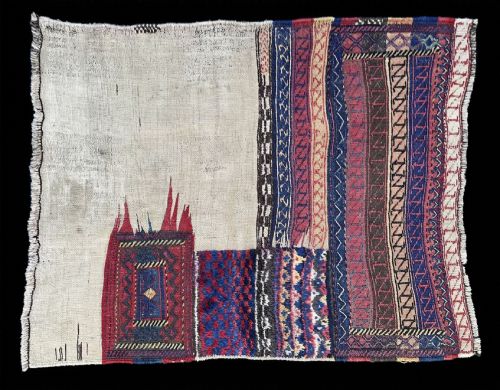
- Bag face
- The decorative front portion of a nomadic storage sack preserved after the plain-weave back deteriorated. Collectors prize these fragments for concentrated tribal designs.
- Warp
- The stationary vertical threads stretched onto a loom that form the structural foundation of the textile. Wefts are woven horizontally through these parallel strands.
Red Persian Kilim: Frequently Asked Questions
What is a sofreh?
A sofreh is a flat-woven cloth utilised by tribal groups for dining, kneading bread, or carrying food.
These utilitarian textiles display geometric motifs and were central to daily nomadic hospitality.
How do I clean an antique kilim?
Antique flat-weaves require gentle surface cleaning or professional textile conservation rather than immersion washing.
Regular light vacuuming without a beater bar removes trapped dust while protecting fragile wool fibres.
Are these pieces reversible?
Most traditional flat-weaves display the same design on both sides because the pattern is formed entirely by the weft threads.
This construction means both surfaces can face upwards, though one side may retain slightly brighter dye tones.