



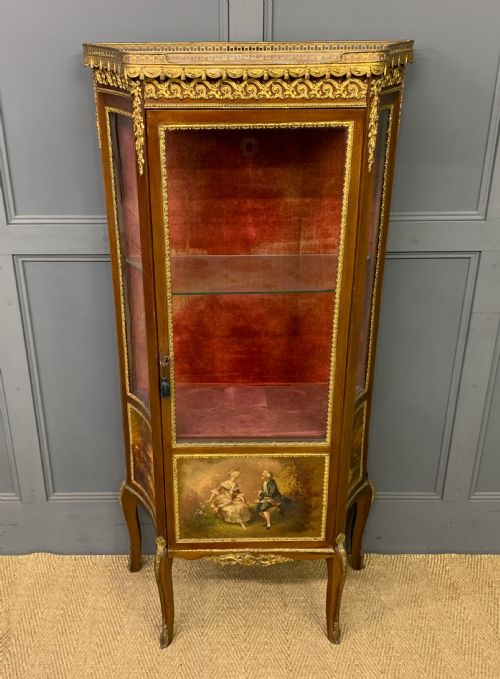
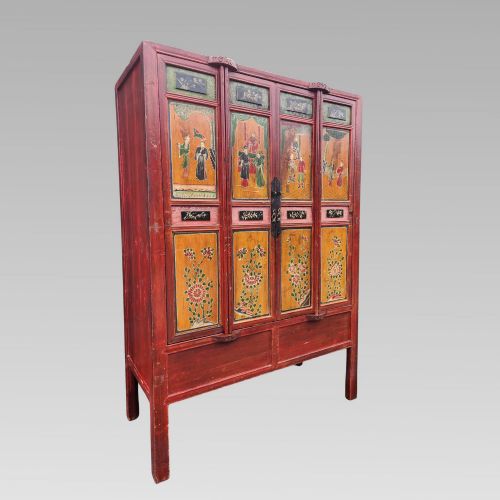
Red Painted Cabinet
A red painted cabinet brings bold pigment and practical storage into a room, spanning centuries of global craft traditions.
Red Painted Cabinet
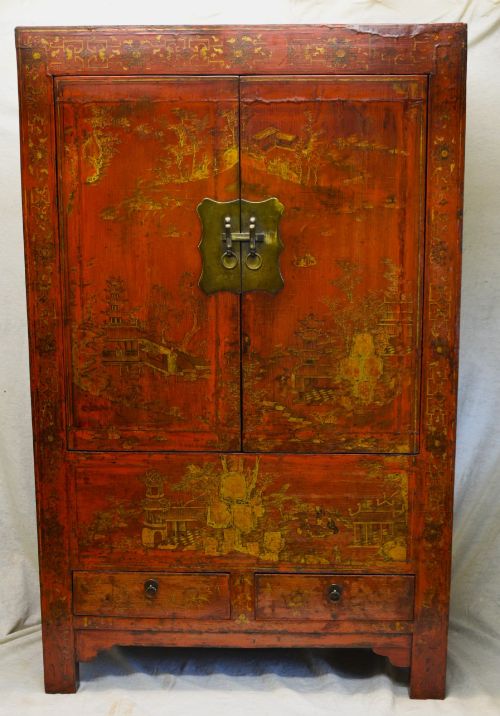
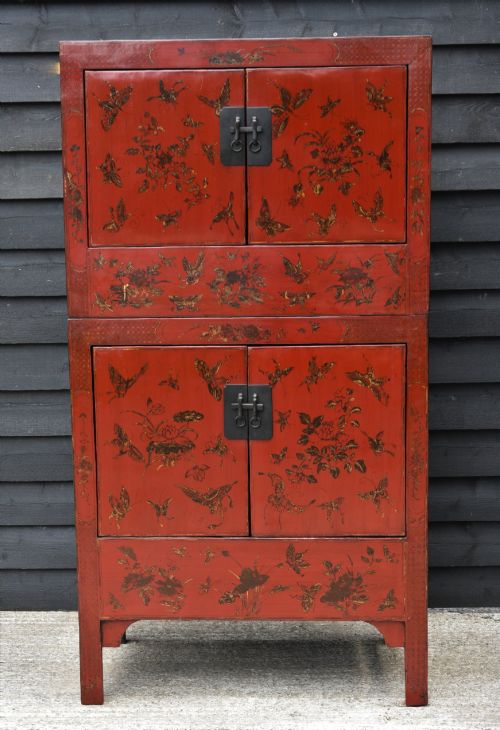
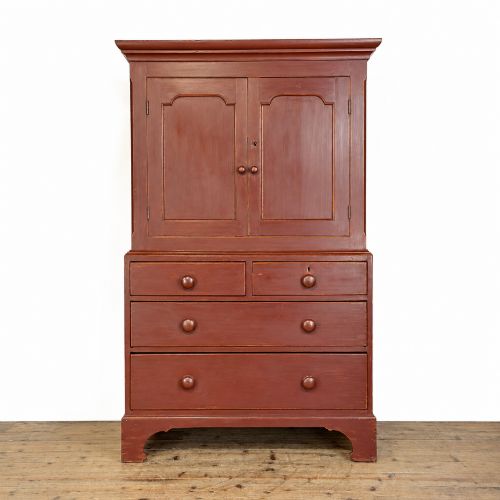
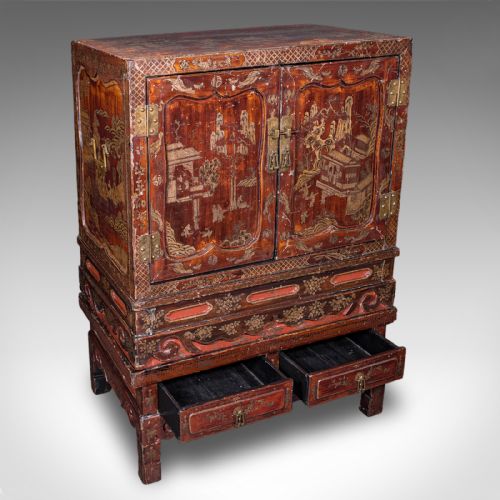
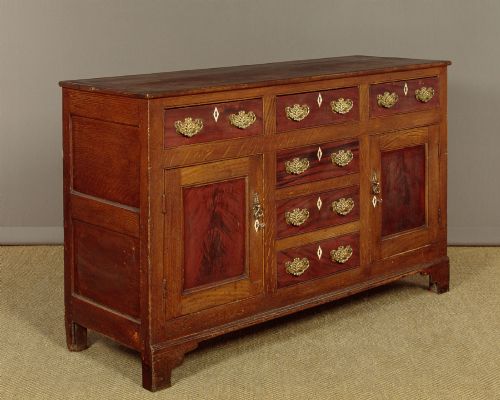
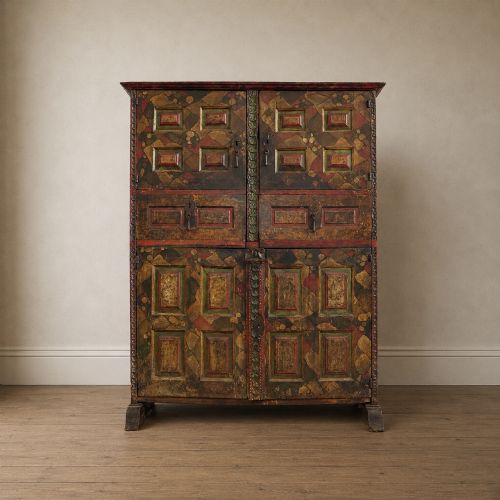
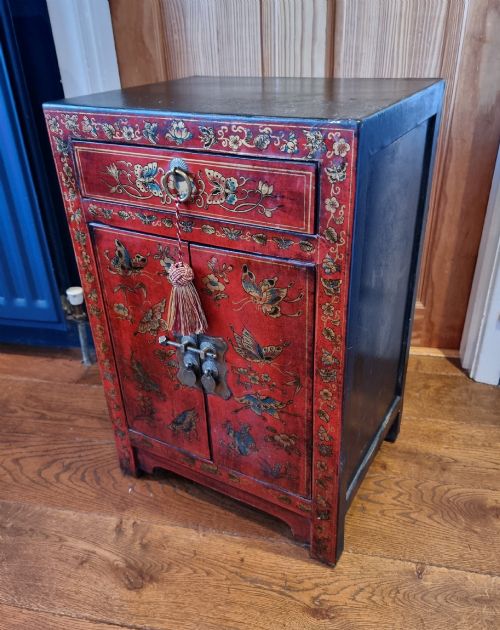
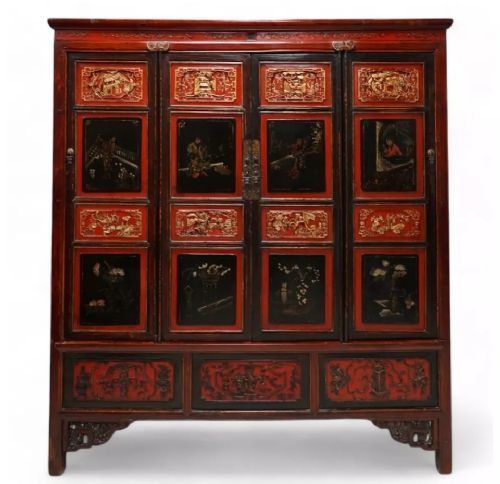
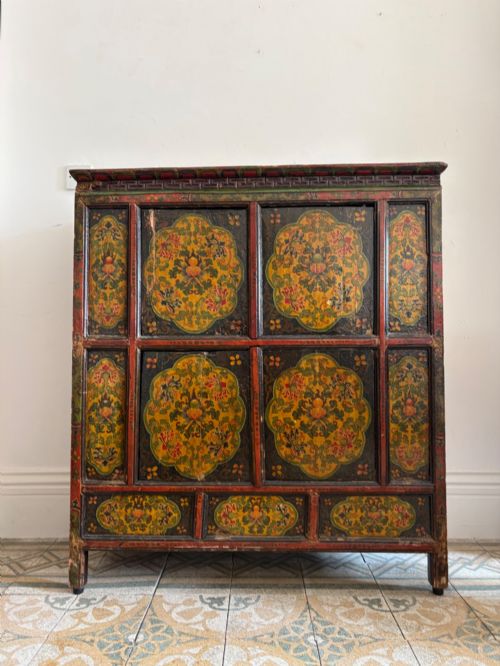
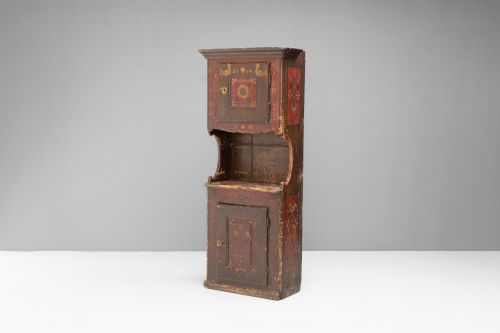
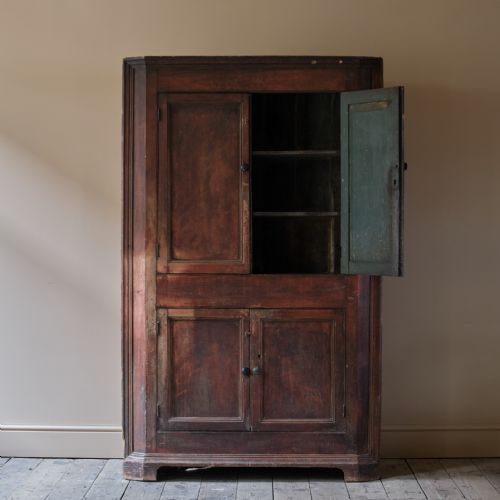
A red painted cabinet encompasses diverse forms on this page, including wedding cabinets, housekeeper's cupboards, corner cupboards, and side cabinets. These pieces serve as storage furniture while delivering striking visual presence through pigmented surfaces.
The selections span distinct periods and origins, featuring nineteenth-century Chinese marriage cabinets finished in red lacquer alongside Georgian country cupboards and early twentieth-century Chinoiserie designs. Buyers encounter both monumental storage pieces and compact side cabinets.
European vernacular styles sit alongside Asian lacquerwork within this grouping. A buyer seeking a red painted cabinet selects between the high gloss of oriental lacquer and the matte charm of European folk and country paintwork.
How they were made
Construction relies on traditional timber substrates such as pine, elm, and mahogany, shaped by joiners into sturdy carcases, cupboards, and chests. Surfaces are then prepared for decorative finishes.
Makers applied layers of paint, polychrome pigments, or lacquer, sometimes incorporating gold leaf details or hand-painted floral decoration. Chinese lacquer cabinets required multiple resin coats, while European pieces utilised linseed oil or milk paints over wood.
Red Painted Cabinet Retail Price Guide 2026
Typical asking prices for red painted cabinet among the pieces listed under this phrase on Sellingantiques today, from the lower quarter to the upper quarter. They describe what is for sale here now, not the wider market.
One marriage cabinet is destined to hold folded blankets rather than wedding gifts.
What varies in quality
The integrity of the original surface finish dictates much of the visual success of these pieces. Original or early paint surfaces retain more character than later repainting, while lacquer depth and smoothness show the maker's skill.
Timber selection and structural joinery separate standard vernacular items from finer workshop output. Well-fitted doors, stable carcases, and preserved interior fittings indicate superior craftsmanship.
The Red Painted Cabinet Glossary
- Lacquer
- A durable finish applied in thin coats to wood, derived from tree resin and traditionally polished to a smooth sheen. It creates a hard, lustrous surface seen on Asian furniture.
- Chinoiserie
- European artistic styles reflecting Chinese motifs and techniques, popular in decorative arts and furniture design. Artisans utilised faux lacquer and painted scenes to evoke Eastern aesthetics.
- Polychrome
- Painted or decorated in several colours. This surface technique appears on folk art pieces and period cupboards.
- Vitrine
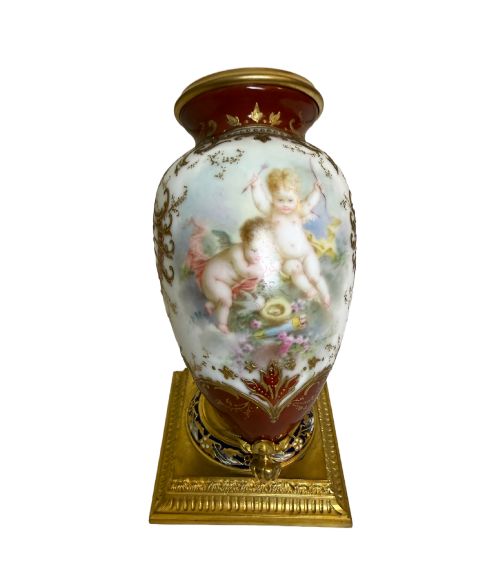
- A glass-fronted cabinet or display case designed to exhibit porcelain and decorative objects. These pieces often feature painted panels or ormolu mounts.
- Housekeeper's cupboard
- A large functional storage piece traditionally used in substantial homes for linens and dry goods. They typically feature panelled doors and robust wooden construction.
Red Painted Cabinet: Frequently Asked Questions
How do I clean a lacquered cabinet?
Dust surfaces gently with a soft, dry microfibre cloth to remove daily particles without scratching the finish. Avoid commercial chemical polishes that can degrade historic lacquer or paint layers over time.
Maintain stable indoor humidity levels to prevent the underlying wood from expanding or contracting, which can cause the lacquer topcoat to craze or lift.
Where should I place a red cabinet?
Position the piece away from direct sunlight and heat sources to protect pigmented paintwork and delicate lacquer from fading or drying out. Strong ultraviolet light alters historic red pigments significantly.
Allow enough clearance around doors and drawers so they open fully without rubbing against walls or surrounding furniture in your room layout.
Are these cabinets structurally sturdy?
Solid timber construction gives these storage pieces enduring strength for everyday household use, though historic joints may loosen gently with age. Checking internal shelving and carcase squareness helps confirm stability.
Professional conservation rather than modern DIY intervention keeps original timber frames secure while preserving the historic integrity of the piece.
How do I date a painted finish?
Examine the wear patterns around handles, keyholes, and edges where hands naturally touch the surface over generations of use. Pigment composition and underlying preparation layers also offer clues to the period of application.
Compare the construction style of the cabinet carcase with known regional furniture traditions to cross-reference the likely date of manufacture.