
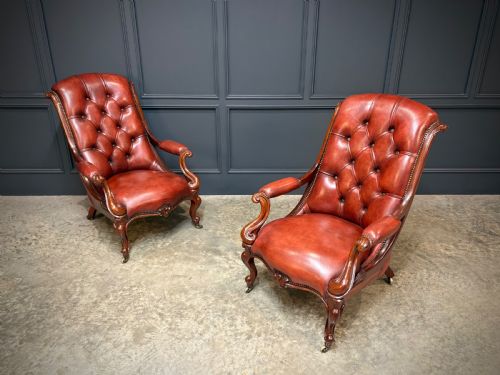


Red Leather Reading Chair
A red leather reading chair offers a deep seat and sturdy armrests designed for long hours with a book, spanning Georgian to Edwardian periods.
Red Leather Reading Chair
When you search for a red leather reading chair, you find heavy library armchairs, compact desk chairs, and low fireside seats designed for study or relaxation. These pieces emerge from periods spanning the Georgian era through the Victorian years and into the Edwardian decades.
The common form on this page pairs a sturdy wooden frame with a leather upholstered seat and back, often resting on castors for ease of movement. Makers built these chairs for studies, libraries, and grand country houses, utilising robust timbers like mahogany, oak, and walnut.
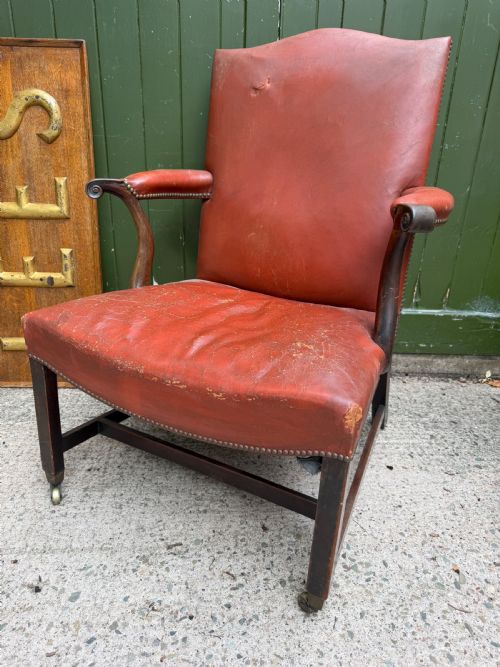
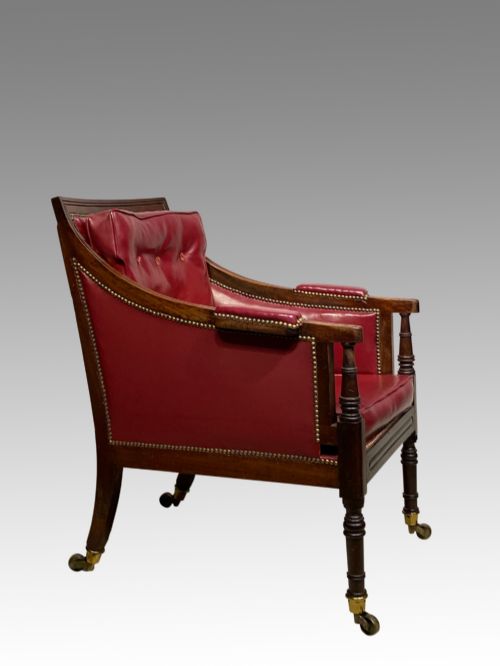
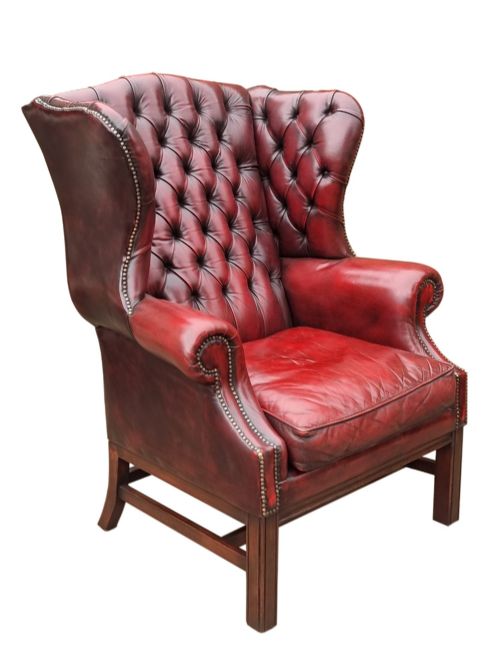
Examples range from restrained Regency models to generous Gainsborough types and buttoned Victorian wingbacks. Each version serves the practical purpose of comfortable seating while bringing rich colour and texture into a room.
Materials and construction techniques
Cabinet makers constructed the foundational frames of these chairs using durable hardwoods including mahogany, oak, walnut, and regional woods. These timbers provided the structural strength required to support deep upholstery and heavy use over centuries.
Upholsterers applied natural leather over layered stuffing and webbing, often securing the edges with brass nailheads or decorative buttoning. Many pieces integrated pivoting mechanisms, reclining actions, or adjustable writing slopes into the wooden arms and supports.
Red Leather Reading Chair Retail Price Guide 2026
Typical asking prices for red leather reading chair among the pieces listed under this phrase on Sellingantiques today, from the lower quarter to the upper quarter. They describe what is for sale here now, not the wider market.
Some chairs hid mechanical reading desks and writing slopes inside their sturdy wooden arms for busy scholars.
Determinants of quality
The distinction between ordinary seating and exceptional pieces lies in the crispness of the timber carving and the architectural proportions of the frame. Superior examples display thoughtful joinery, balanced arm support, and timber selection that shows rich grain and depth.
Quality also rests in the integrity of the leather upholstery and the hand-applied details such as individual brass studding or deep buttoning. Pieces retaining their original framing and period materials command greater regard from collectors than heavily altered items.
Gillows
The Red Leather Reading Chair Glossary
- Gainsborough armchair
- A wide-seated upholstered armchair with open padded arms, originating in the mid-eighteenth century. These chairs typically feature mahogany frames and straightforward square or carved legs.
- Bergere armchair
- An enclosed upholstered armchair with wooden framing around the sides and back. Many versions incorporate cane work or tight leather upholstery.
- Wingback armchair
- A high-backed fireside chair featuring protective side panels designed to shield the sitter from draughts. Victorian and Edwardian examples often employ deep buttoning.
- Cockfighting chair
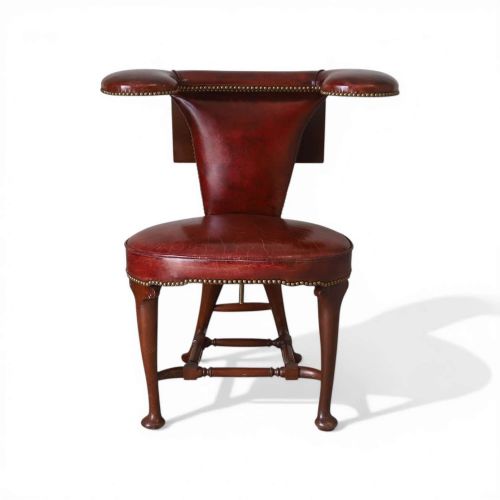
- A low, narrow seat traditionally featuring a padded backrest straddled by the user during spectator events. These pieces usually employ sturdy oak frames and dark leather.
- Patent armchair
- A nineteenth-century mechanical seating design incorporating adjustable reading desks, reclining backs, or pivoting footrests. These innovative pieces showcase complex internal hardware.
Red Leather Reading Chair: Frequently Asked Questions
How do I identify a Georgian reading chair?
Georgian pieces typically feature solid mahogany frames, clean structural lines, and traditional joinery without excessive ornamentation. Look for open padded arms and understated brass nailwork securing the leather.
These chairs reflect the proportions and aesthetic of the eighteenth century, distinguishing them from later, heavier Victorian interpretations.
Were these chairs used only for reading?
While designed primarily for libraries and studies, these armchairs also served as desk chairs, fireside seats, and occasional furniture in grand rooms. Their supportive backs and padded arms suited long periods of sitting.
Many incorporate reading slopes or mechanical adjustments to accommodate writing and study tasks.
How do I care for antique leather upholstery?
Protect the leather by placing the chair away from direct sunlight and heat sources that dry out the hide. Regular dusting and occasional specialist conditioning help maintain the surface.
Avoid harsh chemical cleaners and excessive moisture to preserve the natural grain and historic patina.
What distinguishes a Victorian library chair?
Victorian examples generally offer more generous proportions, heavier wooden frames, and frequent use of deep buttoning or wingbacks. They often employ dark oxblood or burgundy leather.
These pieces prioritise robust comfort and substantial presence, suiting larger studies and country house libraries.