



Red Kurdish Carpet
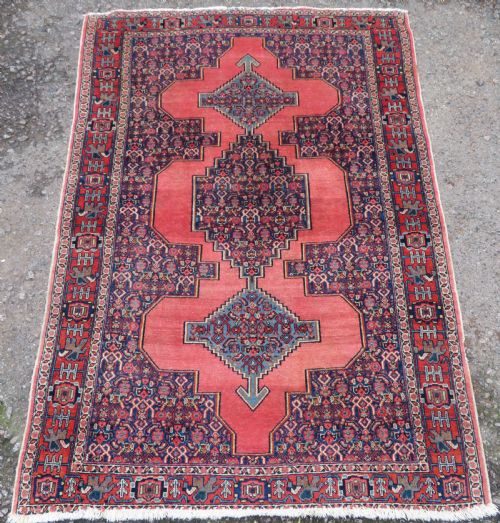
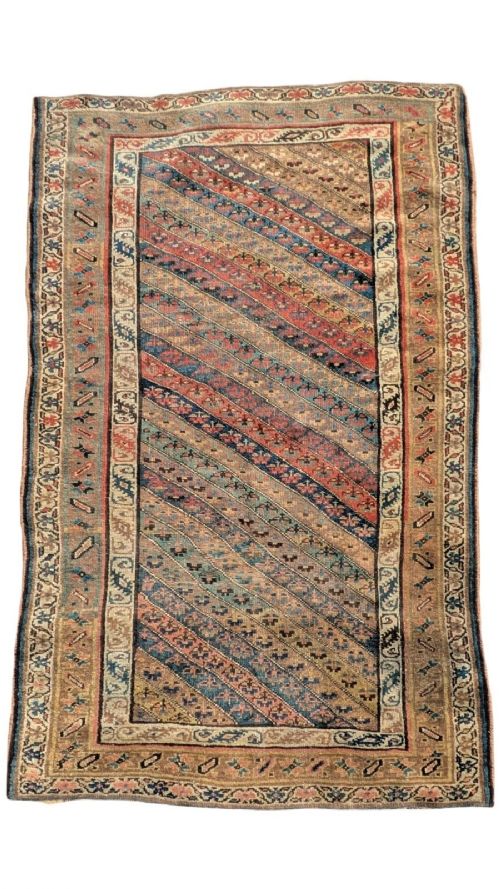
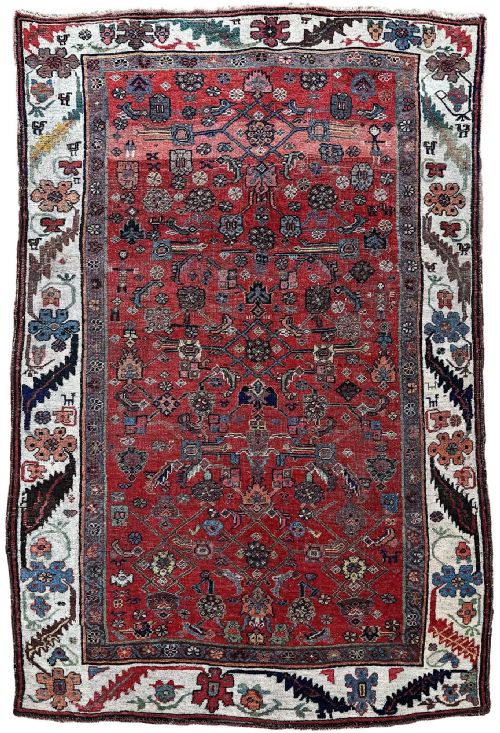
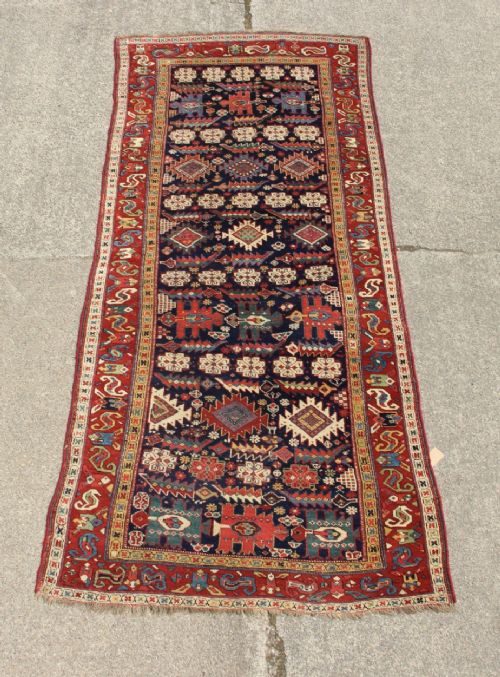
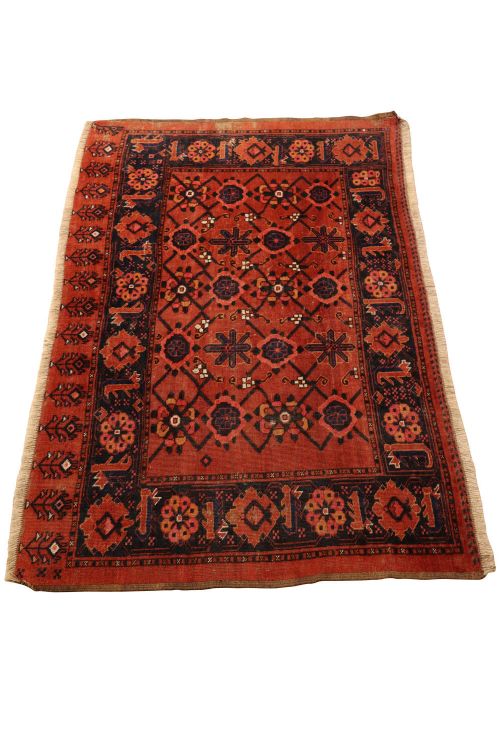
A red kurdish carpet brings heavy tribal woolwork and rich dye palettes into a room, offering durability and distinct geometric pattern work.
Red Kurdish Carpet
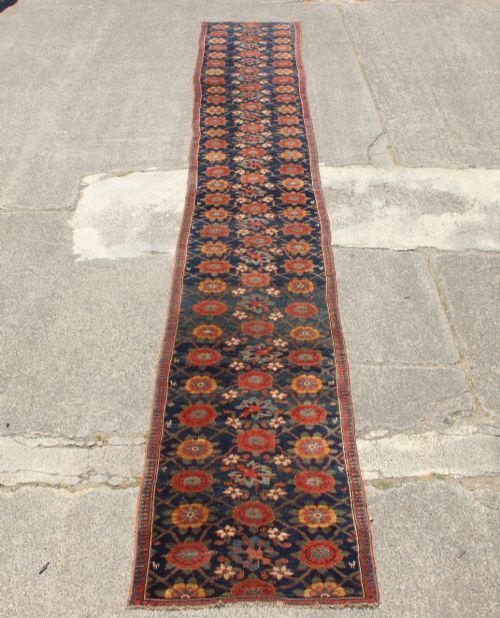
A red kurdish carpet represents the traditional weaving output of tribal and village groups across western Persia, Anatolia, and surrounding regions. Buyers searching for a red kurdish carpet encounter substantial floor coverings and elongated runners, often woven during the nineteenth and early twentieth centuries.
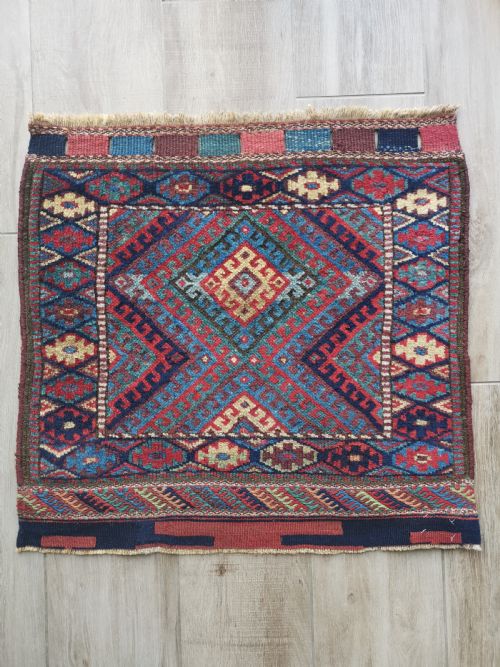
The format varies from smaller bag faces and square formats to large kelleh carpets and long hallway runners. Village workshops and nomadic weavers produced these textiles for daily utility, resulting in sturdy structures designed to endure heavy foot traffic.
Tribal expressions dominate the selection, showing links to regional centres such as Bidjar, Senneh, Hamadan, and Quchan. These pieces combine deep madder red grounds with bold geometric motifs, repeating field patterns, and tribal symbols handed down through generations.
How they were made
Weavers constructed these rugs using hand-spun wool for the pile and cotton or wool for the foundation warps and wefts. The natural materials provide a dense, resilient handle that responds well to traditional maintenance and sustained use.
Knotting techniques vary between symmetrical and asymmetrical structures, bound tightly to create a stiff, heavy fabric typical of Kurdish production. Vegetable and natural dyes, led by rich reds derived from madder root, form the dominant colour schemes alongside indigo and ivory highlights.
Red Kurdish Carpet Retail Price Guide 2026
Typical asking prices for red kurdish carpet among the pieces listed under this phrase on Sellingantiques today, from the lower quarter to the upper quarter. They describe what is for sale here now, not the wider market.
Materials across the inventory consist entirely of wool and cotton foundations supporting hand-knotted piles.
What varies in quality
Quality rests on the density of the knotting, the handling of the wool, and the clarity of the dye work. Tightly packed foundations yield a heavier handle and sharper definition in the geometric motifs.
The depth and saturation of the red ground dictate visual impact, with variation seen in how evenly the natural dyes took to the hand-spun fibres. Preserved pile height and intact original selvedges mark pieces that retained their structural integrity over decades of service.
The Red Kurdish Carpet Glossary
- Kelleh
- A large format rectangular carpet, typically longer than a standard room-size rug but broader than a hallway runner. These proportions suit extended spaces and long galleries.
- Mina Khani
- An all-over repeating pattern composed of stylized flowers linked by delicate lattice lines. This motif appears frequently in classical Persian and Kurdish village weaving.
- Bagface
- The front panel of a storage sack woven by nomadic tribes for transport and domestic organisation. Collectors prize these smaller panels for their concentrated design work and fine knotting.
- Selvedge
- The reinforced outer edge of a rug formed by wrapping the lateral warp threads. Secure finishing prevents fraying along the longitudinal borders.
- Madder
- A natural dye extracted from the roots of the Rubia plant, yielding deep reds and rust tones. It serves as the primary colouring agent for the grounds of these carpets.
Red Kurdish Carpet: Frequently Asked Questions
Where were these carpets made?
These textiles originate from the Kurdish tribal and village regions spanning western Persia, parts of Anatolia, and Khorasan. Weavers in districts such as Bidjar, Senneh, and Hamadan produced them within local communities.
Production methods reflected regional traditions rather than centralized factory manufacturing. Each district imparted distinct structural traits and colour balances to the finished pieces.
How do I care for an old wool rug?
Regular gentle vacuuming without a rotating brush bar keeps dust from settling into the wool pile. Professional cleaning suited for antique textiles preserves the natural lanolin in the fibres.
Rotating the rug periodically ensures even exposure to light and wear across the floor surface. Placing a quality underlay beneath the carpet prevents slipping and reduces friction against the backing.
Are these rugs suitable for hallways?
Many examples take the form of long runners specifically proportioned for corridors and passages. The dense wool pile handles high foot traffic while providing floor insulation.
Careful measurement of hallway clearance ensures doors swing freely over the thickness of the heavy foundation. Selecting appropriate lengths prevents bunching along narrow walkways.
How do I date a tribal carpet?
Dating relies on assessing the structure, the composition of the wool, and the chemical source of the dyes. Natural colour variations and hand-spun irregularities point toward nineteenth and early twentieth-century production.
Comparison of specific tribal motifs and structural density against documented regional examples helps narrow the period of origin. Material wear patterns offer further context regarding age.