


Red Glazed Vases
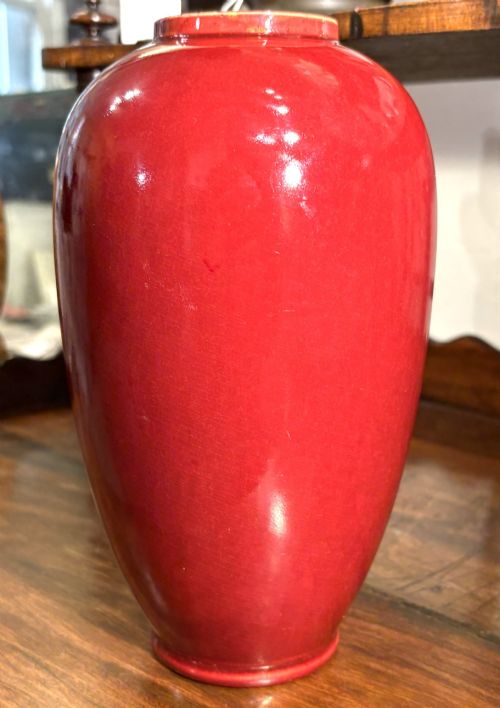
These red glazed vases bring rich iron and copper tones to a room, spanning Victorian art pottery and Chinese porcelain.
Red Glazed Vases
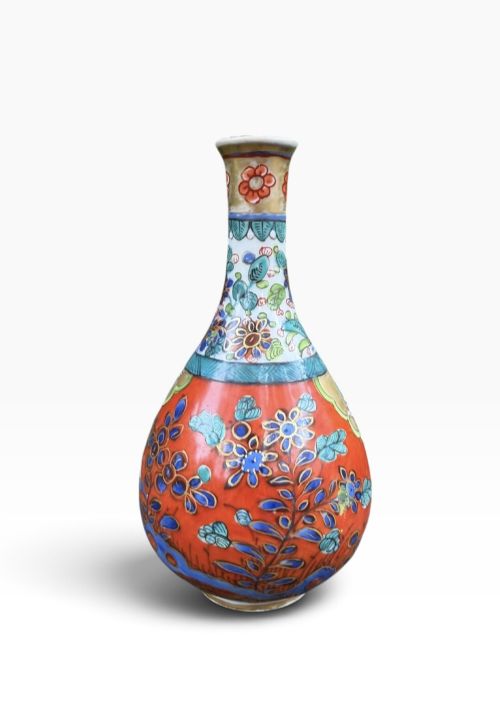
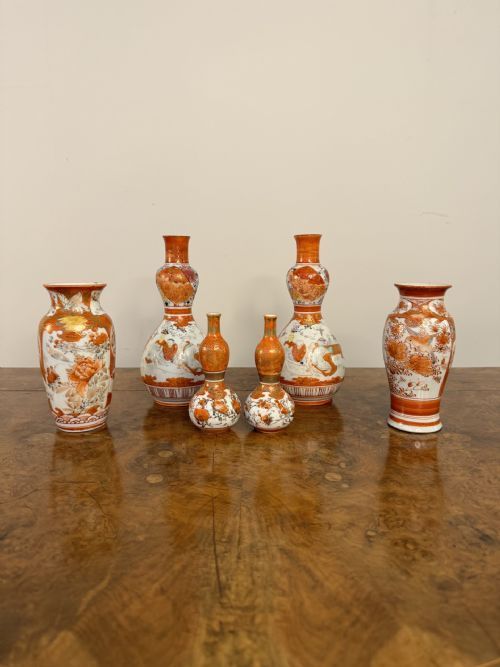
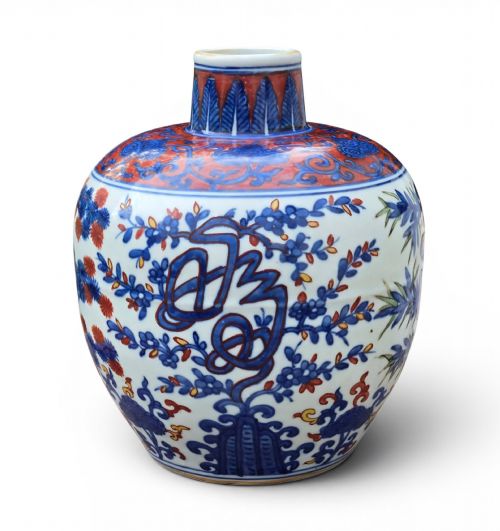
Red glazed vases encompass a broad sweep of ceramics, from nineteenth-century Chinese monochrome porcelains to English art pottery and Japanese wares. Buyers searching for red glazed vases encounter works stretching from the eighteenth century through the Edwardian era and into the early twentieth century.
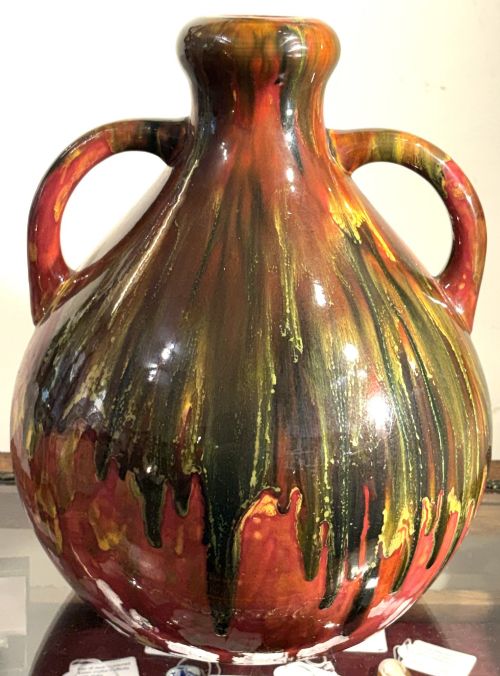
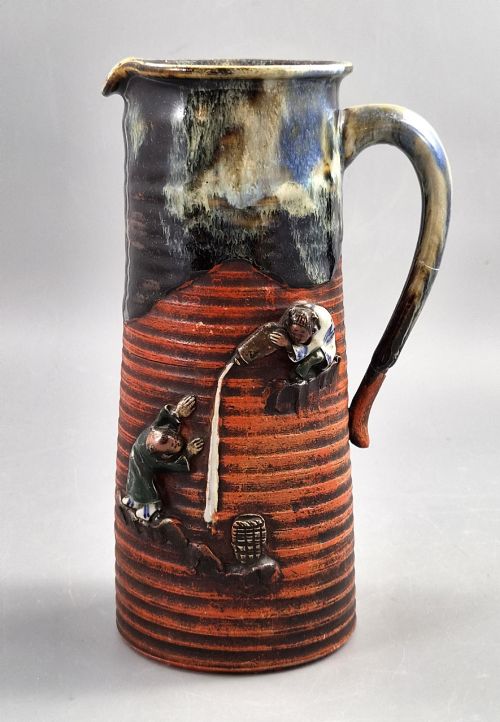
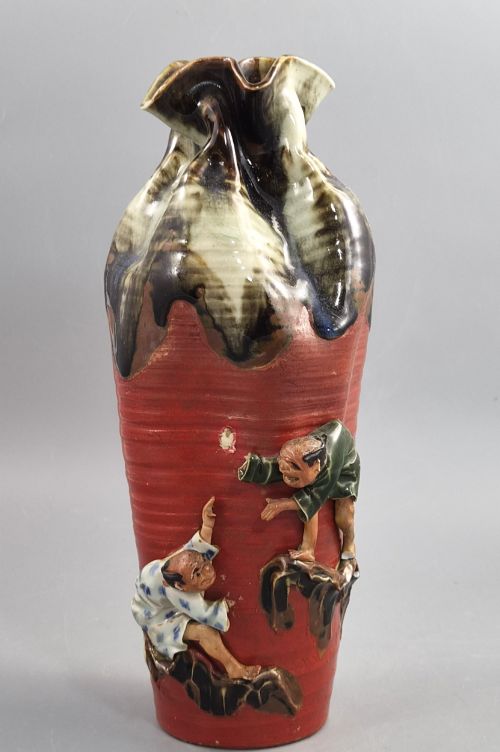
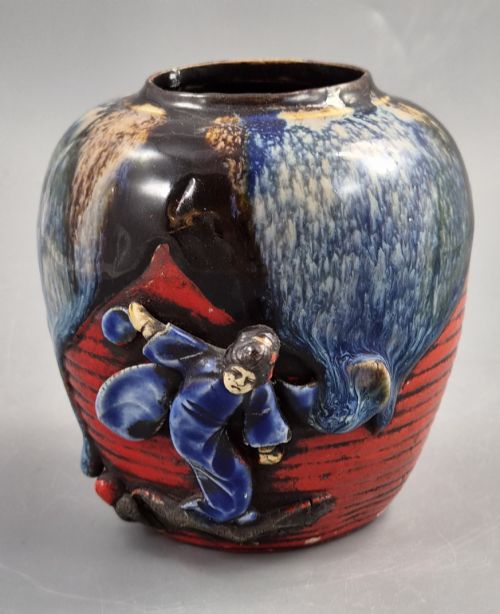
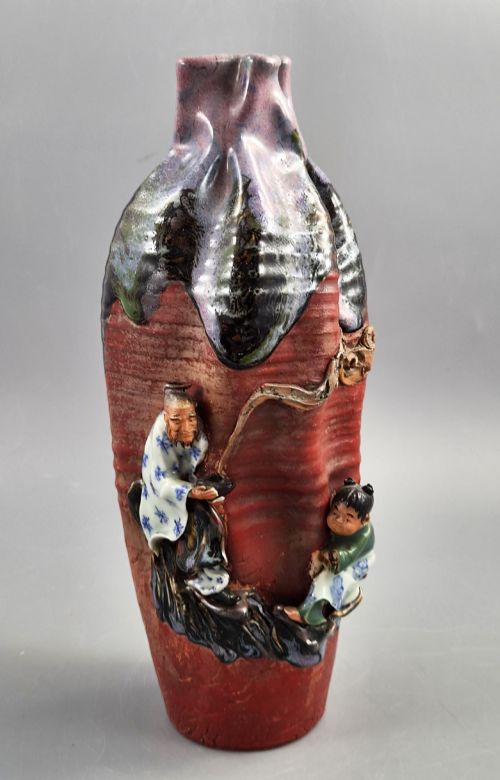
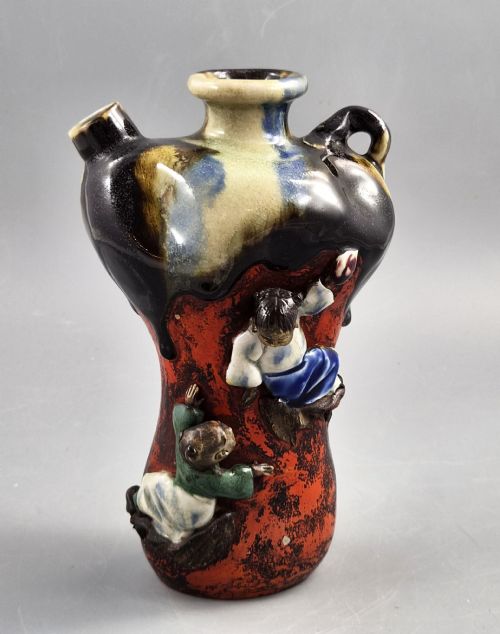
The selections on this page lean heavily toward Japanese Sumida Gawa productions from the Meiji and Taisho periods alongside Chinese porcelain and earthenware vessels. These pieces range from simple baluster shapes to sculptural jugs and table lamps.
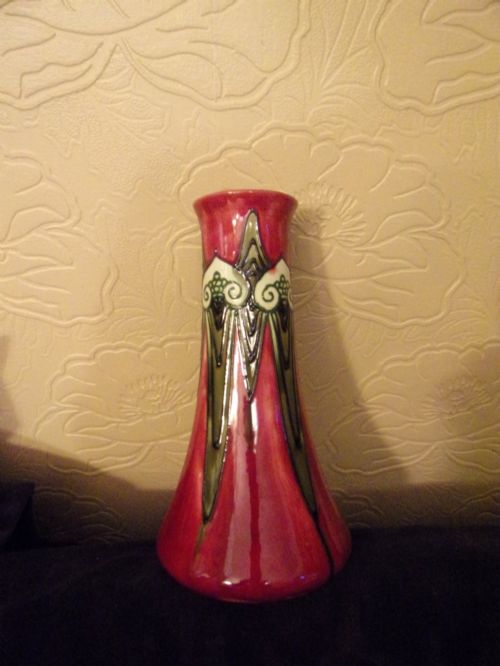
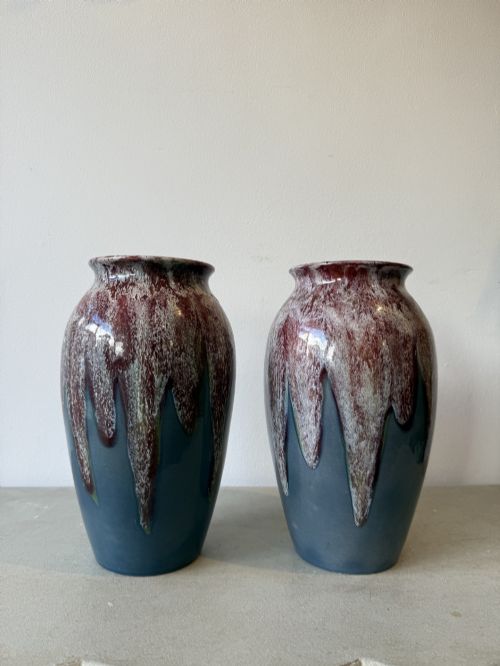
Makers such as Burmantofts and Minton sit alongside traditional Chinese export workshops, showing how diverse the origins of these ceramics truly are. Each period brings its own characteristic treatment of the red surface, whether through copper flambe or iron-red enamel.
Methods and materials
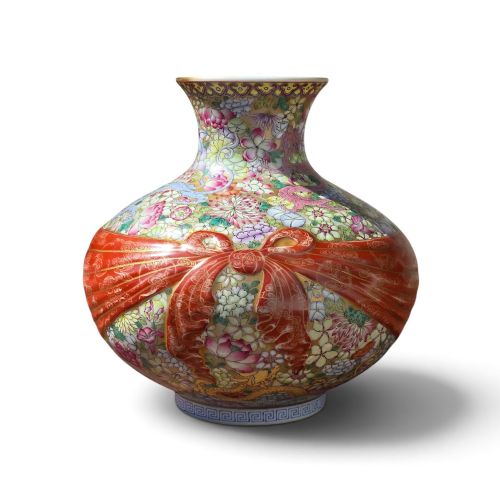
Potters achieved these striking red tones primarily through porcelain, earthenware, and stoneware bodies coated in specialised ceramic glazes and enamels. Copper-bearing glazes fired in reduction kilns produced deep oxblood and flambé effects, while iron pigments yielded rich coral and ribbon-wrapped details.
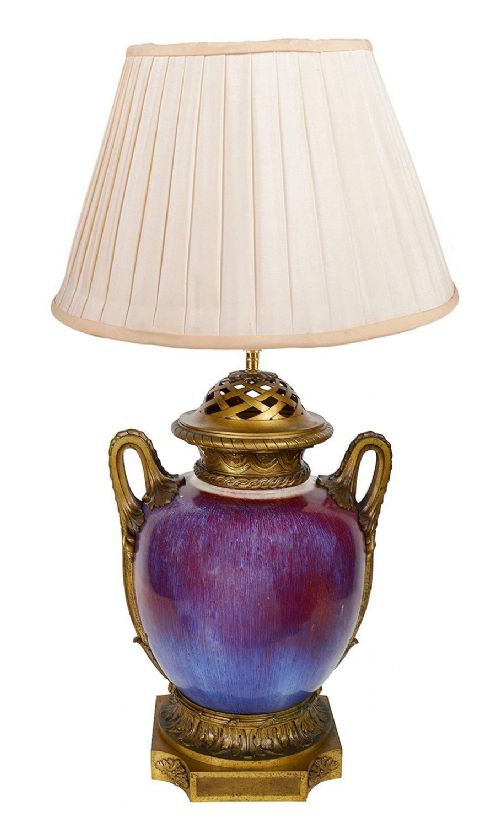
Techniques varied from the tube-lined designs seen in English secessionist pottery to the heavily textured, applied figural work characteristic of Japanese Sumida Gawa pieces. Some vessels also integrated brass fittings or mounts during later conversions into lamps.
Red Glazed Vases Retail Price Guide 2026
Typical asking prices for red glazed vases among the pieces listed under this phrase on Sellingantiques today, from the lower quarter to the upper quarter. They describe what is for sale here now, not the wider market.
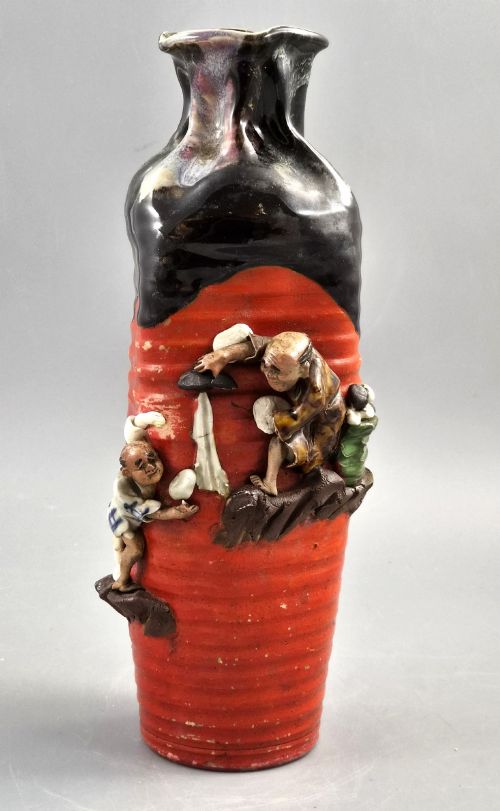
Several Japanese Sumida Gawa vases feature tiny applied figures climbing up the sides as if attempting to escape the oxblood glaze.
Judging the work
Quality in red glazed vases rests on the control and depth of the glaze firing, where copper and iron oxides react unpredictably in the kiln. Successful specimens display rich variegation and depth rather than flat, lifeless colour.
The crispness of the modelling in applied figures, such as those found on Japanese sculptural vases, distinguishes finer studio output from standard production pieces. Hand-thrown body shapes that maintain balance and proportion regardless of their asymmetrical decorative elements denote superior craftsmanship.
Burmantofts Pottery·Minton·Inoue Ryosai·Macintyre And Co·William Moorcroft
The Red Glazed Vases Glossary
- Flambé glaze
- A streaky, variegated glaze produced by metallic oxides, typically copper, fired in a reducing atmosphere to create dramatic reds and purples.
- Sang de bœuf
- French for oxblood, this term describes a rich, deep red copper-silicate glaze developed on Chinese porcelain.
- Tube-lining
- A decorative technique where lines of clay slip are squeezed from a bulb through a nozzle onto a ceramic body to form raised outlines for coloured glazes.
- Imari
- A style of Japanese export porcelain decorated in underglaze blue and iron-red, often accented with gold.
- Baluster
- A vase form with a rounded body that tapers toward the base and swells below a narrow neck.
Red Glazed Vases: Frequently Asked Questions
How do I date a red glazed vase?
Dating relies on combining stylistic clues with the characteristics of the ceramic body and glaze type. Marks on the base, where present, help pinpoint specific potteries and periods.
Changes in manufacturing methods, such as the shift from hand-thrown earthenware to industrial bodies, also provide clear chronological boundaries for these pieces.
Were these vases made as lamps?
Many Asian and European vases were converted into table lamps during the nineteenth or twentieth centuries, often retaining their original ceramic bodies. This practice was common for large decorative jars and sang de bœuf vessels.
Buyers should examine the base and top rim to understand whether any drilling or alteration accompanied the conversion.
What is Sumida Gawa pottery?
Sumida Gawa refers to Japanese ceramics produced around Tokyo during the Meiji and Taisho periods, known for heavily textured glazes and applied figurative elements. These pieces frequently feature sages, landscapes, or animals clambering across the exterior.
The distinct runny flambé glazes and raw clay backgrounds make them instantly recognisable among antique ceramics.
How do I care for antique ceramic vases?
Display these vessels away from direct sunlight and areas prone to sudden temperature fluctuations to protect the glaze surface. Dust them gently with a dry, soft cloth.
Avoid using water or cleaning agents on antique porous bodies or applied metal mounts, particularly if the piece has been converted to a lamp with electrical wiring.