


Red Framed Wall Art
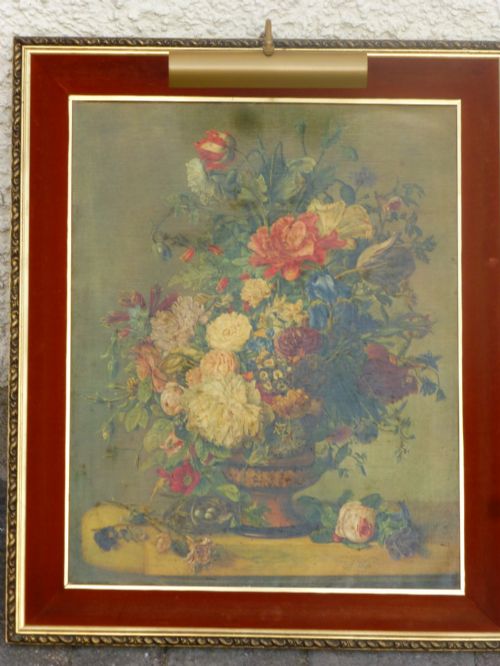
These pieces of red framed wall art span centuries, uniting painted canvases and textiles behind glass within gilt and lacquered surrounds.
Red Framed Wall Art
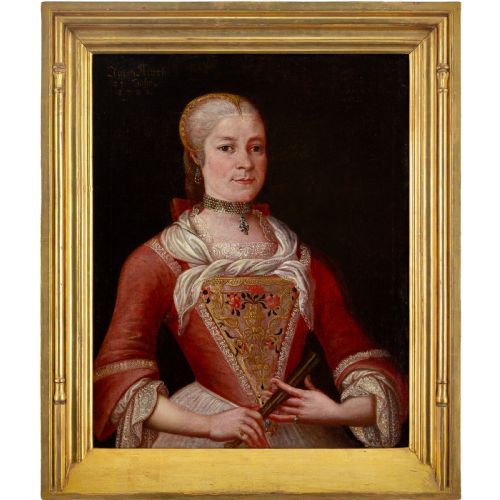
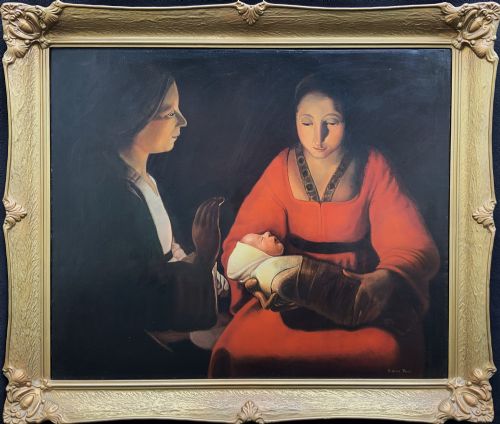
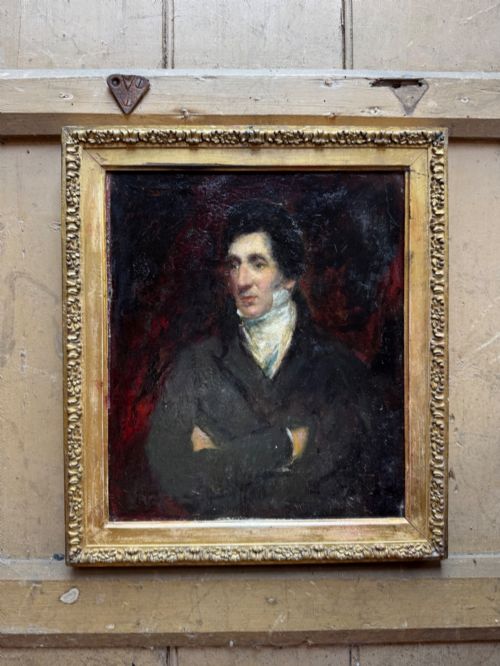
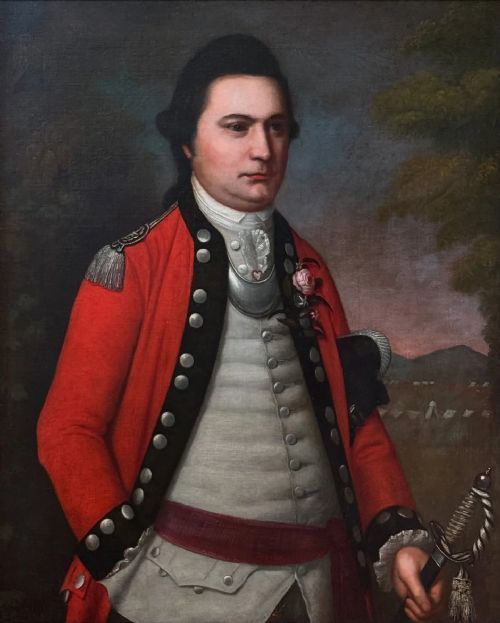
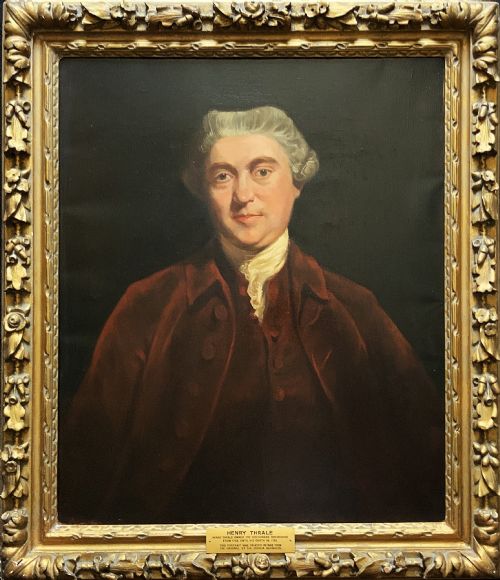
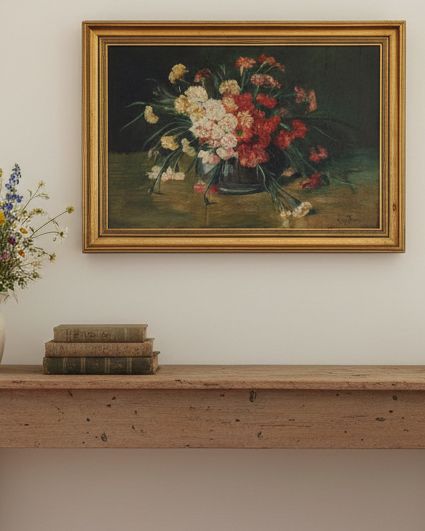
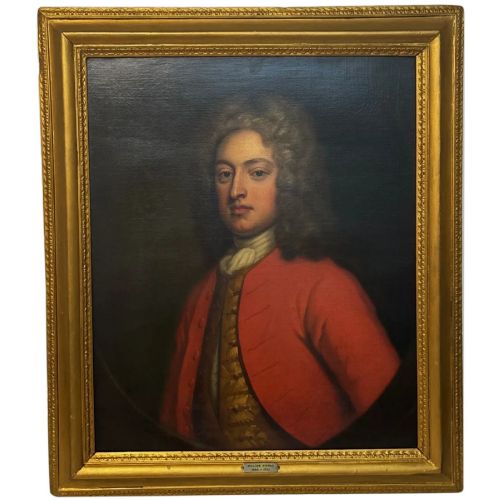
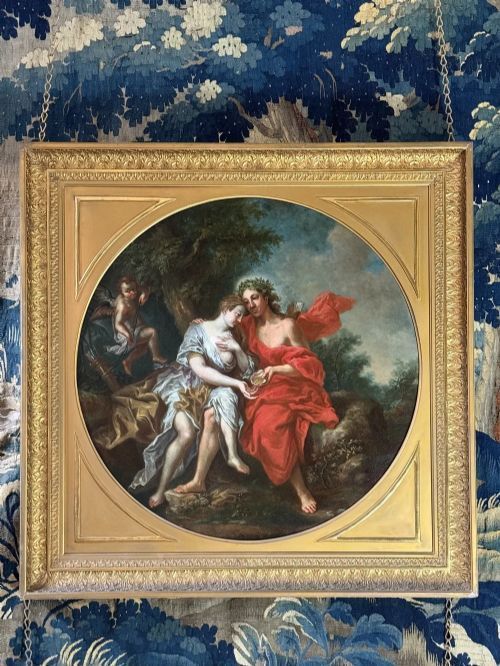
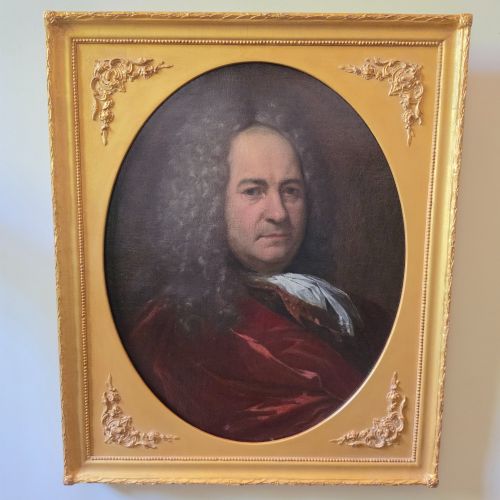
Buyers seeking red framed wall art encounter an extensive variety of oil paintings, watercolours, and textiles housed within striking surrounds. The selection ranges from seventeenth-century portraits to mid-century modern floral still lifes.
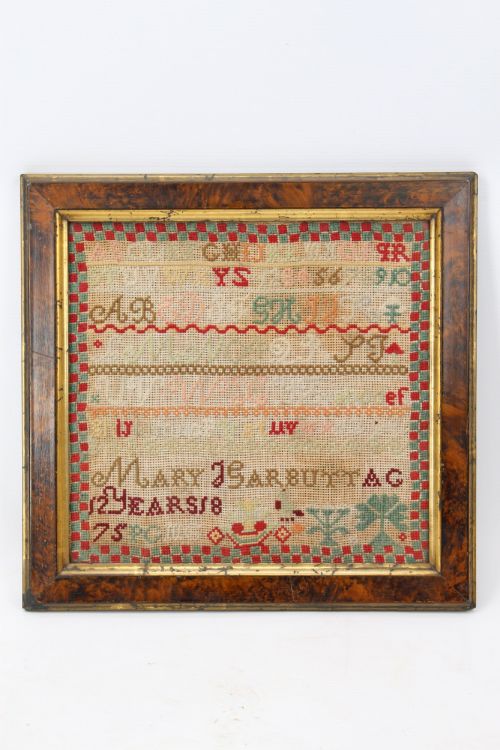
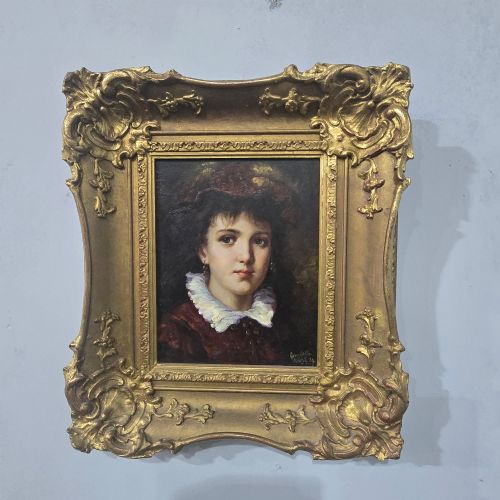
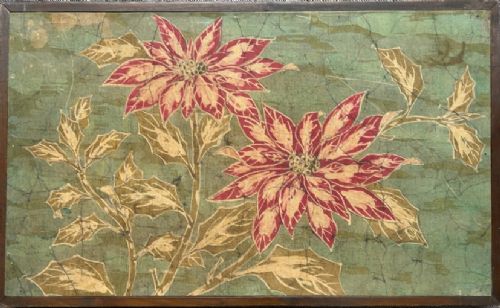
Most pieces on this page comprise traditional oil on canvas works, needlework samplers, and gouache panels. These compositions frequently incorporate striking crimson hues within the subject matter alongside the framing itself.
Origins span British, European, and Asian traditions, including Victorian needlework and Chinese silk rank badges. Each category brings distinct textures and historical contexts to wall decoration.
Materials and construction
Makers utilised traditional oil paint, gouache, and pastel applied to canvas, wood panel, or heavy paper. Needlework and textile pieces employ silk and wool threads worked on canvas or linen grounds.
Enclosing surrounds rely heavily on wood, gilded wood, and giltwood, alongside specialised treatments such as red lacquer. Glass is frequently integrated to protect delicate watercolours, prints, and embroideries.
Structural joinery and mounting techniques vary according to period, with seventeenth to nineteenth-century works displaying hand-carved frames and period stretchers.
The documented media range from traditional oil paints and watercolours to gouache, batik, and intricate embroidery.
Distinctions in quality
The standard of execution in the primary artwork dictates overall excellence, distinguishing skilled brushwork and precise needlework from simpler decorative output. Masterful handling of light, proportion, and pigment longevity elevates individual works.
The integrity and originality of the surrounding frame heavily influence value and appeal. Period-matching surrounds displaying skilled gilding or intact lacquer outrank later replacements or poorly restored mouldings.
Stickland Lowry·Sir Joshua Reynolds·Charles Antoine Coypel·Allan Ramsay·Sir Peter Lely·Robert Cleminson·Arthur Dudley·Renato Moretti
The Red Framed Wall Art Glossary
- Giltwood
- Wood carved and covered with a thin layer of gold leaf. This technique creates a luminous, reflective surface popular on antique frames.
- Needlework Sampler
- A piece of canvas embroidered with various stitches and motifs, often featuring alphabets or figures. These historically demonstrated a maker's skill and diligence.
- Oil on Canvas
- Pigments bound in an oil medium applied to a stretched woven fabric. This durable combination allows for rich colour blending and textured brushwork.
- Gouache
- An opaque water-based paint mixed with a fine white pigment. It dries to a smooth, matte finish that highlights illustrative detail.
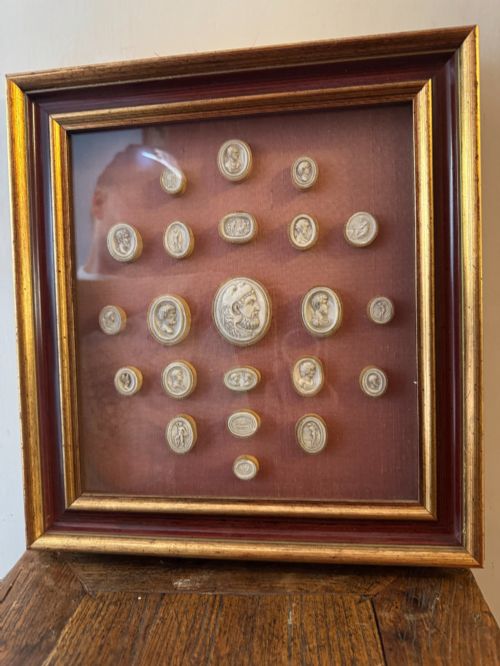
- Intaglio
- A design incised into a hard material such as stone or shell. These carved panels were frequently collected during the Grand Tour.
Red Framed Wall Art: Frequently Asked Questions
How do I date an oil painting?
Examine the canvas weave, stretcher construction, and pigment composition for period characteristics. Stylistic clues in costume and hair also help narrow the decade.
Signatures, stamps, and labels on the reverse provide further documentary evidence of the creation date.
Are these frames original?
Many pieces retain their period surrounds, particularly works from the eighteenth and nineteenth centuries. Gilding wear and corner construction often match the age of the artwork.
Some items have been reframed later to suit changing interior tastes, making frame inspection essential.
How should I hang heavy oil paintings?
Secure heavy wood and giltwood pieces directly into wall studs using appropriate picture hooks or brackets. Weight distribution requires robust wire or D-rings firmly fixed to the wooden stretcher.
Avoid hanging large works in areas prone to dampness or direct sunlight to protect the canvas.
What is textile art?
Textile art encompasses decorative works created using thread, fabric, and fibre techniques. Examples include embroidered dowry hangings, silk rank badges, and needlework samplers.
These pieces are typically mounted behind glass to protect delicate historic textiles from dust and handling.