


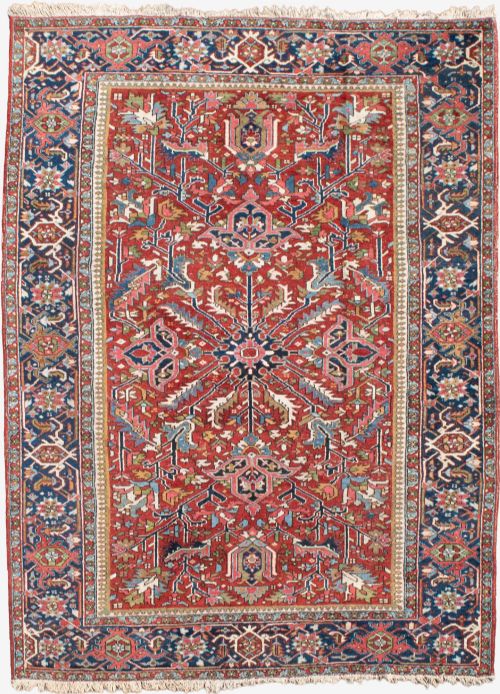
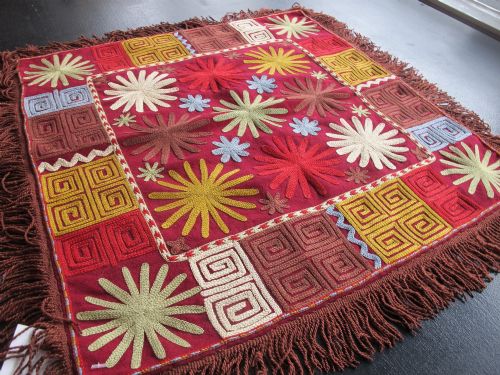
Red Floral Rug Vintage
A red floral rug vintage selection brings warmth and intricate botanical motifs into a room through centuries of weaving tradition.
Red Floral Rug Vintage
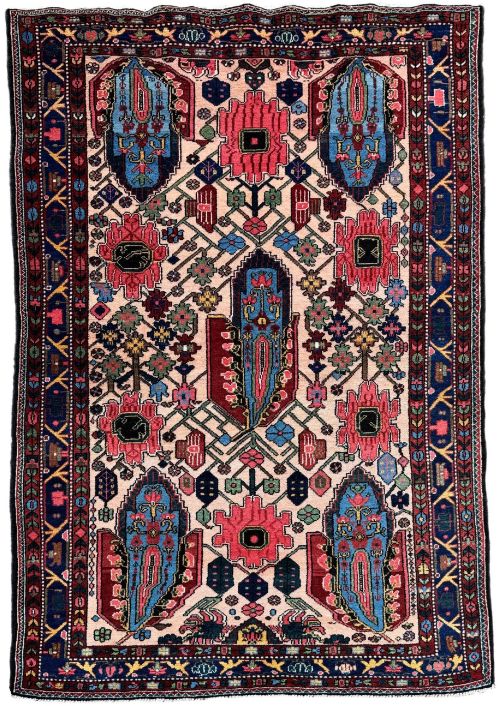
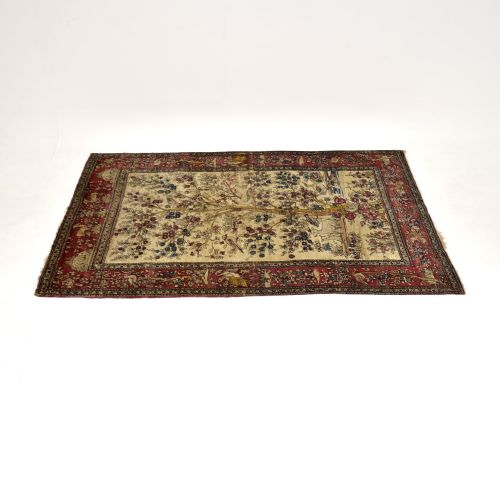
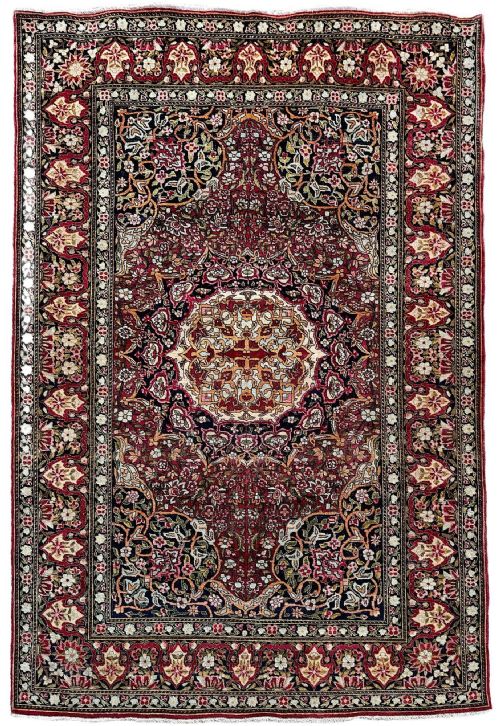
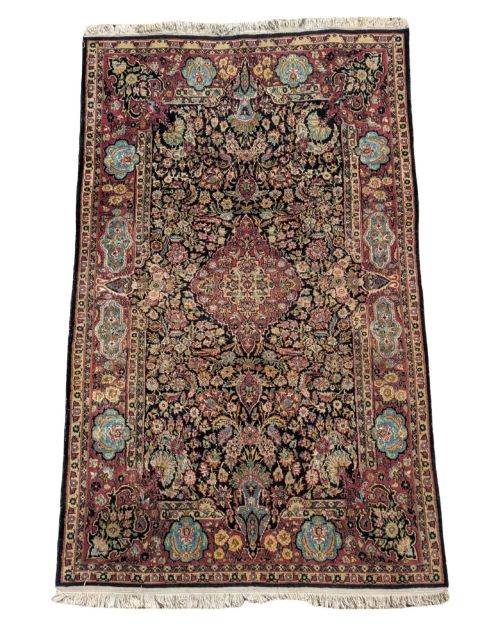
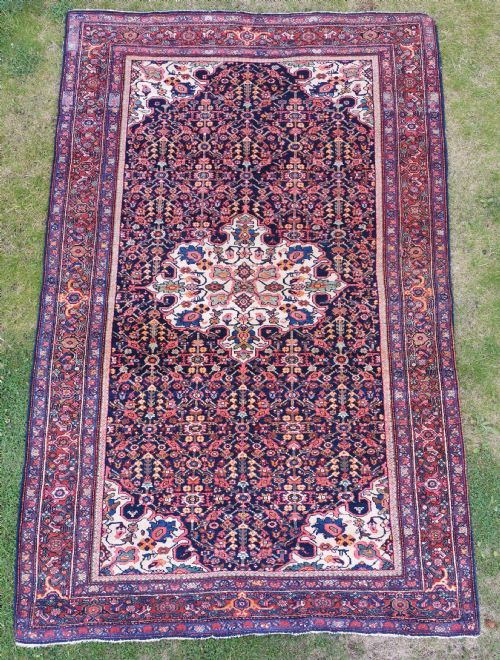
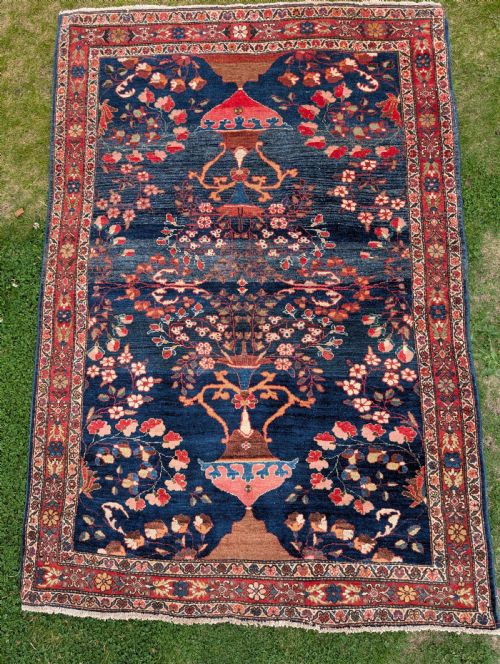
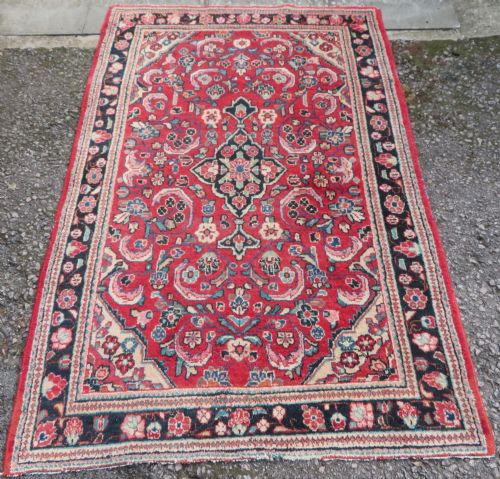
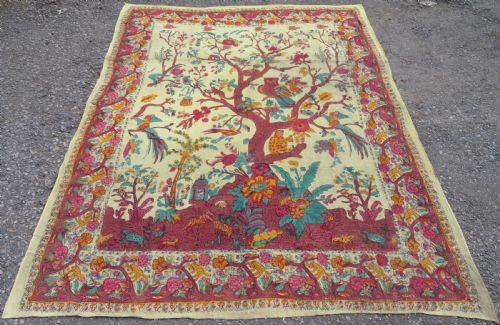
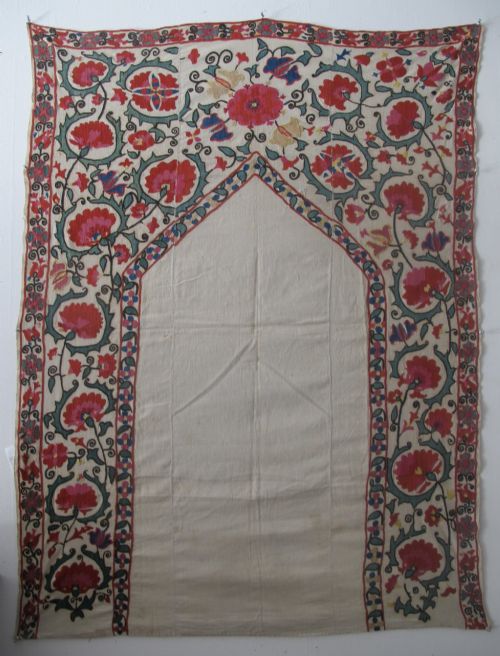
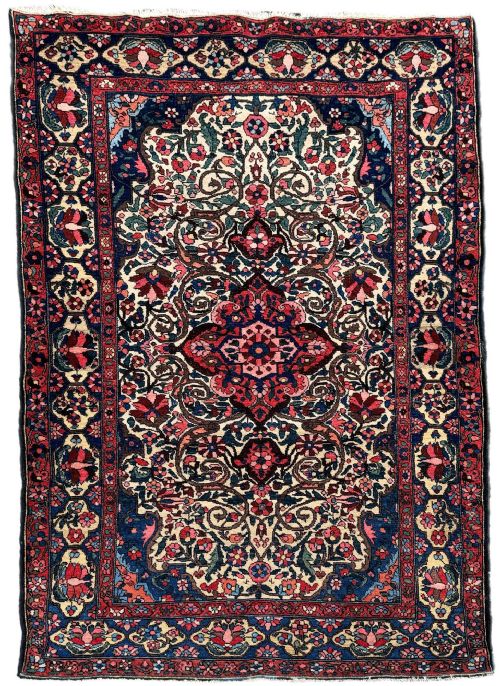
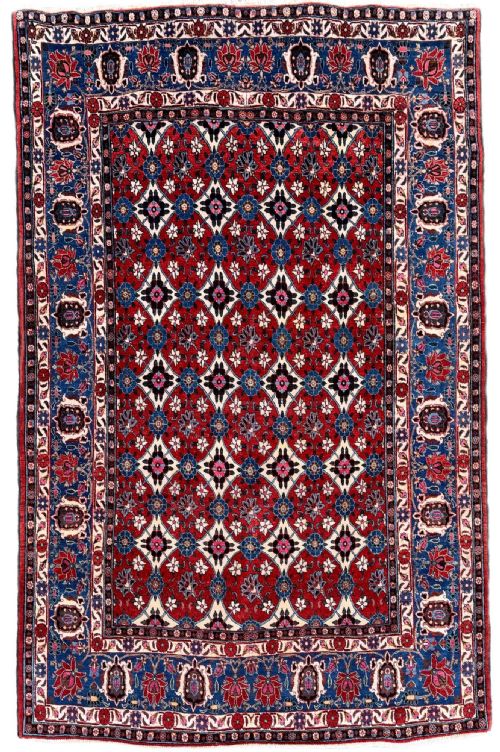
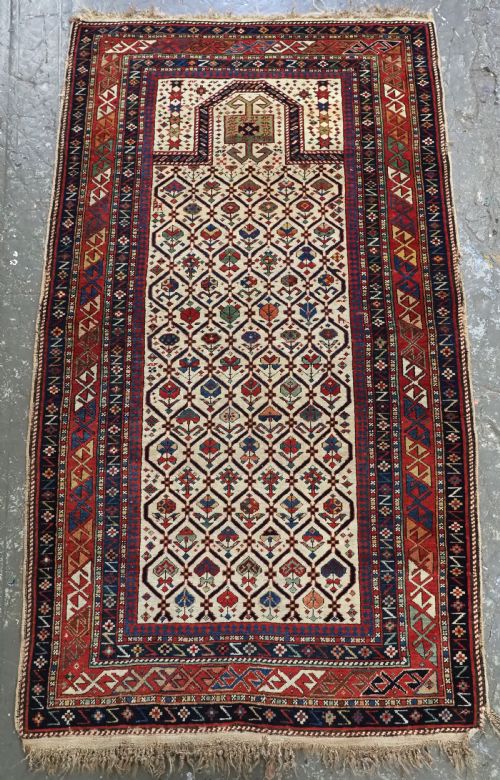
A red floral rug vintage selection gathers hand-knotted carpets and woven textiles from Persian, Caucasian, and Central Asian workshops. These floor coverings and wall hangings display traditional floral patterns, medallion layouts, and lattice designs.
The pieces span from the mid-nineteenth century through the early twentieth century, originating from regions such as Heriz, Kashan, Sarouk, and Bakhtiar. Buyers most frequently encounter room-size carpets, area rugs, and smaller village rugs created during this period.
Makers utilised wool, cotton, and occasionally silk or metallic thread to build durable surfaces with intricate botanical details. Each carpet reflects the distinct weaving techniques and regional dye palettes of its specific origin.
How they were made
Weavers constructed these carpets using wool pile knotted onto cotton or wool foundations, employing asymmetric or symmetric knots depending on the regional workshop. Structural threads formed a stable grid that secured the dense pile surface.
Dyers sourced natural materials to colour the wool, producing deep reds and contrasting tones that aged gracefully over decades of use. Silk highlights or metallic thread occasionally appeared in finer city pieces to emphasise specific floral motifs within the design.
Some nineteenth-century weavers hid tiny rogue knots in the border as a quiet signature.
What varies in quality
Knot density and the precision of the botanical drawing dictate the refinement of a rug, separating simpler village pieces from intricate city workshop carpets. Finer knots permit crisper articulation of floral lattices and complex medallion borders.
The choice of materials also shapes the character of the piece, as higher grades of wool retain lanolin for greater resilience and softness. Subtle shifts in dyed hues across the field demonstrate the complexity of natural colour preparation.
Ahmadi Isfahan
The Red Floral Rug Vintage Glossary
- Medallion
- A central ornamental design motif placed in the middle of the carpet field. This prominent geometric or floral shape anchors the entire composition.
- Pile
- The vertical surface of yarn loops or cut ends that forms the soft top layer of the rug. This wool or silk layer absorbs wear and displays the woven pattern.
- Warp
- The parallel longitudinal threads stretched tightly on the loom before knotting begins. These cotton or wool strands form the structural backbone of the textile.
- Weft
- The horizontal threads passed alternately over and under the warp yarns to lock the knots in place. Proper beating of the weft ensures a firm and stable fabric.
- Prayer rug
- A small format rug featuring a mihrab or niche design used historically for daily devotions. The pointed arch motif directs the visual focus toward a specific orientation.
Red Floral Rug Vintage: Frequently Asked Questions
Where were these rugs made?
These textiles originate primarily from traditional weaving centres across Persia, the Caucasus, and Central Asia, including regions like Heriz, Kashan, and Uzbekistan.
Local workshops and village communities passed down specific botanical motifs and knotting techniques across generations.
How do I care for a vintage rug?
Regular gentle vacuuming without a beater bar removes surface dirt from the wool pile while protecting the antique foundation threads.
Professional cleaning tailored to natural fibres maintains the integrity of the dyes and the soft handle of the wool.
What materials are used in these pieces?
The primary material is wool for the pile, supported by cotton foundations, with occasional accents of silk and metallic thread.
Natural dye sources provided the rich red backgrounds and secondary botanical colours seen throughout the collection.
How are different regional styles identified?
Regional styles reveal themselves through distinct structural traits, colour palettes, and the specific geometry of their floral lattices or medallions.
Village rugs often display bolder, more geometric interpretations, whereas city carpets exhibit finer curves and intricate detail.