

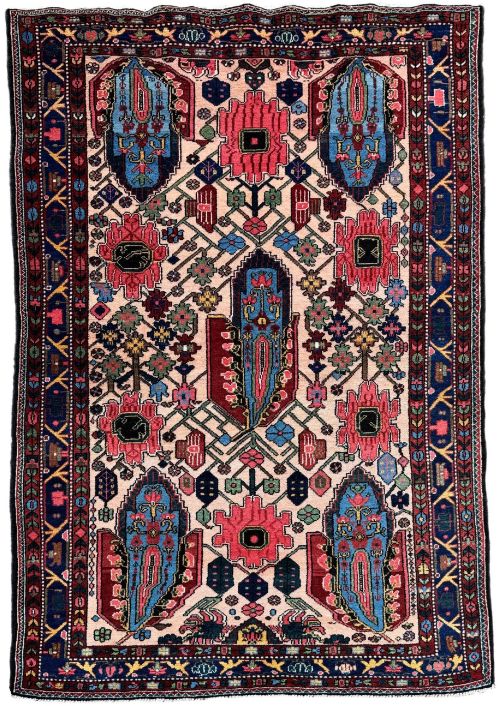
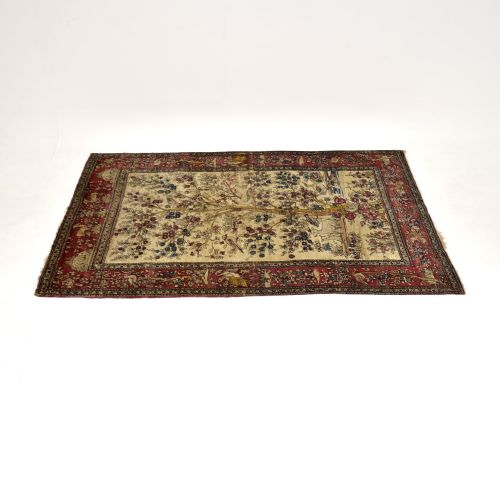
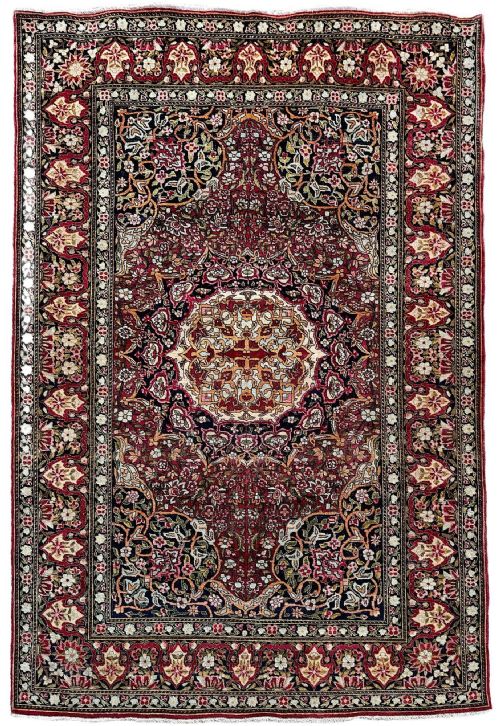
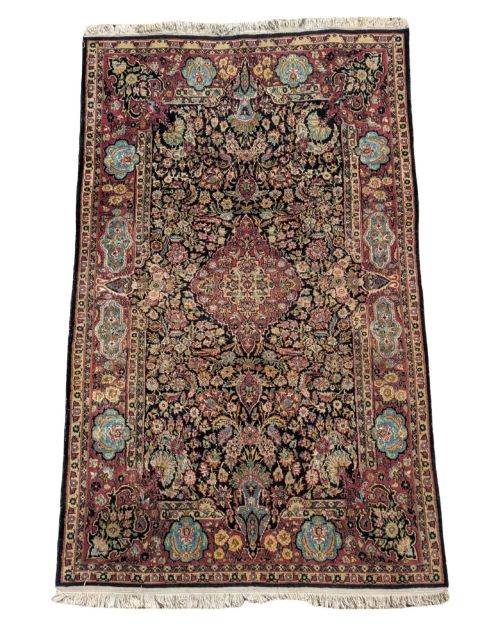
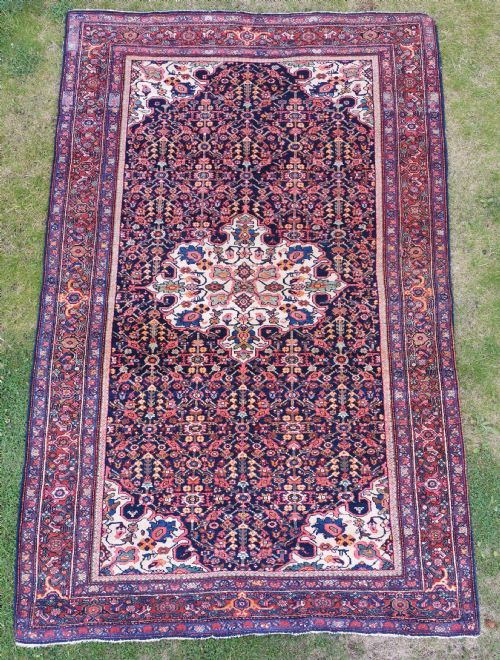
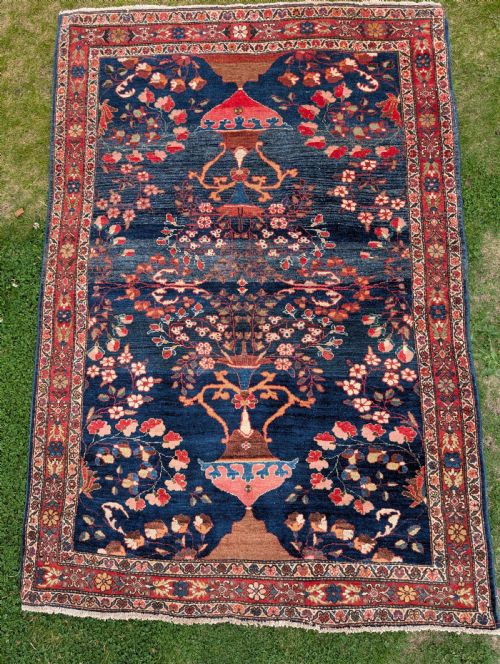
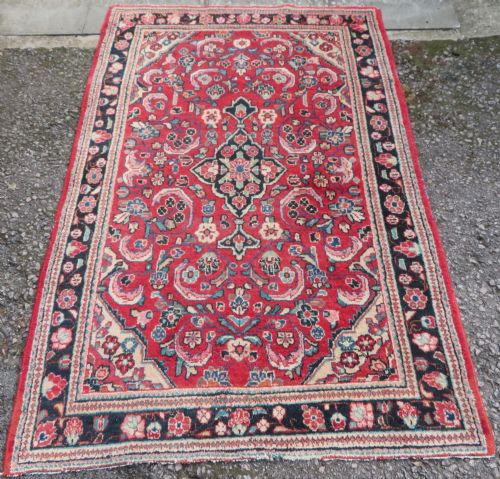
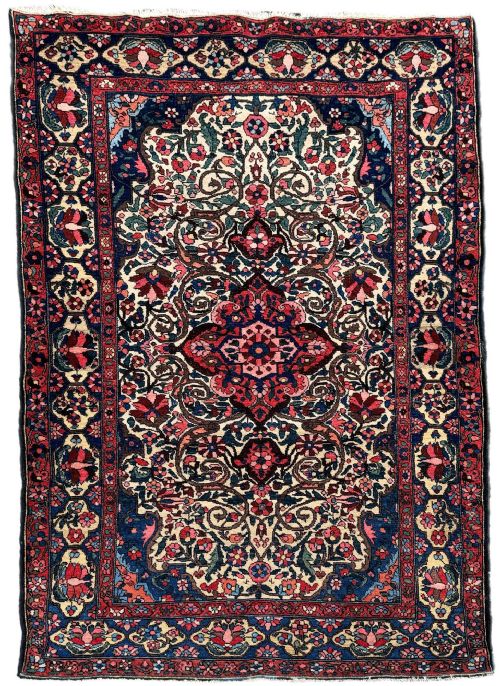
Red Floral Area Carpet
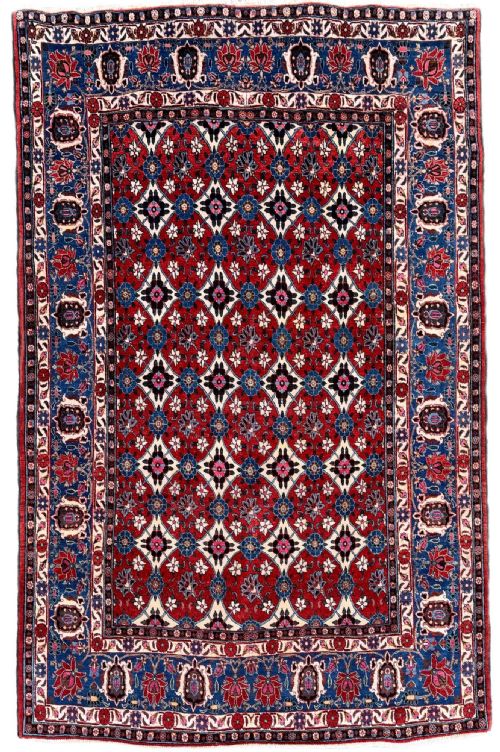
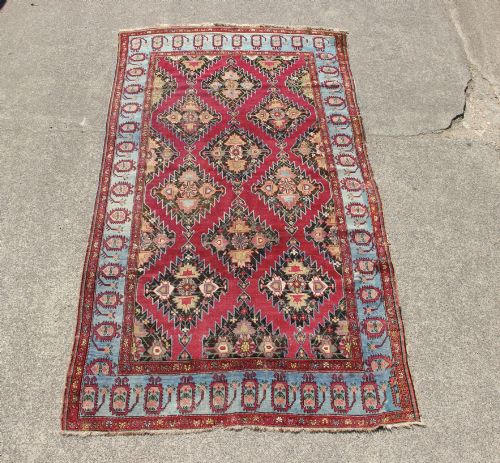
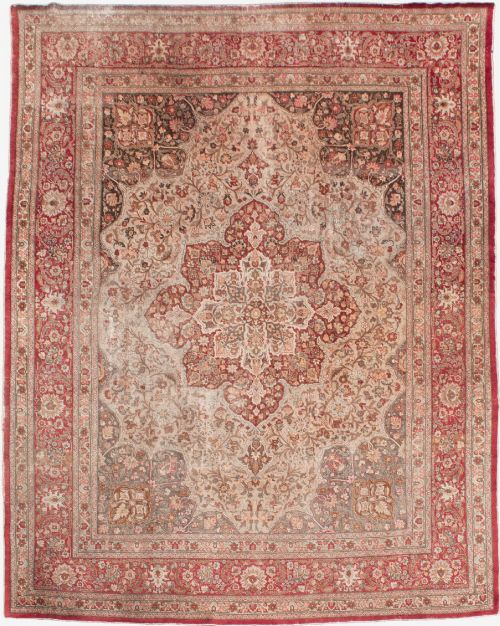
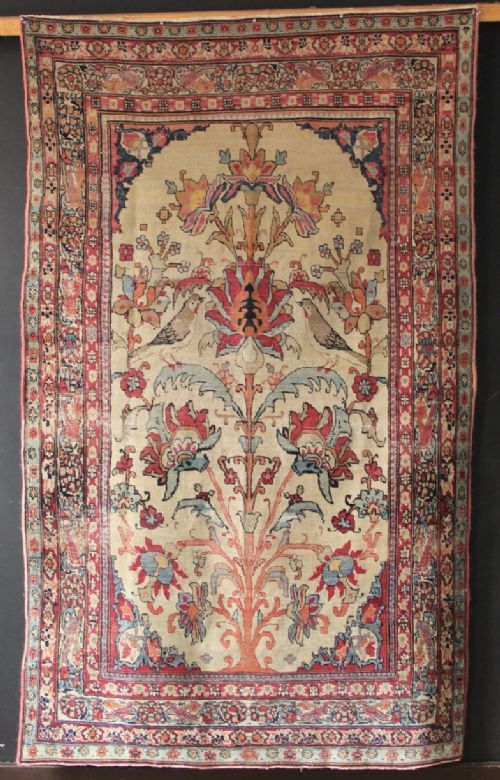
A red floral area carpet brings rich Persian and Caucasian village patterns and soft wool warmth directly onto the floor.
Red Floral Area Carpet
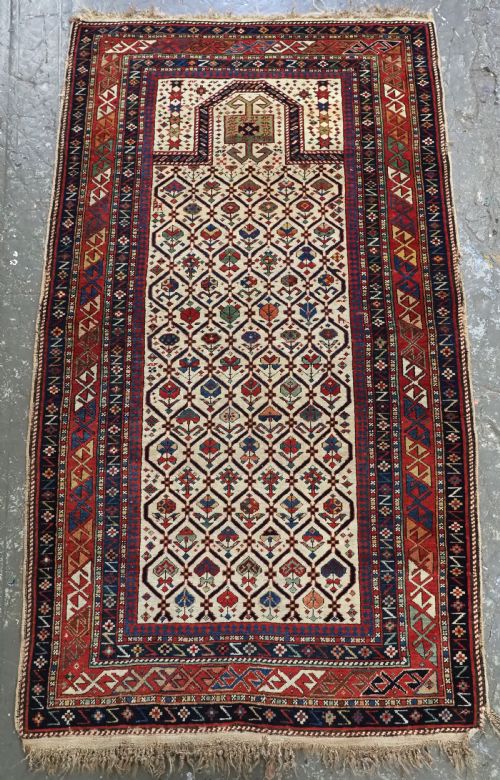
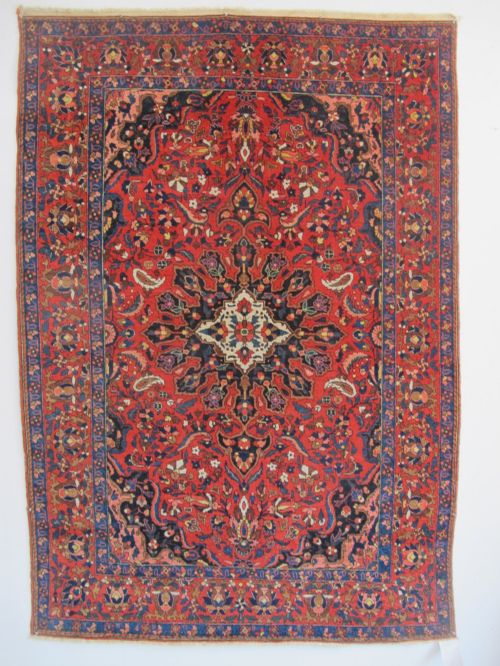
A red floral area carpet represents centuries of weaving traditions, spanning from nineteen-twenty back to eighteen-fifty across Persian, Caucasian, and traditional styles. These pieces arrive in various formats, from village scatter rugs to large country house carpets, often showcasing intricate floral lattices and prayer designs.
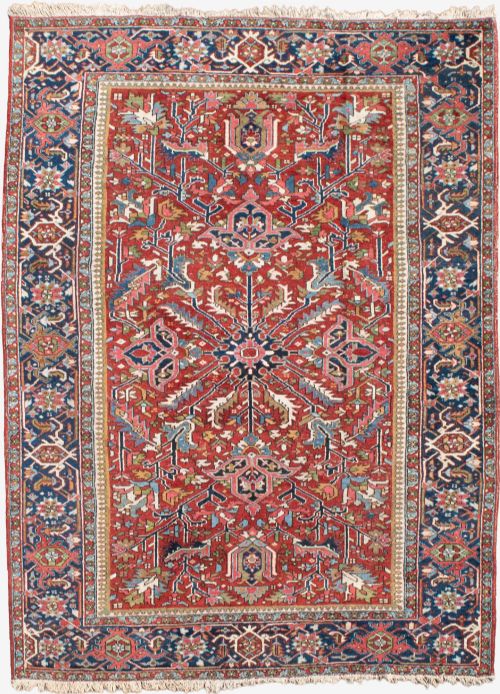
The aesthetic relies on dominant crimson and scarlet fields paired with botanical motifs, geometric medallions, and trailing floral vines. Each piece reflects the specific regional palette and knotting techniques of its nineteenth or early twentieth-century origin.
How they were made
These floor coverings utilise natural wool for the pile and foundation, occasionally combined with cotton warps and delicate silk highlights to accentuate specific botanical details. Weavers knotted these materials by hand on upright wooden looms, building up dense, durable piles designed for daily use.
Natural dye baths provided the rich reds, indigos, and earth tones seen across the pieces, creating subtle variations in hue known as abrash. Artisans then finished the edges with sturdy selvedges and secured the ends with woven fringes.
Listings feature wool, cotton, and silk materials spanning production dates from eighteen-fifty to nineteen-forty across diverse Persian and Caucasian styles.
What varies in quality
Quality rests primarily in the density of the knotting and the crispness of the floral drawing, which dictates how sharply the botanical motifs detach from the background. Finer examples display meticulous control over curved lines and intricate lattice structures.
The depth and brilliance of the red dye fields separate standard productions from superior works, particularly where wool quality and silk highlights interact under natural light. Uniformity in pile retention and structural integrity further define the upper tier of these woven textiles.
The Red Floral Area Carpet Glossary
- Abrash
- Natural variation of colour within a single dye batch caused by uneven absorption in the wool. This tonal shading appears as horizontal bands across the carpet.
- Medallion
- A central ornamental design motif placed in the middle of the carpet field. It usually takes a symmetrical geometric or floral form.
- Pile
- The vertical or slanted upright yarn that forms the soft surface of the rug. It is created by knotting wool, cotton, or silk around the warp threads.
- Warp
- The stationary vertical threads stretched tightly on the loom before weaving begins. The foundation fringe forms directly from these parallel cords.
- Weft
- The horizontal threads passed across and through the warp threads after each row of knots. They bind the structure together firmly from side to side.
Red Floral Area Carpet: Frequently Asked Questions
How do I clean an antique carpet?
Professional gentle washing is recommended to preserve wool fibres and natural dyes. Avoid harsh chemical treatments and excessive water immersion.
Regular light vacuuming without a rotating power brush helps remove embedded dust safely between professional washes.
Are these carpets suitable for heavy traffic?
Traditional wool construction provides high durability and natural resilience against daily wear. High-traffic areas benefit from a quality underlay to reduce friction and movement.
Placing these pieces in hallways or living rooms was standard practice for village and city workshops alike.
How do I identify a Heriz weave?
Heriz carpets typically feature bold geometric medallions and robust, durable wool foundations. The drawing is often more architectural and rectilinear compared to curved city designs.
Many examples incorporate sturdy cotton warps that support room-sized formats effectively.
How do I date an old carpet?
Dating relies on stylistic analysis, structural examination, and dye characteristics observed across documented pieces. Nineteenth-century examples often display vegetable dyes and organic colour softening over time.
Comparing knot counts and regional motifs helps narrow the production era to specific decades.