



Red Figurative Art
Red figurative art brings human presence and bold colour together, capturing figures through centuries of painterly tradition.
Red Figurative Art
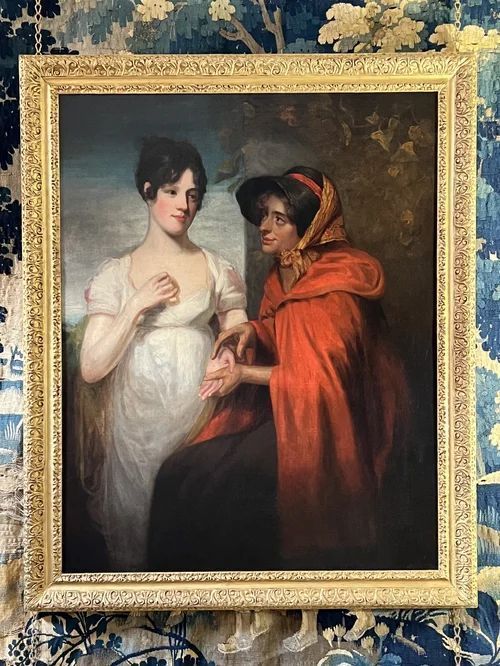
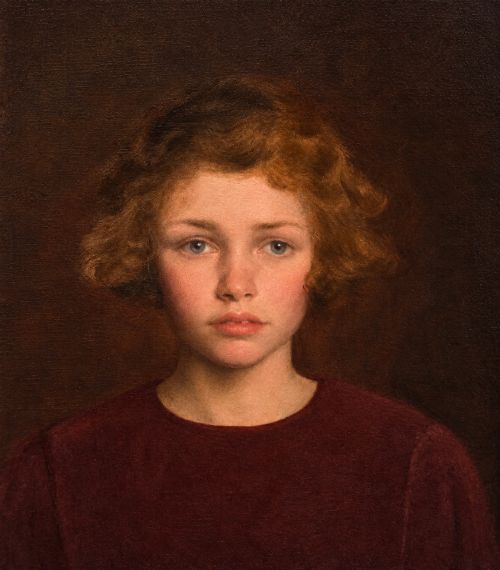
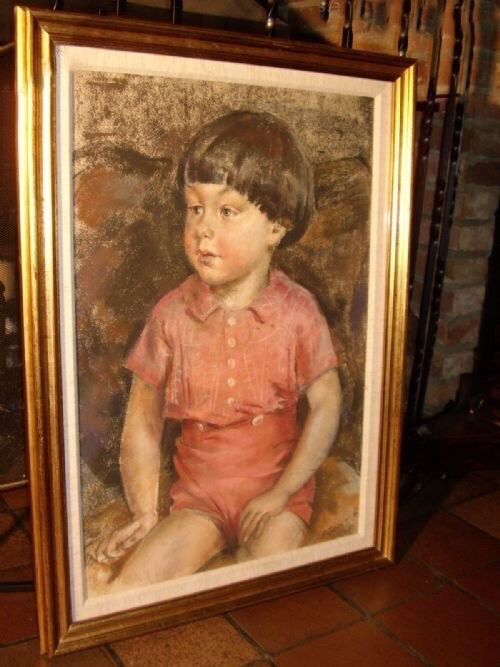
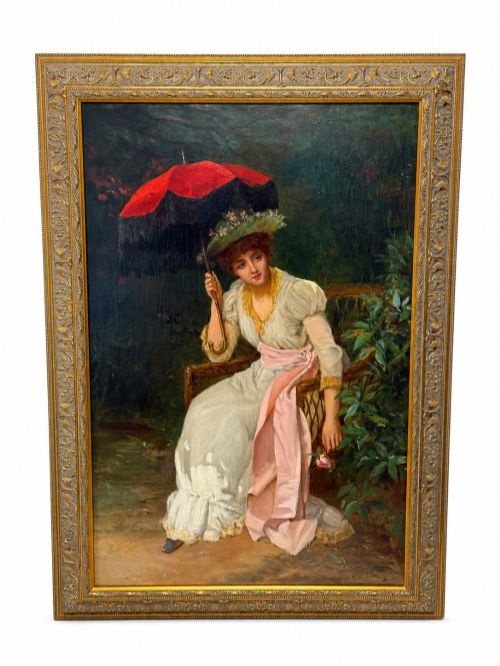
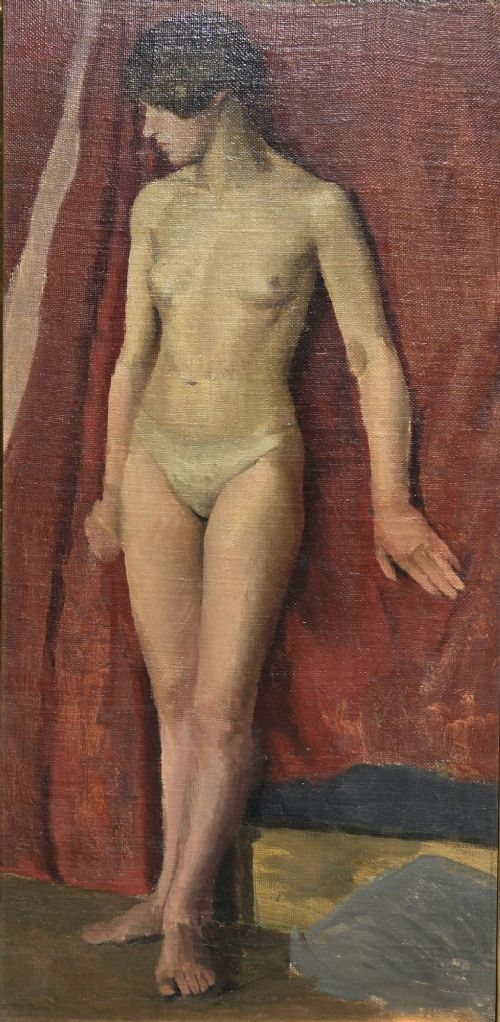
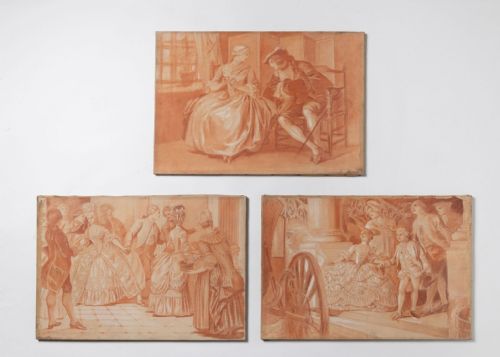
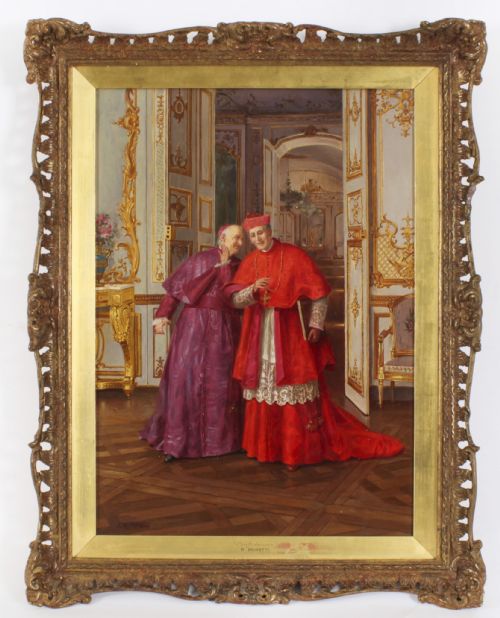
When searching for red figurative art, buyers encounter a diverse selection of paintings, portraits, and studies focused on human subjects. The pieces span multiple centuries, ranging from eighteenth-century genre works and Victorian canvases to twentieth-century Modernist and mid-century compositions.
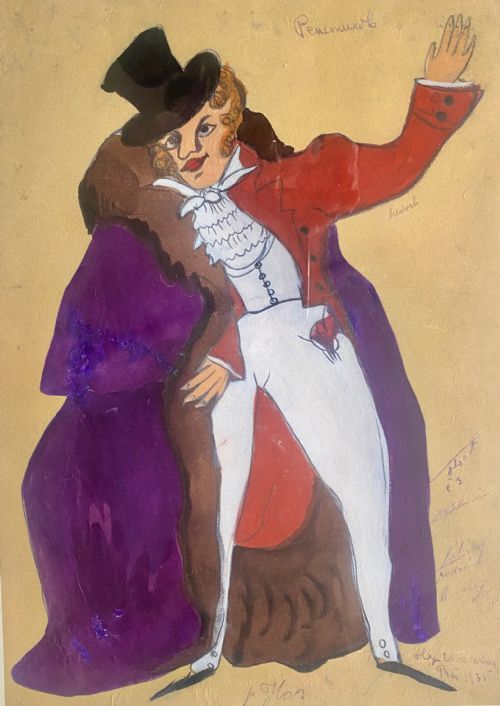
The selection on this page relies heavily on original works on canvas and paper, encompassing oil paintings, watercolours, gouache, and pastels. These portrayals capture people in domestic interiors, narrative scenes, and striking portraiture.
Representations vary from traditional historical depictions to avant-garde interpretations by twentieth-century makers. Buyers find both intimate figure studies and larger framed artworks reflecting distinct historical periods.
Materials and techniques
Artists utilise traditional supports such as canvas, paper, wood panels, and board to build their figurative compositions. Oil paint remains a dominant medium, valued for its rich depth and capacity for layered colour.
Watercolour, gouache, ink, and pastel are equally prominent, allowing for expressive line work and vibrant applications of pigment. These varied media define the character and texture of each surviving piece.
Red Figurative Art Retail Price Guide 2026
Typical asking prices for red figurative art among the pieces listed under this phrase on Sellingantiques today, from the lower quarter to the upper quarter. They describe what is for sale here now, not the wider market.
Listings feature oil paintings, watercolours, and gouache on canvas, paper, wood, and board across multiple centuries.
Evaluating quality and execution
Quality rests upon the artist's command of anatomy, expression, and composition within the chosen medium. Stronger works demonstrate confident brushwork or draughtsmanship that brings the human subject into sharp focus.
The sophistication of the palette and the preservation of the surface material further distinguish finer examples. Superior pieces maintain their original immediacy and structural integrity across the centuries.
John Opie·Renato Moretti·Henry E Hobson·Demetrios Galanis·Raoul Millais·Lucien Freud·Manuel Azpiroz·Sir Edward Burne-Jones·Adolphe-Alexandre Lesrel·Ralph Hedley·Tschacbasov
The Red Figurative Art Glossary
- Canvas
- A heavy woven fabric stretched across a wooden frame to serve as a support for oil paintings. It provides a flexible and durable textured surface for pigment.
- Gouache
- An opaque water-based paint that dries to a matte finish, allowing for vibrant colour blocks and fine illustrative detail.
- Genre painting
- Artwork depicting scenes from everyday life, typically featuring ordinary people engaged in common activities. These works offer a window into past social habits.
- Modernism
- A twentieth-century artistic movement characterised by the deliberate rejection of traditional styles in favour of experimental forms and bold colour expression.
- Pastel
- A drawing medium consisting of powdered pigment combined with a binder, applied directly to paper to create rich, velvety tones.
Red Figurative Art: Frequently Asked Questions
What periods do these figurative artworks cover?
The collection spans from the sixteenth century through the Victorian era into the mid-twentieth century.
Each period brings distinct stylistic approaches to the human form, reflecting shifting artistic movements over time.
How are these paintings and drawings displayed?
Most works arrive framed as original wall art, ready for immediate placement in domestic settings.
Paper pieces often require careful wall positioning away from direct sunlight to preserve the watercolours, gouache, or pastels.
What subjects appear in these figurative pieces?
Portraits, dancers, domestic interiors, and narrative genre scenes dominate the selections available to collectors.
Artists capture both named historical figures and anonymous sitters engaged in everyday moments or expressive studies.
How do I identify a modernist work from a Victorian one?
Victorian pieces typically favour detailed narrative realism, traditional portraiture, and structured domestic compositions.
Modernist examples discard strict realism in favour of abstracted forms, expressive brushwork, and experimental perspectives.