




Red Earthenware Vase
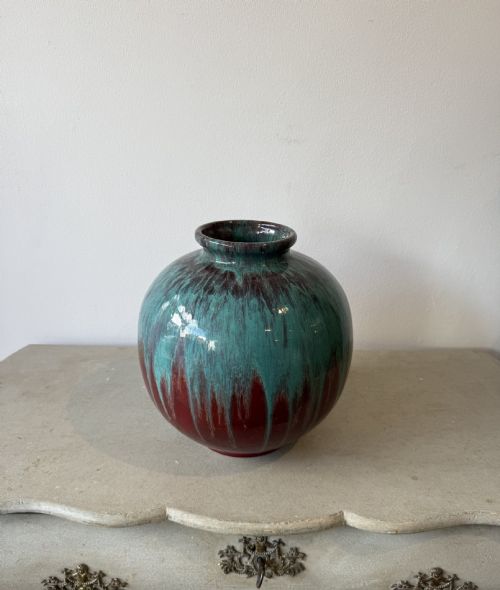
A red earthenware vase brings warmth and tactile richness to a room, spanning periods from Victorian art pottery to Meiji Japanese production.
Red Earthenware Vase
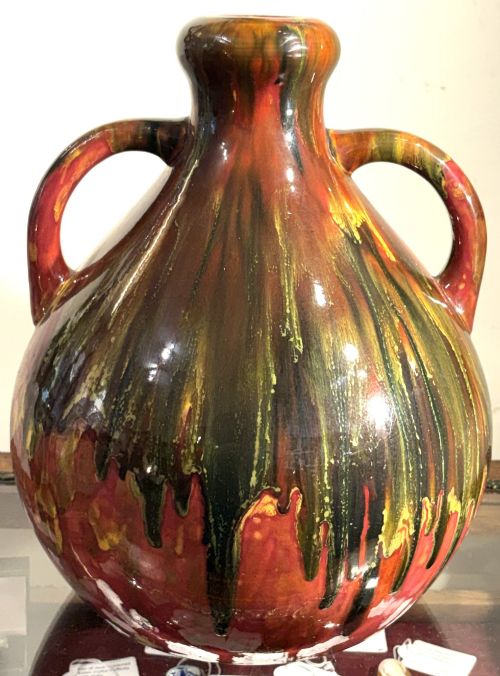
When you search for a red earthenware vase, you encounter a diverse range of forms spanning the nineteenth century through the early twentieth century. These pieces encompass everything from Japanese Tokoname and Sumida Gawa productions to English art pottery and Continental ceramics.
The selections available here lean heavily towards Japanese styles from the Meiji and Taisho periods alongside English Arts and Crafts and Victorian creations. Vases, pitchers, and spill holders dominate the current forms.
Buyers frequently find twin-handled vessels, tall display pieces, and reticulated designs. The origins stretch from British kilns to Asian workshops and French studios.
Materials and construction
Potters utilised red clay, terracotta, and earthenware bodies, shaping them into sturdy vessels and decorative forms. Glazes, ceramic glazes, and enamel additions provide surface colour and sheen.
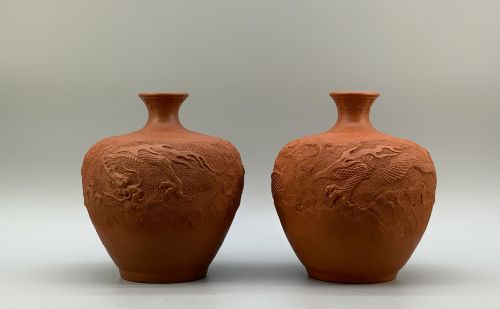
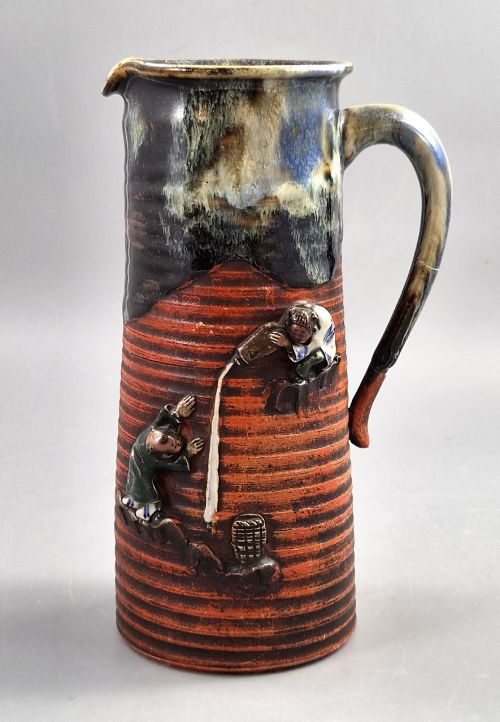
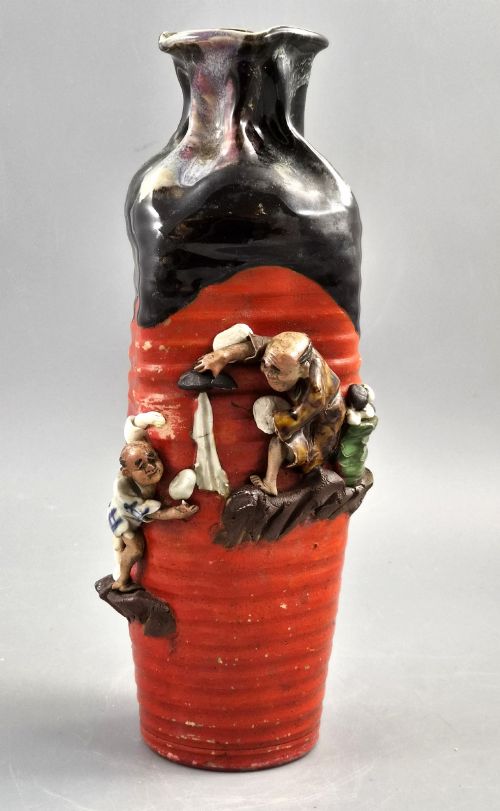
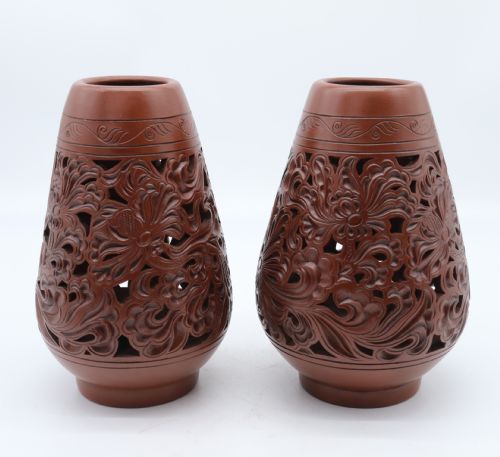
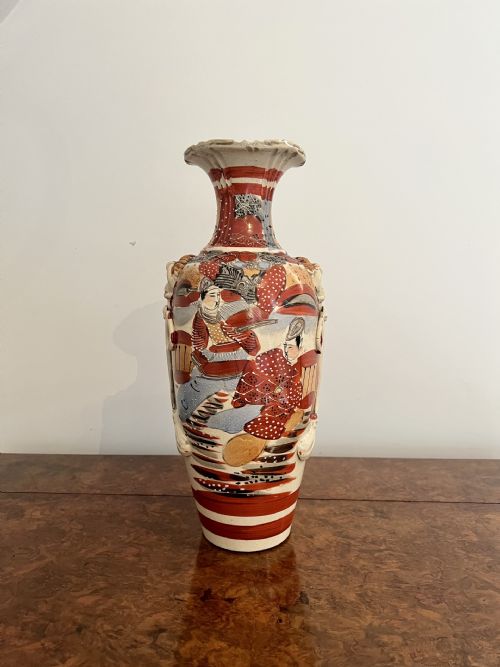
Techniques range from hand-modelled relief figures on Sumida Gawa pieces to intricate reticulated piercing in Yixing pottery and applied dragon and phoenix motifs on Tokoname ware.
Sages peer eternally from cliffs on Japanese pitchers, undisturbed by the passing of centuries.
Assessing quality and execution
Quality rests in the crispness of modelled decoration, such as the depth of figures on cliffs or dragon motifs, versus softer, less defined moulding. The application of glaze and enamel also dictates distinction.
Pointers of note include the reputation of the pottery or workshop involved, the complexity of forms like twin handles or reticulated panels, and the overall preservation of the ceramic body.
Burmantofts·Tokoname·Inoue Ryōsai·Moorcroft·Macintyre and Co.
The Red Earthenware Vase Glossary
- Earthenware
- Porous pottery fired at relatively low temperatures. It requires a glaze to hold liquids.
- Terracotta
- Unglazed or glazed fired red clay used for sculptural and decorative vessels. The term denotes both the material and its reddish-brown colour.
- Reticulated
- Openwork decoration formed by cutting or piercing patterns through the clay wall before firing. This technique creates an intricate lattice effect.
- Spill holder
- A small vessel designed to hold slender wooden spills used for lighting fires or candles. They were common domestic accessories in the nineteenth century.
Red Earthenware Vase: Frequently Asked Questions
How do I clean a red earthenware vase?
Dust gently with a dry, soft cloth to protect the surface and any delicate enamel or glaze details.
Avoid submerging older earthenware in water, particularly pieces with unglazed sections or fragile applied decorations.
What is Sumida Gawa pottery?
Sumida Gawa refers to Japanese ceramics produced in the Tokyo area around the Meiji and Taisho periods. They typically feature heavily dripped glazes and high-relief modelled figures.
Works by makers such as Inoue Ryōsai are particularly notable within this tradition.
How do I date an antique earthenware vase?
Examine the base, glaze characteristics, and any factory marks or impressed stamps. Stylistic cues such as Arts and Crafts or Meiji motifs also provide clues.
Comparing construction techniques with known period examples helps narrow down the decade of production.