
Red Coat Portrait Art
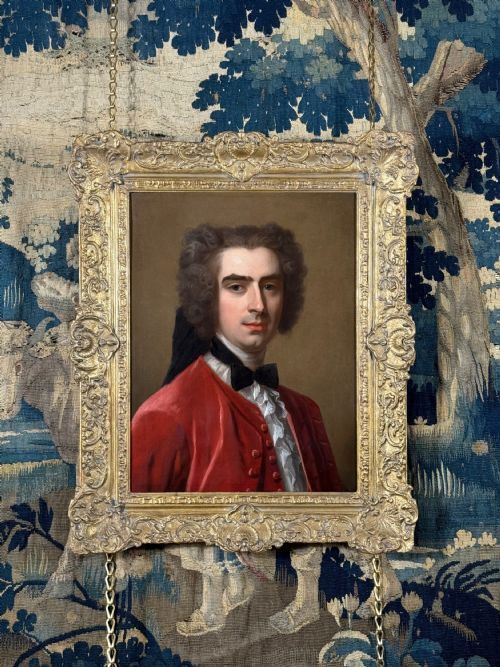
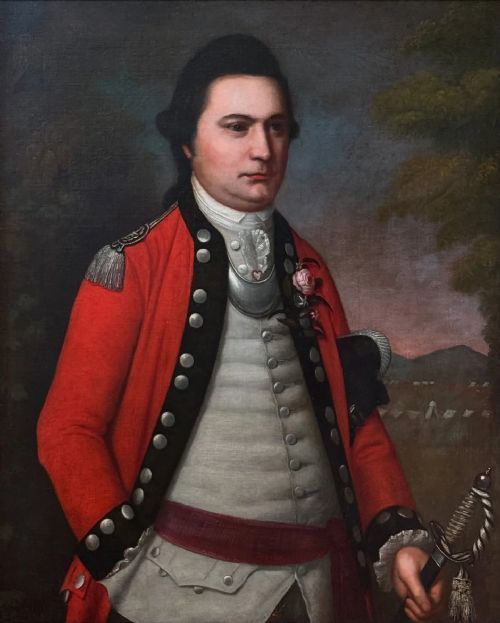
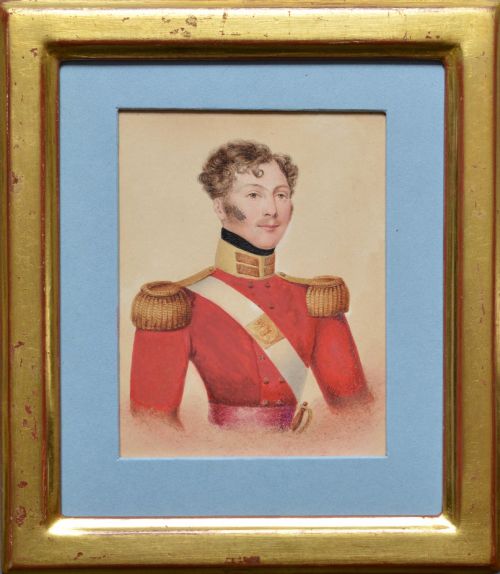
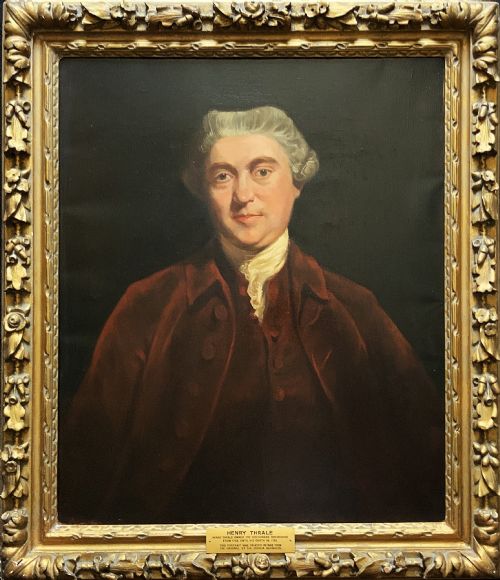
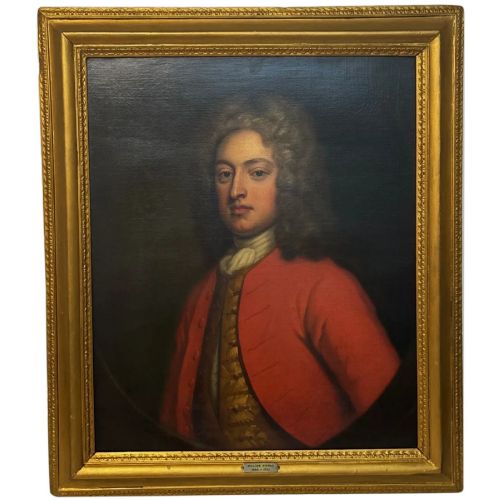
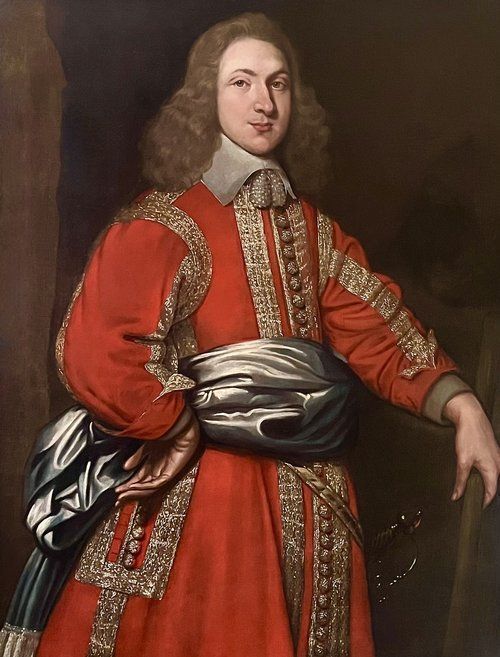
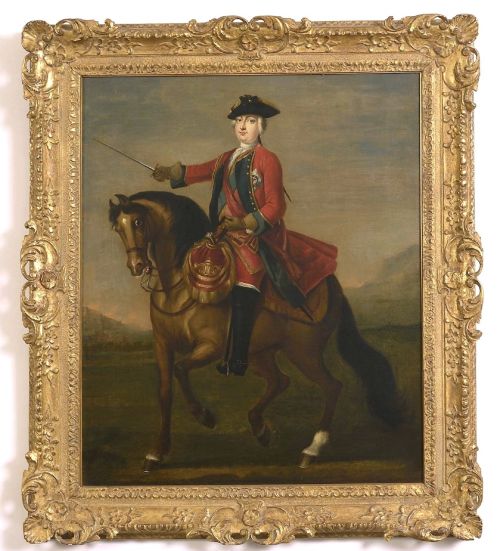
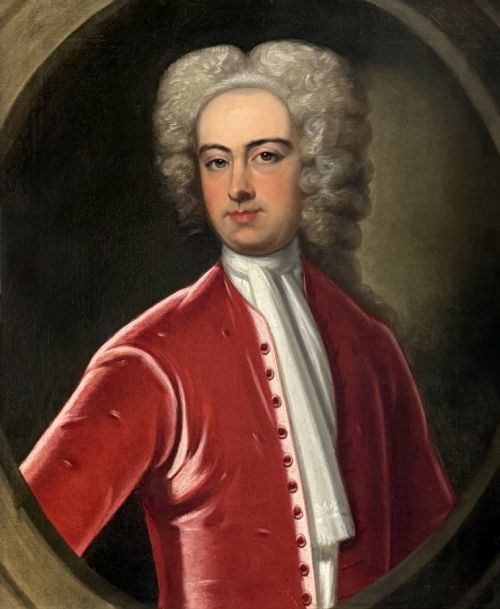
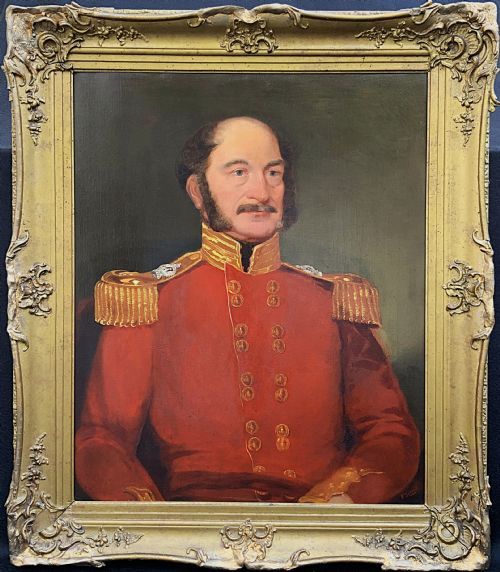
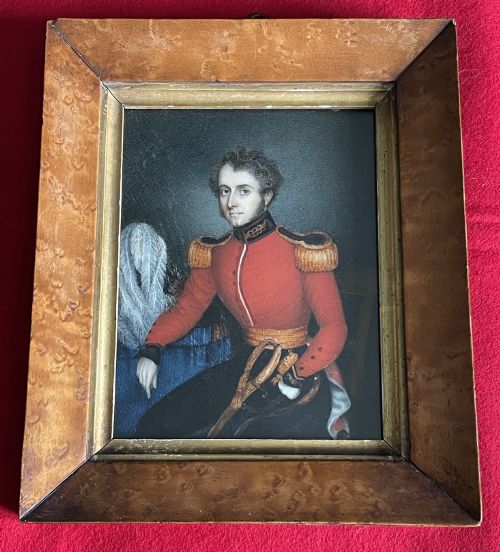
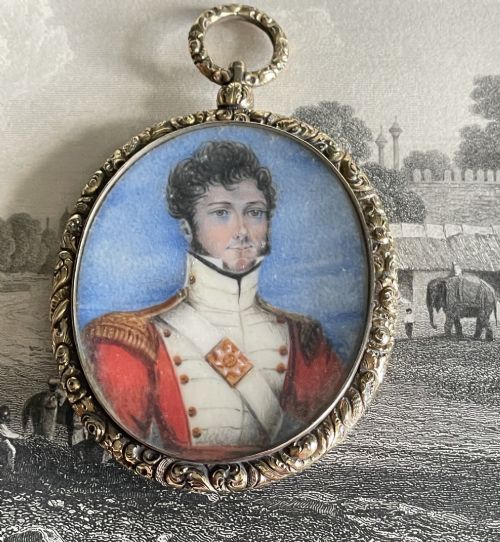
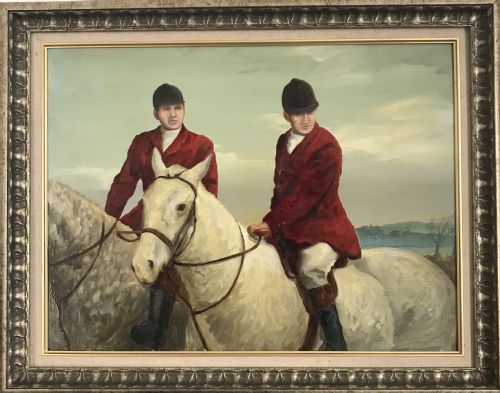
Red coat portrait art captures the striking presence of military officers, gentlemen and nobility through centuries of painting and miniature work.
Materials and Techniques
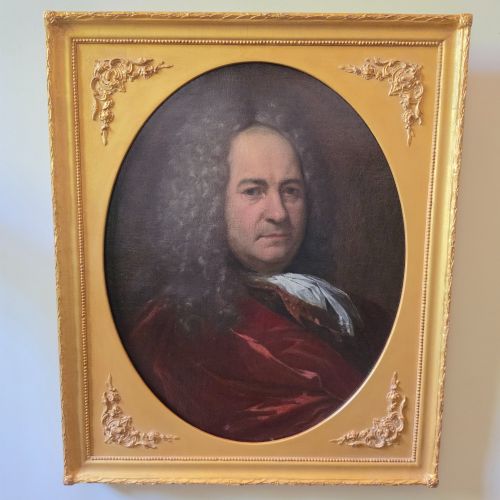
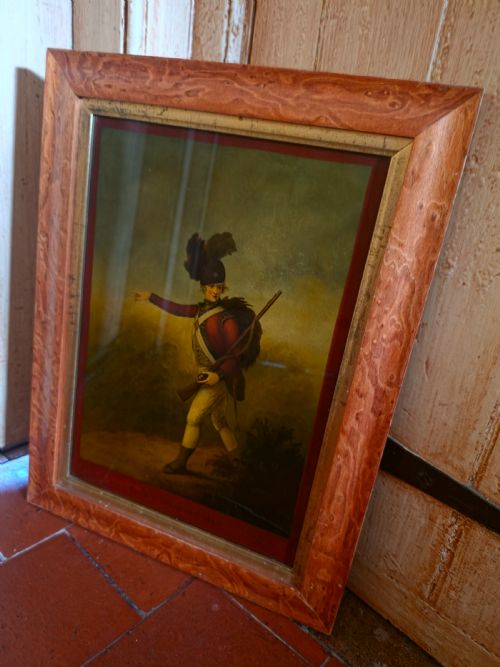
Giltwood frames frequently complement these works, providing ornate borders that enhance the visual impact of the canvas or miniature. Reverse glass painting techniques were also employed, fixing pigments directly onto glass panels to achieve a glossy finish.
Assessing Quality and Execution
The precision of facial modelling and the handling of fabric folds distinguish finer portraits from naive or provincial examples. Master painters achieved depth and lifelike skin tones, whereas simpler works rely on stiffer lines and flat colour application.
The condition of the original canvas, paper or glass surface influences the overall integrity of the piece. Well-preserved pigment layers and period-appropriate frames indicate higher preservation standards across surviving examples.
Some officers requested their painters to render their scarlet coats slightly brighter than reality to ensure maximum impressiveness on canvas.
JEAN-BAPTISTE VAN LOO·STICKLAND LOWRY·CHARLES JERVAS·FERDINAND VICTOR LEON ROYBET·JOHN HAMILTON MORTIMER·GEORGE ENGLEHEART·MICHAEL DAHL·THOMAS BEACH·HENRY WALTON
The Red Coat Portrait Art Glossary
- Portrait Miniature
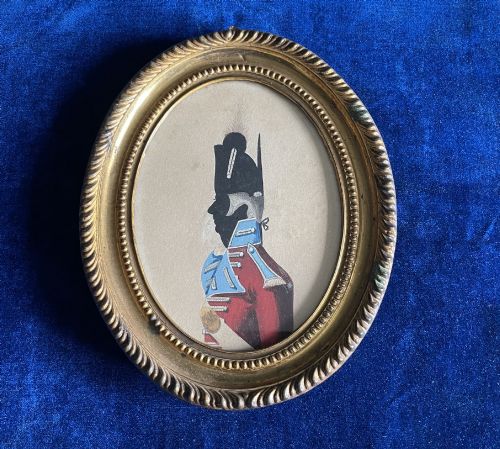
- A small, highly detailed painting, often executed in watercolour on vellum, paper or ivory. These portable items were frequently worn as lockets or kept in protective cases.
- Reverse Glass Painting
- An artistic technique where the image is painted directly onto the reverse side of a glass sheet. When viewed from the front, the colours display a distinct glossy brilliance.
- Oil on Canvas
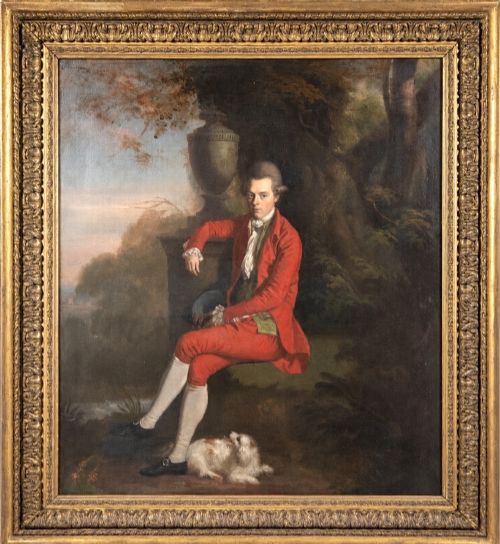
- A traditional painting medium utilising pigments suspended in a drying oil, applied to a woven fabric support. This combination allows for rich blending and textured brushwork.
- Giltwood
- Wood that has been coated with a thin layer of gold leaf or gold paint. It is commonly found on decorative frames housing historical paintings.
- Pastel
- A dry art medium consisting of powdered pigment and a binder, shaped into sticks. It creates soft, velvety textures on paper surfaces.
Red Coat Portrait Art: Frequently Asked Questions
What periods do these portraits cover?
The selections span from the 17th century through the 18th and 19th centuries, extending into later Victorian and 20th-century interpretations.
Earlier pieces often reflect Baroque or Georgian sensibilities, while later examples incorporate Victorian and early modern artistic conventions.
What do red coats signify in these artworks?
Red coats predominantly indicate military service, worn by officers, infantrymen and figures connected to British regiments or colonial administrations. The bright scarlet dye denoted official rank and allegiance.
Occasionally, civilian gentlemen donned red hunting coats or fashionable waistcoats in imitation of military or sporting attire.
How can I identify different artistic schools?
Stylistic cues such as brushwork technique, costume details and framing conventions help distinguish British schools from continental or Anglo-Indian works. Cataloguing often notes regional influences and historical periods.
Examining the treatment of uniform insignia provides further context regarding the regiment and geographic origin of the sitter.