




Gold Leaf Portrait Canvas
Gold leaf portrait canvas works bring together historic portraiture and shimmering metallic grounds, capturing centuries of character in paint and gilt.
Gold Leaf Portrait Canvas
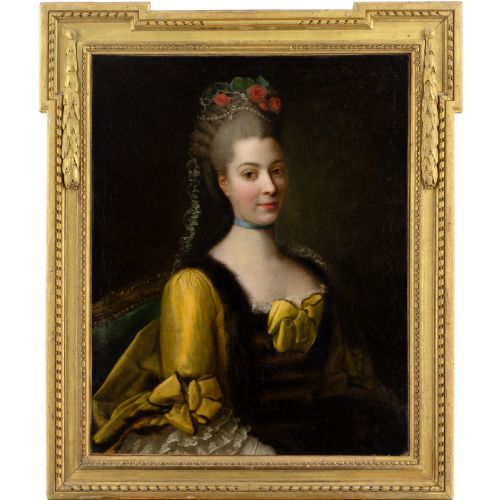
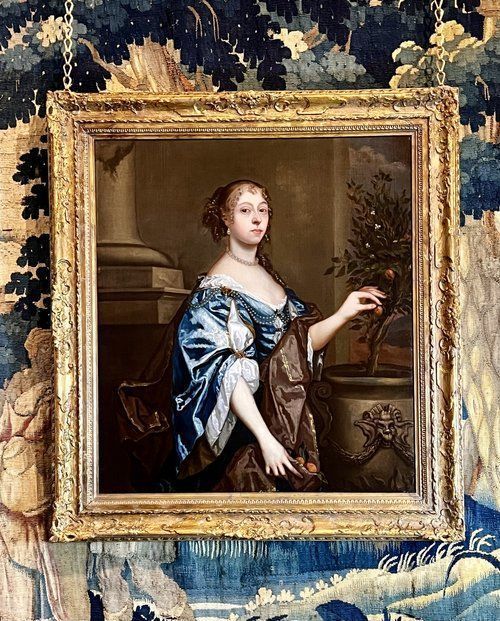
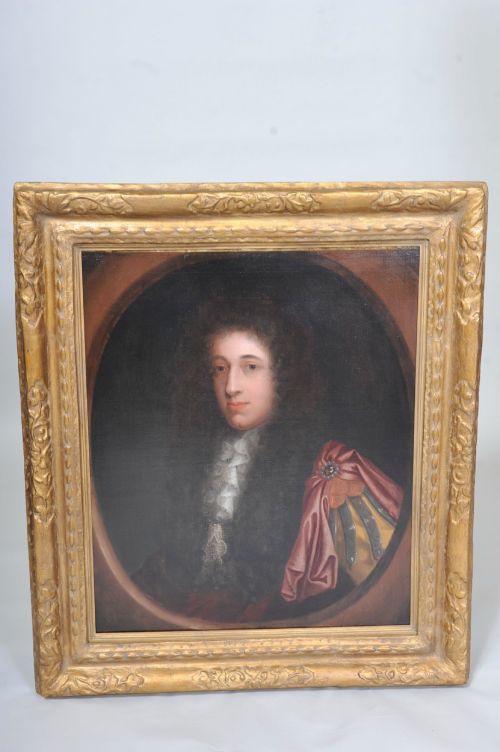
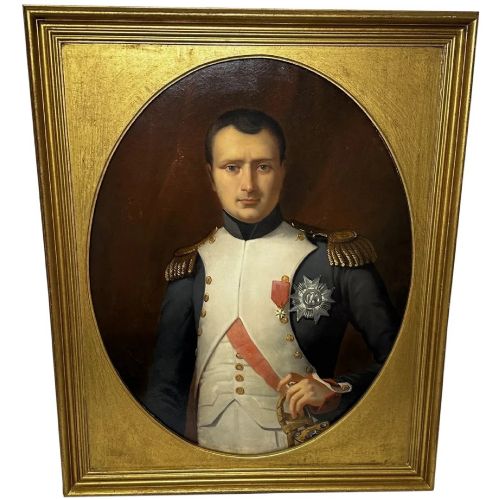
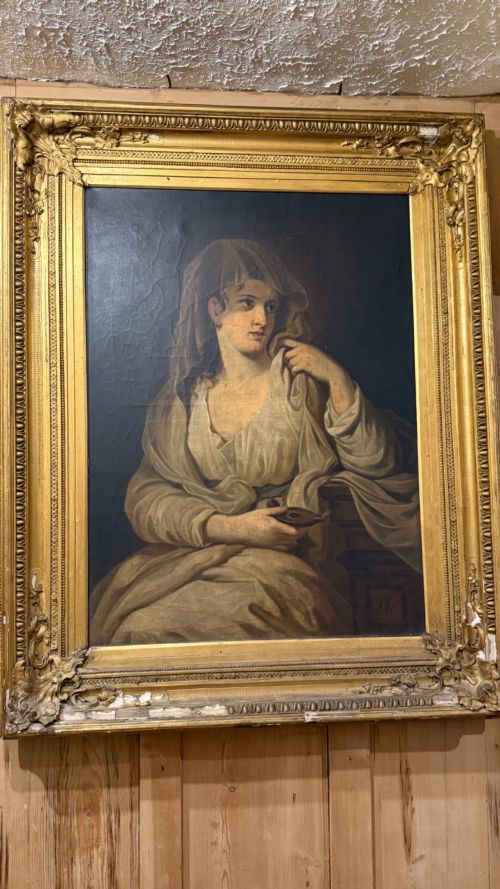
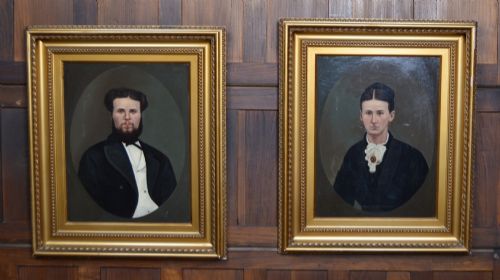
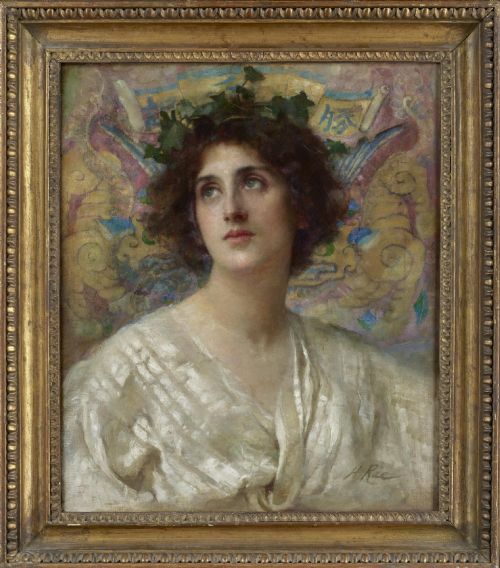
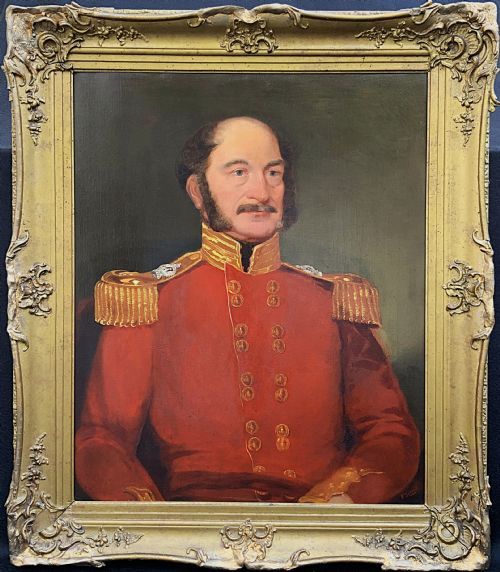
When searching for a gold leaf portrait canvas, collectors encounter works spanning from the seventeenth century through to the twentieth century. These pieces showcase diverse regional schools, including British, French, Italian, and Spanish traditions, capturing figures ranging from nobility to military officers.
Examples stretch across multiple eras, including Georgian, Victorian, and Baroque styles. Buyers frequently find both signed artist pieces and attributed works from historic European schools.
Materials and construction
Artists painted primarily using oil on canvas, applying pigments that built up rich tones and deep shadows over time. This technique allowed for subtle gradations in skin and fabric textures.
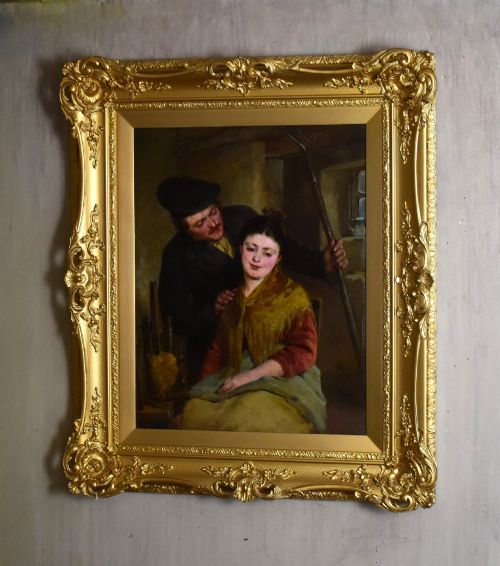
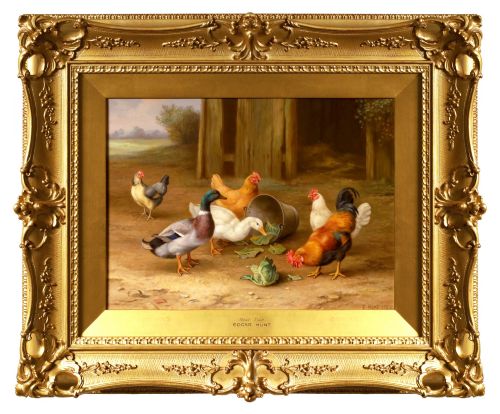
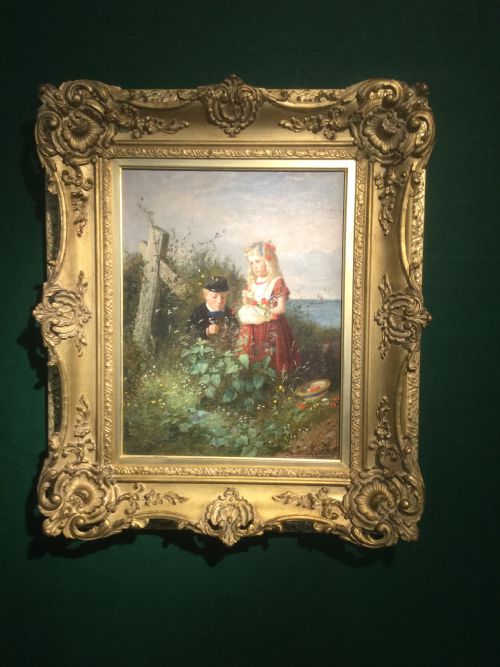
Frames and highlights frequently utilised gold leaf, giltwood, and gesso applied over a wooden base. Carved wooden frames received metallic layers to create a brilliant reflective border around the canvas.
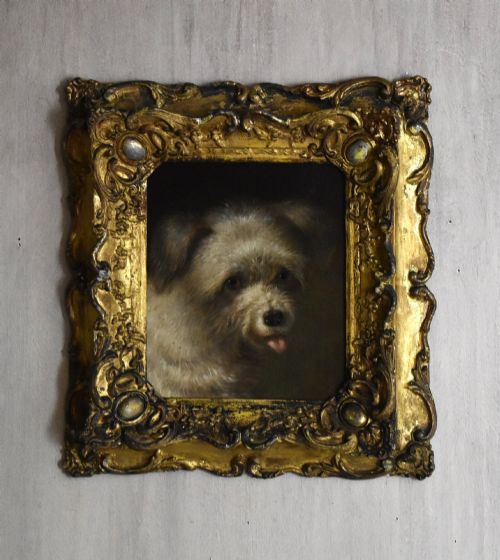
A nineteenth-century terrier named Nettles preserves canine dignity forever within an original heavy rococo swept gilt gold leaf frame.
Markers of execution
The integrity and preservation of both the canvas and the accompanying gilt frame dictate distinction. Original frames with intact gesso ornamentation and unlined canvases generally represent higher craftsmanship.
Jean-Baptiste Van Loo·Pieter Borsseler·Lemuel Francis Abbott·John Greenhill·Thomas Sidney Cooper·Agnes Dundas
The Gold Leaf Portrait Canvas Glossary
- Giltwood
- Wood that has been coated with gold leaf or a gold-coloured metallic finish. This material is commonly found on ornate antique frames surrounding historical paintings.
- Gesso
- A plaster-like mixture used as a base for paint or as a smooth surface for gilding. Artisans carved and moulded this material on picture frames to create relief decoration.
- Oil on Canvas
- A painting medium using pigments bound with drying oils applied to a stretched woven fabric. This combination provides durability and a flexible surface for blending colours.
- Baroque
- An artistic style prevalent from the seventeenth into the eighteenth century characterised by drama, deep shadow, and rich ornamentation. Portraits from this movement emphasise theatrical lighting and movement.
- School
- A group of artists associated with a particular time, place, or master. Attributions to a specific school indicate the stylistic influence under which the painter worked.
Gold Leaf Portrait Canvas: Frequently Asked Questions
How do I date a portrait canvas?
Dating relies on stylistic clues such as the sitter's costume, wig style, and the method of canvas preparation. Inscribed dates, signatures, and back-stamps also offer reliable chronological markers.
Frame construction and the type of gesso or giltwood utilised further help narrow down the period of manufacture when documentation is absent.
Are these paintings original works?
The inventory consists predominantly of original period oil paintings created by historical artists or regional European schools. Each piece reflects the hand of the painter working directly onto the canvas.
Some listings include later interpretations or works produced in the manner of earlier masters, which are specified in their attribution.
How should I care for a gilt frame?
Giltwood frames require gentle maintenance using a soft, dry brush to remove dust from the intricate carved gesso details. Avoid moisture and chemical cleaning agents, which can strip the delicate gold leaf.
Keep the artwork away from direct sunlight and sudden humidity changes to protect both the wooden stretcher and the canvas surface.
What subjects appear in these portraits?
Subjects range from prominent military officers and nobility to children and anonymous gentlemen or ladies. Artists also recorded genre scenes and historical figures alongside traditional likenesses.
Animals occasionally accompany the sitters, reflecting the personal tastes and social standing of the individuals portrayed.