




Red Chinese Side Table
A red chinese side table brings vivid colour and striking presence into a room, combining traditional craft with rich surface decoration.
Red Chinese Side Table
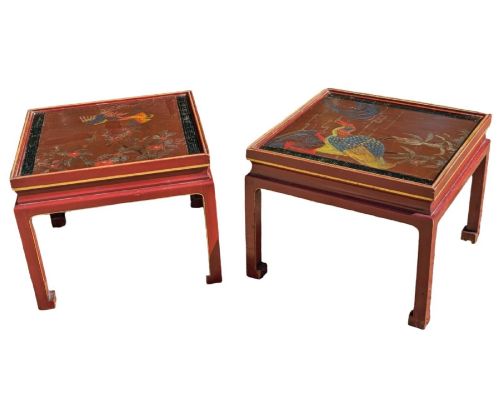
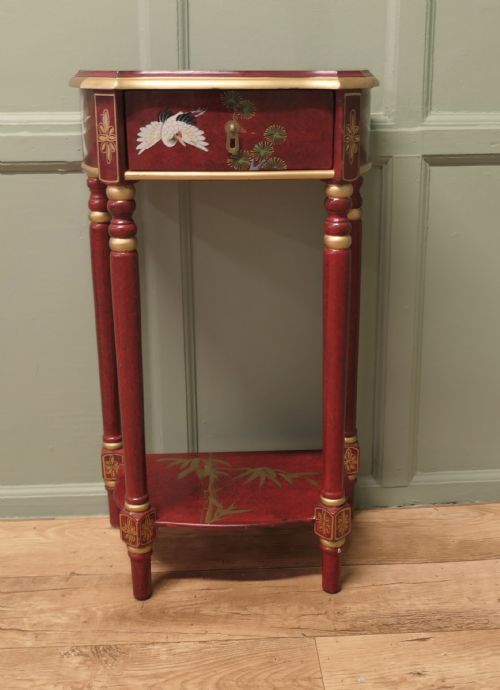
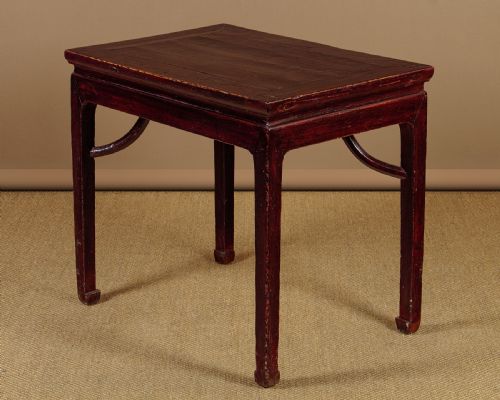
A red chinese side table appears in several distinct forms across this selection, ranging from low occasional tables and demi lune consoles to nests of tables and altar tables. These pieces span centuries of production, drawing on provincial traditions, export designs, and specific stylistic revivals.
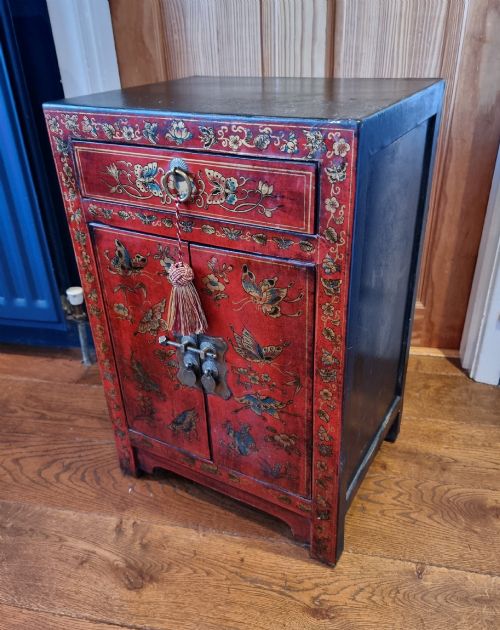
The most frequent examples encountered on this page date from the nineteenth century and the early twentieth century, utilising traditional forms adapted for both domestic utility and decorative display. Buyers will find variations in scale, from compact bedside lamp cabinets to larger writing desks and altar tables.
Regional variations and stylistic influences shape the appearance of each red chinese side table, incorporating elements of Qing Dynasty aesthetics alongside later Chinoiserie and Chippendale style interpretations. Each surviving piece demonstrates how makers adapted traditional carpentry to suit changing international and domestic tastes.
Assessing quality and craftsmanship
The fineness of the carved wood elements and the depth of the lacquer finish distinguish exceptional examples from simpler provincial work. Superior pieces display meticulous attention to joinery and sustained preservation of the original red surfaces over time.
Proportion and decorative restraint dictate the visual success of each design, whether executed in a straightforward regional style or through elaborate Chinoiserie decoration. The integration of contrasting materials, such as rouge marble inserts within hardwood frames, further elevates the execution of the piece.
Listings feature items from the eighteenth century through to the early twentieth century, incorporating elm, rosewood, brass, and lacquer.
The Red Chinese Side Table Glossary
- Altar table
- A long, narrow table traditionally used for ceremonial purposes in Chinese households, characterised by upturned flange ends or restrained linear framing. These forms now function effectively as console or display tables in modern interiors.
- Cinnabar lacquer
- A building up of numerous layers of red lacquer on a wooden or metallic base, which carvers then cut into with detailed relief patterns. This technique requires considerable patience and skill to achieve the characteristic depth and weight.
- Demi lune
- A half-moon shaped furniture form designed to stand flush against a wall as a console or side table. They often appear as matched pairs within these listings.
- Chinoiserie
- European decorative style inspired by Chinese artistic traditions, prevalent during various historic periods and resulting in pieces that blend oriental motifs with western furniture forms.
- Jardiniere stand
- A tall, raised support specifically built to hold heavy plant pots or vases, often featuring an inset marble top to resist moisture.
Red Chinese Side Table: Frequently Asked Questions
Where should I place a red chinese side table?
These tables suit hallways, living rooms, and bedrooms where their strong colour can act as a focal point. Compact forms work well beside seating, while altar tables function effectively against blank walls.
Consider the surrounding lighting and existing colour schemes to let the red lacquer stand out without competing with other bold furnishings.
How do I care for antique lacquer?
Keep lacquered furniture away from direct sunlight and extreme temperature fluctuations to prevent the surface from drying out or cracking. Dust gently with a soft, dry cloth without applying modern chemical polishes.
Avoid placing damp items directly onto the wooden or lacquered surface, utilising coasters or protective mats where necessary.
What is the difference between elm and rosewood pieces?
Elm typically offers a lighter, more visible grain pattern often found in provincial or regional domestic furniture. It provides a robust yet relatively straightforward structure for daily use.
Rosewood is a denser, heavier timber capable of holding sharper carved details, frequently paired with marble inserts for high-status display stands and desks.
Are these tables sturdy enough for daily use?
Most surviving examples are constructed using traditional joinery designed for structural longevity and practical household service. However, their age requires sensible handling rather than heavy loading.
Lacquered surfaces benefit from mindful placement away from high-traffic areas where accidental knocks might chip the delicate finish.