





Red Ceramic Jar
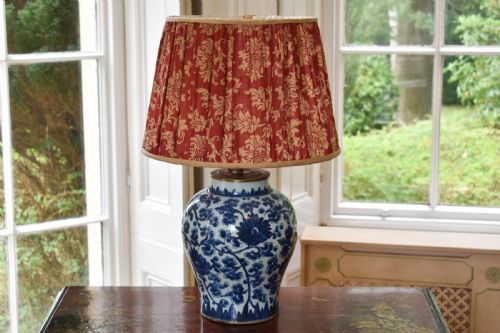
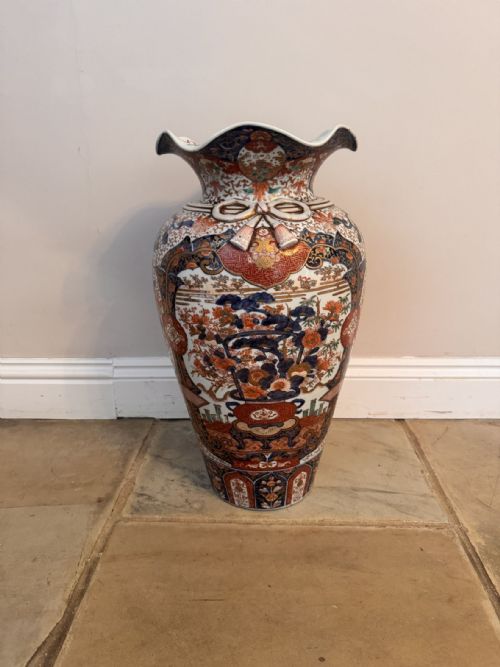
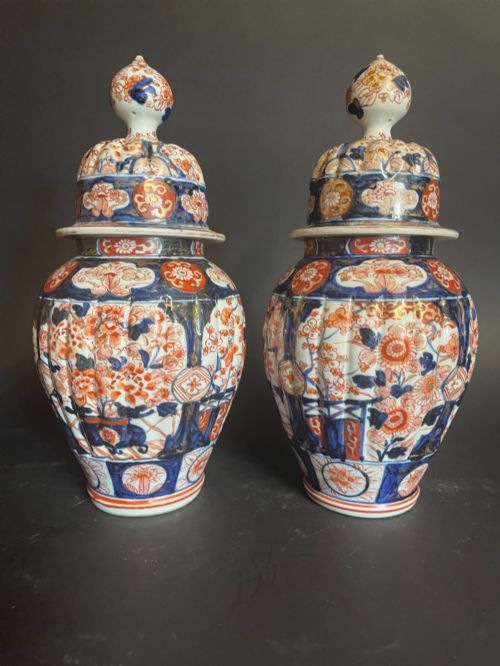
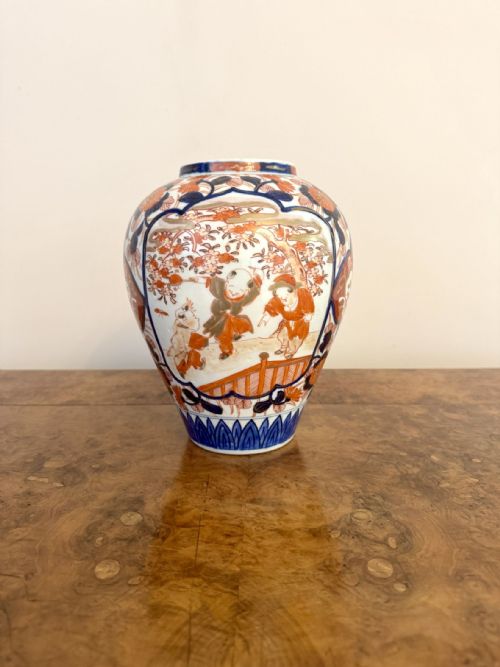
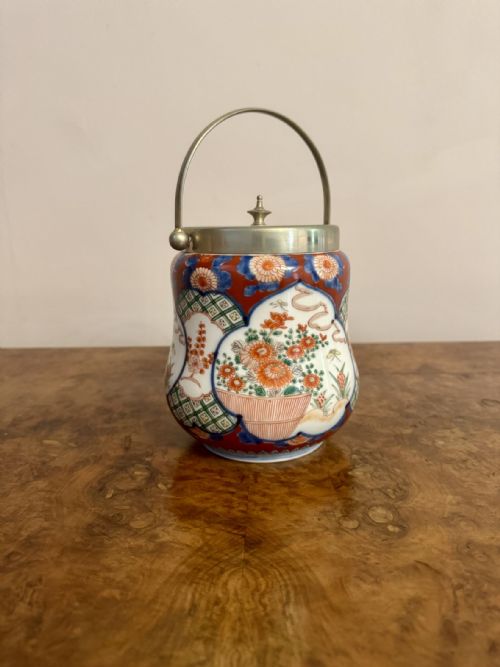
These red ceramic jar selections encompass intricate nineteenth-century Imari lidded vessels and hand-painted earthen containers, offering buyers striking decorative presence and historical depth.
Red Ceramic Jar
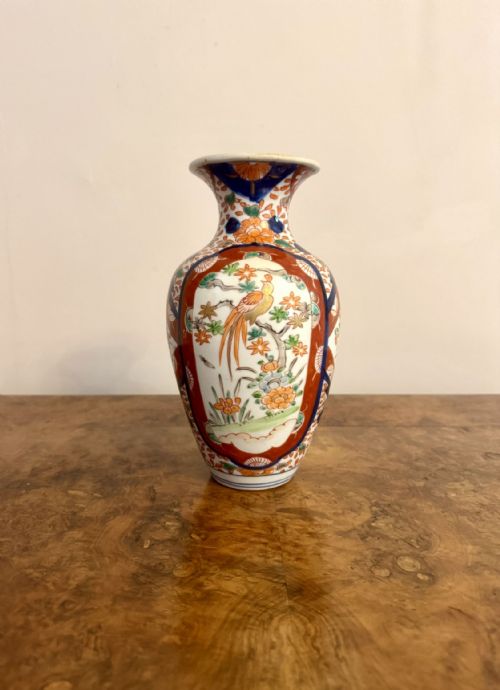
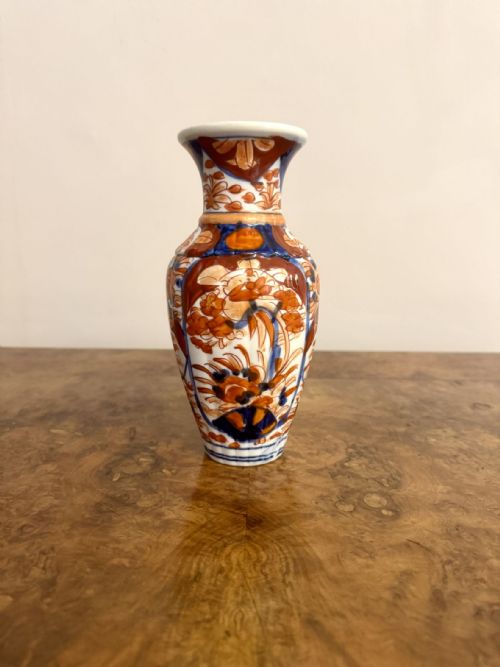
A red ceramic jar in this collection typically manifests as a nineteenth-century Japanese Imari lidded vessel, a Chinese porcelain piece featuring iron-red decoration, or a European interpretation of Asian ceramic traditions. Buyers encounter covered ginger jars, biscuit barrels, and decorative vases originating from the Edo, Meiji, and Qing periods, alongside later Edwardian examples.
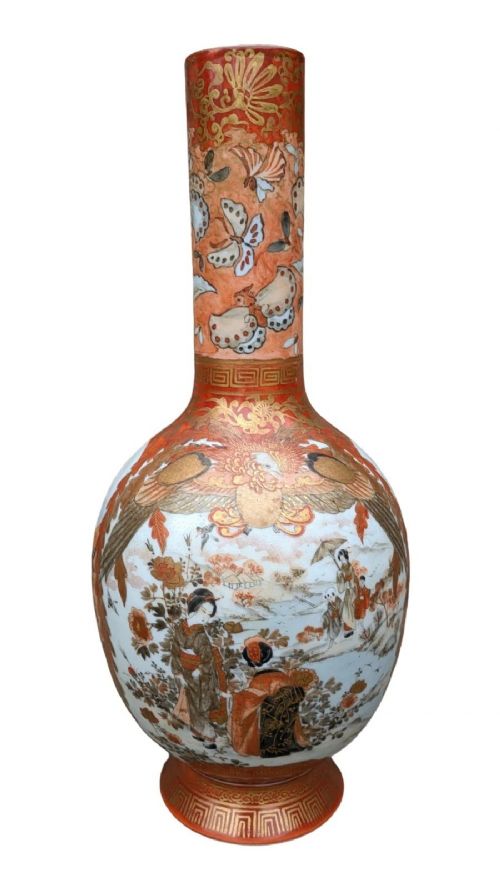
The objects frequently display characteristic iron-red pigments combined with cobalt blue, gilding, and enamel work on porcelain or earthenware bodies. Lidded jars and covered urns dominate the selection, functioning historically as storage containers or decorative focal points within domestic interiors.
How they were made
Potters shaped porcelain and earthenware bodies by hand or on the wheel before applying underglaze blue and iron-red enamel pigments. Artisans then integrated gold leaf and gilding to highlight intricate floral and figural motifs.
Kiln firing fixed the mineral glazes and enamel colours to the ceramic surface, often requiring multiple firings when combining underglaze cobalt with overglaze red and gold leaf details.
Red Ceramic Jar Retail Price Guide 2026
Typical asking prices for red ceramic jar among the pieces listed under this phrase on Sellingantiques today, from the lower quarter to the upper quarter. They describe what is for sale here now, not the wider market.
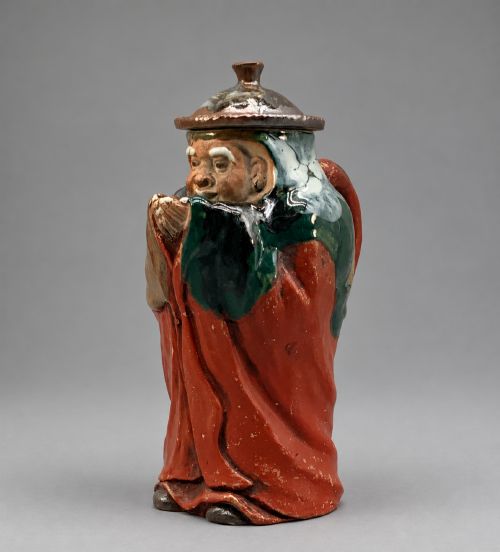
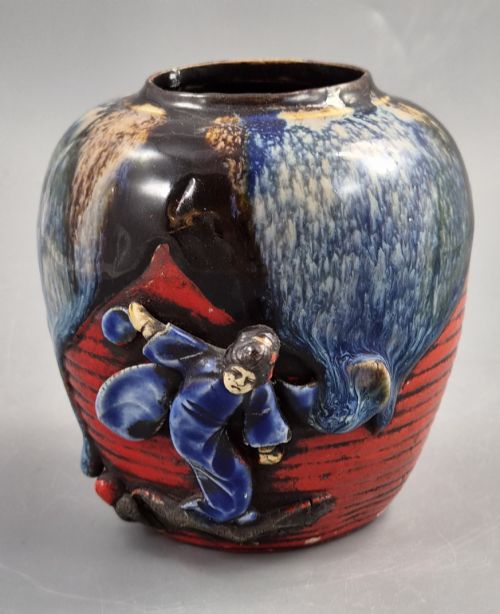
Certain lidded jars feature climbing figures moulded directly onto the exterior wall, adding an unexpected three-dimensional narrative to the ceramic surface.
What varies in quality
Quality separates through the precision of the hand-painted brushwork, the vibrancy and stability of the iron-red enamel, and the crispness of the porcelain body moulding. Superior examples demonstrate balanced composition, intact gilding, and finely fitted covers that align seamlessly with the jar rim.
Makers and workshops of notable standing achieved greater depth in their colour palettes and cleaner lines in complex motifs such as dragons, florals, and figural scenes, distinguishing standard production ware from exceptional artistic output.
Kinrin Workshop·Masons Ironstone·Samson
The Red Ceramic Jar Glossary
- Imari palette
- A decorative style characterised by the use of underglaze blue, iron-red, and gold on a white porcelain ground. This aesthetic originated in Japan and heavily influenced European ceramic production.
- Iron-red
- An overglaze enamel pigment derived from iron oxide that yields a distinctive rust-red or coral hue on porcelain and earthenware. Artisans applied this colour for fine linear details and broad washes.
- Enamel
- A glass-like substance fused to the ceramic surface through firing, providing opaque or translucent colour highlights. It sits above the primary glaze layer.
- Gilding
- The application of gold leaf or powdered gold paint to ceramic surfaces for decorative emphasis. It accentuates rims, handles, and specific motifs within the design.
- Ginger jar
- A ceramic vessel featuring a wide body and a domed cover, originally designed for storing spices and herbs. Later iterations served primarily decorative purposes in domestic settings.
Red Ceramic Jar: Frequently Asked Questions
How were lidded jars used historically?
These vessels served practical functions for storing dry goods, spices, and tea leaves within domestic and mercantile settings. Their tight-fitting covers helped protect contents from moisture and air.
Over time, many of these containers transitioned into purely decorative objects, displayed on mantelpieces, sideboards, and within dedicated garniture sets across European and Asian interiors.
How do I identify a Meiji period piece?
Meiji period ceramics, dating between eighteen sixty-eight and nineteen twelve, frequently exhibit dense, highly detailed hand-painted decoration such as the Imari palette or Sumida Gawa styles. Artisans during this era balanced traditional motifs with increasing technical precision.
Examination of the base often reveals characteristic potting traits, glaze pooling, and sometimes workshop or maker marks associated with this specific era of Japanese manufacturing.
How should I display a jar with a cover?
Display these jars on stable surfaces away from high-traffic edges, ensuring the matching cover rests securely in its intended orientation. Avoid placing them in direct, strong sunlight to preserve the stability of overglaze enamels and gilding.
Pairs or garnitures look balanced when symmetrical placement is utilised on sideboards or tables, while single statement jars function effectively as standalone focal points.