




Red Brown Drawers
Red brown drawers bring warmth and history to an interior through rich timber tones and practical compartmentalised storage.
Red Brown Drawers
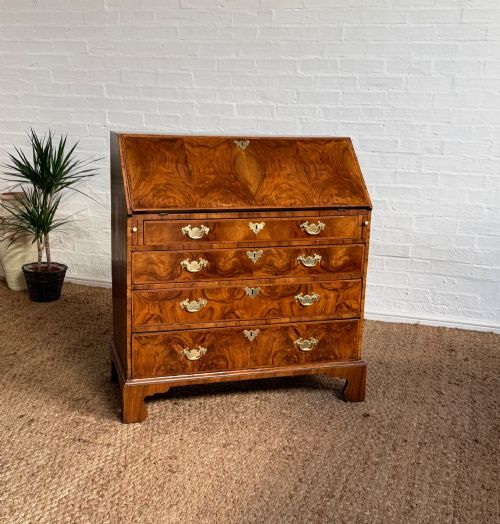
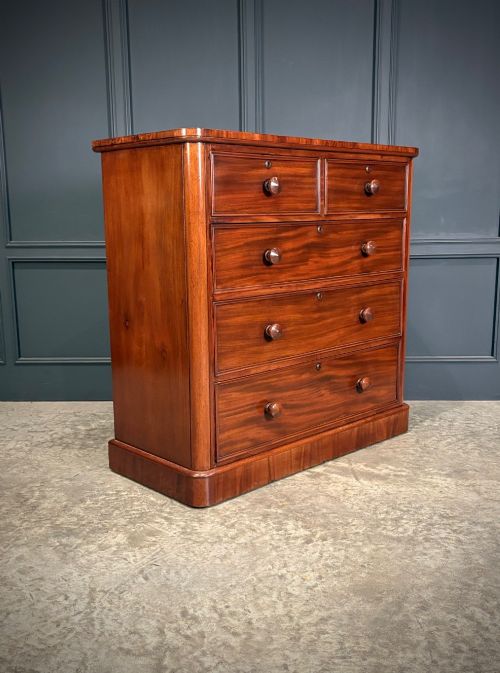
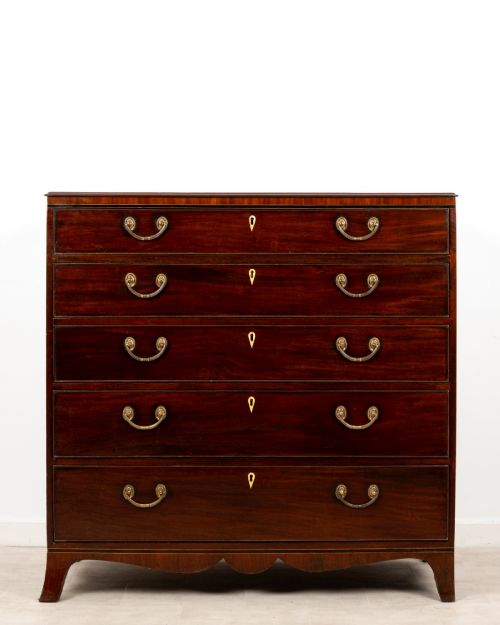
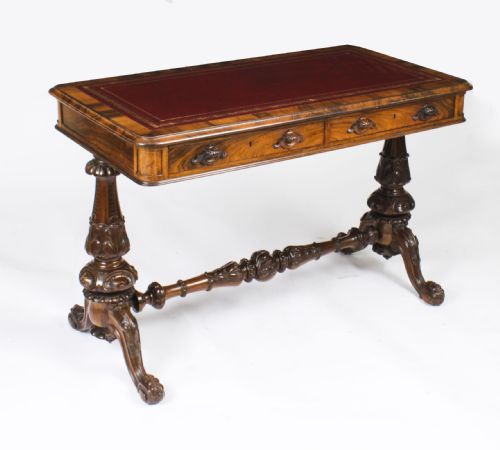
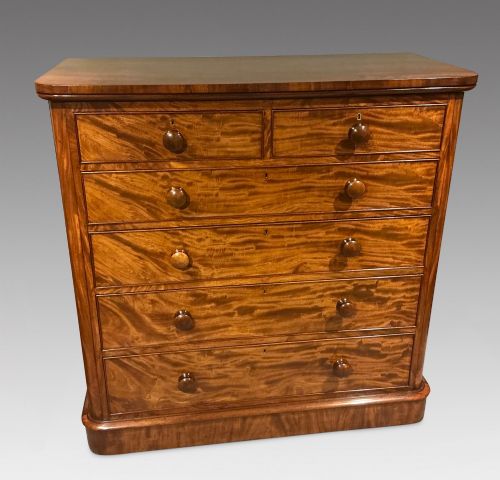
Red brown drawers encompass a variety of case furniture and tables, primarily chests of drawers, writing desks, and side tables originating from the Georgian, Victorian, and Edwardian periods. Buyers searching for red brown drawers will frequently encounter mahogany and walnut pieces, ranging from simple side tables to tall chests and pedestal desks.
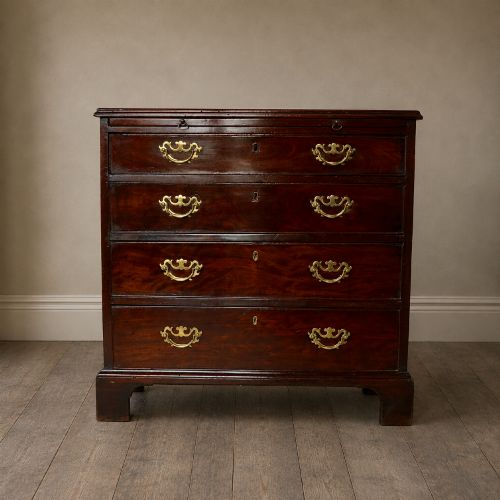
The selection includes specific forms such as bachelor's chests, davenports, apothecary chests, and bureau desks, often constructed from timbers selected for deep reddish-brown colouration. Pieces span centuries of craftsmanship, including examples with satinwood inlay, leather writing surfaces, and brass hardware.
Originating largely from British workshops alongside continental and provincial examples, these items serve traditional domestic functions. A buyer exploring this category is likely looking for functional antique storage with distinct timber grain and period character.
Materials and construction
Makers utilised solid timbers and veneers, predominantly mahogany, walnut, and flame mahogany veneer, supported by secondary woods like pine. Surfaces were often fitted with brass pulls, iron fittings, and inset leather writing panels.
Construction techniques combined dovetailed drawer construction with turned or bracket feet, occasional hand-carving, and delicate inlay work using satinwood or exotic veneers. Cabinetmakers relied on traditional joinery to build sturdy carcases capable of housing multiple drawers.
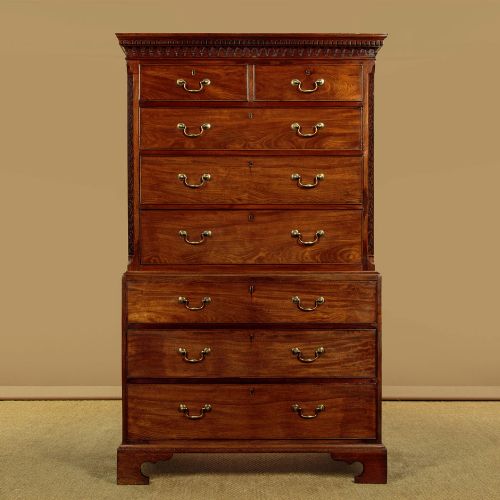
The inventory ranges from compact side tables and miniature commodes to tall chests on chests, pedestal desks, and Chinese apothecary cabinets.
Factors of quality
Quality rests on the depth and figure of the timber, such as the grain pattern in flame mahogany or figured walnut veneers, alongside the crispness of any carved detailing or inlay. Superior pieces exhibit balanced proportions, well-chosen matching veneers across drawer fronts, and original brass hardware.
Internal construction also separates standard items from the finest examples, evident in hand-cut dovetails on drawer linings and the smooth operation of sliding elements like desks and slides. The presence of documented makers or distinct regional characteristics further elevates the standing of a piece.
Edwards and Roberts
The Red Brown Drawers Glossary
- Chest on chest
- A tall storage unit formed of one chest stacked directly upon a larger one, also known as a tallboy. This form maximises vertical storage capacity.
- Flame mahogany veneer
- A wood veneer cut from timber where the branch meets the trunk, creating a flamy, flickering pattern. It is prized for its dramatic visual movement.
- Davenport
- A compact pedestal desk featuring a sloping writing surface and side drawers. It became popular during the Victorian era for boudoir use.
- Pedestal desk
- A heavy free-standing desk supported by two banks of drawers. These units provide substantial workspace and storage.
- Highboy
- A tall chest of drawers raised on legs, common in the eighteenth century. They offer elevated storage with slender proportions.
Red Brown Drawers: Frequently Asked Questions
What periods do these pieces come from?
The pieces span several centuries, with items originating from the eighteenth, nineteenth, and early twentieth centuries. Common eras represented include the Georgian, Victorian, and Edwardian periods.
Craftsmanship and timber choices evolved across these eras, moving from solid George III walnut and mahogany constructions towards decorative Victorian and Edwardian veneered surfaces.
What wood types are most common?
Mahogany is the dominant timber, appearing in solid forms, flame veneer, and standard finishes. Walnut, pine, cherry wood, and satinwood also feature frequently across the inventory.
Secondary materials such as brass for handles and leather for writing inserts frequently complement the primary timbers.
How were these tables and chests used originally?
Chests and commodes provided domestic storage for garments and household goods, while desks, bureaus, and writing tables served administrative and correspondence duties. Side tables and console tables offered surface space in hallways and reception rooms.
Specialist items like apothecary chests and bachelor's chests fulfilled more niche functional requirements for medicines or personal grooming.
How do I care for antique timber furniture?
Maintain stable indoor humidity levels and keep wooden items away from direct heat sources to prevent timber shrinkage and veneer lifting. Regular dusting with a soft cloth preserves the polish.
Avoid harsh chemical cleaners, using traditional wax polishes sparingly to nourish the grain and protect the historical finish.