

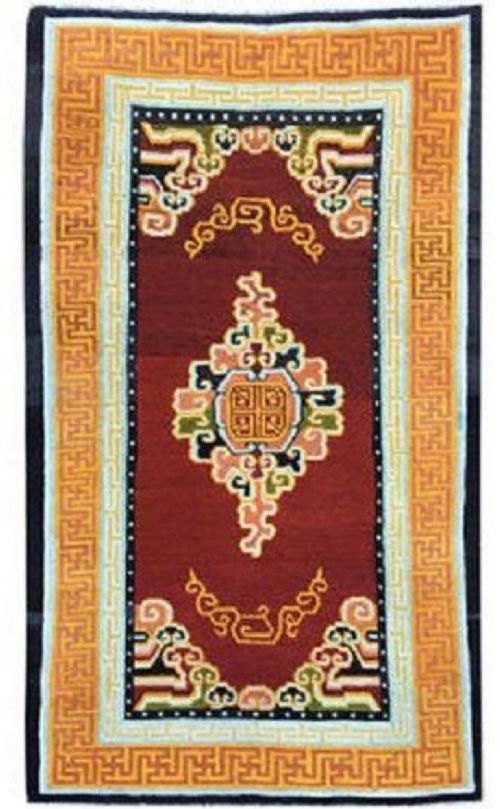
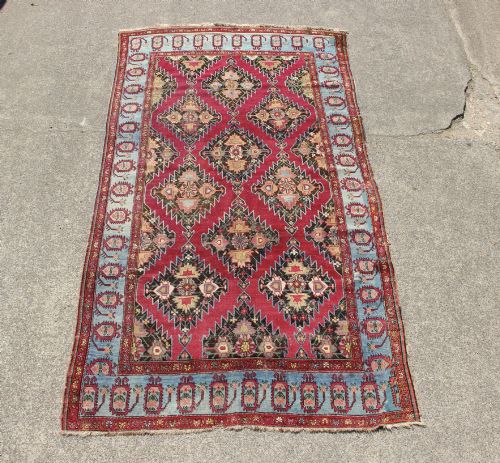
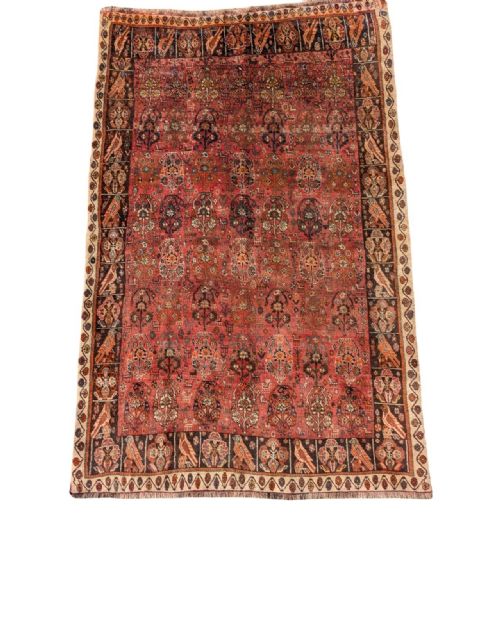


Red Border Wool Runner
A red border wool runner brings distinct framing and warmth to a hallway, drawing the eye along tribal and traditional formats.
Red Border Wool Runner
A red border wool runner encompasses elongated woven floor coverings defined by characteristic crimson or madder framing edges. These pieces span production periods from the mid-nineteenth century through the early twentieth century.
Makers utilised hand-spun wool, standard wool, angora wool, and occasionally cotton foundations or metallic thread highlights. Each specimen reflects the specific aesthetic vocabulary of its originating workshop or nomadic group.
Materials and construction methods
Weavers relied principally on wool as the primary pile material, frequently hand-spun to achieve varied textures and variable light absorption across the surface. Certain pieces incorporate angora wool or structural cotton foundations for added durability.
Specialised workshops and tribal groups occasionally integrated metallic thread into tapestry panels and rugs to introduce reflective elements against the wool pile. Natural dyeing methods yielded the deep reds seen in the characteristic borders.
Red Border Wool Runner Retail Price Guide 2026
Typical asking prices for red border wool runner among the pieces listed under this phrase on Sellingantiques today, from the lower quarter to the upper quarter. They describe what is for sale here now, not the wider market.
Several rugs feature deliberate geometric irregularities where nomadic weavers altered the pattern mid-flow.
Distinctions in execution and design
Quality rests in the precision of the knotting and the clarity of the design motifs within the field and border. Finer examples display intricate drawing in patterns such as the harshang or mina khani designs.
The integrity of the wool and the survival of the original borders dictate the overall standard of preservation. Tighter weave densities and well-balanced proportions separate standard room coverings from finer collected pieces.
The Red Border Wool Runner Glossary
- Runner
- An elongated narrow carpet format designed primarily for hallways and corridors. These pieces measure significantly longer than they are wide.
- Kelleh
- A large long rug format traditionally proportioned for specific room dimensions in Persian domestic architecture. It sits between a standard rug and a full carpet in scale.
- Mina Khani
- An all-over repeating textile pattern composed of daisy-like rosettes linked by curved vines. This motif frequently populates the field of Khorasan and Baluch weavings.
- Tapestry Panel
- A flat-woven textile piece created without a knotted pile, often utilising wool and metallic thread. These items served decorative wall-hanging functions rather than floor use.
Red Border Wool Runner: Frequently Asked Questions
Where should I place a long runner?
Runners suit narrow spaces such as corridors, hallways, and stair Landings where an elongated format provides functional floor coverage. Their dimensions direct movement through a room while framing the passage.
Ensure the chosen location allows doors to clear the pile height comfortably. Placing an appropriate underlay beneath prevents slipping on hard wood or stone floors.
How do I care for antique wool?
Vacuum wool rugs gently with suction only, avoiding rotating brush attachments that can pull at the pile. Professional cleaning removes embedded grit safely without damaging the fibres.
Keep pieces out of direct sunlight to protect the natural dyes used in the red borders. Rotate the runner periodically to ensure even wear across the length.
What defines tribal rug designs?
Tribal designs originate from nomadic and village weavers who relied on memory and traditional motifs rather than written cartoons. These patterns typically feature geometric stylisation, bold medallions, and striking border arrangements.
Kurdish, Baluch, and Caucasian pieces exemplify this approach through symbolic forms and rich colour palettes. The resulting aesthetic feels more direct and expressive than urban workshop production.
How do I date an older runner?
Dating relies on stylistic markers, structural analysis, and the character of the natural dyes. Nineteenth-century examples often display greater variance in hand-spun wool and more saturated madder reds.
Compare the border designs and weave structure against documented regional types from periods like the 1880s or 1900s. Expert appraisal helps confirm the likely decade of production.