


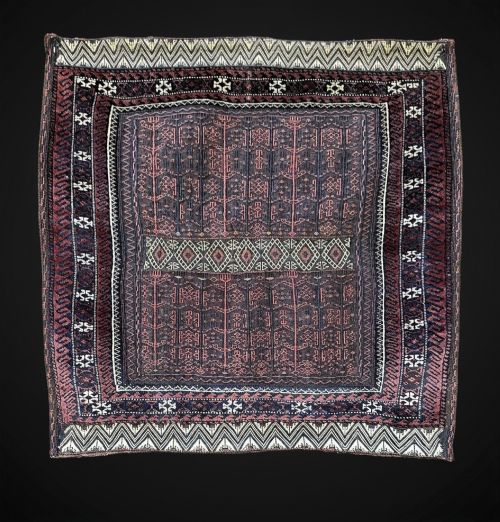
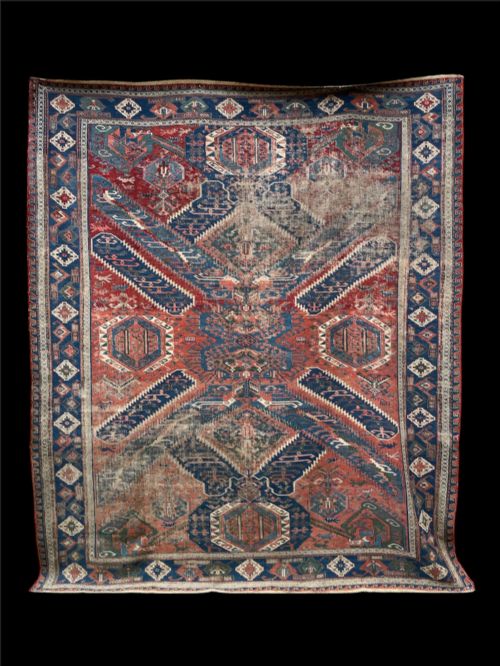
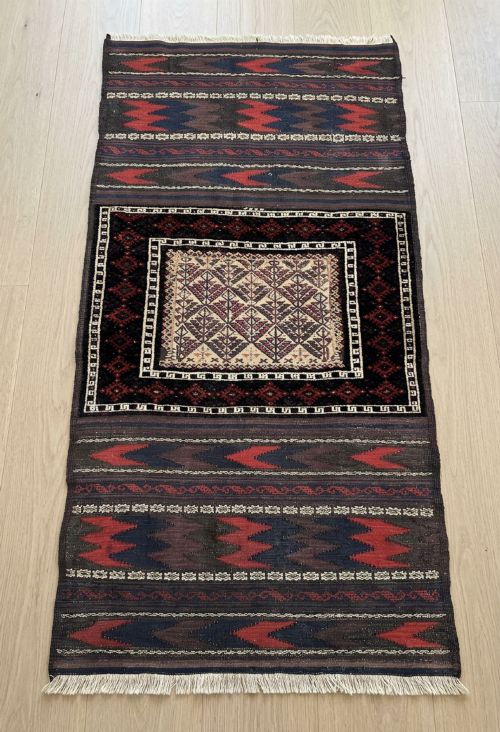


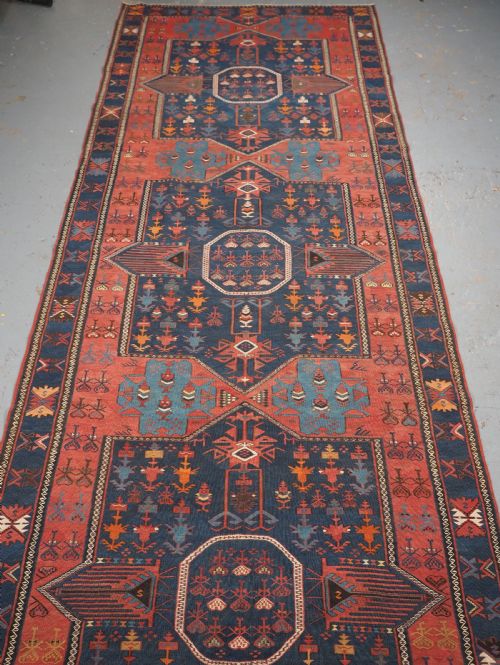
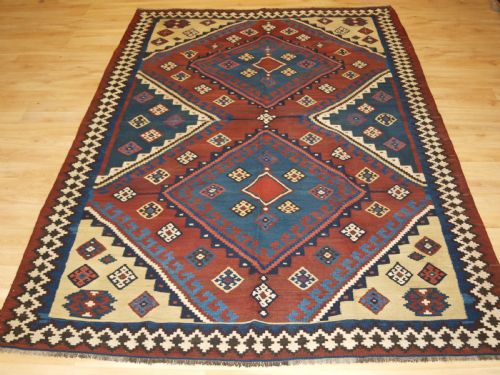
Red Blue Flatweave
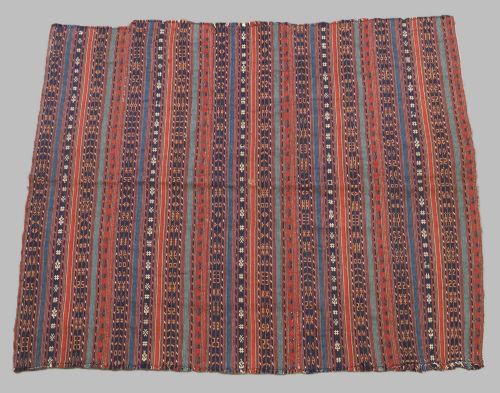
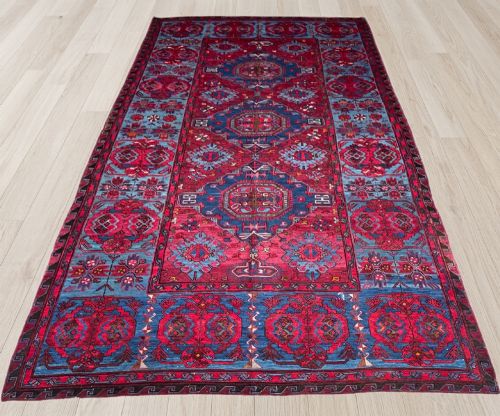
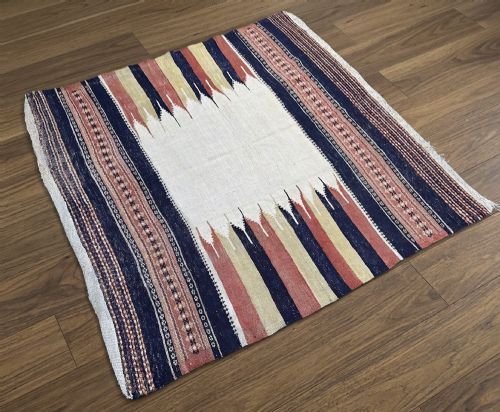
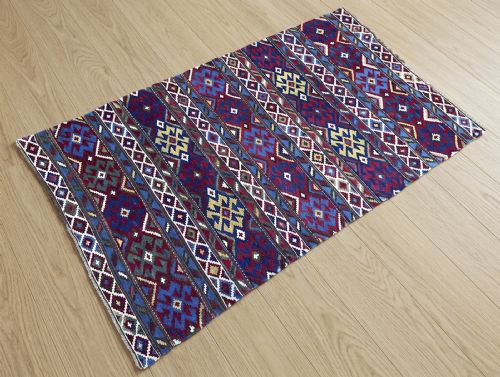
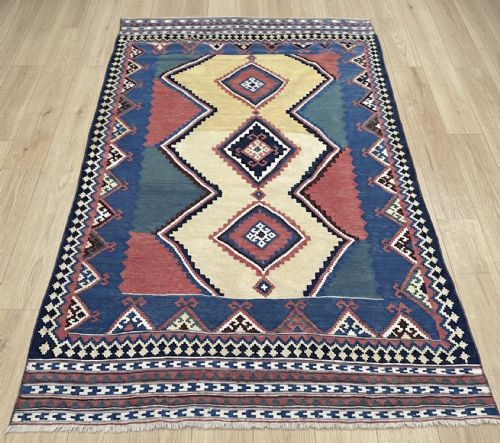
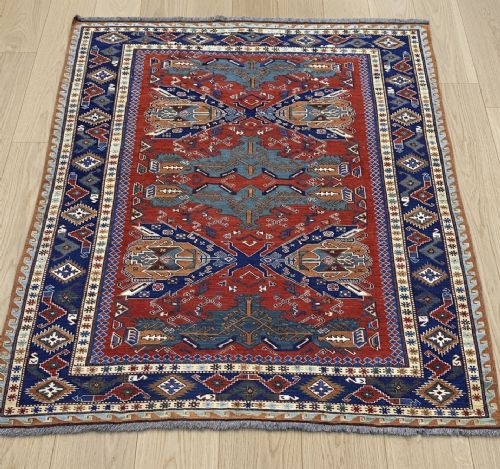
When you search for red blue flatweave, you are looking at tribal textiles woven without pile across Persia, the Caucasus, and Anatolia.
Red Blue Flatweave
The phrase red blue flatweave describes woven textiles produced by nomadic and village groups, appearing across regions such as Western Persia, Daghestan, and the wider Caucasus.
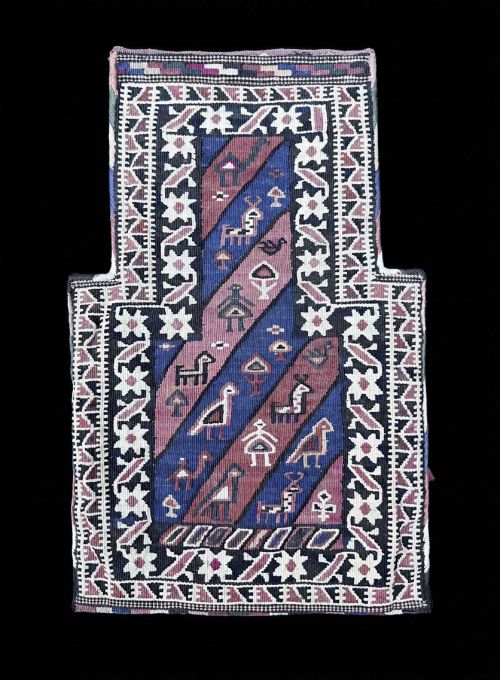
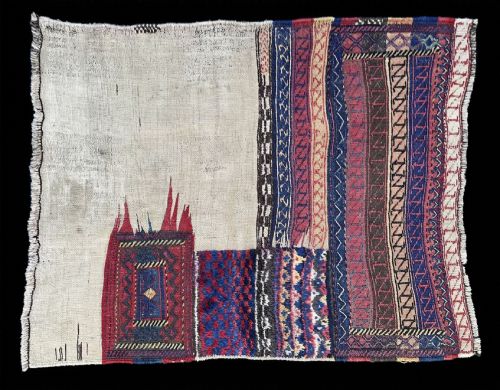
Buyers frequently encounter utilitarian forms like kilims, salt-bags, bread sofreh cloths, and saddlebag faces rather than standard floor carpets.
The production spans from the late nineteenth century through to the mid twentieth century, reflecting traditional tribal patterns created for domestic utility.
Materials and Construction
Weavers utilised wool, hand-spun wool, cotton, and occasionally goat hair, structured through tapestry weaving techniques without a knotted pile.
Natural dyes and vegetable dyes provided the foundational palette, yielding distinct red and blue tones across the tribal and regional pieces.
Many larger panels and covers were woven in multiple strips and subsequently joined, while smaller items like salt-bags incorporated plain weave backs.
Red Blue Flatweave Retail Price Guide 2026
Typical asking prices for red blue flatweave among the pieces listed under this phrase on Sellingantiques today, from the lower quarter to the upper quarter. They describe what is for sale here now, not the wider market.
Materials recorded across the inventory include wool, cotton, goat hair, and hand-spun wool combined with vegetable dyes.
Factors of Quality
The refinement of the weave structure and the tightness of the tension dictate the structural integrity of each textile.
The handling of natural and vegetable dyes determines how the red and blue hues interact and age across the surface of the weave.
The clarity of traditional tribal motifs, such as medallions or geometric field patterns, distinguishes standard utility pieces from finer examples.
The Red Blue Flatweave Glossary
- Flatweave
- A textile produced without knotted pile by interweaving warp and weft threads directly. This technique creates a smooth, thin fabric utilised for rugs, covers, and utilitarian bags.
- Sofreh
- A spread or cloth traditionally used for dining, bread preparation, or serving food. These woven items often display specific regional tribal layouts.
- Soumak
- A brocade-like weaving technique where weft threads are wrapped around the warp threads before being beaten down. This method adds texture and durability to the face of the piece.
- Tacheh
- A specific type of grain or wheat sack made by nomadic groups. They were folded and secured for storage during transit.
- Warp
- The vertical foundation threads stretched tightly on the loom before weaving begins. The weft threads are passed across and under these structural elements.
Red Blue Flatweave: Frequently Asked Questions
What are red blue flatweave pieces?
These items are non-pile textiles created by nomadic and village tribes across Persia, the Caucasus, and Anatolia. They encompass utility cloths, bags, and coverings.
They were woven using traditional techniques, relying on structural interlacing rather than knotted pile to form geometric and regional designs.
How were these textiles used?
Nomadic groups utilised these woven pieces for daily survival, storage, and domestic life. Items like sofreh cloths served during meals, while salt-bags and saddlebags held provisions.
Many pieces were also used as floor coverings, tent dividers, or grain sacks, fulfilling practical roles within tribal communities before entering the antique market.
How do I live with them?
Flatweave textiles suit low-traffic floor areas, wall hangings, or surface displays due to their lack of a protective pile layer. Using an appropriate underlay helps prevent movement.
Keeping them away from direct sunlight preserves the natural and vegetable dyed red and blue tones over time.
How do I identify different regional types?
Regional identification relies on structural characteristics, specific tribal motifs, and the composition of the weave. Groups such as the Shahsavan, Afshar, and various Caucasian tribes utilised distinct border designs and colour balances.
Examining whether a piece was woven in multiple strips or constructed as a single panel also aids in determining its origin.