






Red Art Print
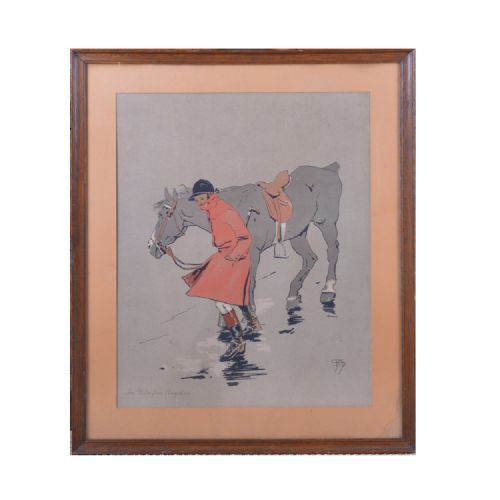
A red art print brings a striking splash of colour to a room, ranging from sporting scenes to classical portraiture.
Red Art Print
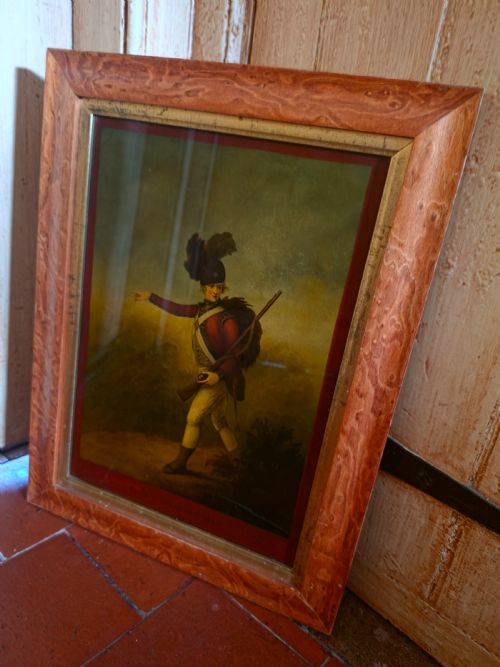
When searching for a red art print, buyers encounter a diverse selection of wall art, framed prints, and paintings spanning multiple centuries. The selection includes works produced in paper, ink, and watercolour, alongside oil paintings and reverse glass pictures.
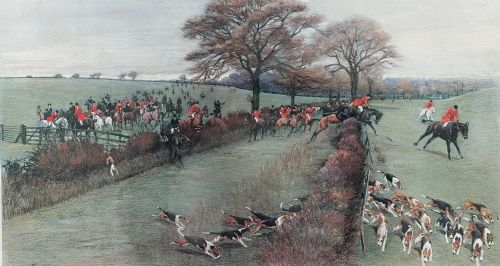
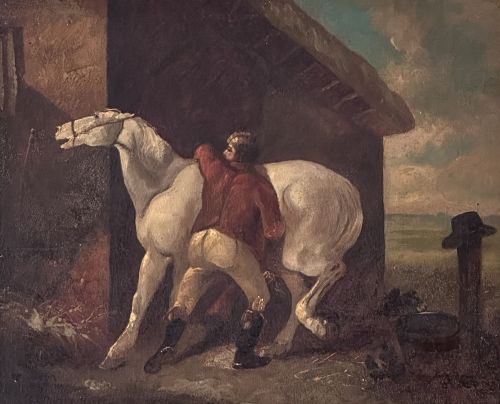
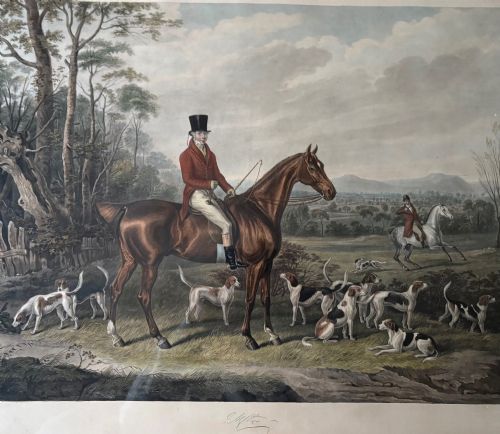
Most pieces date from the nineteenth and twentieth centuries, encompassing Victorian and Edwardian sporting art, Renaissance revival, and mid-century subjects. Forms range from individual framed wall art and engravings to sets of prints and watercolours.
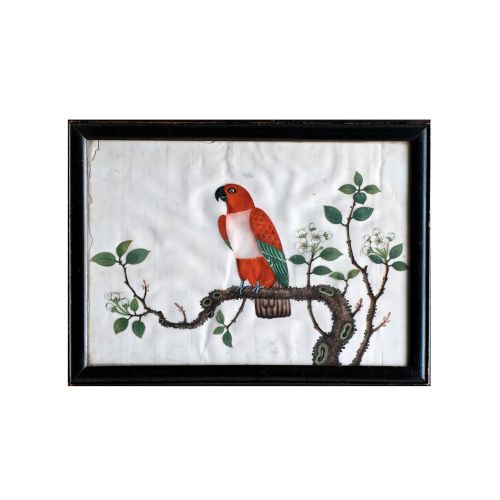
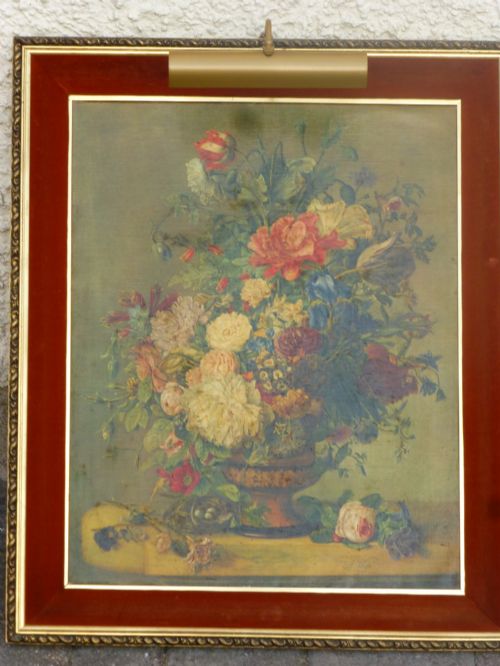
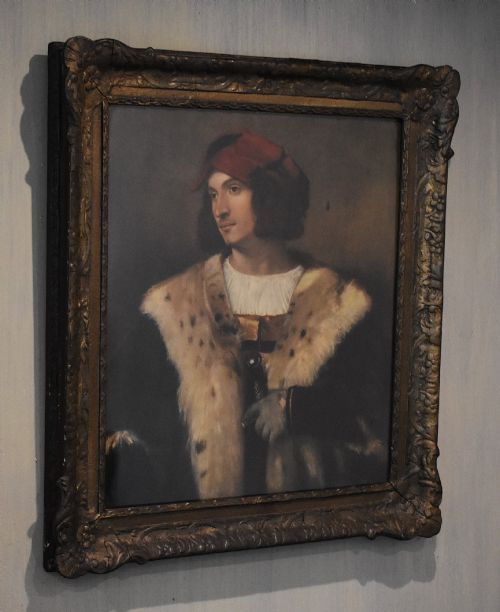
Subjects vary from hunting sequences and portraits to botanical and ornithological studies. Buyers find works originating from British and European artists, including established painters and classical printmakers.
How they were made
Materials span paper, canvas, and pith paper, combined with ink, watercolour, gouache, and oil paint. Some works utilise chromolithography or print reproductions after classical paintings.
Framing often involves wood, gilded wood, or giltwood surrounds to house the paper, canvas, or reverse glass panels. Specialised techniques such as brass rubbing and wax seals also appear among the listed items.
Red Art Print Retail Price Guide 2026
Typical asking prices for red art print among the pieces listed under this phrase on Sellingantiques today, from the lower quarter to the upper quarter. They describe what is for sale here now, not the wider market.
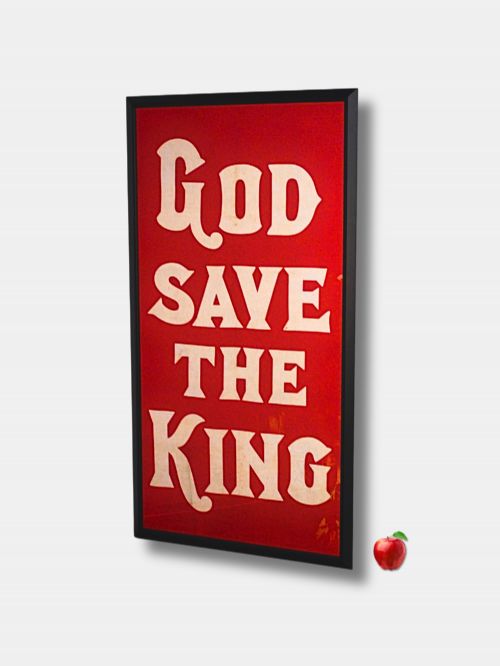
Object types on this page include oil paintings, watercolours, engravings, and framed flags.
What varies in quality
Quality depends upon the skill of the artist or printmaker, the precision of the medium applied to paper or canvas, and the condition of the pigments. Hand-painted watercolours and original oils differ significantly from mass-produced or later mechanical prints.
The integrity of the mounting, whether in original gilded wood frames or under reverse glass, preserves the visual impact of the artwork over time.
Cecil Charles Windsor Aldin·Carl Haag·John Merrifield·Charles Faulkner·Charles Johnson Payne Snaffles·R Lauritsch·Frank Algernon Stewart·George Lance·Élisabeth Louise Vigée Le Brun·Owen Bowen
The Red Art Print Glossary
- Chromolithography
- A planographic printing technique used to produce multicoloured prints. This method relies on separate stones for each colour layer.
- Gouache
- An opaque water-based paint consisting of pigment, water, and a binding agent such as gum. It creates a heavier, more solid surface than traditional watercolour.
- Oleograph
- A type of chromolithographic print textured to imitate an oil painting. Manufacturers often varnish these to simulate the appearance of canvas.
- Pith paper
- A delicate material prepared from the pith of the Tetrapanax papyrifer plant. Nineteenth-century artists used this surface for detailed gouache and watercolour painting.
- Reverse glass painting
- An artwork executed on the back of a glass panel so the image is viewed through the front. This technique protects the paint layers from atmospheric damage.
Red Art Print: Frequently Asked Questions
How do I hang a framed print safely?
Ensure the wall fixings match the weight of the wooden or giltwood frame. Use picture wire secured firmly to the side rings.
Keep the artwork away from direct sunlight to protect watercolours and inks from fading over time.
Are these pieces original or reproductions?
The selection contains a mix of original watercolours and oil paintings alongside period prints and classical reproductions. Check individual listings for the specific medium used.
Signatures, paper types, and framing details often indicate whether a piece is an artist's original work or a printed edition.
How do I care for antique paper art?
Maintain stable humidity levels in the room to prevent warping of the paper and degradation of the ink or watercolour pigments. Avoid placing pieces near active heat sources.
Keep glass surfaces clean using a dry microfibre cloth, taking care not to spray liquid directly onto older frames or mounts.
What periods do these artworks represent?
The listings span from the early nineteenth century through the Victorian and Edwardian eras up to the mid-twentieth century. Styles shift from classical revivals to sporting art and mid-century prints.
Each era brings distinct framing styles, printing techniques, and artistic subjects suited to different interior aesthetics.